Maria Pia Beach, Alghero: Sand, Shade and How to Get There
Maria Pia beach in Alghero pairs fine white sand and shallow water with a shady pine forest, sunbed lidos and an easy walk or cycle from the Lido.
On this page
Maria Pia earns its popularity with a combination that is hard to beat in north-west Sardinia: a long sweep of fine white sand, water that shelves gently, and a pine forest close enough to offer real shade at the hottest hour. Families with small children get the easiest day here, though anyone who wants a swim, a sunbed and a flat walk from town will settle in happily.
The beach runs along the Riviera del Corallo between Alghero's Lido San Giovanni and the village of Fertilia, facing southwest across the bay towards the Isola della Maddalenetta. That aspect gives it long afternoon sun, while the dunes and pines behind provide the counterweight of cool air and shadow.
Where Maria Pia sits
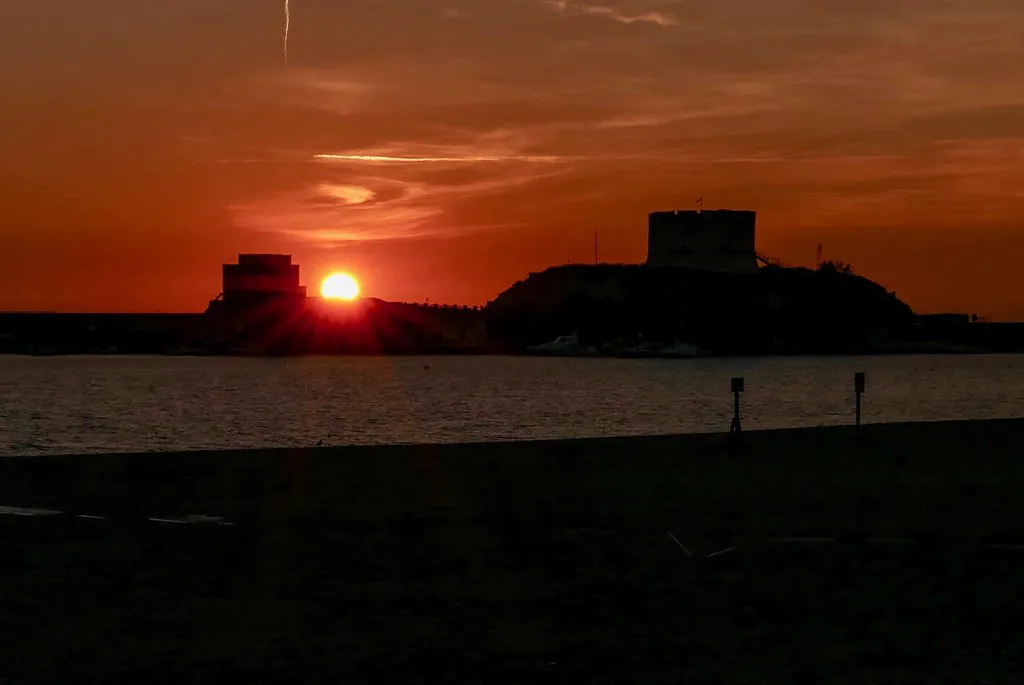
Spiaggia di Maria Pia stretches for 1,200 metres a few kilometres north-west of Alghero's historic centre, in the Province of Sassari. It faces southwest and looks out over Alghero Bay towards Fertilia and the small island of Isola della Maddalenetta, which sits about 1.5 kilometres offshore.
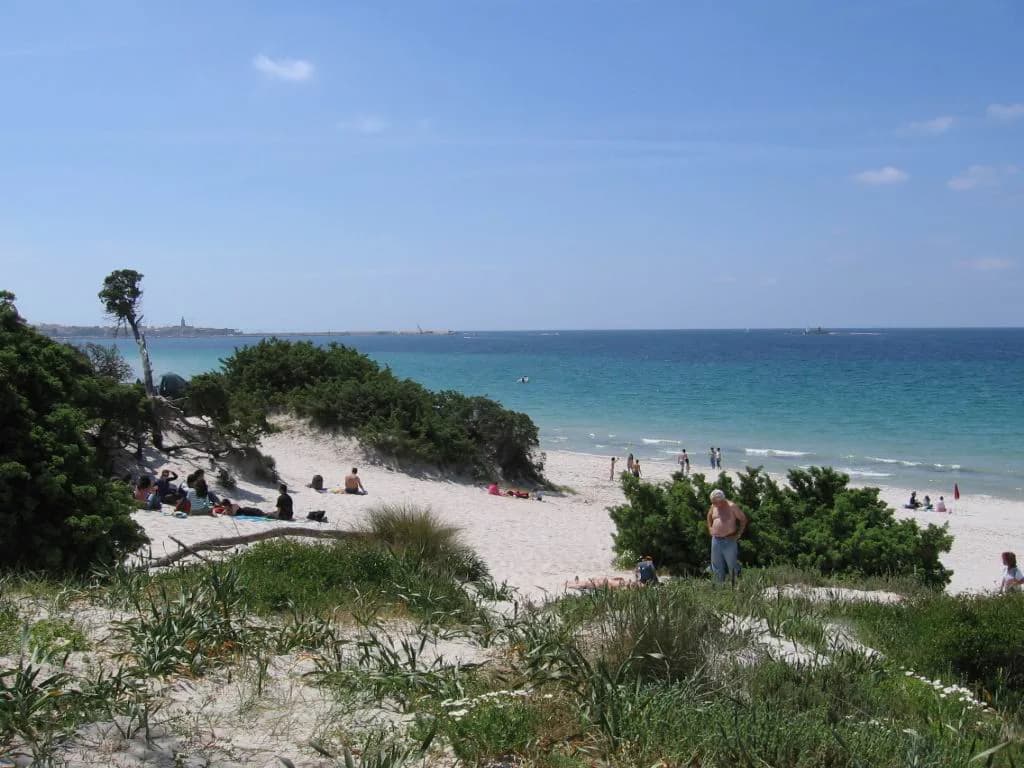
Behind the sand lies a belt of vegetated dunes and a pine forest, with the Stagno di Calich lagoon further inland. The lagoon is a stopover for migratory birds, so the walk to the water often comes with a little birdsong alongside the swim.
Getting there on foot or by bike
From central Alghero the simplest approach is the seafront promenade, which continues from Lido San Giovanni towards Fertilia with a wide pavement and a cycle path. Walking or cycling keeps you out of the summer traffic and delivers you straight to the back of the beach, with the pine forest shading the last stretch.
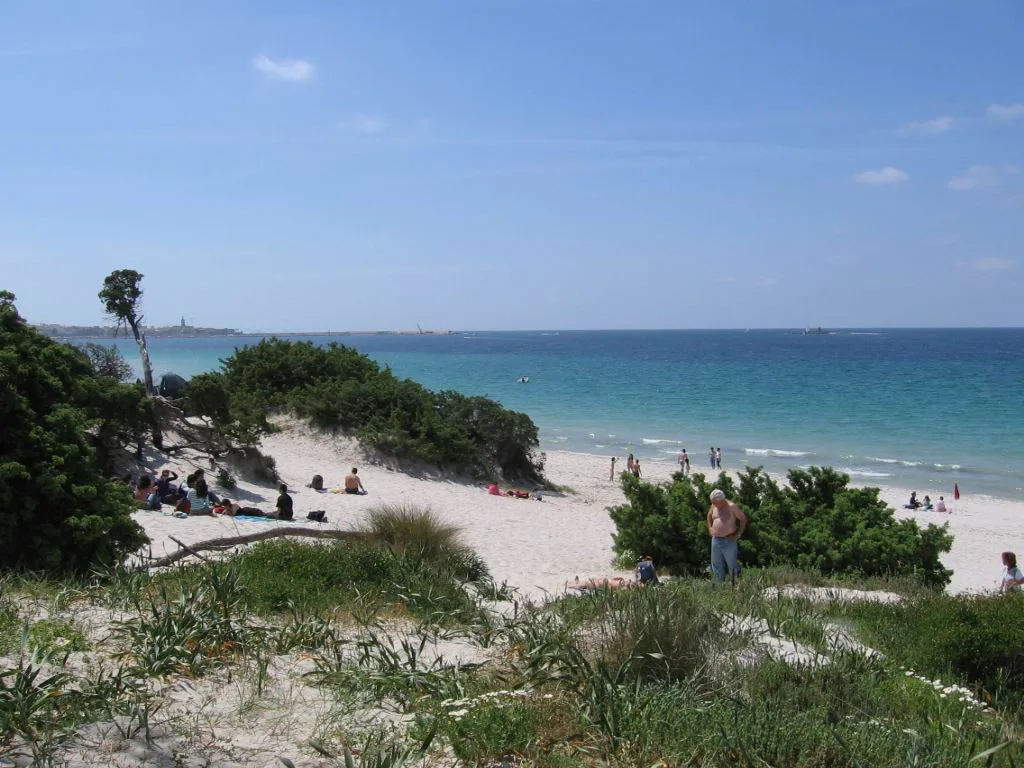
To reach the sand itself you cross the pine forest and climb the dunes on wooden walkways installed to protect the juniper and sea lily growing there. Keep to the boards rather than cutting through the vegetation, and wear something on your feet for the warm sand in high summer.
Getting there by car or bus
Drivers head north-west from the centre following signs for the Lido and then Fertilia along Viale Primo Maggio, where parking sits just behind the beach along the road. Part of that parking is chargeable, so carry coins or a card for the meter and arrive before late morning in peak season if you want a space close to the walkways.
Without a car, the Alghero–Fertilia bus line runs frequently past the beach and connects the town centre with Fertilia, making a car-free day straightforward. Timetables change with the season, so pick up the current times from the Alghero tourist office before you set out.
The sand and the water
The sand is fine and pale, clean underfoot and free of the rocky patches that make some Sardinian strands awkward to enter. The seabed slopes away gradually, so children can paddle a good distance out before the water reaches their waists, and stronger swimmers simply keep walking until it deepens.
Clear water and a southwest-facing bay make this a pleasant place to float and look back at the dunes. A seasonal rescue service operates on the beach, so check current arrangements and take your cue from the flags and the lifeguards before swimming.
Shade and shelter
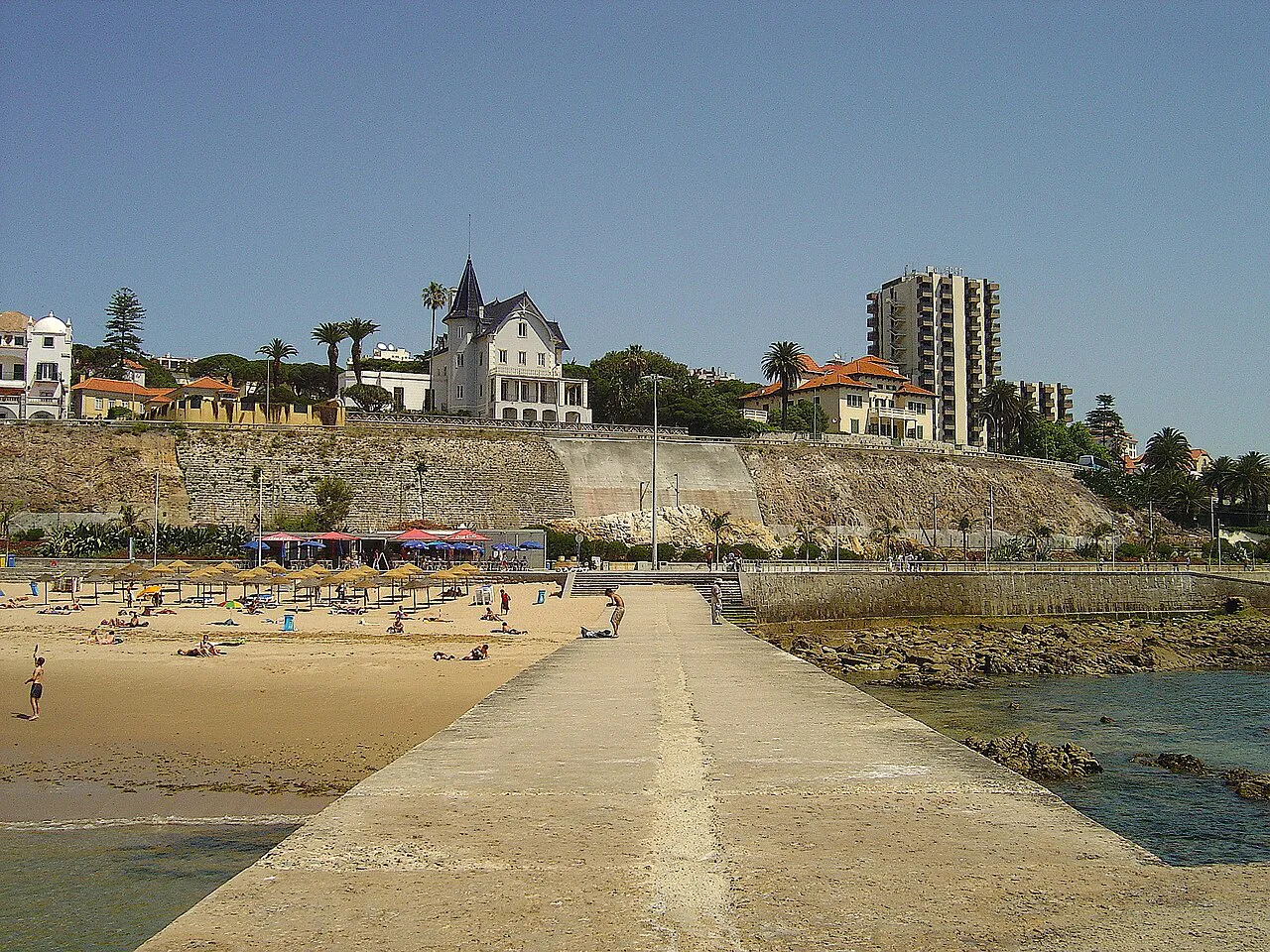
The pine forest is the reason many people choose Maria Pia over the town beaches: it cools the air behind the sand and casts shade through the middle of the day. Set up at the forest edge and you get both the breeze off the water and somewhere to retreat when the sun is at its strongest.
Because the beach faces southwest, expect full sun for most of the afternoon and a gentler light later on. Bring a sunshade or a light long-sleeved layer if you plan to sit out, and remember that the dunes behind the sand are protected, so shade comes from the designated walkways and the tree line rather than from scrambling up the slopes.
Facilities
Several bathing establishments along the strand rent sunbeds and umbrellas and run activities for children, putting Maria Pia on a par with Lido San Giovanni for convenience. Snack bars and beach bars dotted along the sand sell drinks, ice cream and light meals, so you can spend the whole day without carrying a picnic.
Access is easier than at many Sardinian beaches: a wooden pathway leads to the sand, and the beach can be reached by wheelchair along it. The site also lists parking, beach chairs and umbrellas, a bar and restaurant, and a campsite nearby, which makes it a practical base for a low-effort beach day.
How busy it gets and when to go
This is one of the most popular beaches on the Riviera del Corallo, and the height of summer brings the crowds to match. Outside peak season the strand feels far roomier, and early mornings are quiet enough for a walk or jog along the shore before the lidos open.
For the warmest sea, aim for late June through September, when the shallows stay comfortable for long paddles. If you are visiting in high summer, arrive early to claim a spot at the forest edge and plan your swim before the midday heat builds.
Nearby beaches
Maria Pia is the natural continuation of Lido San Giovanni, so you can combine the two in one seafront walk and pick whichever stretch looks quieter that day. Fertilia lies a short way north-west with its own kilometre-long beach facing south, backed by a pond, and makes an easy second stop.
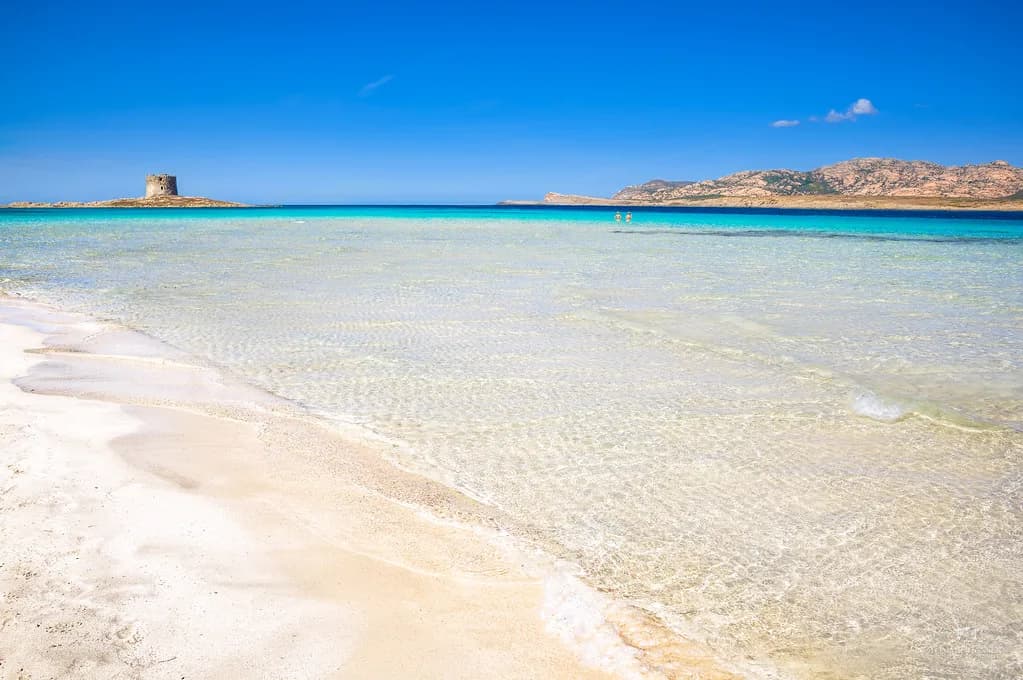
Further along the coast, Spiaggia delle Bombarde and Spiaggia di Mugoni sit within the Porto Conte area, with Mugoni almost entirely sheltered by pine forest. Mugoni beach suits a change of scene when the southwest breeze picks up, while Porto Ferro and its nearby lake reward a longer excursion, and La Pelosa beach near Stintino is the obvious choice for a day trip further north. If your trip extends across the island, the coves and bays of the Olbia beaches offer a comparable north-east coast alternative.
Plan Your Visit
Pack for two kinds of day at once: swimwear and a towel for the shallows, plus a hat and something light for the shaded forest edge. The walkways protect the dunes, so keep to them, and bring water if you plan to spend the afternoon rather than relying on the bars.
The dependable formula here is an early arrival by bike or on the Fertilia bus, a morning swim in the gentle shallows, and a shaded lunch before the beach fills up. From there, walk on to the Lido or drive out to Mugoni and Porto Ferro to round off a longer Alghero stay.
Frequently Asked Questions
How far is Maria Pia beach from Alghero town centre?
It lies a few kilometres north-west of the historic centre, beyond Lido San Giovanni and on the way to Fertilia. The seafront promenade and cycle path make the whole approach flat and easy to walk or ride.
Can you walk or cycle to Maria Pia beach from Alghero?
Yes. The promenade continues from Lido San Giovanni towards Fertilia with a wide pavement and a dedicated cycle path, and you enter the beach by crossing the pine forest on wooden walkways over the dunes.
Is there parking at Maria Pia beach?
Parking sits just behind the beach along Viale Primo Maggio, and part of it is chargeable. Arrive early in July and August if you want a space near the walkways, and carry coins or a card for the meter.
Is Maria Pia beach good for families with young children?
It is one of the most family-friendly beaches near Alghero. The pale sand is free of rocky patches, the seabed slopes away gradually so children can paddle far out, and bathing establishments rent sunbeds and run activities for younger visitors.
Is there shade at Maria Pia beach?
A pine forest and vegetated dunes run behind the sand and give real shade during the hottest hours. Reach it via the wooden walkways, which protect the juniper and sea lilies growing on the dunes.
Which beaches are near Maria Pia beach?
Lido San Giovanni continues directly from Maria Pia, and Fertilia is a short distance north-west. Further out, Spiaggia delle Bombarde, Mugoni and Porto Ferro make good additions to a longer beach-hopping day.
Sources
Beach notes for your next trip
Optional updates when we add or revise beach guides.
You might also like
Continue reading
More guides you'll find useful