Porto Ferro Beach, Sardinia: Surf, Sand and How to Get There
Plan a day at Porto Ferro beach near Alghero, Sardinia: golden sand, a surf-friendly bay, dunes and cliffs, and how to reach it by road.
On this page
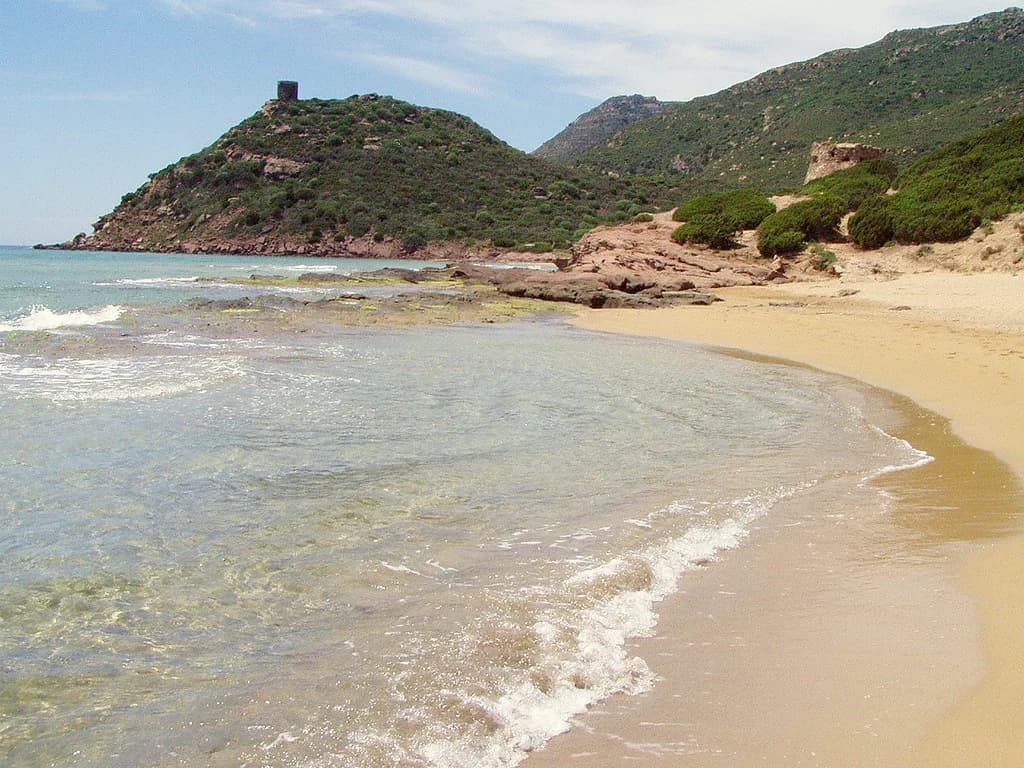
Porto Ferro rewards the drive north from Alghero with a broad, wild bay where golden sand meets dunes and rugged cliffs. The beach suits surfers chasing beach-break peaks, families who want room to spread out, and walkers drawn to the hinterland. It has a different character from the more developed beaches closer to town.
The bay divides neatly into two zones: a central sand beach where waves break in the middle, and a southern side where a left-hander breaks over rocks. That split means swimmers and surfers tend to naturally separate. Neither group needs to crowd the other, and you can pick your end of the beach before you unpack.
Where Porto Ferro sits
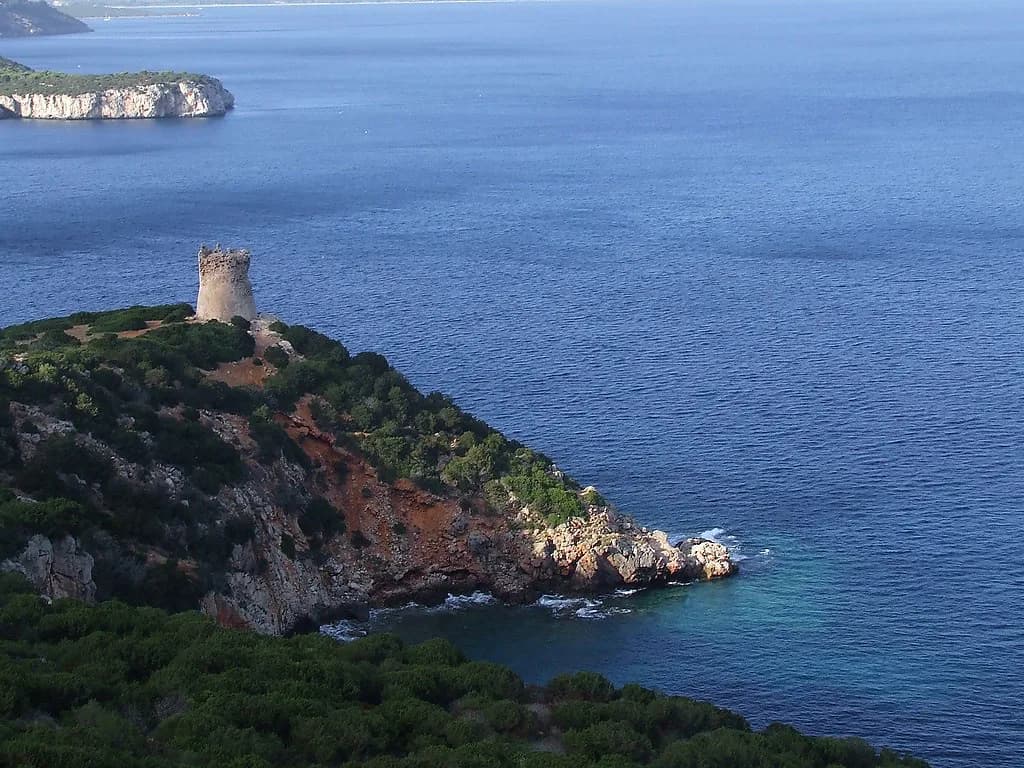
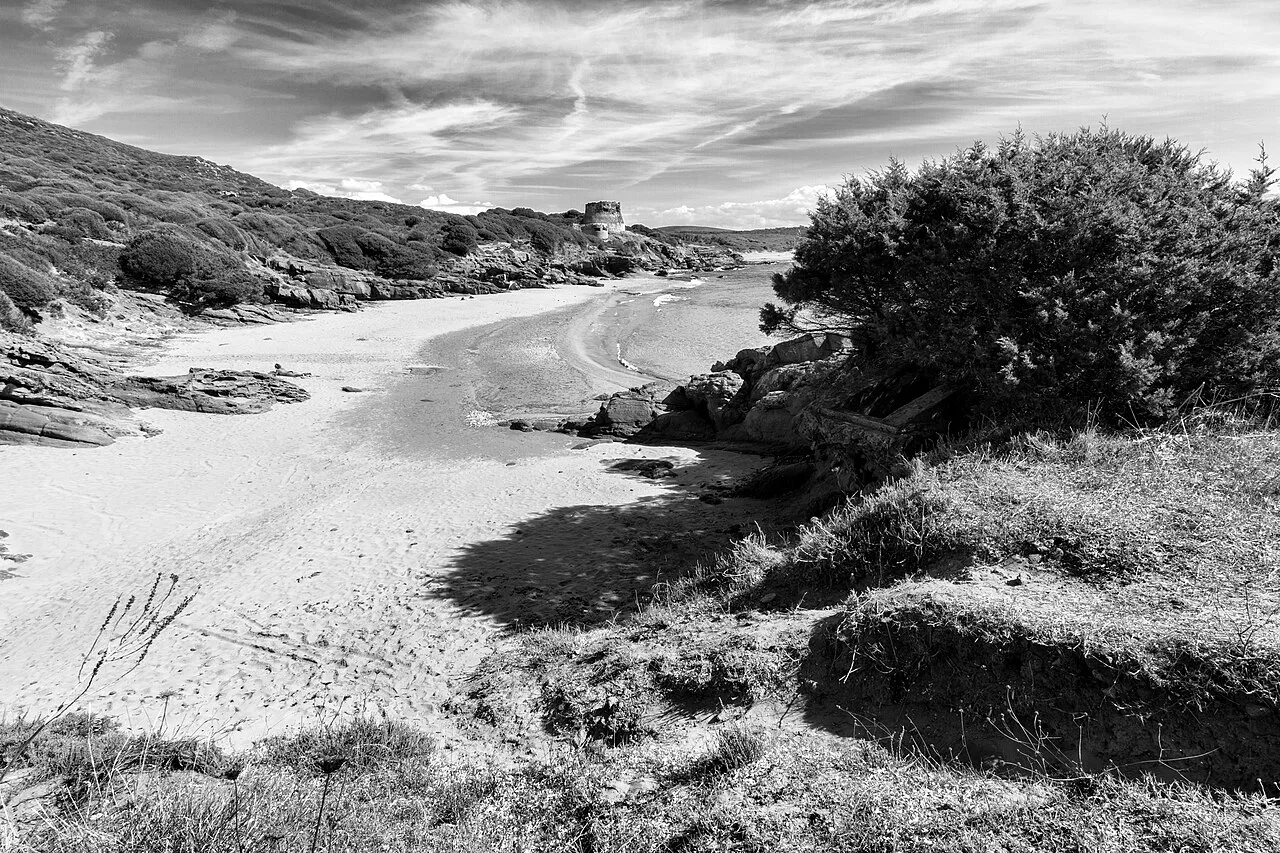
Porto Ferro lies in the north-west of Sardinia on the Riviera del Corallo, north of Alghero and within the province of Sassari. The bay opens to the west, with dunes backing the sand and cliffs shaping its southern edge. It sits well away from the built-up resort strip, which is part of its appeal.
Think of it as a beach for a half-day or full-day outing rather than a stroll from a hotel. Bring what you need for a long stay: water, shade, food and cash for any beach services. The wilder setting is the trade-off for fewer amenities than the town beaches.
Getting there from Alghero
Porto Ferro is reached by road from Alghero, heading north along the coast. The drive is the straightforward option, and having a car lets you combine the beach with stops along the Riviera del Corallo. Allow time for the final approach, which winds through the hinterland.
Ask your accommodation or the Alghero tourist office about current parking areas and any charges, since these are managed locally and change with the season. Arriving earlier in the day gives you the best choice of space.
If you would rather not drive, ask the local tourist office about any shuttle or bus service running to Porto Ferro in summer. Services vary by season, so check current timetables before relying on them. For more options around town, see the guide to Alghero beaches.
The sand and the water
The beach is golden sand, backed by dunes and framed by rugged cliffs. The central section is the widest and most open, with beach-break peaks breaking in the middle of the bay. The southern side is rockier, where a left-hander breaks over rocks.
That mix of sand and rock bottom shapes how the water behaves. The central sand gives waves room to build and break, while the rocky south side produces a more defined wave. Swimmers who prefer flatter water should look to the calmer sections away from the breaking peaks.
Swimming and shelter
Porto Ferro is an exposed west-facing bay, so conditions follow the swell and wind rather than staying flat. The surf guide lists the best swell directions as south-west, west and north-west, which is when the bay sees the most wave action. It lists the ideal wind directions as north-east, east and south-east, when conditions are cleaner.
Use those directions to judge shelter before you drive out: a north-east, east or south-east wind tends to favour the bay, while a westerly swell brings more movement. Families with small children should pick their spot with the day's conditions in mind and stay close to the sand. Watch for any flags or local advice on the day.
Surfing at Porto Ferro
Porto Ferro is a regional classic for surfers, with beach-break peaks in the centre and a left-hander over rocks on the southern side. The surf guide rates it good for all levels, including beginners, and describes the crowd as few surfers. Wave length runs from about 50 to 150 metres, and the bottom is a mix of rocks and sand.
Tide is the practical advantage here: the guide reports that all tides are good at Porto Ferro, so you do not need to time your session around the tide table. Best swell directions are south-west, west and north-west, and the ideal winds are north-east, east and south-east. Softboards, longboards and shortboards all work, which makes it a sensible spot for improvers.
Surf conditions at Porto Ferro vary with the forecast, so check the conditions on the day rather than relying on a general reputation. The guide recommends respecting local surfers and gives a detailed forecast for the coming days on its spot page.
Facilities and things to do
Porto Ferro is a wilder beach than the lido-lined sands nearer Alghero, so plan on bringing your own shade, water and food. Any beach bars or rental services operating on the sand are seasonal, and details are best confirmed with the Alghero tourist office before you go.
For a change from swimming and surfing, horseback tours run along Porto Ferro beach. Operators offer rides of about two hours along the shore on the Riviera del Corallo, which suits non-surfers and families looking for an alternative activity. Book ahead through a local operator and ask about riding experience requirements.
If you want a beach day with more facilities, the beaches closer to Alghero make an easier base. The town's Lido di Alghero and the pine-backed Maria Pia beach are good options for a gentler day with services.
Best time to go
The Mediterranean swim season around Alghero generally runs from late spring to early autumn, with the warmest sea in mid-summer. July and August are the busiest months on Sardinian beaches, so expect more company then. June and September offer a better balance of warm water and quieter sand.
For surfers, the best swell directions at Porto Ferro are south-west, west and north-west, which are more common in the cooler months. That makes spring and autumn attractive for a surf-focused trip, with fewer crowds on the beach. Check the forecast before you commit to a session.
Who it suits
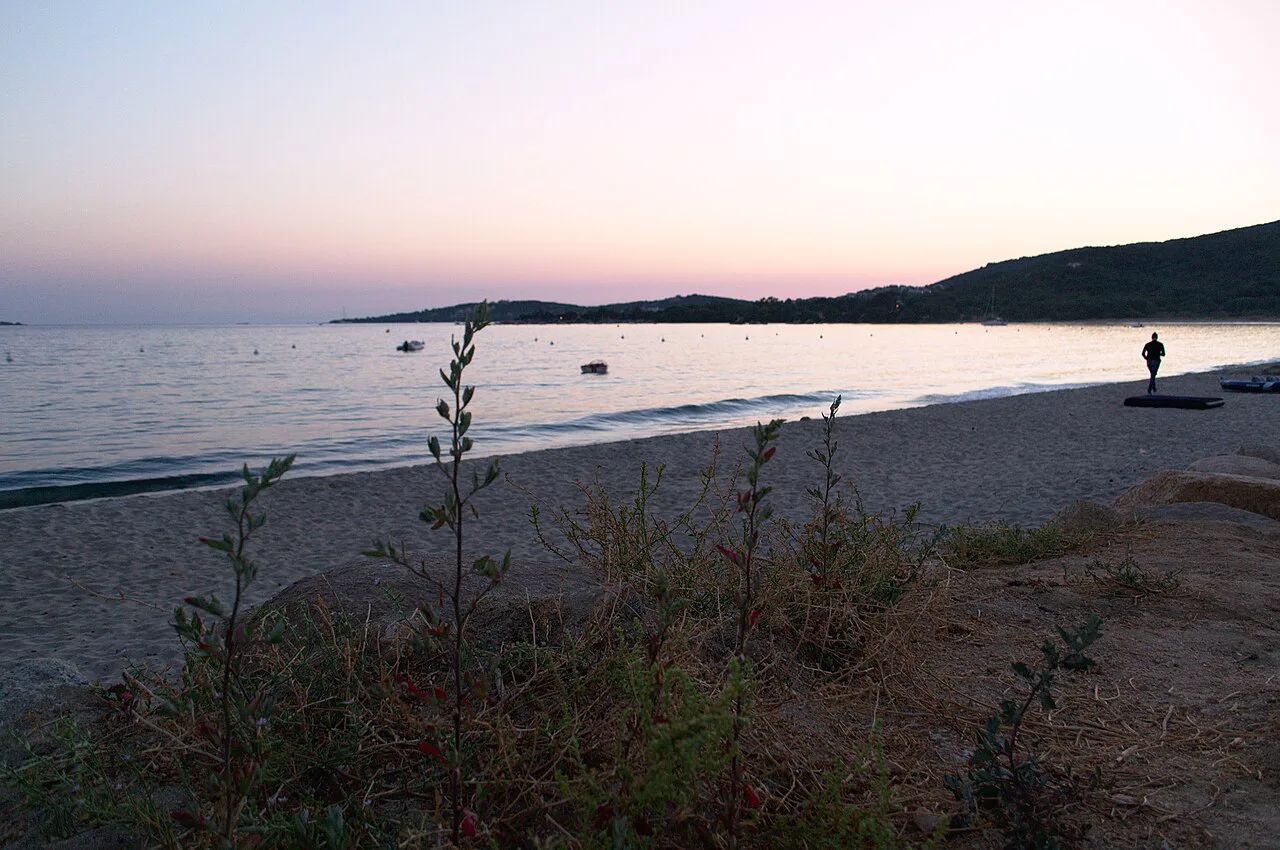
Porto Ferro suits surfers of all levels, especially improvers who value a spot that works on any tide. Families with older children who are happy to spread out on a wilder beach will appreciate the space. Walkers and nature-lovers get dunes and cliffs rather than a built-up promenade.
Quiet-seekers should aim for early mornings or shoulder-season weekdays, when the beach is at its emptiest. Swimmers who want flat, sheltered water are better served by the more protected beaches nearer Alghero.
Nearby beaches to combine
The surf guide lists Maddalenedda, La Speranza, Badesi and Isola Rossa as nearby spots, each with rock and sand bottoms that work on any tide. They give you alternatives if Porto Ferro is crowded or the swell is not what you hoped for.
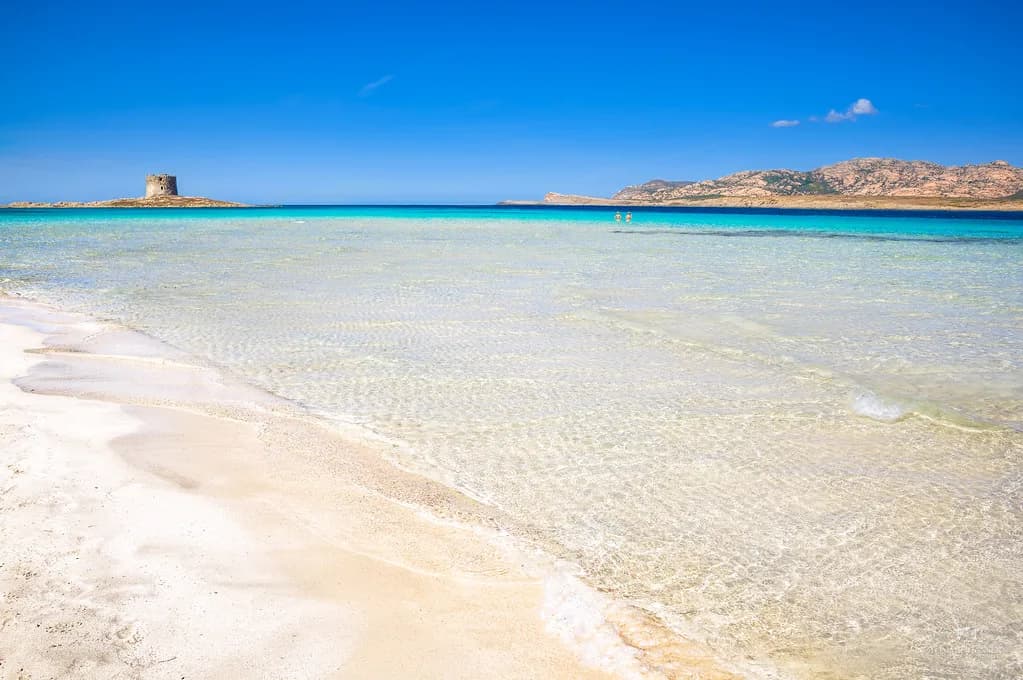
Closer to Alghero, La Pelosa beach near Stintino is a famous white-sand counterpart to Porto Ferro's wilder bay, though it gets very busy in high season. For a gentler family day, Maria Pia beach in Alghero has pine shade and calmer water. See the best beaches near Alghero for more ideas to pair with your trip. If you are planning to explore more of the island, the Olbia beaches offer coves and bays on the north-east coast as a contrasting alternative.
If you are heading south, Bosa Marina makes a worthwhile stop on a coastal drive, with a river mouth and a long sandy beach. Plan your route so you are not driving winding roads after dark.
Plan Your Visit
Porto Ferro rewards a bit of planning: check the wind and swell direction, arrive early for parking, and bring what you need for a wilder beach day. Surfers get a tide-proof bay, families get space, and walkers get dunes and cliffs. Confirm seasonal services and parking rules with the Alghero tourist office before you set out.
Frequently Asked Questions
How do you get to Porto Ferro beach from Alghero?
Porto Ferro is reached by road from Alghero, heading north along the coast. Driving is the most straightforward option and lets you combine the beach with stops along the Riviera del Corallo. Ask the Alghero tourist office about any seasonal shuttle or bus service, as these vary by season.
Is Porto Ferro beach good for surfing?
Yes. Porto Ferro is a regional classic with beach-break peaks in the centre and a left-hander over rocks on the southern side. It suits all levels, including beginners, and all tides work, so you do not need to time a session around the tide. Best swell directions are south-west, west and north-west, with ideal winds from the north-east, east and south-east.
Is Porto Ferro beach good for families and swimming?
Porto Ferro suits families who want space on a wilder beach, but it is exposed to westerly swell, so swimming conditions vary. Pick a calm section away from the breaking peaks and watch for local advice on the day. Families wanting flatter water and more facilities are better served by the beaches nearer Alghero, such as Maria Pia.
When is the best time to visit Porto Ferro beach?
For swimming, late spring to early autumn is the warmest period, with July and August the busiest months. June and September offer warm water with fewer crowds. For surfing, spring and autumn bring more of the south-west, west and north-west swell that suits the bay.
Which beaches near Alghero are worth combining with Porto Ferro?
Nearby surf spots include Maddalenedda, La Speranza, Badesi and Isola Rossa, all of which work on any tide. Closer to Alghero, La Pelosa beach near Stintino offers a famous white-sand contrast, while Maria Pia beach provides pine shade and calmer water for families.
Sources
Beach notes for your next trip
Optional updates when we add or revise beach guides.
You might also like
Continue reading
More guides you'll find useful