Valdevaqueros Beach, Tarifa: What to Expect on a Windy Day
Plan a day at Valdevaqueros beach near Tarifa, from the long sweep of sand and Atlantic swell to how the wind shapes the crowds and who it suits best.
On this page
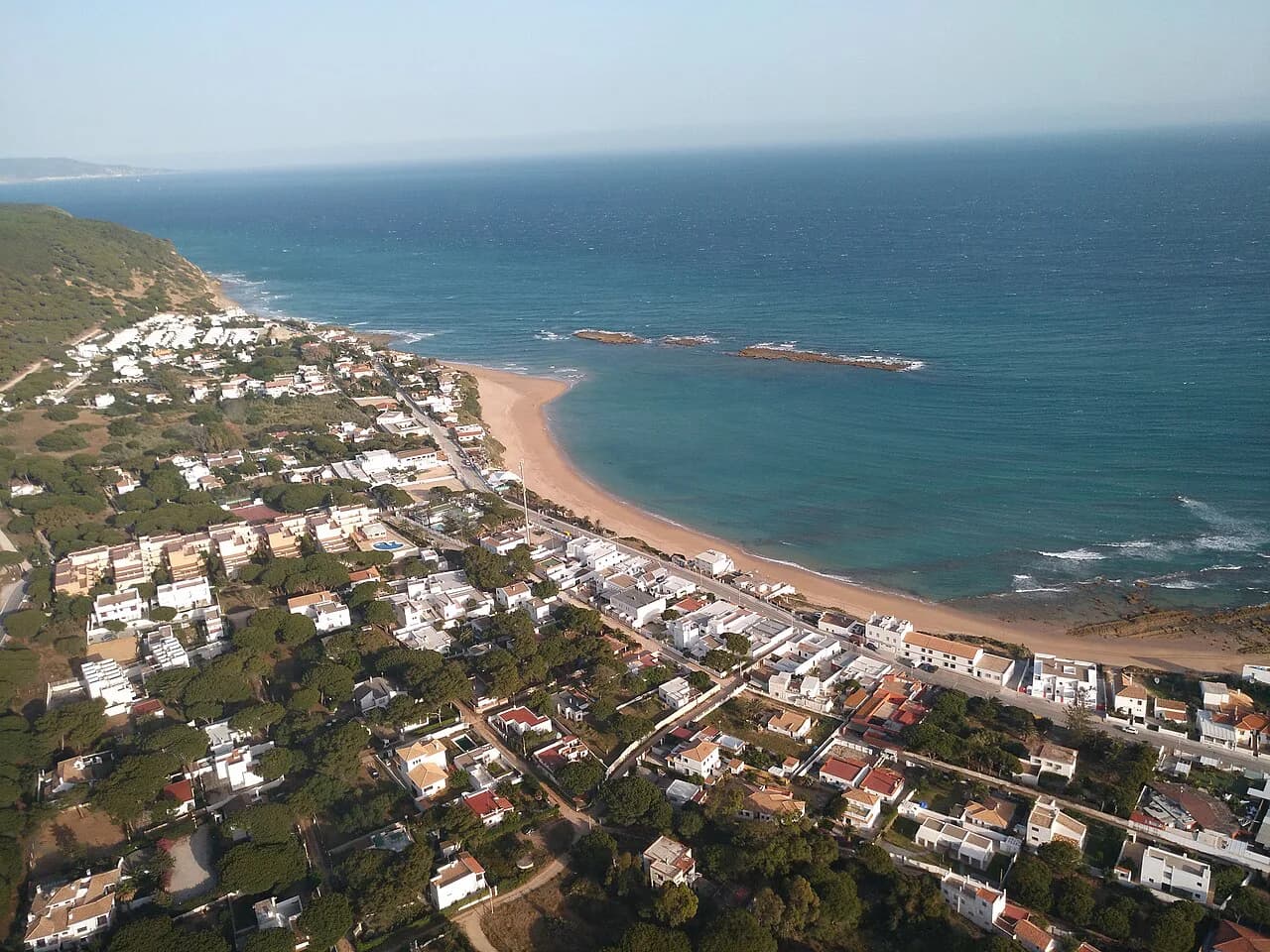
Valdevaqueros is the beach that explains why people put up with Tarifa's wind: a long sweep of pale sand backed by dunes, with the Atlantic rolling in and the Levante or Poniente deciding the mood of the day. It suits travellers who want space, walkers who like a beach with some horizon, and anyone who treats wind as part of the plan rather than a reason to stay away.
The beach sits west of Tarifa on the Costa de la Luz, on the stretch of coast that runs towards Cádiz. That position makes it easy to reach from Tarifa by road, but it also means the weather is genuinely Atlantic: expect swell, breeze and a sea that can feel bracing even in high summer.
Where Valdevaqueros sits
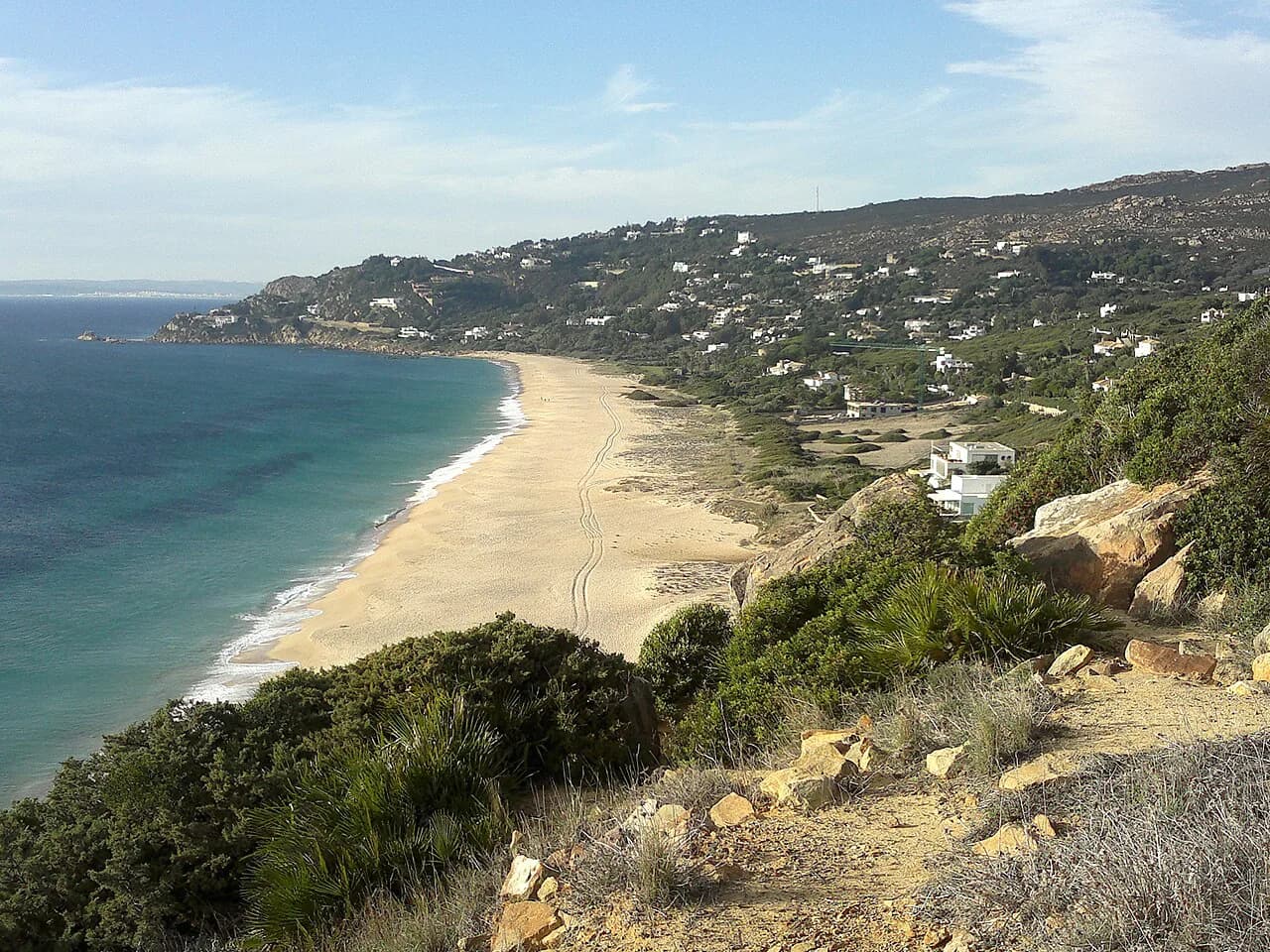
Valdevaqueros lies on the Costa de la Luz west of Tarifa, in the province of Cádiz. It is one of the main beaches on the road out of Tarifa towards Cádiz, so it works as a full-day destination rather than a quick dip on the way into town.
The beach is mapped as Playa Valdevaqueros in Tarifa, Cádiz, which is the entry to use when planning a route. If you are comparing bases, Tarifa beaches give you the widest choice of wind-sports beaches and town beaches within a short drive, and the beaches in Málaga offer a contrasting city-sands alternative if you are weighing up the Costa del Sol instead.
Getting there
The usual approach is by road from Tarifa, following the coast west. The beach is listed as Playa Valdevaqueros in Tarifa, Cádiz, so a maps app will route you to the beach area rather than the town centre.
Parking is the real trade-off on windy weekends: the beach is long, but the access points are few, and the car parks near the main dunes fill early when the forecast is good for wind sports. Arrive in the morning if you want to park close to the sand, or accept a walk from a quieter lay-by further along the coast road.
If you are staying in Tarifa without a car, ask your accommodation or the local tourist office about current bus services along the coast road, as timetables change with the season. A taxi split between a group can be simpler than waiting, and it drops you at the beach rather than the road.
The sand and the water
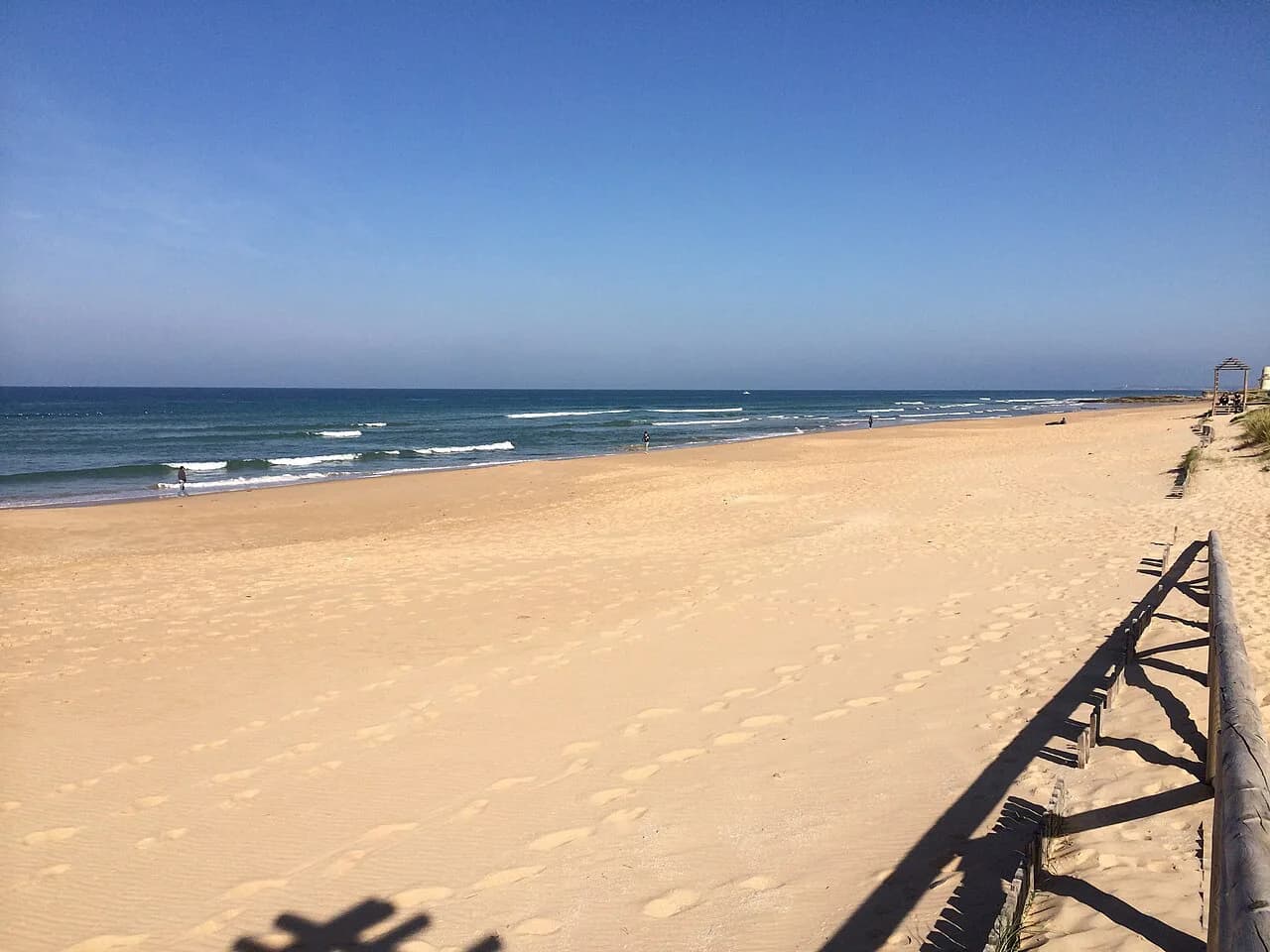
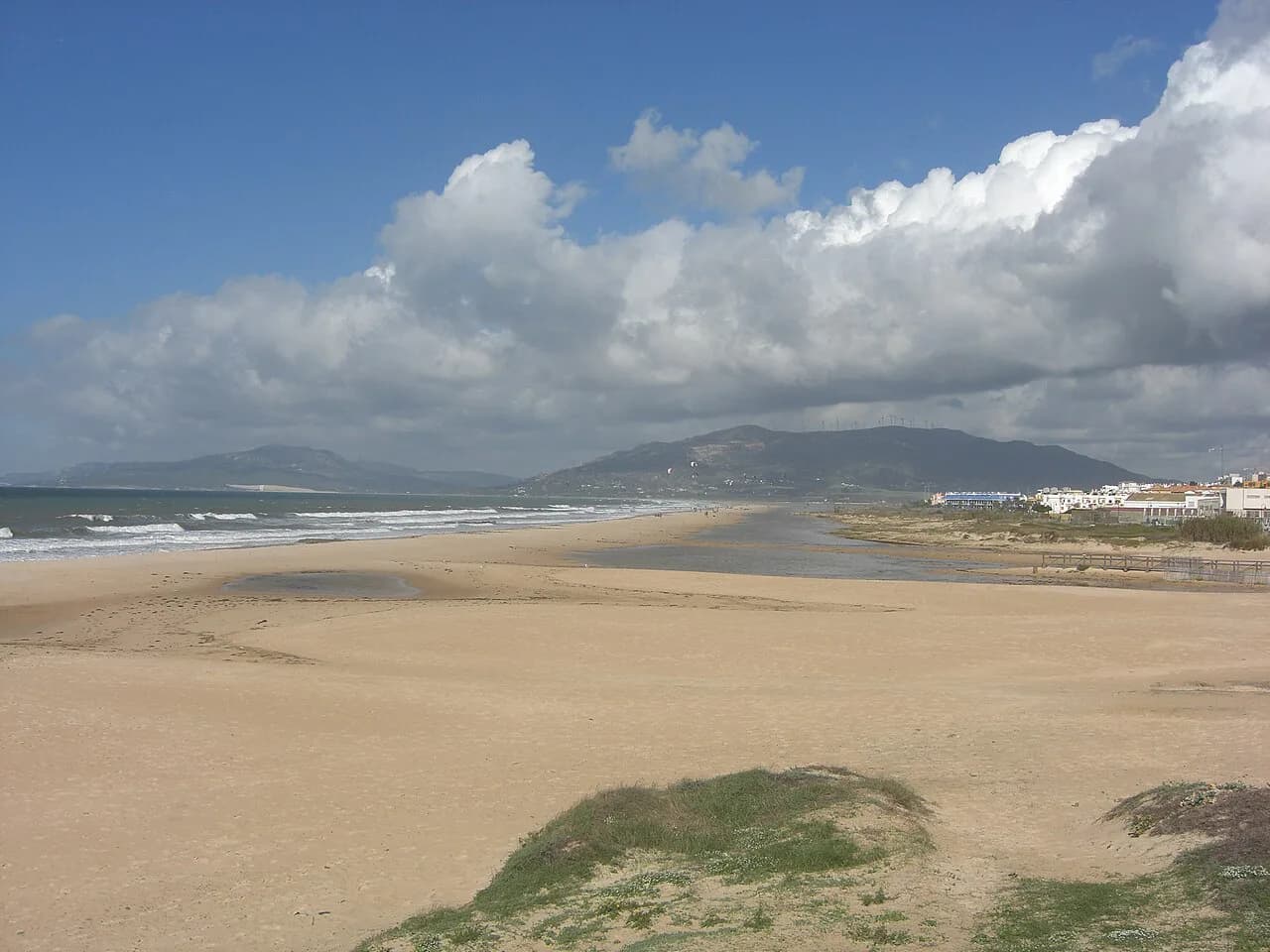
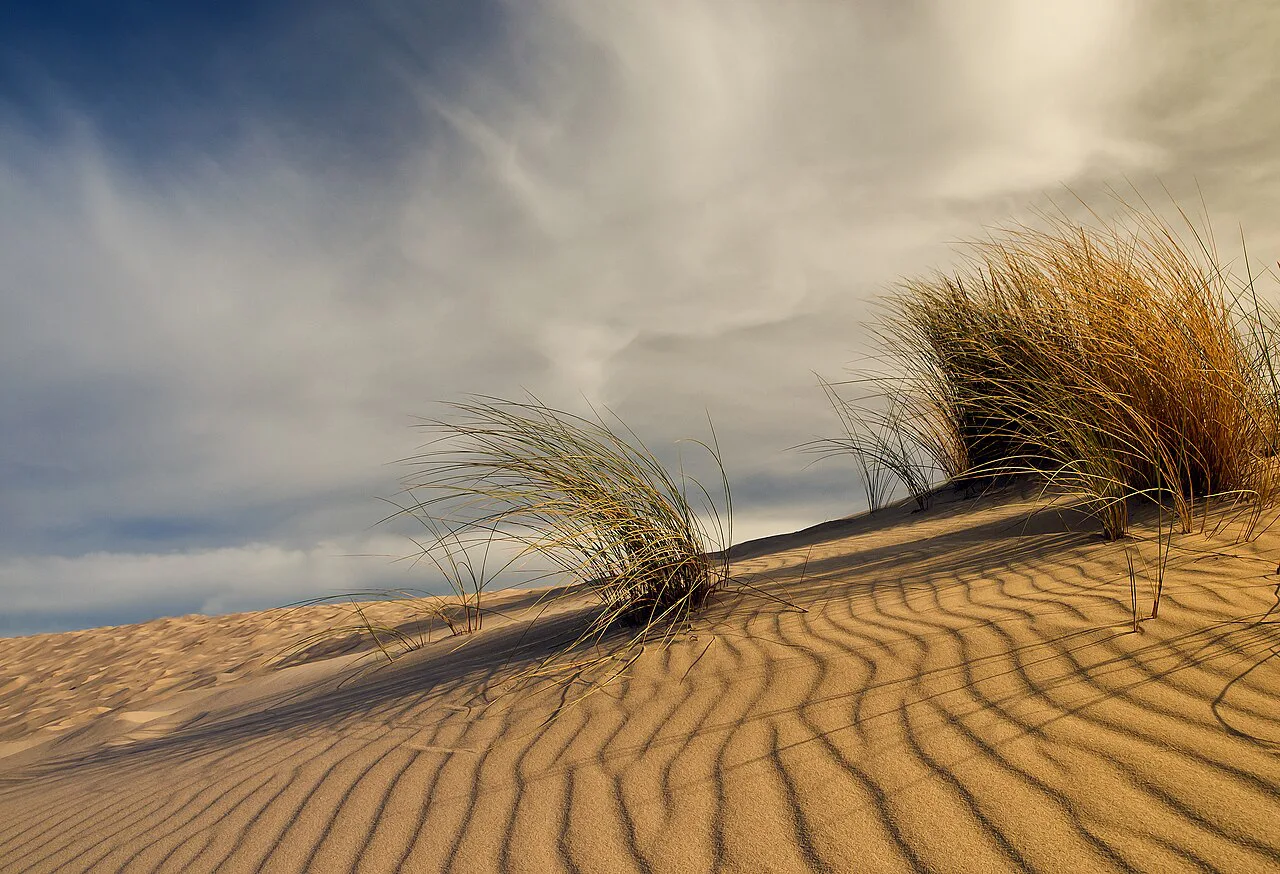
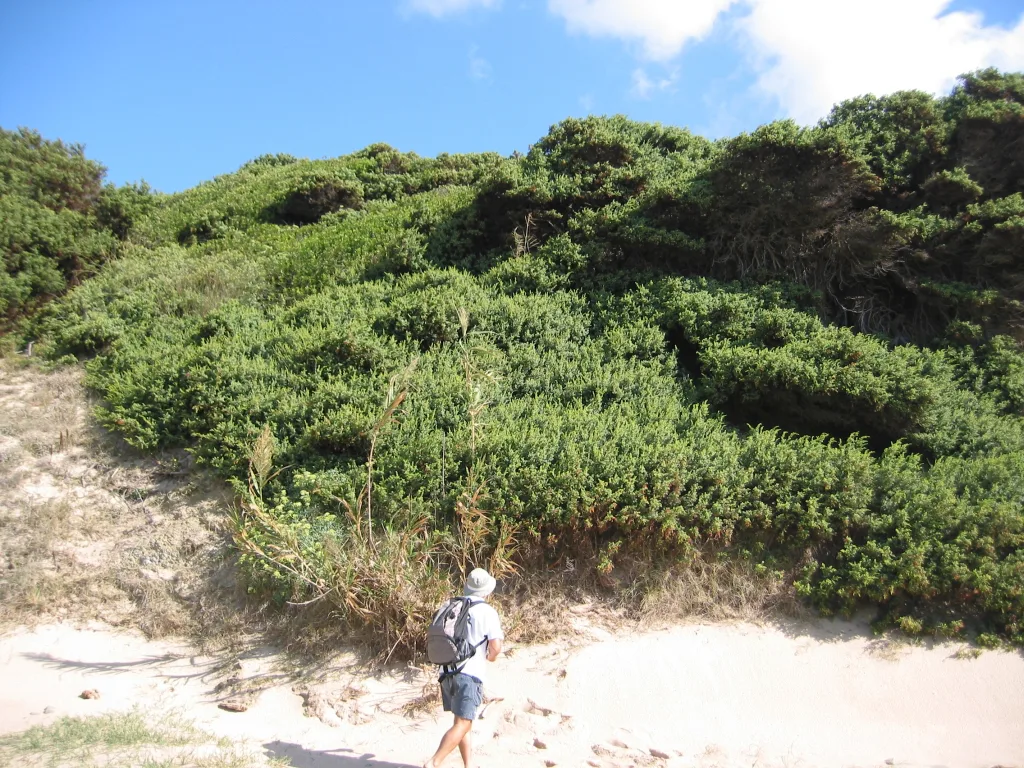
Valdevaqueros is a wide, dune-backed beach of pale sand, with plenty of room to spread out even when the main access area is busy. The dunes behind the beach are part of what makes it feel open; walking to the quieter sections usually means a few minutes of soft sand.
The water is Atlantic, with swell that varies through the day and a shelving profile that can make the first few metres feel lively. Strong swimmers and surfers tend to head for the sections with more open water, while families often stay close to the shallower edge where the wash is gentler.
Because the beach faces the open Atlantic, the sea can be cool even in summer and the waves can build quickly when the wind picks up. Watch the flags and the other bathers before you commit to a long swim, and keep an eye on children near the water's edge.
Wind and weather
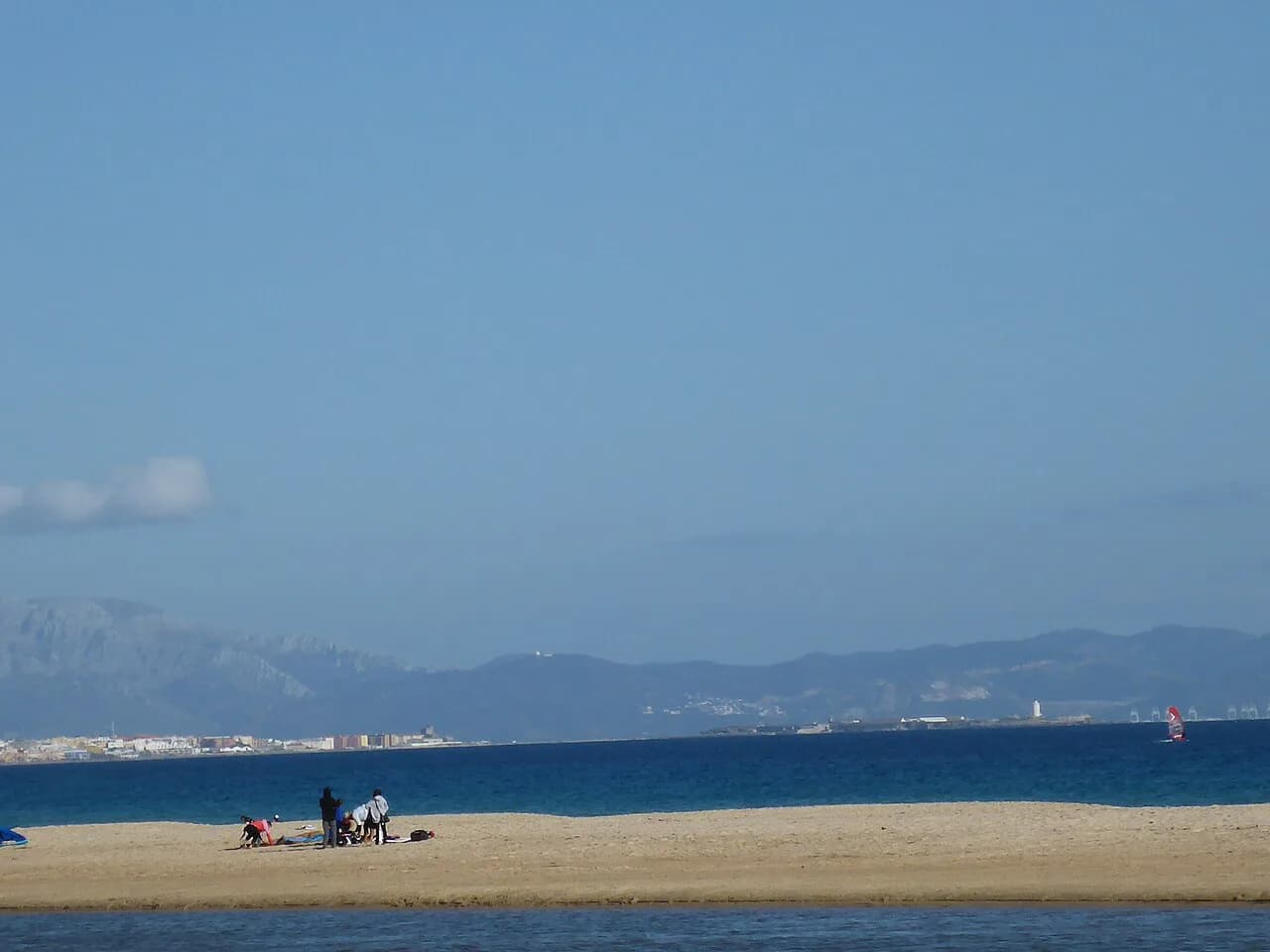
Wind is the defining feature of a day at Valdevaqueros. The Levante blows from the east, typically offshore or cross-shore here, which can make the sand feel cooler and the sea look calmer near the shore; the Poniente comes from the west, bringing more onshore breeze and often more chop.
In practice, the Levante days are the ones to choose if you want a long walk on the sand and a quieter picnic, while Poniente days suit anyone who likes watching wind sports and doesn't mind a breeze in their face. Either way, a windbreak and a layer for the afternoon are worth packing.
Who it suits
Families with small children do best at the southern end of the beach, where the sand is wide and the walk from the access points is shorter. Swimmers and surfers tend to prefer the middle and northern sections, where there is more space and the swell is less crowded.
Quiet-seekers should walk away from the main car parks; the beach is long enough that a ten-minute walk usually finds a stretch with fewer people. Walkers get the best of it at low tide, when the sand is firm and the dunes give some shelter from the wind.
Facilities
Facilities at Valdevaqueros are concentrated around the main access points, where you'll find beach bars and wind-sports schools in season. The further you walk from those access points, the fewer facilities there are, so carry water and snacks if you plan to settle at the quieter end.
The beach is backed by dunes and a road, so there is little natural shade; a parasol or beach tent is worth the extra weight. Toilets and showers, where they exist, are usually tied to the beach bars, so plan your day around those facilities instead of expecting them everywhere. Check current opening times with the beach bars before you set out, as they vary by season.
Crowds and timing
Valdevaqueros is busiest in July and August, when Spanish holidaymakers and wind-sports visitors arrive together and the car parks fill early. June and September are the sweet spot for warm water and fewer people, though the wind can still be strong.
The sea is at its most comfortable for swimming from late June to early September, when the Atlantic has had time to warm up. Outside those months, the beach is quieter and better for walking, but the water is bracing and the wind can make a picnic short.
Nearby beaches to combine with Valdevaqueros
Playa de Bolonia, Tarifa, is the obvious next stop west of Valdevaqueros, with its own dunes and a more remote feel. It makes a good contrast for a second day, especially if you want to combine beach time with a look at the Roman ruins nearby.
Closer to Tarifa town, Playa de los Lances is the long beach on the other side of the town, useful when the wind is wrong for Valdevaqueros or when you want a beach within walking distance of the centre. Both beaches share the same Atlantic swell, so check the forecast before choosing.
If you are touring the Costa de la Luz, El Palmar Beach, Cádiz, is a further drive north and a good alternative for a different day, with a reputation for surf and a more low-key village feel. Punta Paloma Beach, Tarifa, is the other local option, a small cove tucked below the dunes just east of Valdevaqueros.
Practical kit for a windy Atlantic day
Pack for wind first: a windbreak, a light jacket for the afternoon, and a bag that closes properly so sand doesn't get into everything. A parasol needs to be sturdy, and a beach tent is a better bet if you plan to stay all day.
Bring water and snacks from Tarifa, since the beach bars are clustered near the main access and may not be open outside high season. Reef-safe sunscreen, a hat and a towel that dries quickly make the day easier, and a dry bag is useful if you are swimming or trying wind sports.
For the sea, a rash vest helps on breezy days and gives children extra warmth. Check the flags and ask at the beach bars about the day's conditions if you are unsure; the local wind-sports schools are usually the best source of current information.
Sand, wind and a dog at Valdevaqueros
Valdevaqueros is listed as a beach in Tarifa, in the province of Cádiz, on the Costa de la Luz, and it appears among Tarifa's beaches on mapping and photo services as Playa Valdevaqueros. Because the sand and the water at Valdevaqueros are shaped by the same Atlantic wind that makes the beach what it is, a dog's experience there is mostly about ground conditions rather than about any formal provision for animals. The sources describe Valdevaqueros in terms of its sand, its water and its wind; nothing in them sets out a dog-specific rule, a leash requirement, a seasonal ban or a designated area for dogs, so treat the beach itself as open sand and shore rather than as a managed dog facility.
Wind is the practical issue. The beach is known for windy days, and on those days loose sand moves low across the surface, which matters more to a dog at nose height than to a standing adult. Keep a dog close on the open sand rather than letting it range far ahead, and expect it to turn its head away from the wind the way anyone else on the beach does. The Atlantic water at Valdevaqueros is cold and moving, and the wind pushes spray along the shore, so a dog that goes in comes out wet and then sandy; the sand is the part that travels home with you.
Pairing Valdevaqueros with another nearby beach makes a short outing rather than a long one, since the wind that defines the day at Valdevaqueros defines it at the neighbouring beaches too. Water for a dog is worth carrying: the sources describe a beach of sand and sea, not a beach with facilities aimed at animals, and the practical kit for a windy Atlantic day applies to a dog as much as to a person. A bowl, a towel and a secure lead cover the walk; anything beyond that is your own arrangement.
The clearest thing the sources say about Valdevaqueros is where it is and what it is made of: sand, water, wind, on the Costa de la Luz at Tarifa. Plan the dog's visit around those three facts and the day works; plan it around expectations of dog-specific infrastructure and the sources give you nothing to rely on.
Plan Your Visit
Valdevaqueros rewards a bit of planning: arrive early for parking, pick your end of the beach according to whether you want facilities or space, and treat the wind as part of the day. It is a beach for travellers who like a big horizon and don't mind a breeze, rather than a sheltered cove for a quiet paddle.
If you are staying in Tarifa, pair Valdevaqueros with Playa de los Lances for a contrasting town beach day, and save Playa de Bolonia for a longer excursion west. Check the wind forecast the night before and pack accordingly; the difference between a Levante and a Poniente day is the difference between a picnic and a sandblasting.
Frequently Asked Questions
How do I get to Valdevaqueros beach from Tarifa?
It is a short drive west of Tarifa along the coast road. Parking fills early on windy weekends, so arrive in the morning or be prepared to walk from a lay-by further along the road. Local buses run along the coast, but timetables change with the season, so ask your accommodation or the tourist office.
Is Valdevaqueros beach good for families?
Yes, especially at the southern end near the main access, where the sand is wide and the walk from the car park is shorter. The Atlantic swell can be lively, so keep small children close to the water's edge and watch the flags.
When is the best time to swim at Valdevaqueros?
The sea is most comfortable from late June to early September, when the Atlantic has warmed up. July and August are the busiest months, so June and September offer a better balance of warm water and fewer people.
What is the wind like at Valdevaqueros?
Wind is a defining feature. The Levante blows from the east and tends to make the sea calmer near the shore, while the Poniente from the west brings more onshore breeze and chop. Check the forecast before you go and pack a windbreak.
Are there facilities at Valdevaqueros beach?
Beach bars and wind-sports schools cluster around the main access points in season. The further you walk from those access points, the fewer facilities there are, so carry water and snacks if you plan to settle at the quieter end.
Which other beaches are near Valdevaqueros?
Playa de Bolonia lies further west and makes a good contrast for a second day. Closer to Tarifa town, Playa de los Lances is the long beach on the other side of town, and Punta Paloma is a small cove tucked below the dunes just east of Valdevaqueros.
Sources
Beach notes for your next trip
Optional updates when we add or revise beach guides.
You might also like
Continue reading
More guides you'll find useful