Traganou Beach, Rhodes: Pebbles, Snorkelling and Coves
Traganou beach on Rhodes is a pebbled cove south of the city, with clear water, caves to snorkel and tavernas behind the shore. Here is how to plan a day.
On this page
Traganou beach rewards travellers who prefer a stony shore and clear water to a long strip of sand. The cove sits on Rhodes' north-east coast, roughly 20 km south of the city, and its pebbles, caves and tavernas make it a strong choice for a relaxed day away from the busiest sands. It suits confident swimmers and snorkellers best.
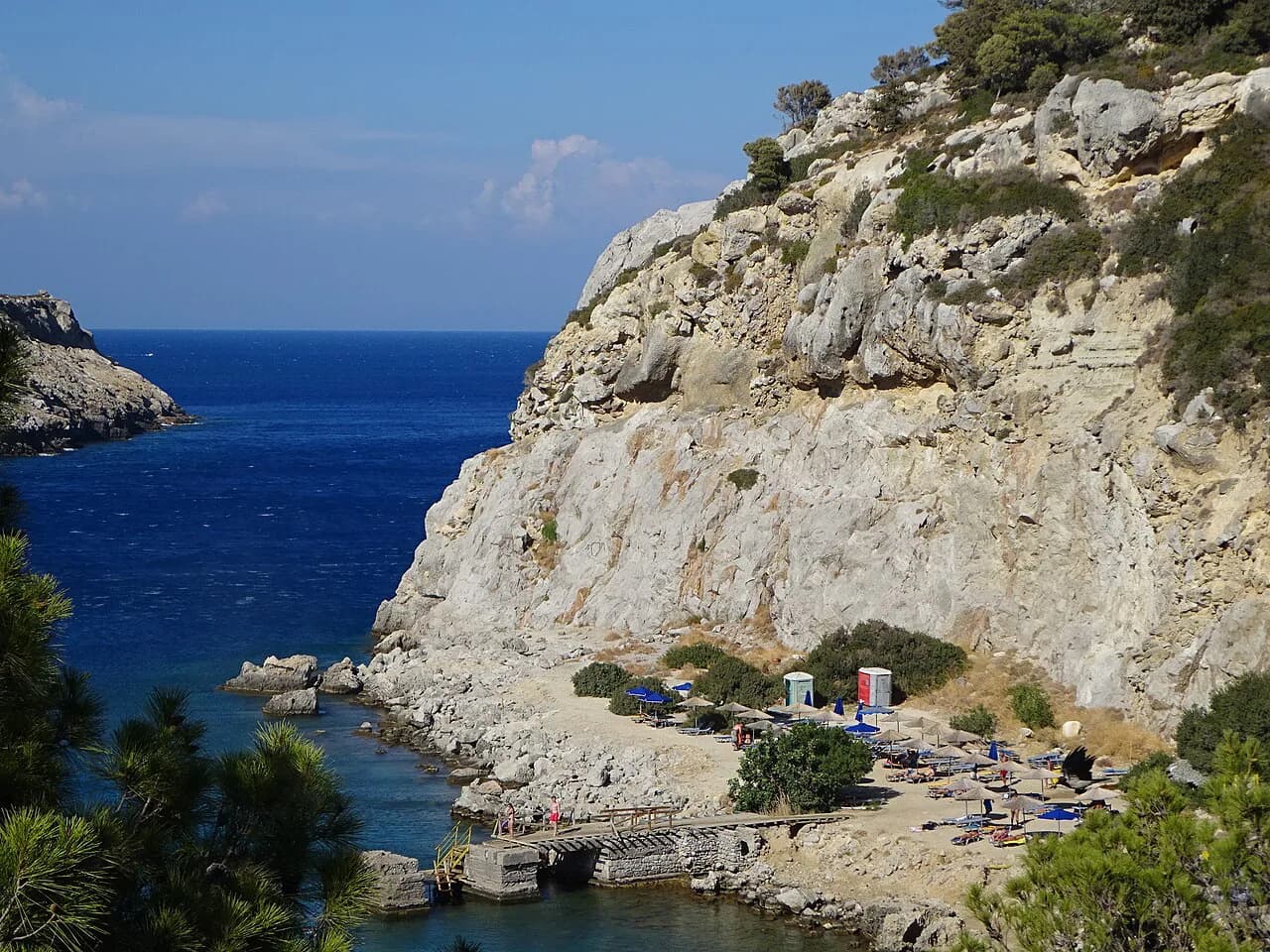
The appeal is simple: white and pink-tinged pebbles, water that deepens quickly and a natural cave on the left-hand side that offers a quieter spot to swim. Behind the beach, snack bars and tavernas serve lunch, so you can build the day around a swim and a long meal. For a wider look at the island's options, see the full guide to Rhodes beaches.
Where Traganou beach sits on Rhodes
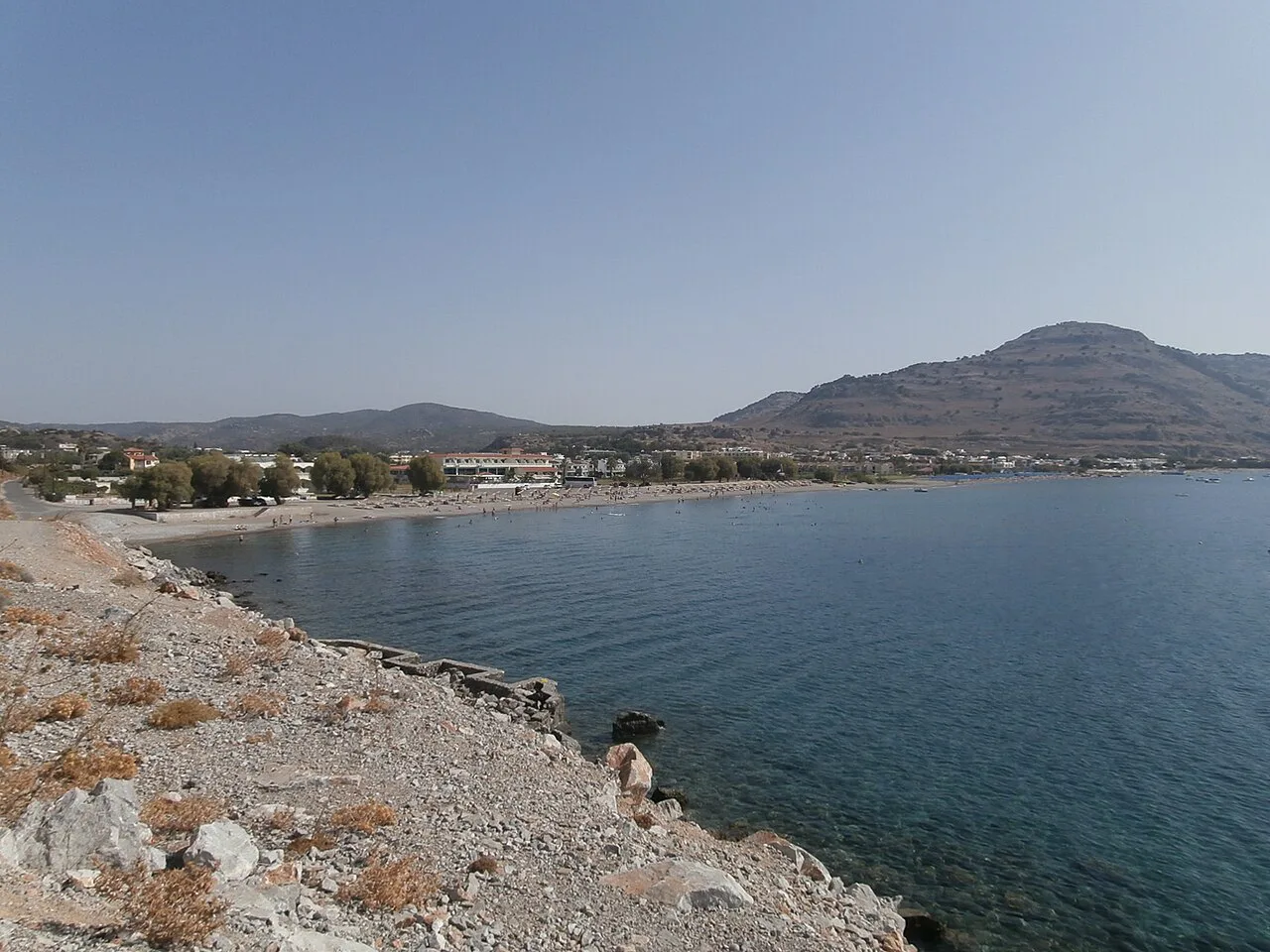
Traganou lies on Rhodes' north-east coast, about 20 km south of Rhodes Town, according to the Rodos Palladium hotel's beach guide. That puts it within easy reach of Faliraki and the island's main coastal road, making it a practical half-day trip from the capital or a full day from resorts further south. It is a cove rather than a long open strand, so the setting feels contained and the views run out to open sea.
Because it sits between Rhodes Town and the southern beaches, Traganou works well as a stop on a driving day rather than a destination you need to build a whole itinerary around. If you are based in Rhodes Town, plan it as a morning swim followed by lunch, then carry on south or turn back before the afternoon peak. The cove is compact enough that you can arrive, settle and be in the water within minutes.
Getting there
The usual approach is by road: drive south from Rhodes Town along the east coast, following signs for Faliraki and the beaches beyond. The Rodos Palladium guide places Traganou 20 km south of the city, which is a straightforward run on the coastal road. A car gives you the most flexibility, especially if you want to combine Traganou with nearby beaches on the same day.
Parking is by the beach, so you can unload towels and cool bags without a long walk. Arrive before mid-morning in high season if you want an easy spot, as the cove is small and the space fills as the day goes on. If you are relying on taxis, agree a return time with the driver, since the beach is not on a busy town street where cars pass constantly.
The pebbles and the water
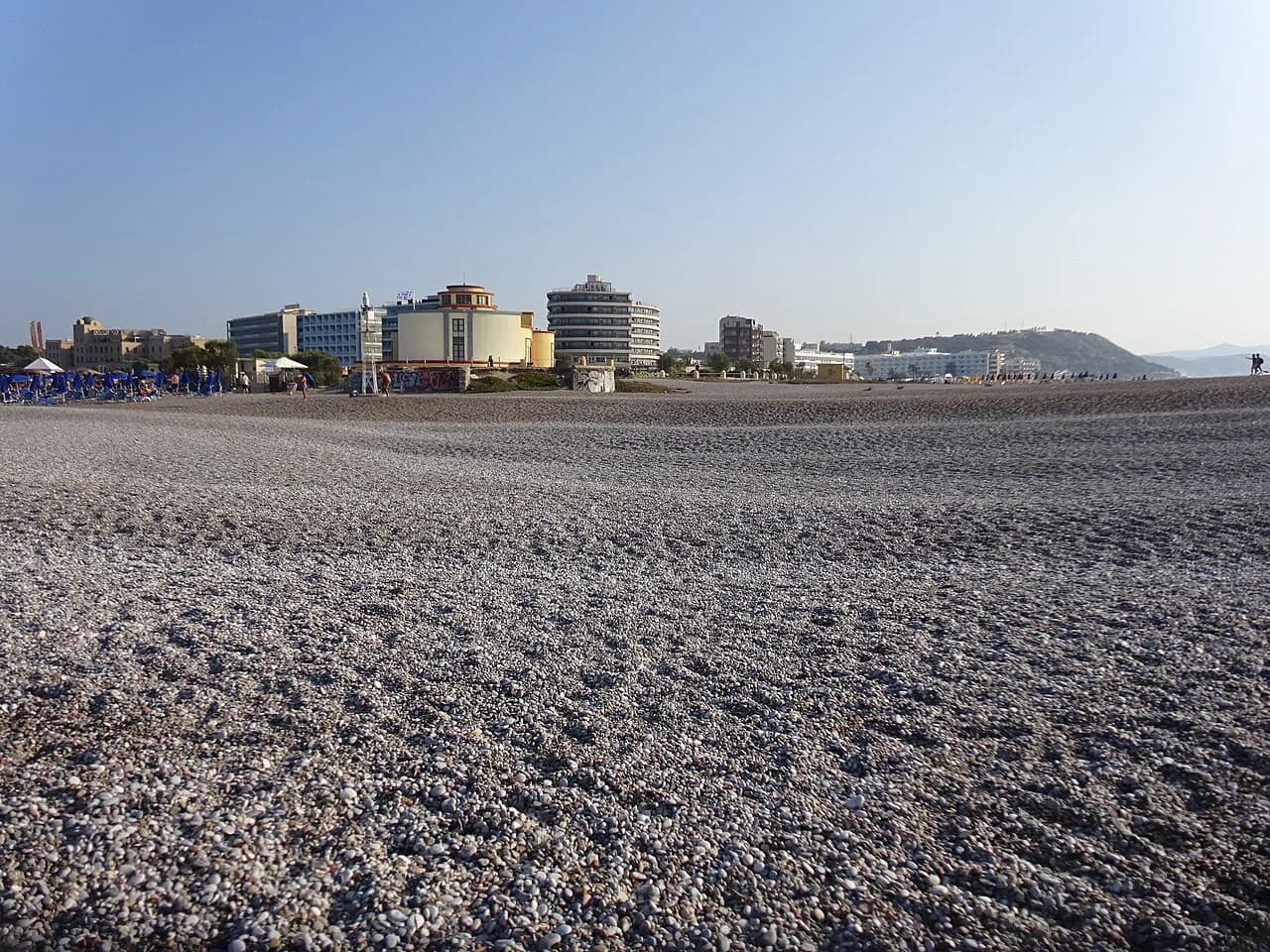
Traganou is a pebbled beach, not a sandy one. The stones are white with pinkish tints, and the water is clear enough that snorkellers can see small fish over the rocky patches. Reef shoes make a real difference here: they turn a tender-footed walk across hot stones into an easy one and give grip when you wade in.
The seabed shelves quickly, so the water gets deep close to shore. That is what makes Traganou good for swimmers and snorkellers, and it is also the reason it is less suited to families with small children. On the left-hand side, a natural cave provides a calmer place to get in and a more sheltered corner to settle for the day.
The beach faces the open sea on the north-east coast, so conditions change with the wind. On a breezy day, the cave side offers more shelter; on calm days, the whole cove is comfortable for swimming and snorkelling. Guests at the beach report snorkelling and swimming as the highlights, alongside the bar and toilet facilities.
Who it suits
Traganou is at its best for snorkellers, confident swimmers and anyone who wants a quieter day than the big resort beaches offer. The quick drop-off and rocky patches make it rewarding for mask-and-snorkel work, and the cave gives a defined target for a swim. If you are travelling with toddlers or nervous swimmers, plan for shallow-water time at one of the sandier beaches nearby instead.
Quiet-seekers should head for the cave end and use the snack bars and tavernas behind the beach as a lunch base rather than expecting a full resort set-up. The beach draws fewer people than its better-known neighbours, which is part of the appeal. Bring water, sun cream and reef shoes, and treat the pebbles as part of the experience rather than a drawback.
Sunbeds, tavernas and the bar behind the beach
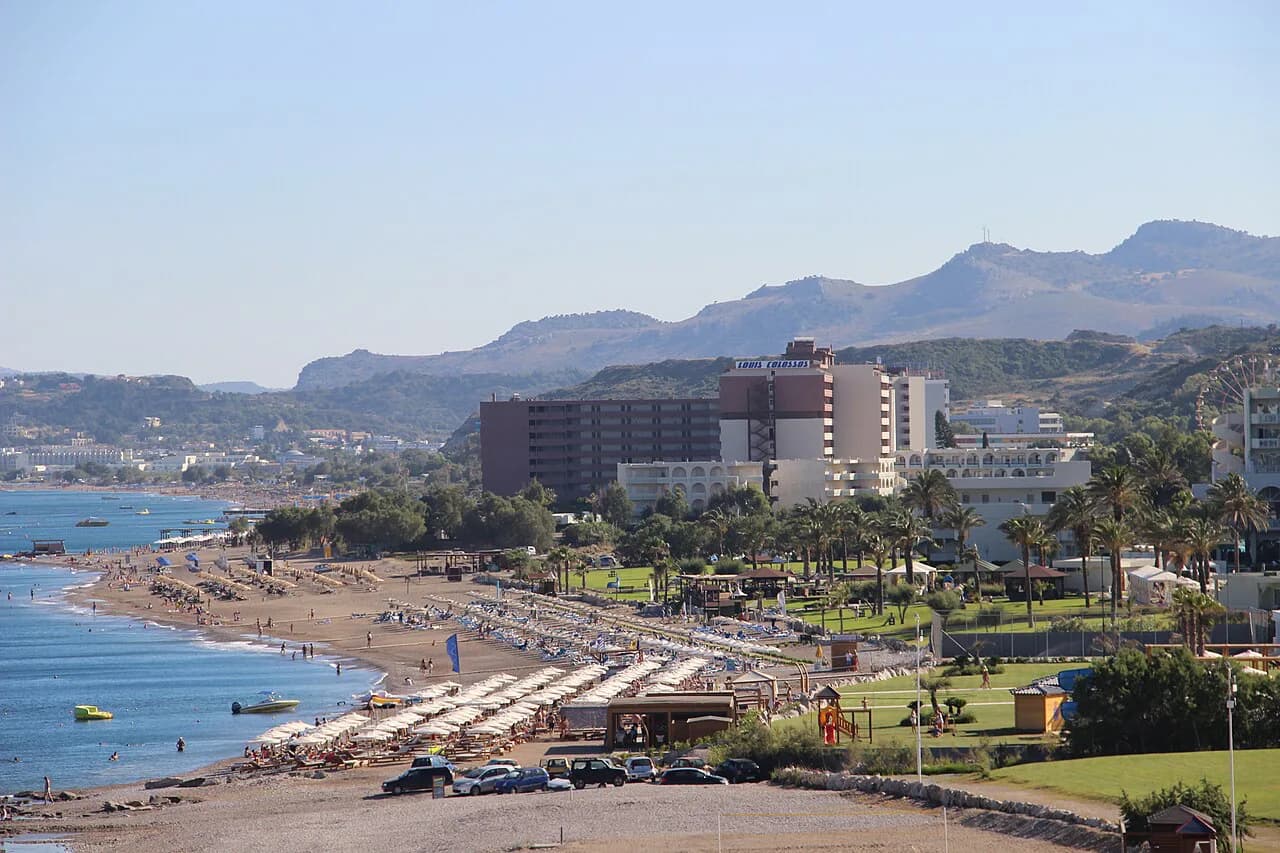
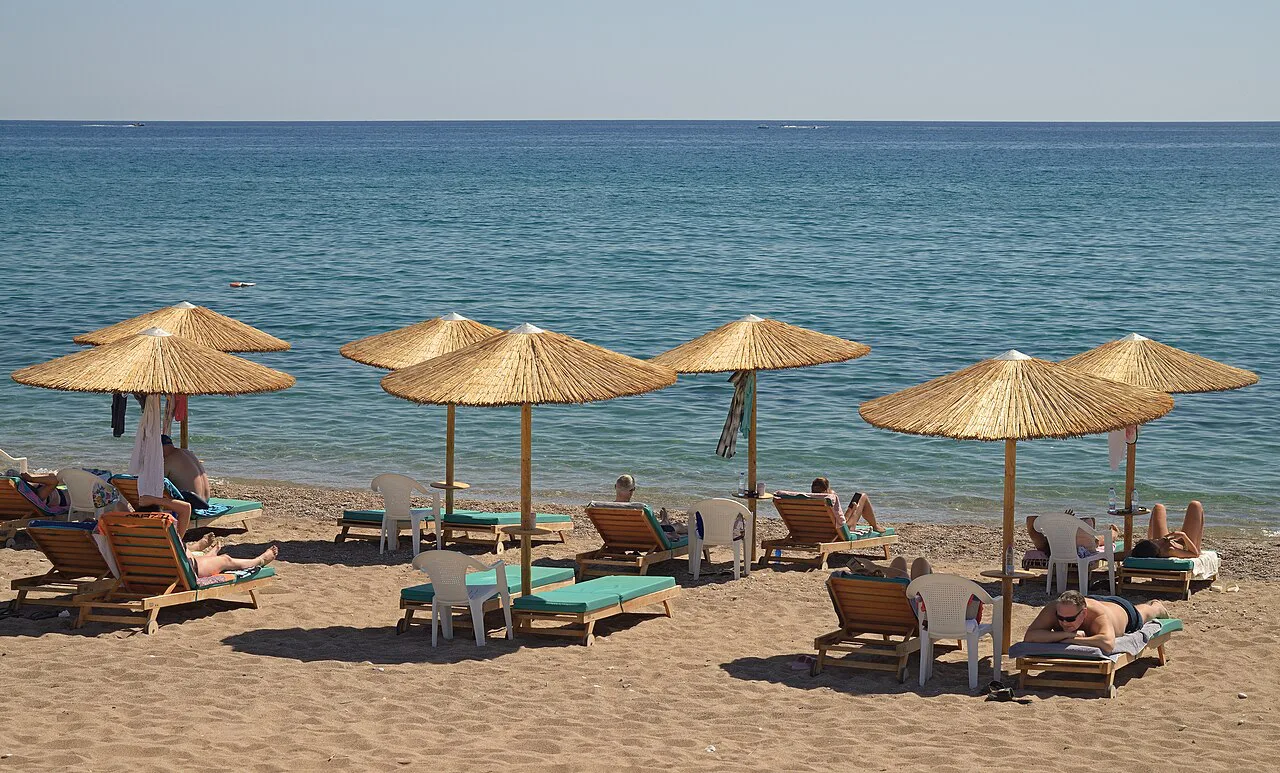
Part of the beach is organised with sunbeds and umbrellas, and part is left free for those who prefer to lay out a towel. The organised section is priced at 10 euros per day, according to the VacanzeGreche beach guide, though rates can change with the season and operator. If you want a lounger, ask at the bar when you arrive; if you would rather not pay, the free stretch gives you the same water.
Behind the beach there are snack bars and tavernas serving lunch, including fish and local dishes. That makes Traganou a good beach for a long, lazy meal after a swim, rather than a spot where you need to carry a full picnic. Toilets and a bar are available, according to beach reports, which adds to the convenience for a full day out.
How busy it gets
Traganou is generally less crowded than the nearby beaches, which is one of its main draws. The Rodos Palladium guide describes it as less busy than its neighbours, and the cove's small size keeps the atmosphere contained even when the sunbeds fill. In August, expect the organised section to fill first; the free pebbles and the cave side stay quieter for longer.
The trade-off for that quieter feel is a stonier shore and fewer of the wide, sandy spaces that families with young children prefer. If you want a broad sandy beach with a big choice of facilities, look at Tsambika beach or Anthony Quinn Bay, Rhodes instead. Traganou is the choice when you would rather have clear water and a cave than a long sand shelf.
Best time to go
The swim season on Rhodes runs from late spring to early autumn, with the warmest sea from June through September. July and August are the busiest months, so arrive early if you want a sunbed or a parking spot by the beach. May, June, September and early October give comfortable sea temperatures with fewer people on the pebbles.
Because the cove faces open water, check the wind forecast before you commit to a beach day. A calm day makes the whole bay easy for snorkelling; a breezy one is better spent at a more sheltered beach. Take reef shoes in any season, as the pebbles heat up quickly in the sun.
Nearby beaches to combine
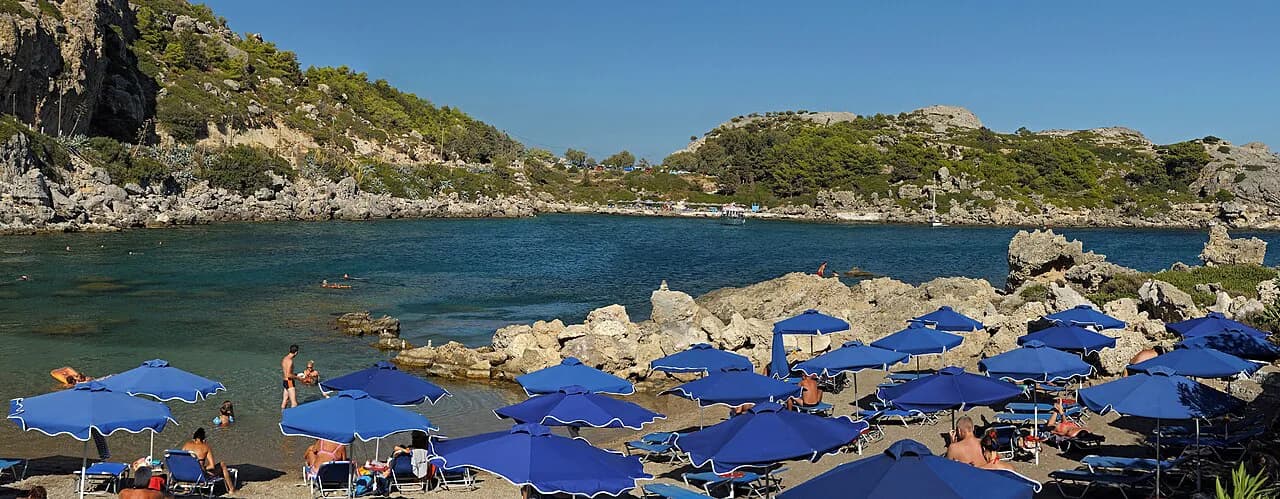
Tsambika beach, further south, offers a long sandy strand backed by tavernas and is the obvious contrast to Traganou's pebbles. Anthony Quinn Bay, a small rocky cove nearby, is another good snorkelling stop with clear water and a dramatic setting. If you are island-hopping and weighing up a similar pebble-versus-sand decision, the beaches in Naxos offer their own version of the same trade-off. Combining two or three of these on one drive makes the most of the coastal road.
For a change of scene closer to Rhodes Town, Elli Beach is the town beach with easy access and a more urban feel. Pefkos beach, further down the east coast, is a good option if you are staying south of Faliraki and want a sandy day. All of these work as half-day stops if you have a car and want variety.
Plan Your Visit
Traganou beach is the kind of cove that rewards a little planning: arrive early, park by the shore, and head for the cave side for the clearest water and the quietest corner. Bring reef shoes and snorkelling gear, and plan lunch at one of the tavernas behind the beach. It is a strong choice for swimmers and snorkellers who want a stonier, less crowded day on Rhodes.
If you are weighing up where to base yourself, use the Rhodes beaches guide to compare Traganou with the island's sandy family beaches. And if you want a second cove on the same drive, Anthony Quinn Bay is the natural pairing.
Frequently Asked Questions
Is Traganou beach sandy or pebbly?
Traganou is a pebbled beach, with white and pink-tinged stones rather than sand. Reef shoes make walking and wading much more comfortable, especially in the heat of the day.
Can you swim at Traganou beach?
Yes, swimming is the main activity here. The seabed shelves quickly, so the water gets deep close to shore, which suits confident swimmers more than small children.
Is Traganou beach good for snorkelling?
It is one of the better snorkelling beaches on this stretch of coast. The clear water, rocky patches and the natural cave on the left-hand side give snorkellers plenty to explore.
Is Traganou beach suitable for children?
It is less suited to families with small children because the water deepens quickly near the shore. Older children who swim well will enjoy the cave and the snorkelling, but toddlers are better off at a sandy beach with a gentle shelf.
How far is Traganou beach from Rhodes Town?
Traganou is about 20 km south of Rhodes Town on the north-east coast. The drive takes you past Faliraki and along the coastal road, so a car is the easiest way to get there.
Are there sunbeds and tavernas at Traganou beach?
Part of the beach has sunbeds and umbrellas for hire, and there are snack bars and tavernas behind the beach serving lunch. Toilets and a bar are also available, so you can spend a full day there without carrying everything with you.
Which beaches are near Traganou beach?
Tsambika beach, Anthony Quinn Bay and the beaches around Faliraki are all within a short drive. Elli Beach in Rhodes Town and Pefkos beach further south are good options if you want to combine a few stops on one coastal drive.
Sources
Beach notes for your next trip
Optional updates when we add or revise beach guides.
You might also like
Continue reading
More guides you'll find useful