Faliraki Beach, Rhodes: Sand, Sunbeds and Getting There
Faliraki Beach is Rhodes' long sandy resort beach, with shallow water for families, sunbeds, water sports and tavernas, plus quiet coves nearby.
On this page
Faliraki Beach is the long, sandy seafront of Rhodes' best-known resort, and its appeal is straightforward: a broad sweep of sand, shallow entry into the water and every facility you might want within a short walk. It is the easiest beach day on the island for families with small children, groups who want water sports and anyone who prefers a taverna lunch to a cool bag.
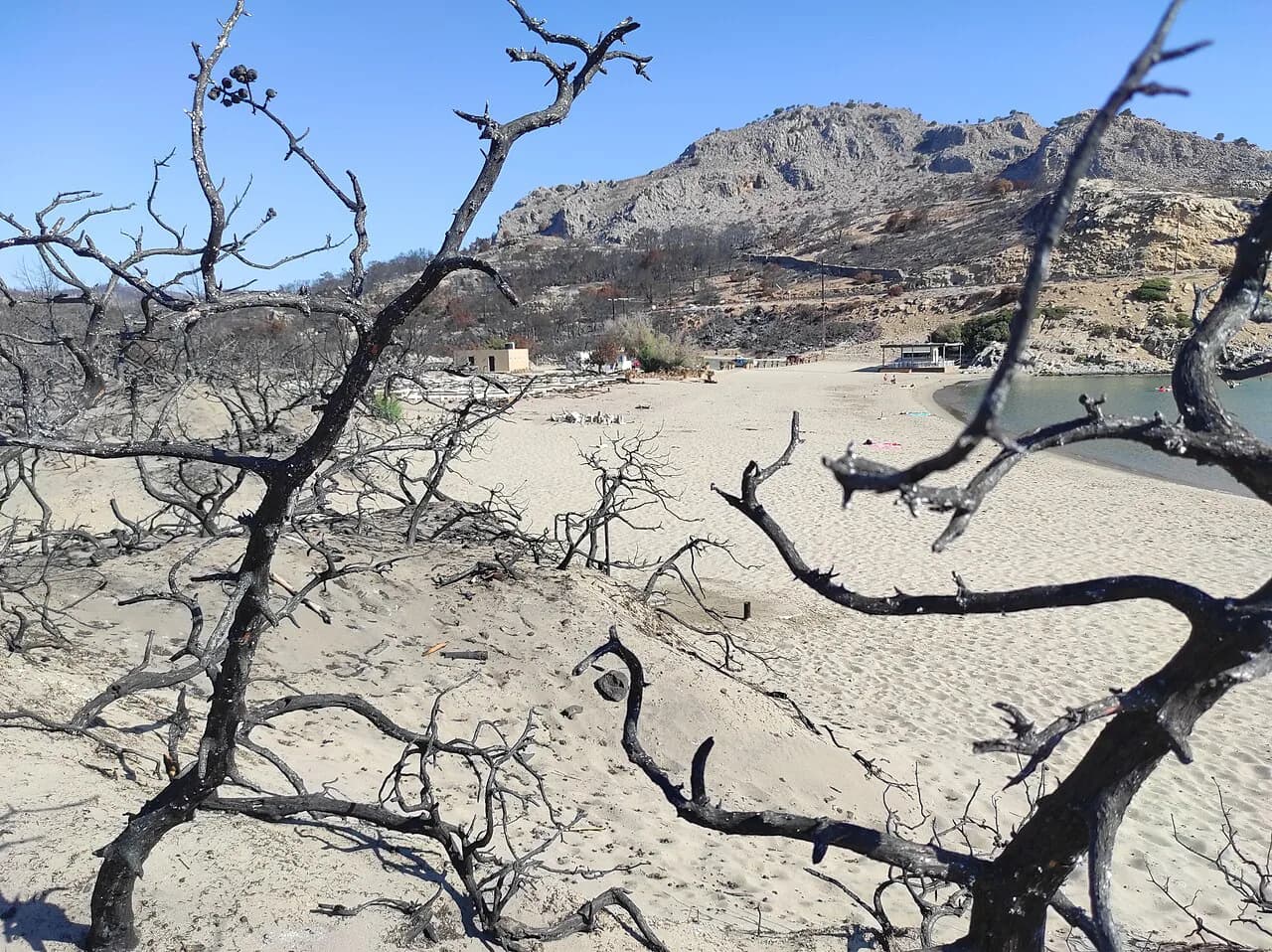
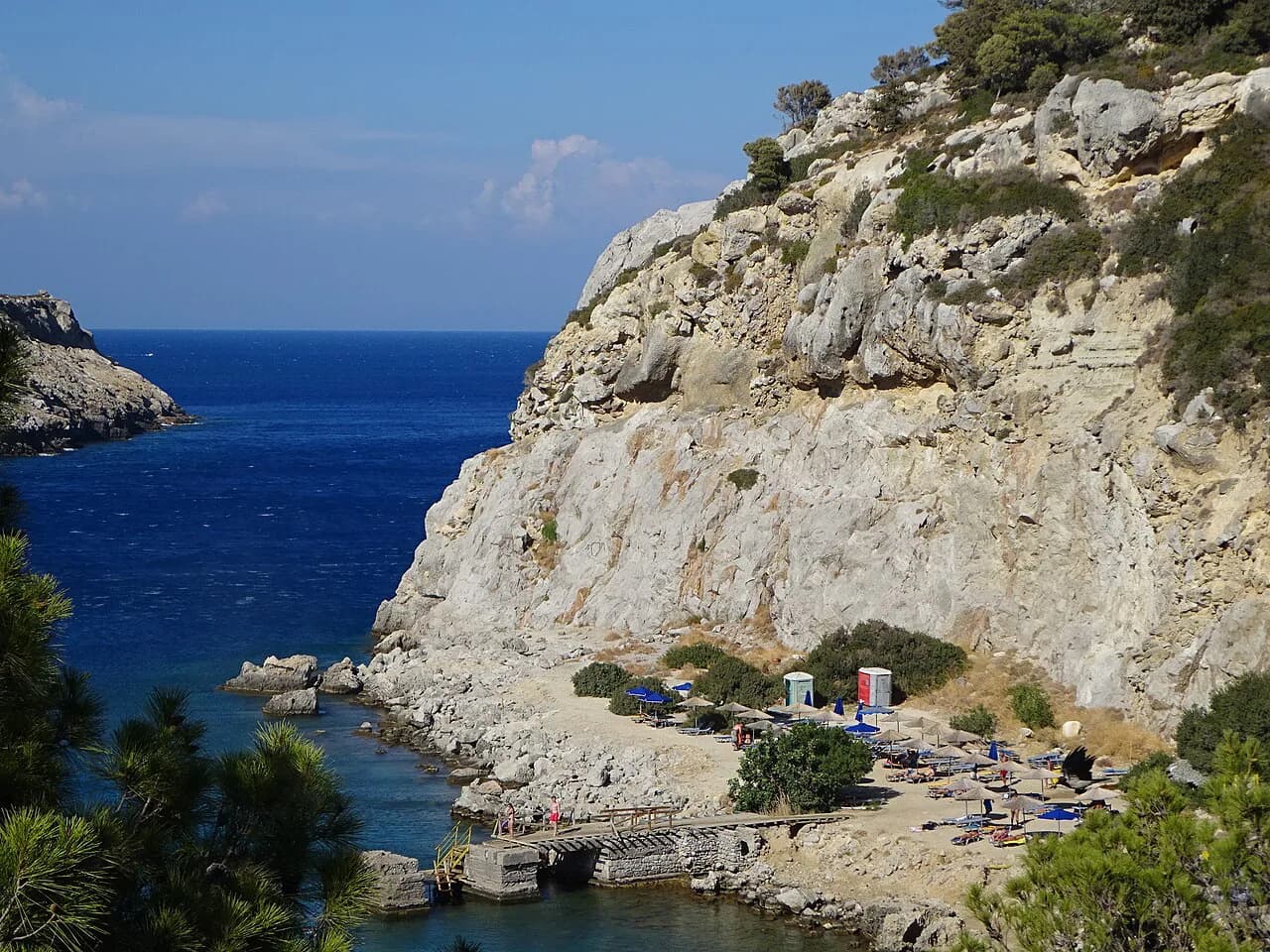
The beaches around the resort vary more than the main strip suggests. The central sand gives way to small pebble coves tucked beneath cliffs, where the water is deeper and clearer and the snorkelling is better. Pick your stretch by what you want from the day: facilities and space on Faliraki Beach itself, scenery and marine life at the bays just beyond it.
Where Faliraki Beach sits in Rhodes and who it suits
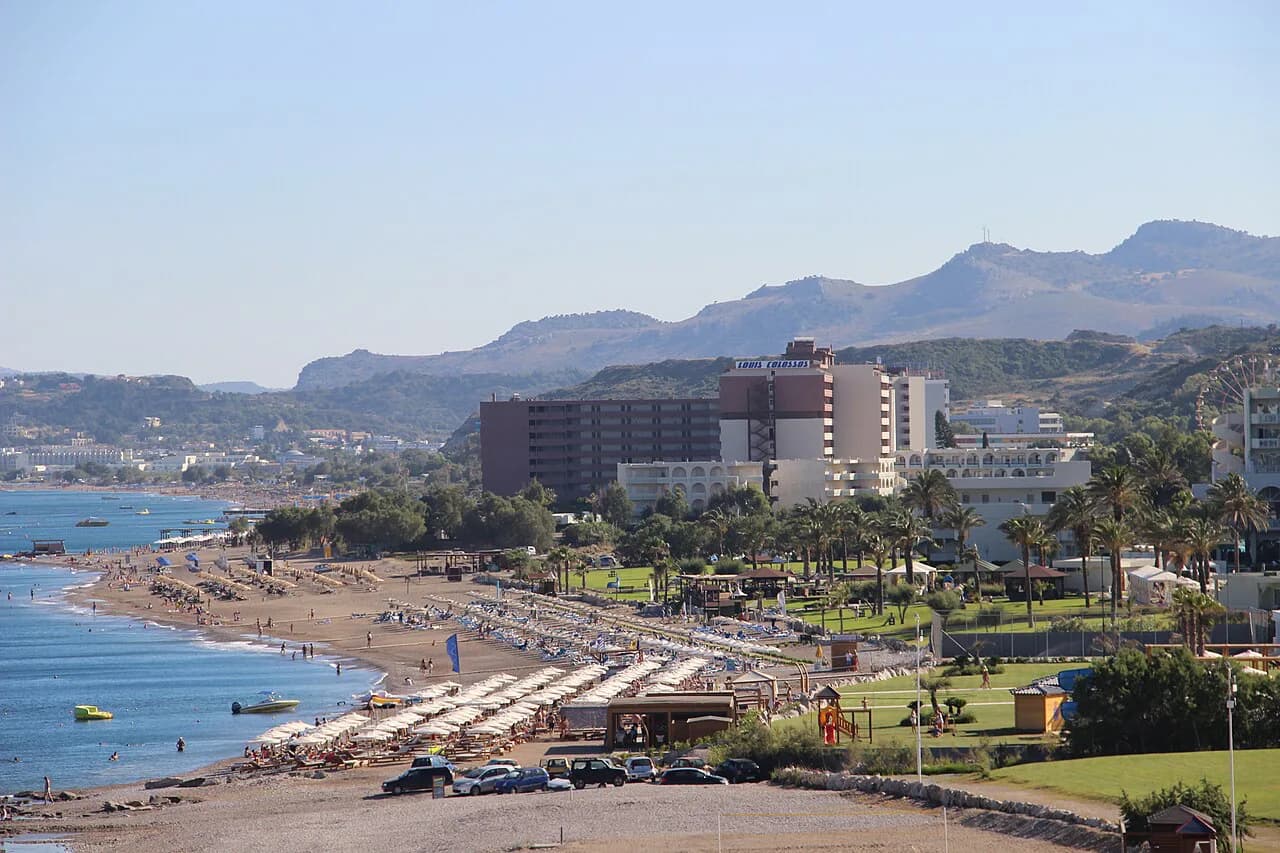
Faliraki occupies a bay on the east coast of Rhodes, south of Rhodes Town, and the beach runs along the front of the resort for several kilometres. The resort centre backs directly onto the sand, so most hotels are a short walk from the water and you rarely need a car for a beach day.
The beach is longest and sandiest in the resort centre, making it the obvious choice for families with young children, anyone with mobility needs and travellers who want sunbeds, showers and lunch without planning. Couples and quiet-seekers should look to the coves at the northern end of the resort, where the sand gives way to pebbles and the crowds thin out.
The bay is sheltered and the water is shallow close to the shore, which is what makes it so popular with families. The sea deepens gradually along the main stretch, so small children can paddle safely near the water's edge while stronger swimmers head further out.
Getting there: from Rhodes Town and around the resort
Faliraki sits on the main coastal road south of Rhodes Town, and local buses run along that road between the capital and the resort. Diagoras airport is also on this side of the island, so transfers from arrivals are short. Bus timetables and fares change with the season, so check the current schedule with your accommodation before you set out.
Within the resort, everything on the beach is walkable. If you are staying in the centre, you can step out of your hotel and be on the sand in minutes; if you are further along the bay, a short walk along the seafront takes you to the busier, better-equipped stretch.
Drivers will find parking near the beach in the resort centre, but spaces fill quickly in high summer. The simplest approach is to park once for the day and walk, rather than moving the car between beaches.
The sand and the water: length, depth and swimming
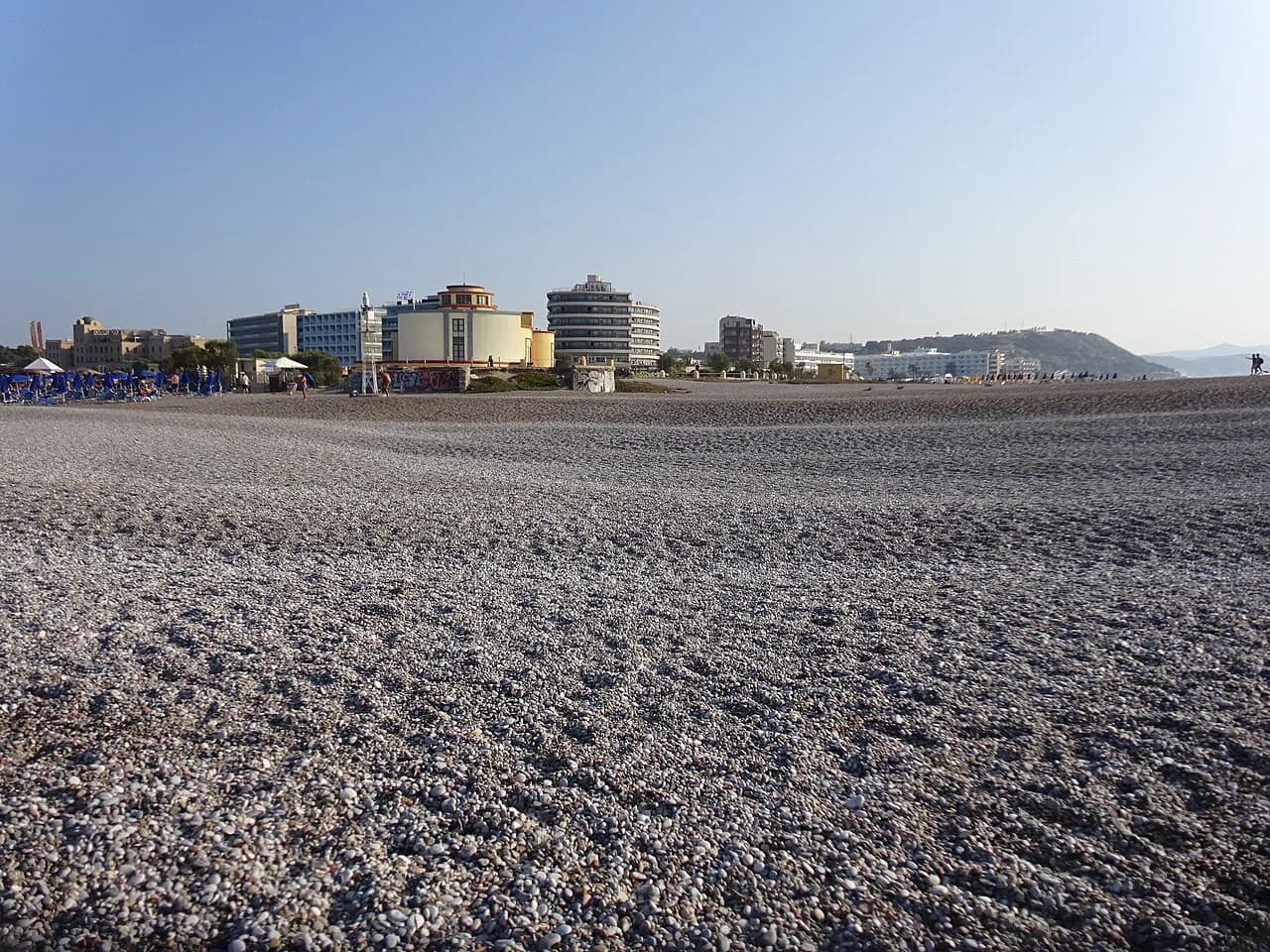
Faliraki Beach is a long stretch of golden sand with a scatter of pebbles, running for over four kilometres along the coast. That length is the point: even in August there is room to spread out, and a short walk away from the main access points usually finds quieter sand.
The sea here is calm, shallow and warm, and the gentle gradient makes it one of the easier beaches on Rhodes for nervous swimmers and children. The sand is firm enough to walk on comfortably, though the pebbly patches further along the bay are worth sandals.
Swimmers who want deeper water and better visibility should head for the small bays just north of the resort, where pebbles and rock replace sand and the water clears over a rocky seabed. Bring reef shoes and a mask if snorkelling is the plan.
Shelter, wind and the busiest stretches
The bay faces east, so the beach catches the morning sun and is sheltered from the prevailing northerly winds by the headlands at either end. In meltemi conditions the central stretch stays comfortable while more exposed beaches elsewhere on the island turn choppy. If wind shelter is your priority, compare how the meltemi shapes the best beaches in Chania before choosing a base.
The busiest sand is in the resort centre, where the sunbeds, water sports and tavernas cluster. Walk ten minutes north or south along the shore and the density drops noticeably, though you also lose the immediate access to facilities.
For a quieter day, the coves at the northern end of the resort suit couples and anyone who prefers pebbles and clear water to a full lido setup. The trade-off is fewer facilities, so bring water and snacks.
Facilities: sunbeds, water sports, tavernas and showers
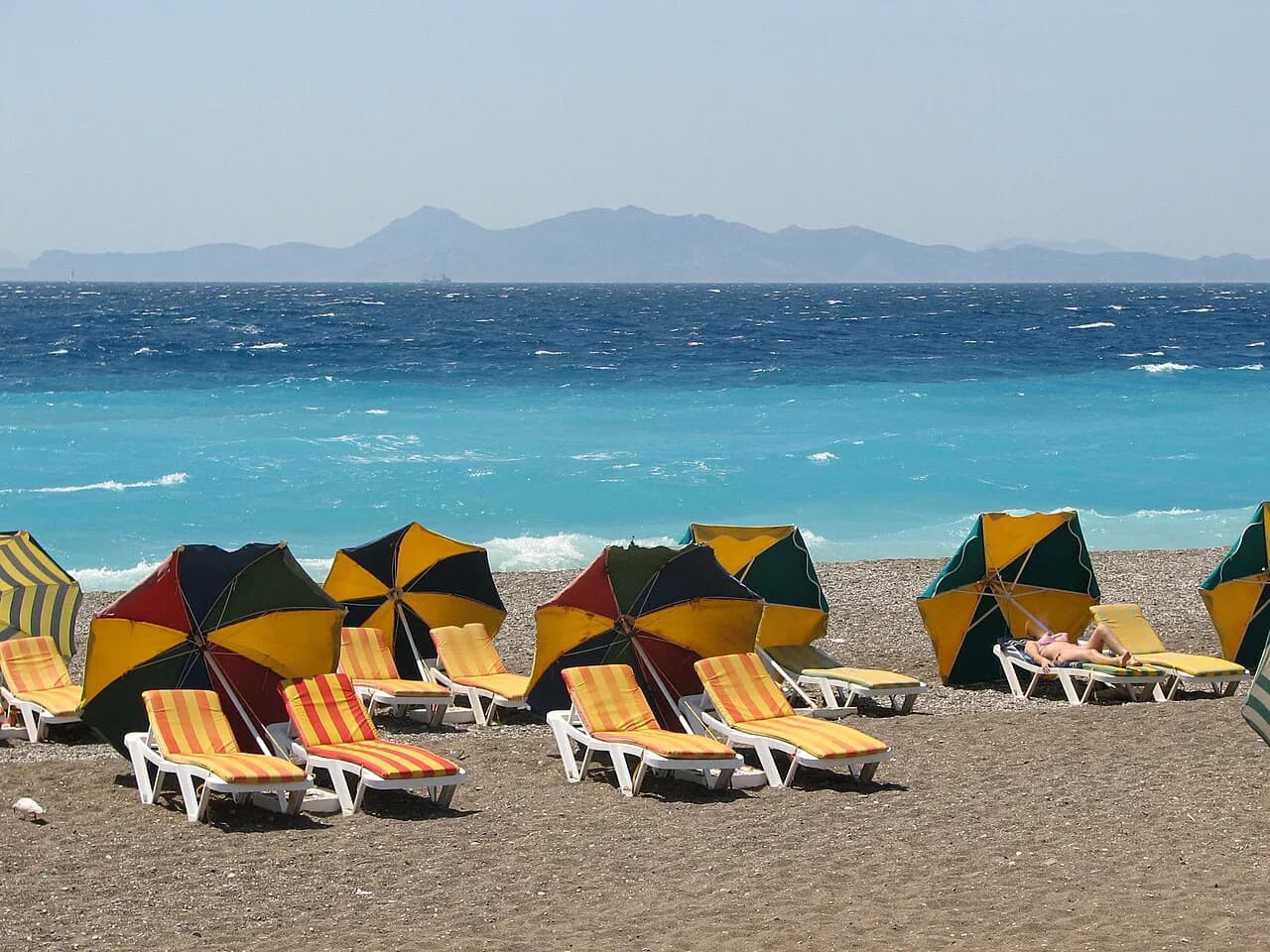
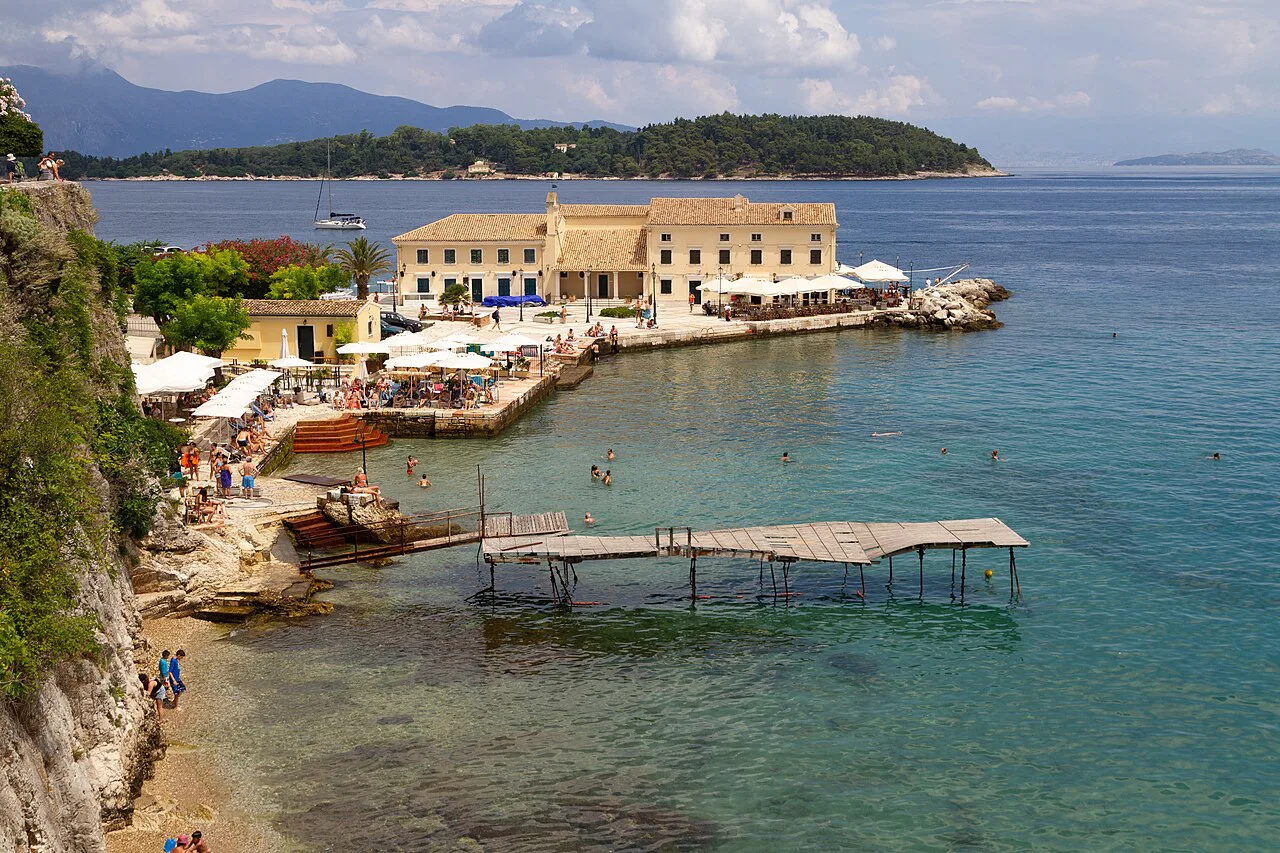
The main beach is fully equipped for a resort day: sun loungers and parasols for hire along the front, changing rooms and a range of beach and water activities. A water sports centre operates on the sand, and traditional tavernas and restaurants sit a few steps behind the beach for lunch.
Sunbed hire, showers and taverna prices are set by the individual lido and taverna owners along the beach, so ask at the lido you choose rather than assuming a rate. Booking a set of beds for the day is the simplest way to guarantee shade in peak season.
For a self-catering day, supermarket supplies in the resort centre are easy to pick up on the walk to the beach. On the quieter pebble beaches north of the resort, bring everything you need: cafés are not part of the setup there.
Best time to go: sea temperatures and peak months
The swimming season on this stretch of Rhodes runs from late spring into autumn, with the sea at its warmest from June through September and pleasant well into October. July and August are the hottest and busiest months, when the resort fills and the sunbeds closest to the main access points go first.
If you want warm water without the peak crowds, aim for late June or early September. The sea stays comfortable, the beach is noticeably quieter and tavernas are easier to walk into at lunchtime.
Early in the season the water takes longer to warm up, so pack a rash vest for children and plan shorter swims. Late in the season the light softens and the beach is at its most photogenic, but the days are shorter, so start earlier.
Nearby beaches to combine: Ladiko, Anthony Quinn Bay, Traganou and Kathara
Anthony Quinn Bay, just north of Faliraki, is the standout for snorkelling: a small pebble bay with unusual rock formations and clear water with plenty of marine life. It takes its name from the actor who filmed there, and it stays largely unspoilt despite its popularity.
Ladiko Beach sits just beyond Anthony Quinn Bay and was once a trading centre for olive oil exports, which gave the bay its name. It has deeper water than the main Faliraki stretch and a scuba diving centre, and boat trips stop here for passengers to swim.
Traganou Beach, a little further out of the resort, is a small pebble beach known for the caves that open along the shoreline. Some caves can be reached by paddling from the sand, others need a short swim; there are no cafés or restaurants on the beach itself, so bring food and water.
Kathara Beach, near Faliraki old town, is a quieter stretch of fine golden sand that suits families: the sea is warm and shallow, there is plenty of room for sandcastles, and sunbeds and parasols are available alongside snack and drink stalls.
If you want a completely different beach day, Pefkos beach and Tsambika beach both reward a longer excursion, with Tsambika's long sand and Pefkos' family-friendly setup offering alternatives to the resort strip.
Practical beach-day planning and what to bring
Pack for two kinds of beach. On the main sand, a towel, swimwear and sunscreen are enough because everything else is on hand. For the northern coves, add reef shoes for the pebbles, a mask for snorkelling, and water and snacks since facilities thin out.
Plan your day around the sun: shade on the main beach comes from hired parasols, so either book a set of beds or bring your own umbrella. The caves at Traganou provide natural shade, which makes them a good midday option on a hot day.
Getting between the beaches is easiest by car or taxi, with the coves north of the resort strung along the same coastal road. Allow a full morning or afternoon for each bay rather than trying to tick off all of them in one day.
Faliraki Beach with a dog: what to know before you go
Faliraki Beach is a three-mile stretch of golden sands with well-maintained amenities, and it is also part of a coastline that has several award-winning beaches. If you are visiting Rhodes with a dog, you should know that Faliraki Beach is not a designated dog-friendly beach, and dogs are not allowed on the main beach during the peak season. The beach is equipped with facilities such as changing rooms and showers, and during the summer months it can get very busy, so it is not the best choice for a day out with your dog.
A better option for dog owners is to head to one of the nearby beaches that are more secluded. For example, Ladiko, Anthony Quinn Bay, Traganou and Kathara are all within easy reach of Faliraki, and some of these may be more suitable for dogs. However, always check local signage and respect any restrictions, as rules can vary from beach to beach. It is also worth noting that the main beach has water sports and tavernas, which can be overwhelming for dogs, so choose a quieter spot if you want to avoid the crowds.
When planning your visit, keep in mind that the beach is long and has different sections; some parts are busier than others. The area around the resort of Faliraki has several award-winning beaches renowned for their breathtaking beauty, and these beaches typically feature a mix of sand and pebbles. If you do bring your dog, avoid the central stretch where the sunbeds and water sports are concentrated, and instead opt for the ends of the beach where there are fewer people. Also, keep your dog under control at all times.
Plan Your Visit
Faliraki Beach delivers the classic Rhodes resort day: long golden sand, shallow warm water, sunbeds and tavernas within a few steps. It is the right choice for families, groups and anyone who wants a beach day without logistics.
For something quieter, combine a morning at Anthony Quinn Bay or Traganou with an afternoon on the main sand, so you get the snorkelling and caves without giving up the facilities. Check bus times with the local operator and ask your lido about sunbed rates before you commit.
Frequently Asked Questions
Is Faliraki Beach sandy?
The main beach is a long stretch of golden sand with some pebbles scattered along it. The coves at the northern end of the resort are more pebbly, so bring sandals if you plan to explore them.
Is Faliraki Beach good for families?
Yes. The sea is shallow and warm close to the shore along the main stretch, and sunbeds, parasols, tavernas and water sports are all close by. Kathara Beach, near the old town, is a quieter sandy option for young children.
Which nearby beach is best for snorkelling?
Anthony Quinn Bay, just north of Faliraki, has clear water and plenty of marine life over its rocky seabed. Ladiko Beach next door is also popular for diving, with a scuba centre on site.
Can you reach Faliraki Beach without a car?
Yes. The beach runs along the front of the resort, so most hotels are a short walk from the sand. Local buses connect the resort with Rhodes Town along the coastal road; check the current timetable.
When is the best time to swim at Faliraki Beach?
The sea is at its warmest from June through September and stays pleasant into October. Late June and early September combine warm water with noticeably fewer crowds than the peak of August.
What should I bring to the pebble coves near Faliraki?
Reef shoes for the pebbles, a mask for snorkelling, and your own food and drink. Traganou Beach has no cafés or restaurants on the sand, so a cool bag makes the day much easier.
Sources
Beach notes for your next trip
Optional updates when we add or revise beach guides.
You might also like
Continue reading
More guides you'll find useful