Sa Calobra Beach, Sóller: Swim, Access & Facilities Guide
Plan a day at Sa Calobra beach in Mallorca: the two coves, the drive down the Ma-2141, the rock tunnels, where to swim and when to go.
On this page
Sa Calobra is the beach you get for committing to the road: a pebble cove squeezed between limestone walls where the Torrent de Pareis gorge empties into the Mediterranean. The setting draws scenery-seekers, confident drivers and swimmers who value clear water over soft sand, and it rewards anyone willing to make a full day of the journey.
It sits in the municipality of Escorca, in the Serra de Tramuntana, and most English-speaking visitors approach it from Sóller or Palma. You have two ways in, each with a real trade-off: the famous hairpin road, or a boat that skips the car park entirely.
What makes Sa Calobra worth the trip
The draw is the geology: a gorge cut through limestone with vertical walls reaching up to about 200 metres in places, protected as a natural monument and part of the UNESCO-listed Serra de Tramuntana. The sea, the rock and the torrent meet in one small bay, which is why the place feels more dramatic than a standard Mallorcan cove.
Come for the landscape and a swim, not for a resort day. There is no long promenade, no sprawl of hotels and no sandcastle-friendly shelf of soft sand; what you get instead is a compact pebble beach with cliffs rising behind it and restaurants clustered by the water.
It suits swimmers and photographers best, and families with older children who can handle slippery rock and a walk through tunnels. Travellers wanting an easy, sandy, full-facility beach day are better served by the calas closer to Sóller, such as those covered in the Soller beaches guide.
The two coves: pier cove and Torrent cove
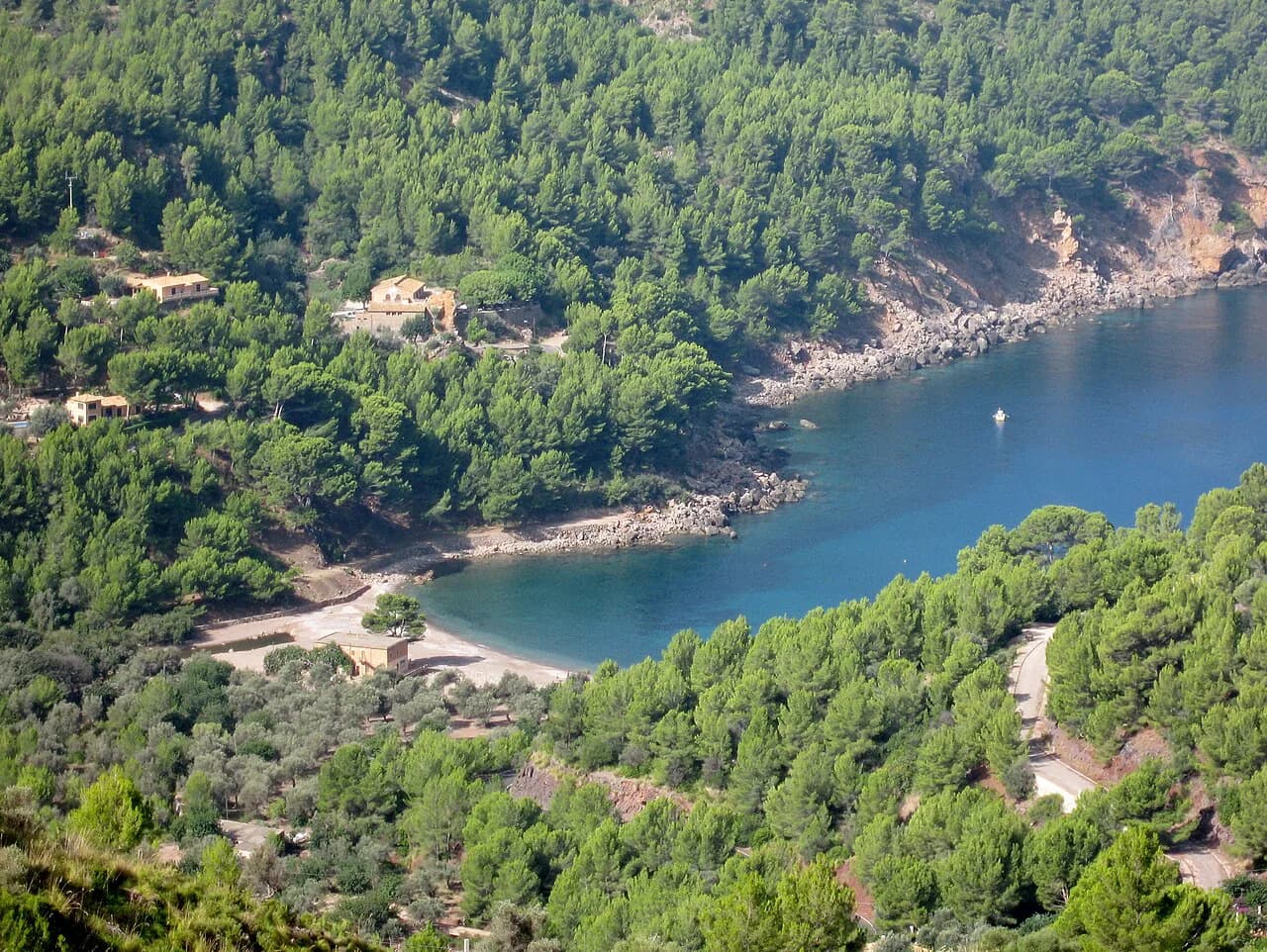
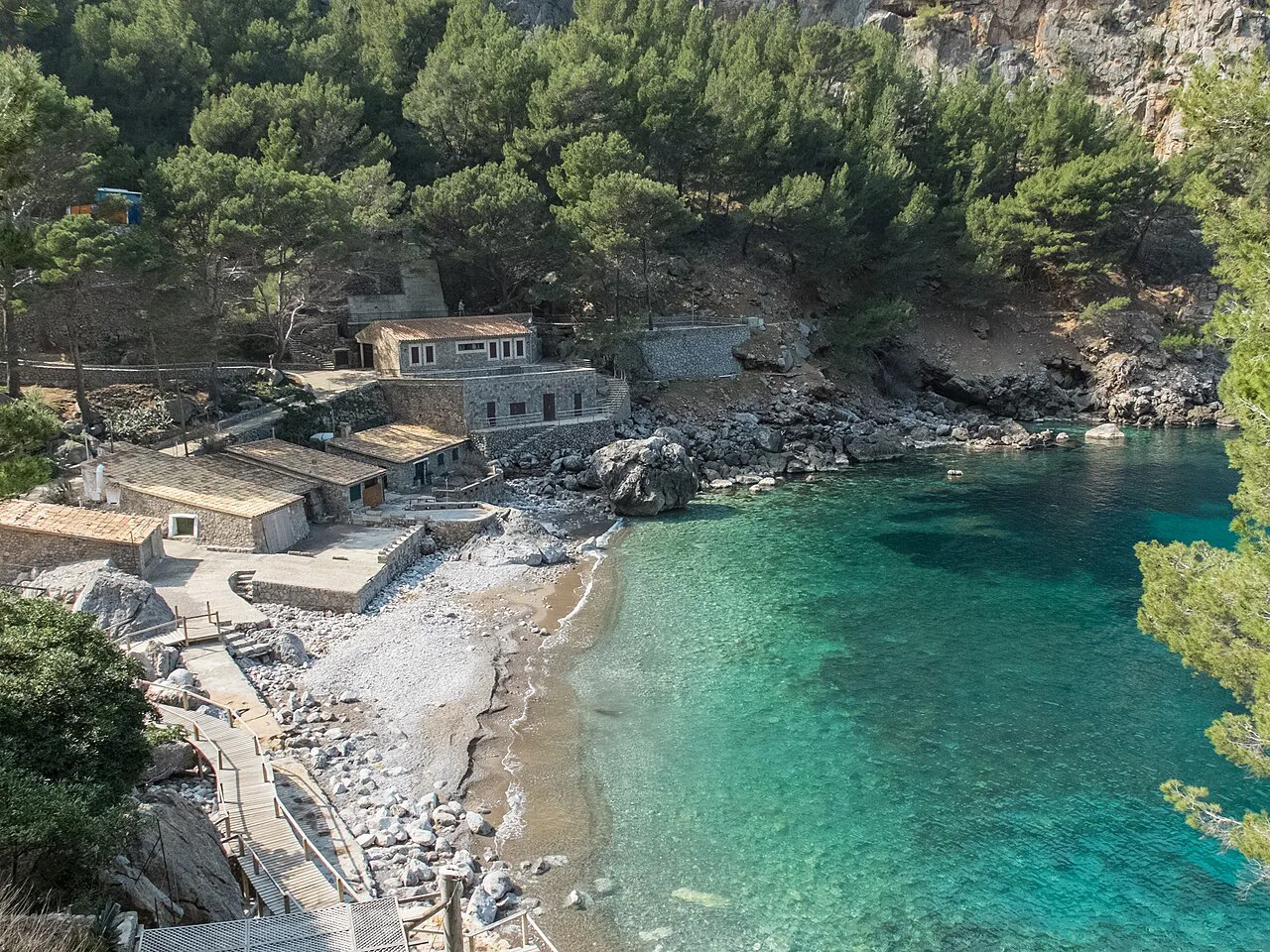
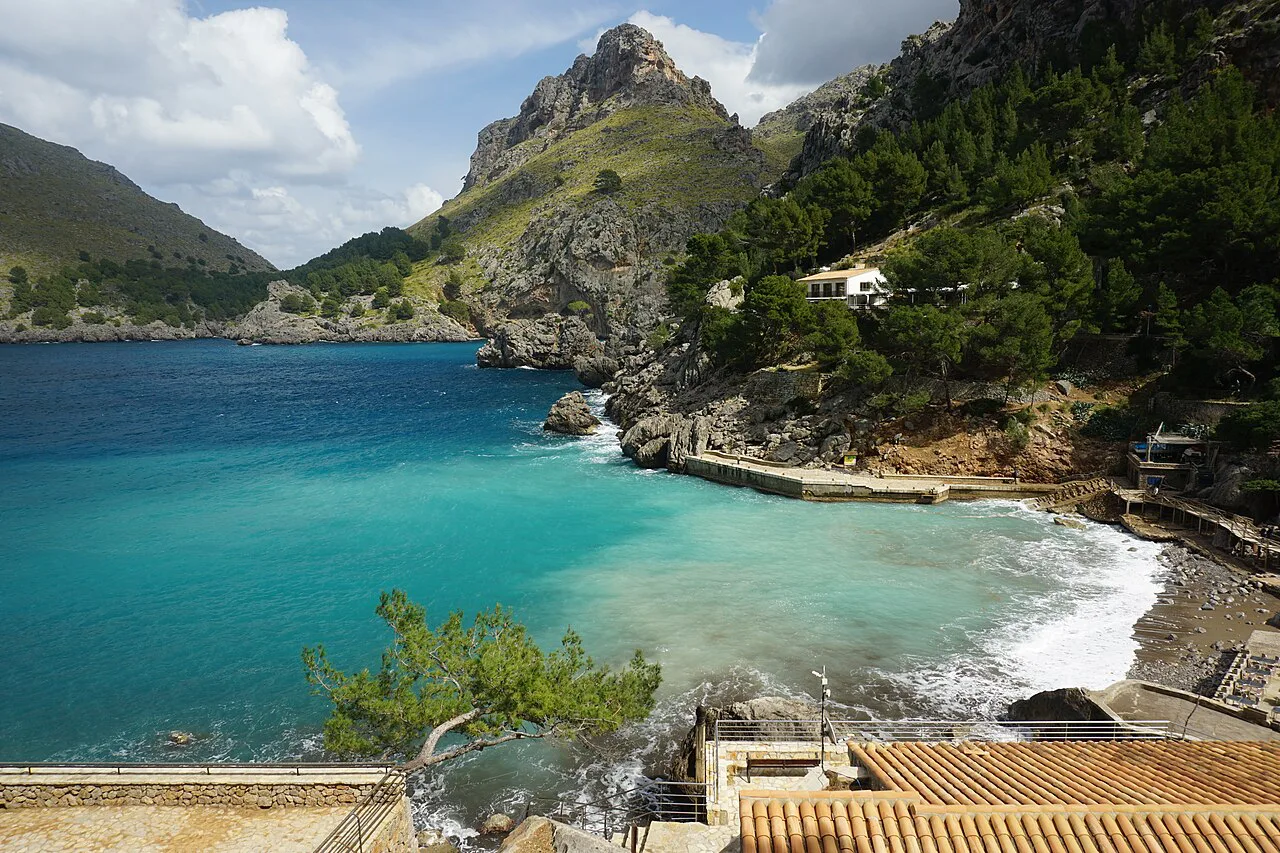
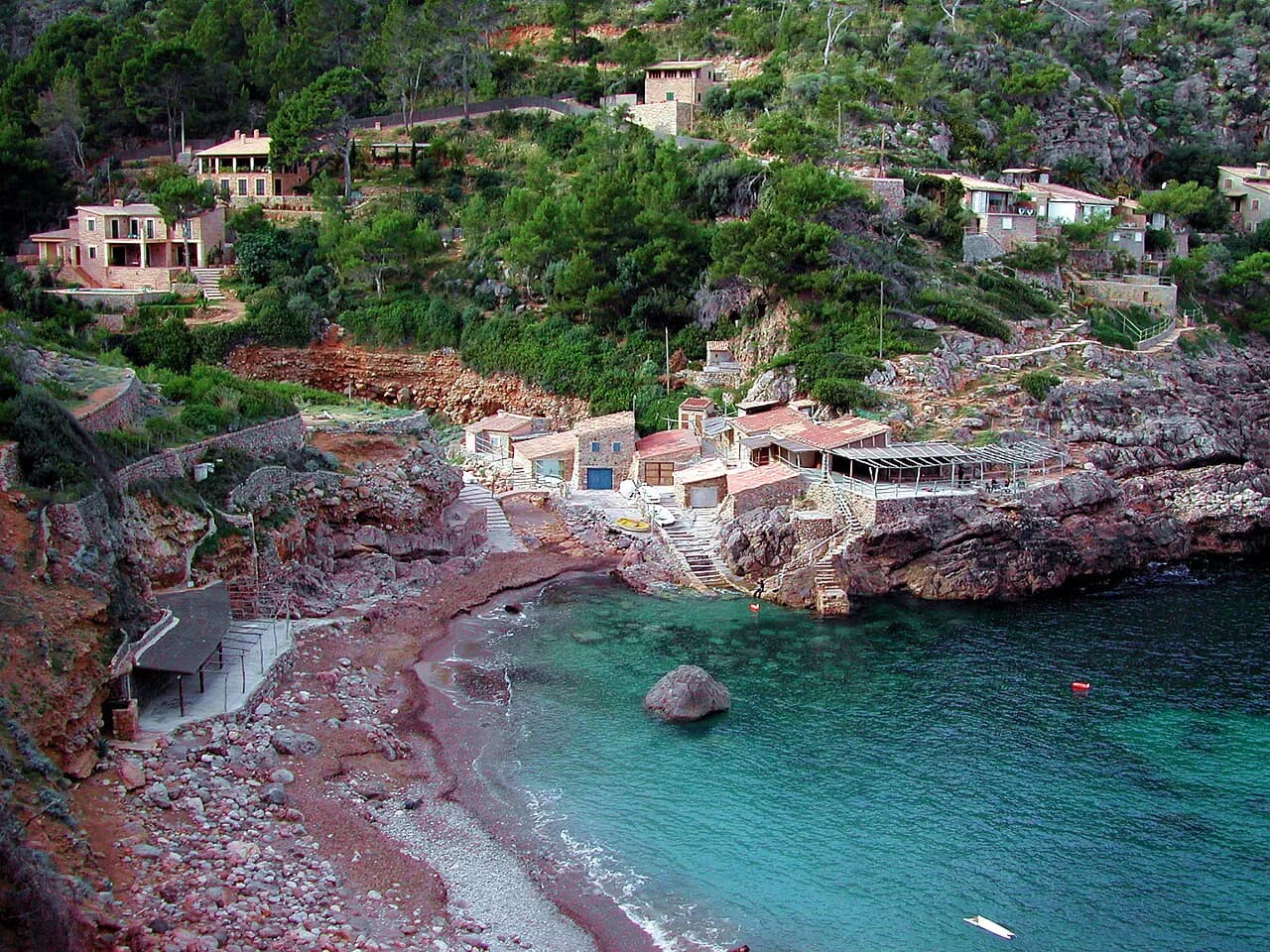
Sa Calobra actually gives you two distinct places to lay a towel. The pier cove, in front of the small village, is the pebble beach where boats arriving from Sóller dock, and it has the restaurants and restrooms within a few steps. If you are weighing this against the sandier coves on the island's north coast, the beaches in Menorca offer a useful comparison for a pebbles-versus-sand decision.
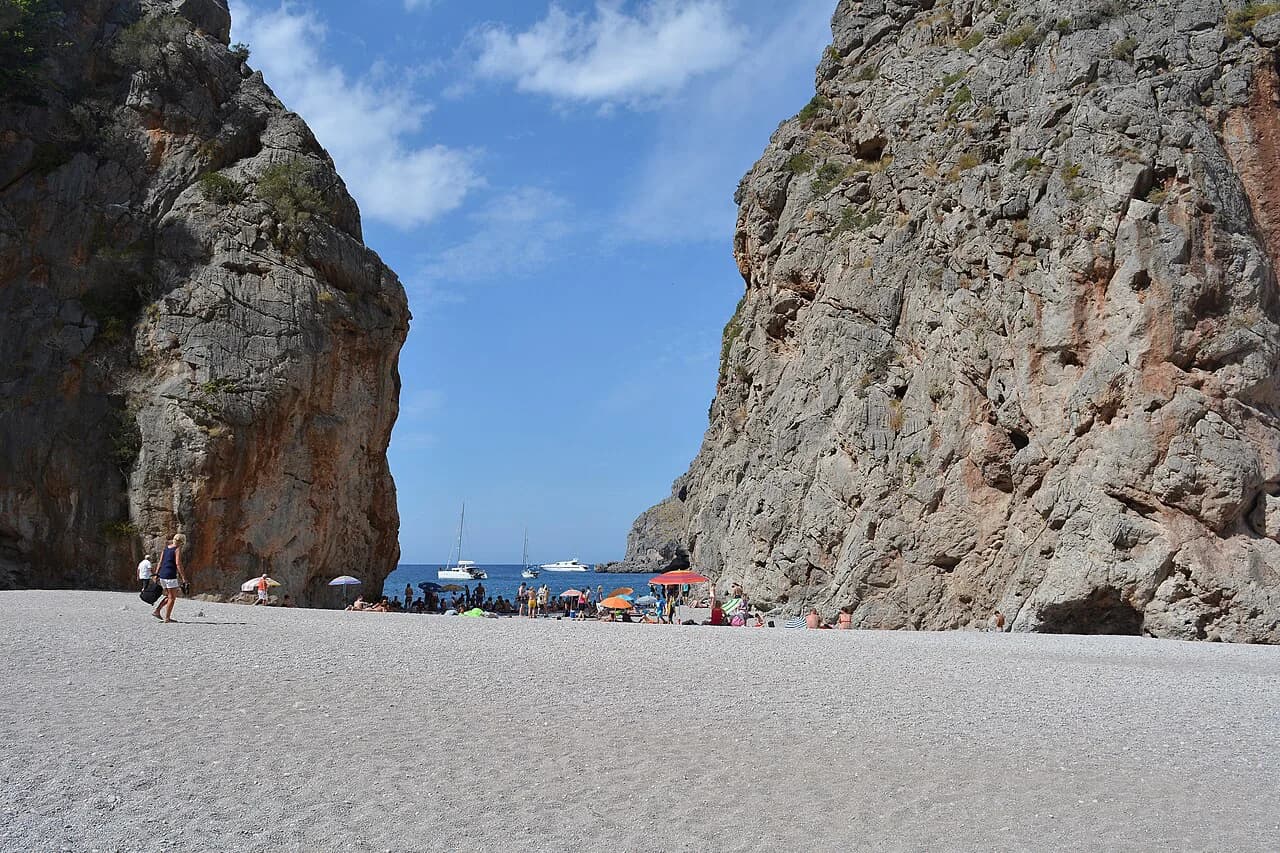
A short walk further on is the Torrent cove, where the Torrent de Pareis reaches the sea between high stone walls that form a natural amphitheatre. This is the wilder, more photographed spot, and the one to choose if the gorge view matters more to you than proximity to lunch.
If you want the day to be simple, base yourself at the pier cove for swimming and walk over to the Torrent mouth to look. Doing it the other way round means a scramble over rock with your bag before you have even settled.
Getting there by car
Driving in means the Ma-2141, the road that descends from the Coll dels Reis at over 600 metres to the cove. It is roughly 14 kilometres of descent with more than 25 sharp bends, many of them right-angled, and the source describing the route puts the drive at 30 to 40 minutes depending on how often you stop at viewpoints.
The signature moment is the tie knot, a 270-degree curve that loops over itself on a bridge, an engineering solution from the 1930s design by Antoni Parietti. Drivers should treat the descent as the attraction rather than a chore: the slow pace is what lets you take in the valleys and cliffs.
Allow more time than the drive itself suggests. The return climb is the harder half, and in summer the road carries coaches, cyclists and hire cars at once, so a late-afternoon departure after the worst of the traffic is more comfortable than leaving with everyone else at midday.
Parking, the rock tunnels and the walk to the beach
Cars park above the cove, and you reach the beach on foot through tunnels carved into the rock, partly with small openings onto the sea. This pedestrian passage is the reason the setting stays intact, and it is also why you should not arrive in flip-flops expecting a flat promenade.
Travel light on the walk in. A towel, water, sun protection and proper footwear are enough; bulky kit becomes a burden on the return climb through the tunnels, especially with children in tow.
Anyone comparing this with softer, sandier coves along the same coast should read the Cala Deià, Mallorca guide as a counterpoint: shorter access, different rock, and a very different kind of day.
Getting there by boat from Sóller
The boat from Sóller is the scenic alternative: you see the Serra de Tramuntana coast from the water and skip the parking problems entirely. Boats arriving from Sóller dock at the pier cove, which puts you straight beside the restaurants and the swimming.
The trade-off is that your day is shaped by the sailing rather than by your own mood, and the crossing depends on sea conditions. Book with the ferry company running the route and take their advice on which sailing gives you enough time ashore for both coves.
If you are staying in or near Port de Sóller, the boat makes particular sense: no hairpins, no return climb in the heat, and the harbour is walkable from most of the resort.
The sand and the water
Both coves are pebble rather than sand, so bring something to sit on and footwear you can wear into the water. The bay is sheltered by high cliffs on the landward side, and the water shelves away from the stones rather than staying ankle-deep for metres, which suits confident swimmers more than paddling toddlers.
For calmer water, the pier cove tends to be the gentler spot for a straightforward swim close to the village, while the Torrent cove is the place for the gorge backdrop and a shorter dip.
The cove is a natural monument within a protected landscape, so treat the rock and the gorge with care. There is little shade on the stones for much of the day, so plan your hours around the hottest part of the afternoon rather than expecting to find a shadow to hide in.
Torrent de Pareis: how far to walk in
Walking a few metres into the gorge mouth from the cove gives you the full sense of scale without any technical commitment: high walls, cool air and the sound of the place doing the work. That short entry is the sensible option for most visitors.
The complete route from Escorca down the dry riverbed is a different proposition: a demanding canyoning trip of four to five hours with boulders, narrow passages, downclimbs and unstable ground, and no marked trail. Rescue teams are called out every year for walkers who underestimated it.
Conditions change fast after rain, when the riverbed can become impassable and damp shaded sections get harder. Do not attempt the full descent without canyoning experience, proper equipment, route knowledge and a guide who knows the terrain.
Facilities
The village cluster behind the pier cove has several restaurants, cafés and bars facing the sea, plus restrooms, which is more than you would expect at the end of a mountain road. La Calobra Restaurant on the seafront serves Mediterranean dishes including paella and fresh fish, and Bar Playa sits right on the beach with sea views.
Expect Mallorcan staples on the menus: pa amb oli with tomato and olive oil, frito mallorquín, grilled squid and salads, often on terraces looking over the water. A GastroBar near the parking area offers a cheaper, quicker option before or after the tunnel walk.
Plan around the fact that everything sits in a small, popular spot. Eating early or late rather than at the peak of lunch means a better chance of a terrace table, and buying water before you walk in saves a queue later.
Best time to go
Spring and early autumn are the sweet spot: pleasant temperatures, fewer visitors and a calmer experience in both coves. Midsummer brings crowds, especially in the middle hours of the day, when the exposed stone and the narrow tunnels feel busiest.
The sea is at its warmest in high summer, but that is also when the road, the boats and the restaurants all peak at once. If you want comfortable swimming without the crush, aim for June or September and start early.
Whatever month you choose, the day is shaped by heat and exposure rather than tide. Build in time for a leisurely lunch and a late-afternoon swim instead of racing through the gorge in the midday sun.
What to bring
Closed shoes are the single most useful item: the terrain between the parking, the tunnels and the coves is rocky and slippery in places. Add plenty of water and sun protection, since shade is limited on the stones.
Pack a mat or thick towel for the pebbles, a dry bag for phones and valuables, and cash or a card for lunch. Snorkel and mask are worth the space if you like looking over rock, and a light layer helps in the tunnels and in the gorge itself.
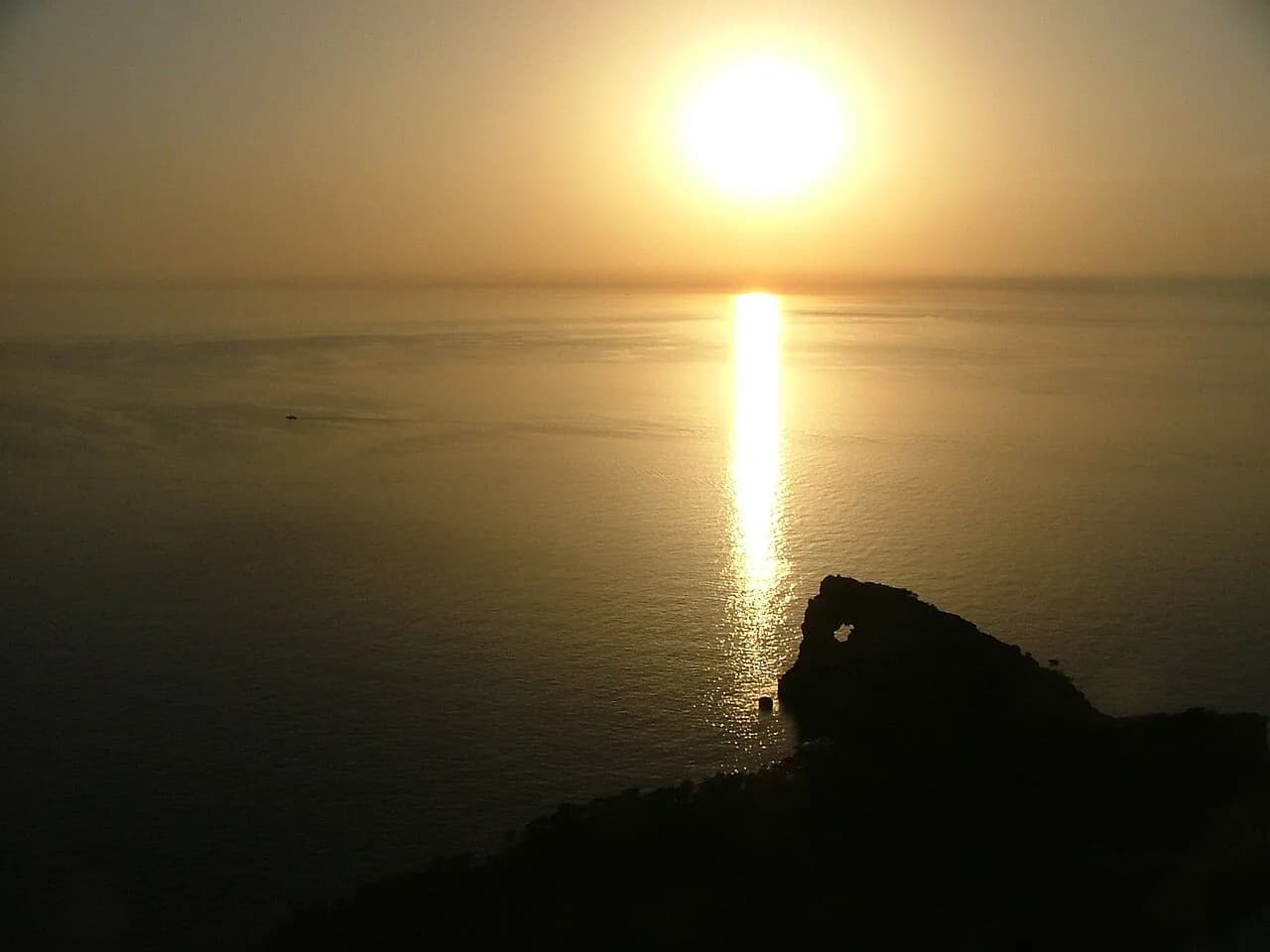
Travellers continuing along the coast can compare options in the Sa Foradada from Sóller guide, which covers the cliffside viewpoint and its own access quirks.
Who it suits
Strong swimmers, scenery-seekers and photographers get the most from Sa Calobra: the water deepens off the pebbles, the cliffs and gorge provide the setting, and the boat option removes the driving stress. Couples and solo travellers who enjoy a dramatic landscape with lunch by the sea will find it memorable.
Families with younger children should weigh it carefully: pebbles, deep-ish entry and a tunnel walk with bags are not the easiest combination. Older children who can carry their own things and handle uneven rock will manage fine.
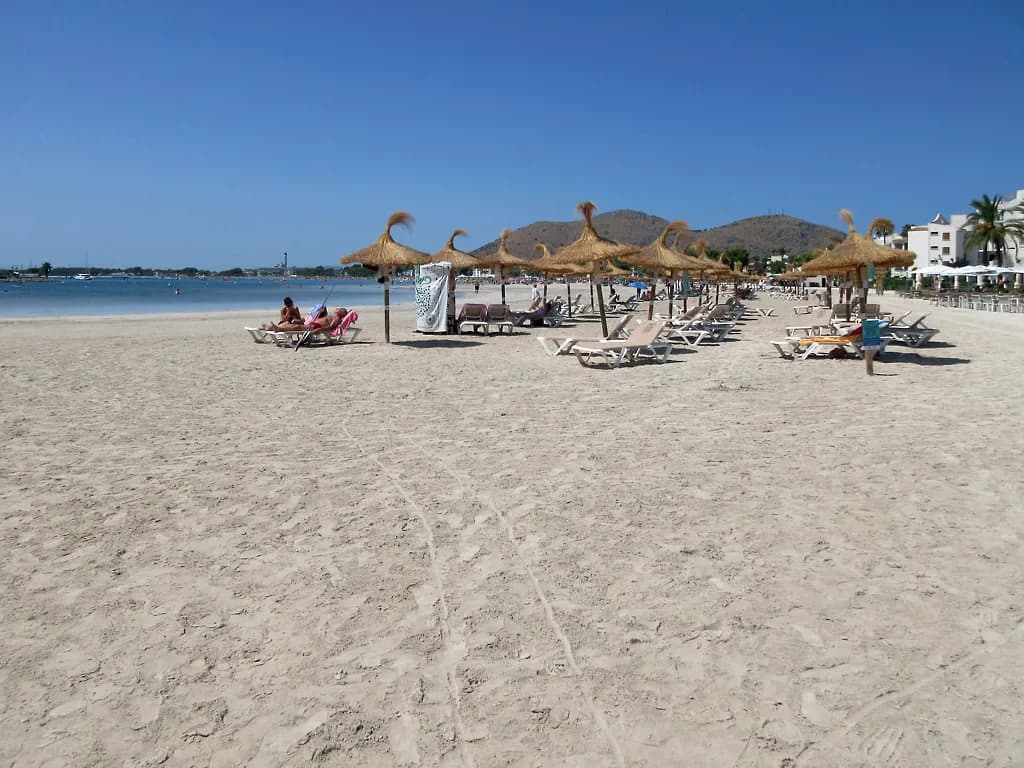
Anyone who wants soft sand, shallow water and a full resort infrastructure should look at the Sóller Beaches guide and pick a cove that matches those needs instead.
Nearby beaches to combine
Cala Tuent lies along the same stretch of coast and makes a natural second stop if you are driving: a quieter bay with a traditional restaurant, Es Vergeret, known for rice dishes and fish on a terrace with sea and mountain views.
Combining Sa Calobra with Cala Tuent turns the day into a proper Serra de Tramuntana circuit rather than a single out-and-back. The Cala Tuent, Mallorca guide has the detail on access and what to expect.
If you are working your way down the coast from Sóller, the Cala Banyalbufar page covers another cliff-backed village beach that pairs well with this stretch of the Serra de Tramuntana.
Getting back
The return is the part people underestimate: climbing the Ma-2141 means the same 25-plus bends in the opposite direction, with tired legs and afternoon sun ahead of you. Leave the cove before the late-afternoon rush builds and take the hairpins steadily.
If you came by boat, the return is simply the next sailing back to Sóller, which is why checking the current timetable before you set off matters more than any other planning step.
Whichever way you go, end the day with a swim late in the afternoon rather than a dash for the car: the light on the cliffs is the best of the day and the road is quieter.
Walking the Torrent de Pareis with a dog
The walk from Sa Calobra into the Torrent de Pareis is the part of the day that asks most of a dog, and the sources are blunt about it: the gorge is described as beauty that demands respect, with the hiking route presented in terms of difficulty, duration and risks. The same source notes that the Torrent de Pareis and its surroundings have been declared a natural monument. That status, together with the terrain, is the reason to treat the gorge as a place to read carefully rather than a casual extension of the beach stop.
The approach itself is manageable: the official beach sits between the cliffs where the canyon reaches the sea, and it is only a short walk from Sa Calobra, partly through spectacular rock tunnels. Beyond that, the gorge proper is a different proposition. Plan the day so the dog's exposure to the torrent is short and the cove and village are the main event, and keep in mind that there are no services at the official beach, so nothing there can be relied on for water or shade.
Two beaches give you options for a dog-friendly rhythm: the unofficial one right in front of the small village in the bay La Calobra, and the official one between the cliffs. The village cluster of houses and restaurants keeps the traditional atmosphere of a Mallorcan village, so it is the natural place to pause with a dog while the rest of the group explores further. The combination of sea, rock and torrent is what makes the place, and a dog does not need to see all of it for the day to work.
Finally, the road in is part of the experience rather than a neutral transfer. The Ma-2141 is described as a journey through curves and dizzying landscapes, and access to Sa Calobra is framed as part of the adventure. For a dog in the car, that means a long sequence of bends on the way down and back up, so build the day around a settled animal and a steady pace rather than a tight schedule.
Plan Your Visit
Sa Calobra rewards the effort it takes to reach: a gorge mouth, two pebble coves and restaurants by the water at the end of one of Mallorca's most celebrated mountain roads. Choose the boat from Sóller if you want a stress-free day; choose the Ma-2141 if the drive is part of the appeal.
Bring closed shoes, water and sun protection, swim at the pier cove and walk to the Torrent mouth for the view, and leave the full canyon route to those properly equipped and guided. Time your visit for spring or early autumn and the place is at its best.
Frequently Asked Questions
Can you swim at Sa Calobra?
Yes. Both coves are pebble beaches with clear water, and the pier cove in front of the village is the most straightforward spot for a swim close to the restaurants. The water shelves away from the stones rather than staying shallow, so it suits confident swimmers best. There is no lifeguard information published for the cove, so swim within your own limits.
How do you get to Sa Calobra beach?
You can drive the Ma-2141 from the Coll dels Reis, a descent of about 14 kilometres with more than 25 bends that takes roughly 30 to 40 minutes depending on stops, or take a boat from Sóller that docks at the pier cove. Both options avoid nothing else: the drive is scenic but demanding, and the boat is easier but ties your day to the sailing schedule.
Is Sa Calobra beach sand or pebbles?
It is pebble, not sand, in both coves. Bring a mat or thick towel to sit on and footwear you can wear into the water, since the stones are uncomfortable underfoot and the terrain between the parking, the tunnels and the beach is rocky and slippery in places.
How long does the drive down to Sa Calobra take?
The descent from Coll dels Reis along the Ma-2141 takes around 30 to 40 minutes depending on how often you stop at viewpoints. The return climb takes at least as long and is the harder half, so leave before the late-afternoon rush rather than with everyone else at midday.
Is there a boat from Sóller to Sa Calobra?
Yes, boats from Sóller dock at the pier cove in Sa Calobra, putting you beside the restaurants and the swimming. The crossing depends on the sea, and the schedule shapes your day ashore, so check the current timetable and sailing conditions before you travel.
What is there to do at Sa Calobra besides the beach?
Walk a few metres into the Torrent de Pareis gorge mouth from the cove for the scale of the rock walls, and follow the pedestrian tunnels between the parking and the beach. The full canyon route from Escorca is a demanding four to five hour canyoning trip with boulders, downclimbs and no marked trail, and should only be attempted with experience and a guide.
Sources
Beach notes for your next trip
Optional updates when we add or revise beach guides.
You might also like
Continue reading
More guides you'll find useful