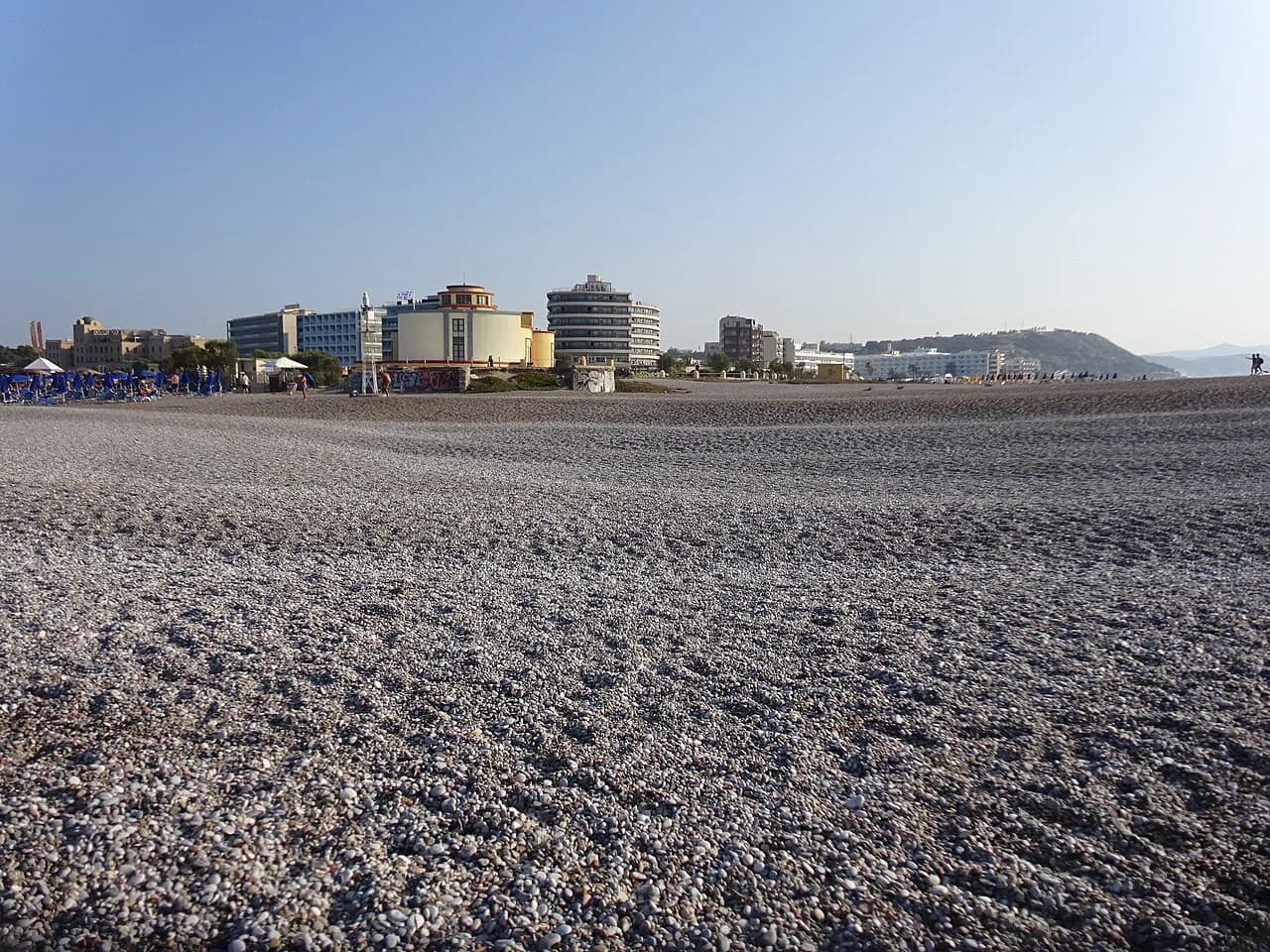
Rhodes Sea Temperature: Best Time to Swim
Rhodes sea temperatures month by month, from the June to September peak around 25°C to the October cooldown, plus wind, currents and packing advice.
On this page
Rhodes earns its place on a beach itinerary because the Aegean around the island stays swimmable for a long stretch of the year, from late spring well into autumn. That gives you room to choose your dates around warm water and quieter sands rather than a single crowded peak.
This guide breaks the year down by how the sea actually feels, not just what a thermometer says, and explains why a hot air forecast does not always mean bath-warm water. It also shows how exposure and wind change conditions between one bay and the next on the same day.
Why Rhodes water stays warm into autumn
Rhodes sits in the south-eastern Aegean, where summer heat lingers and the sea holds that warmth long after the air starts to cool. The result is a long, slow cooldown rather than a sudden end to the swimming season, so late September and October often deliver warm water with lighter crowds. If you are weighing up islands, the Kefalonia sea temperature guide shows the same month-by-month decision in the Ionian.
In practice the sea around Rhodes is at its warmest from June to September, at roughly 25°C, then cools gradually through October; by November it sits around 20-21°C, and in winter it falls to about 13-15°C. Those figures give you a reliable shape for the year even if any single day runs warmer or cooler.
That slow cooling is the island's real advantage for planners: you can push a beach holiday later into the year and still swim comfortably, trading a little air temperature for much emptier sands.
Rhodes sea temperature by month
Treat any month-by-month figure as an average, not a promise. Around Rhodes the dependable core is June to September at approximately 25°C, October easing downward, November around 20-21°C and winter in the low-to-mid teens; the warmest stretch is the summer quarter.
Late April and May are the transition: the sea is warming quickly and a full beach season gets under way, but water temperatures are still climbing toward the summer peak. If you swim in May, expect refreshing rather than bathtub conditions, and pick a sheltered bay to take the edge off.
The sea off Rhodes can still reach around 27°C on a mid-October day, which reflects a warm spell rather than a monthly average. Use a reading like that as a sign of what is possible in early autumn, not as a forecast for your dates.
When the sea is comfortably warm for most swimmers
For most adults and children who like a long, relaxed swim, the June-to-September window is the safe bet: the water is near its annual high and you can stay in without a wetsuit layer. This is the period to plan around if swimming is the main event rather than a quick dip.
May and early June, and again from mid-October, suit confident swimmers and anyone happy with a bracing entry. The water is cool enough to feel invigorating, so shorter swims and a quick towel-off work better than long sessions.
A useful distinction is between surface sea temperature and air temperature: a hot day does not automatically mean warm water, especially after windy or cloudy spells. Read the sea figure itself, not just the air forecast, when deciding whether to commit to a long swim.
May and early June: what to expect
Late spring is when Rhodes shakes off winter: the sea is warming steadily and a full beach season opens up, with bright blue water and long, sunny days. It is a rewarding time for walkers and sightseers who also want a dip, and beaches are far quieter than in high summer.
Water temperatures in this window are still on the rise toward the summer peak, so pack for variety: a rash vest for longer snorkelling and a light layer for the boat back. Sheltered east-coast bays tend to feel kinder than exposed strands when a breeze picks up.
July and August: the warmest water and busiest beaches
High summer brings the warmest sea of the year alongside the hottest air and the heaviest demand for sand space. If you want the water at its most inviting, this is it, but you should expect popular beaches to fill early and plan your day around arriving ahead of the crowd.
Heat is the trade-off: midday sun is intense, so swim early or late and use shade in between. Pick beaches with a breeze or natural shelter depending on whether you want cooling wind or calmer water, and keep sun protection topped up between swims.
September and October: warm sea, quieter sands
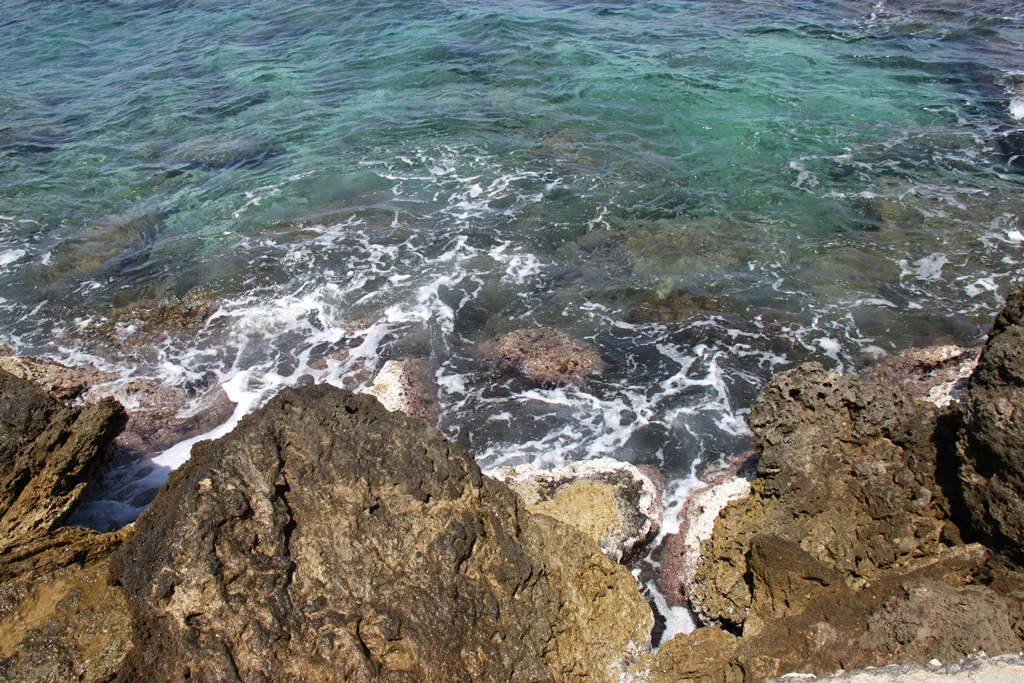
This is the sweet spot for many travellers: the sea is still near its summer warmth while the crowds thin and the light softens. September keeps close to the June-to-September peak, and October holds warmth before the gradual autumn cooldown sets in.
By November the sea has eased down to around 20-21°C, which is still swimmable for many but marks the shift toward shorter dips. Plan October trips for long swims and November trips for bracing ones, with a warm layer for the evening.
November onwards: how quickly the Aegean cools
After November the sea keeps cooling through winter, reaching roughly 13-15°C, so beach days become walks and views rather than swims for most people. The island stays mild and bright, which suits hiking, sightseeing and quiet coastal strolls.
Wind matters more in the cooler months: an onshore breeze can make an already cool sea feel sharper, so choose sheltered bays and short exposures. A warm layer and a towel within reach turn a winter dip into a brisk ritual rather than an endurance test.
Wind and currents: how warm the water feels
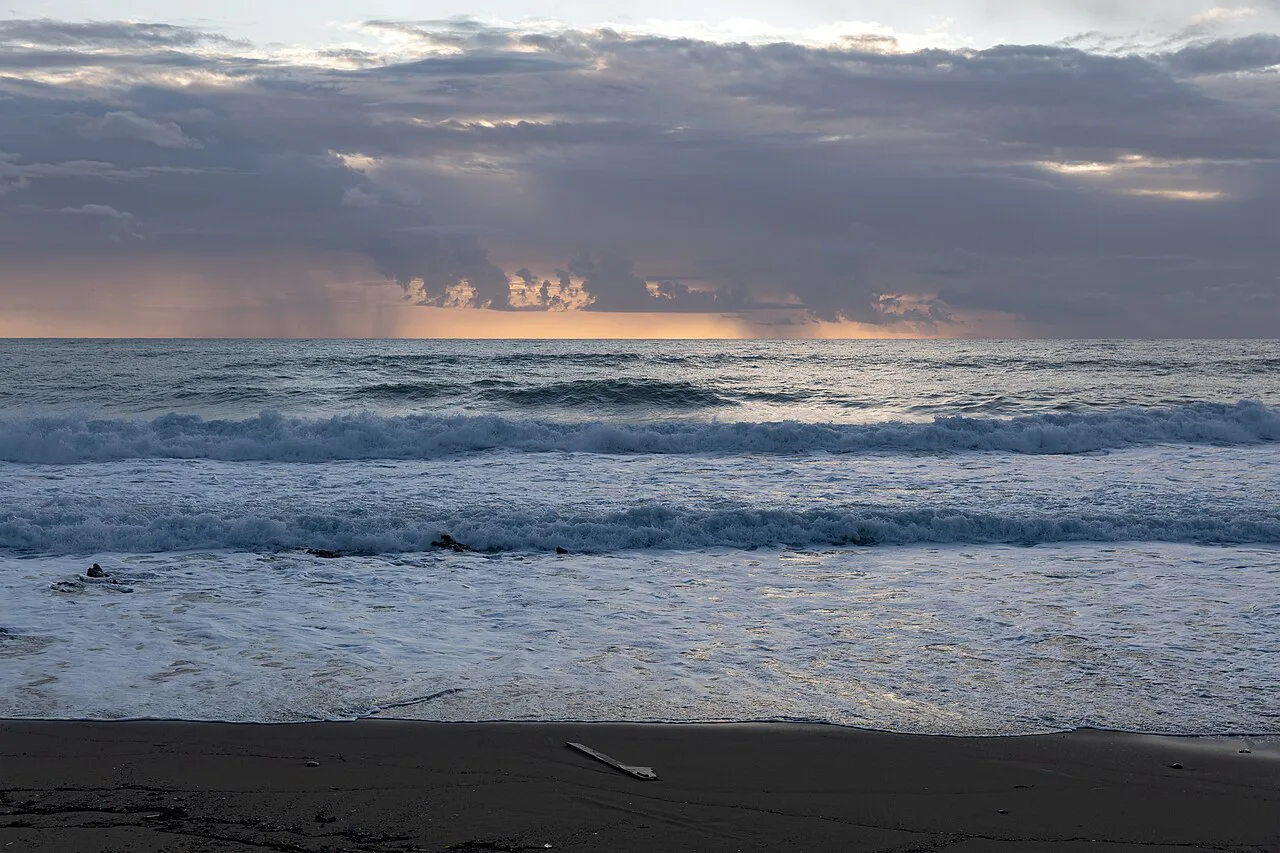
The meltemi, the summer wind that sweeps the Aegean, changes how warm the sea feels far more than the thermometer suggests. On exposed, windward strands it whips up chop and evaporative chill, while sheltered bays on the leeward side stay glassy and comfortable.
On a windy day, head for a bay tucked behind a headland rather than a long open strand; the difference in felt temperature can be considerable. Currents also vary with wind and swell, so watch flags and local signage and choose your entry point accordingly.
Which beaches warm first and stay calmest
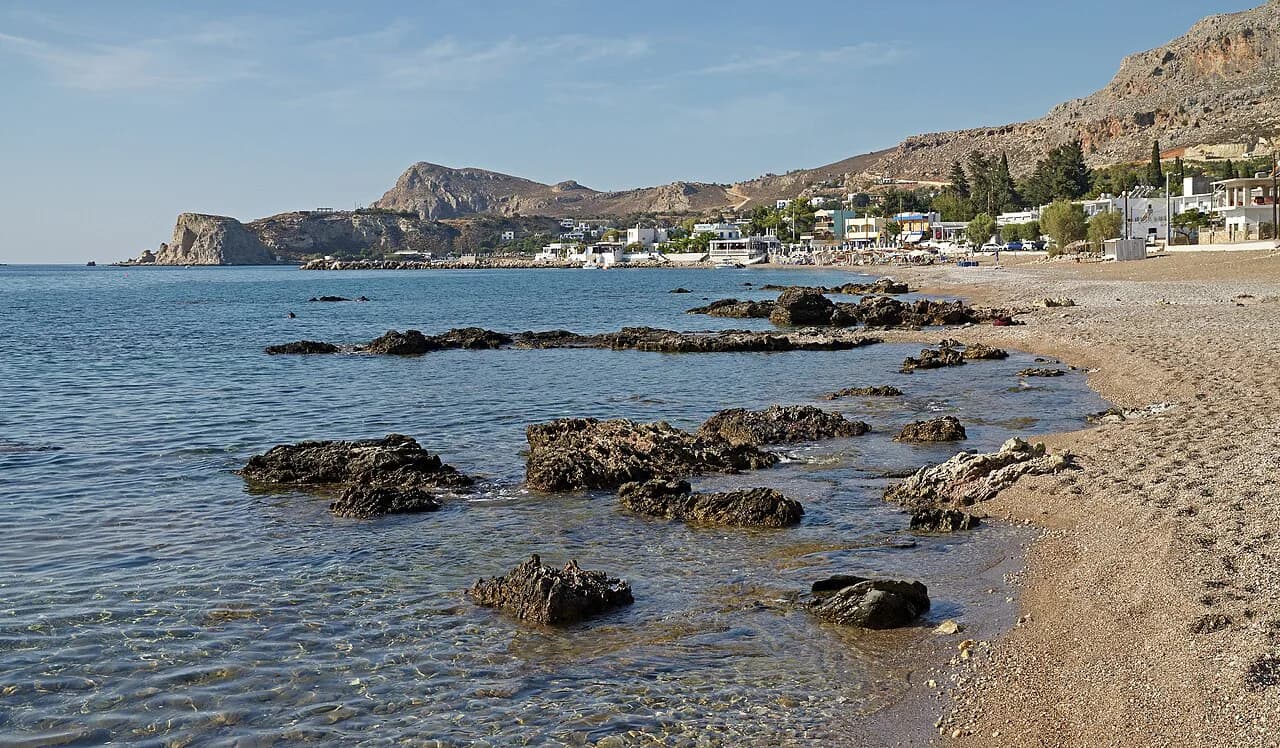
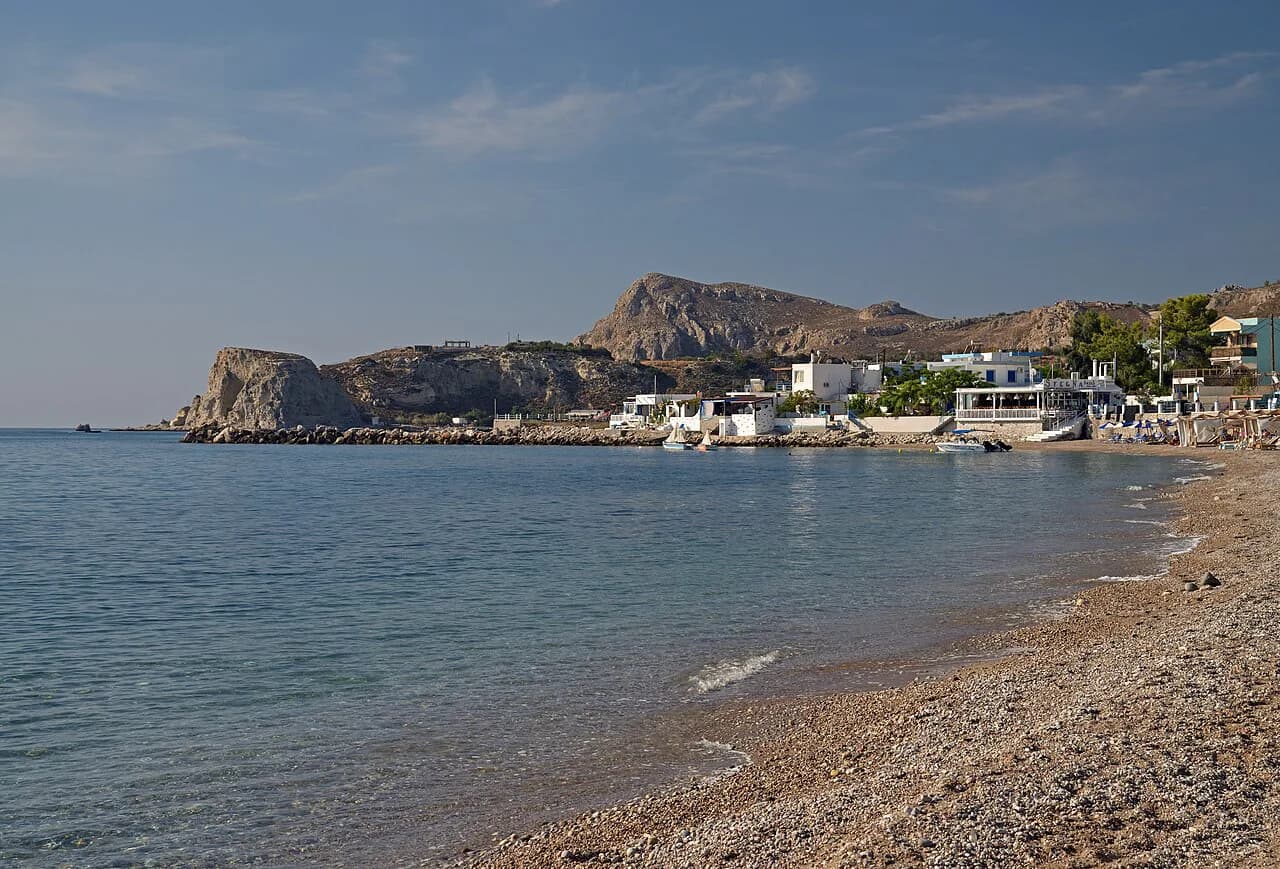
Sheltered east-coast bays tend to warm first in spring and stay calmer in a meltemi, because the land shields them from the prevailing wind. Exposed west-facing strands catch more swell and breeze, which can make the same sea feel cooler on the day.
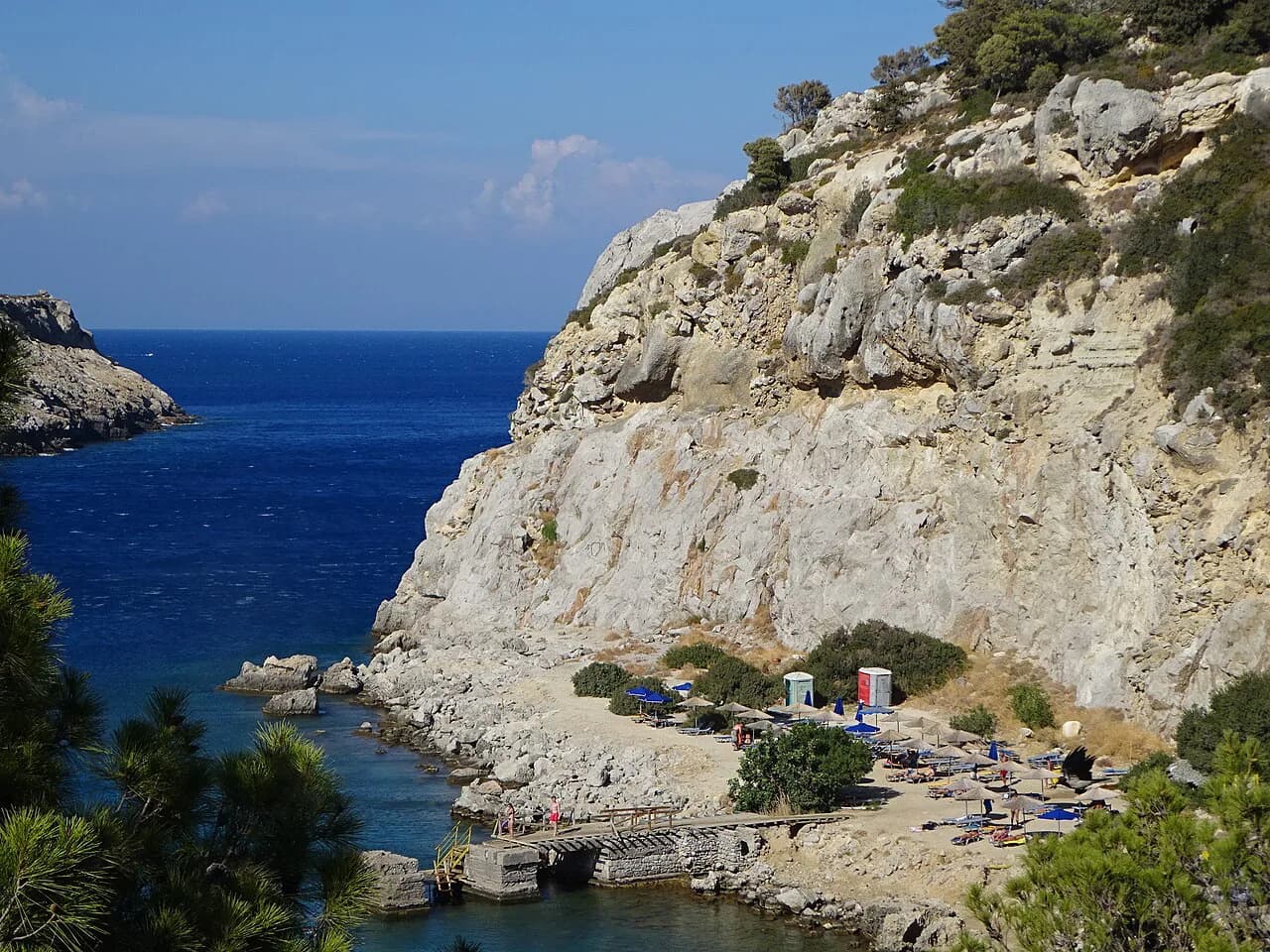
Among the island's coves, Anthony Quinn Bay is a compact, enclosed inlet whose shape gives it a more protected feel than long open beaches, making it a good pick when the wind is up. Pair it with a morning swim and a later move to a longer strand for the afternoon.
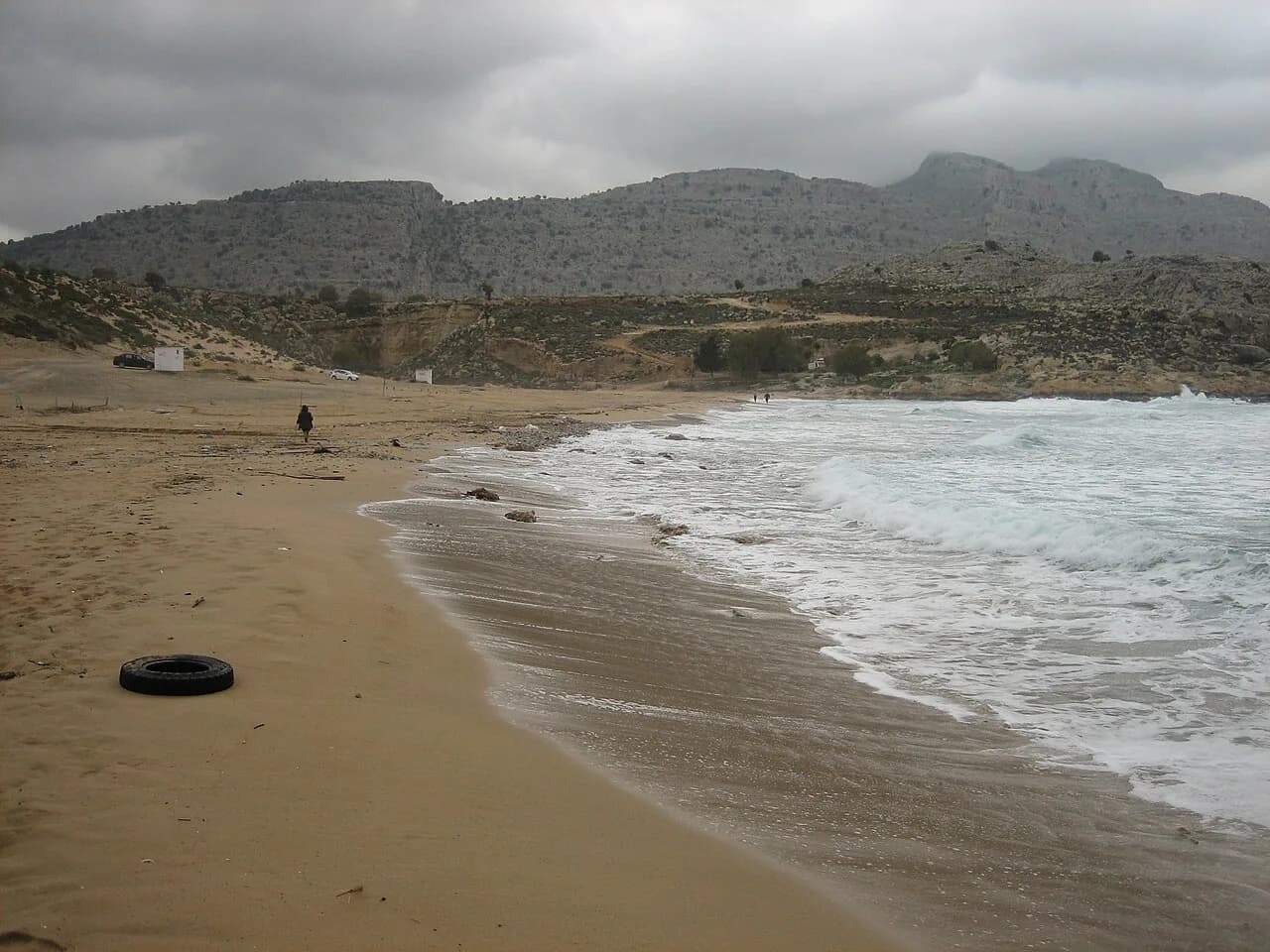
For family days, a broad, gently shelving beach such as Tsambika beach gives children room to paddle while adults keep watch, and its curve offers some variation in shelter along the sand. Compare it with the town beaches if you want facilities close at hand.
What to pack for early- and late-season swims
In May, June and from October onward, a light neoprene top or rash vest extends comfortable swim time and takes the sting out of a cool entry. Add a quick-dry towel, a windproof layer for the beach and reef-safe sun cream, since the sun is strong even when the air feels mild.
In high summer, shade, water and high-factor protection matter more than warmth: the sea is at its most inviting but the sun is at its most punishing. A wide-brimmed hat and a cover-up for the walk back make the day far more comfortable.
Reading a live forecast
Sea temperature and air temperature diverge, sometimes by a lot, so a hot forecast alone is a poor guide to whether the water will feel warm. Look for a surface sea temperature reading for Rhodes and treat any single-day figure as a snapshot, not an average.
If you want a beach-level reading before you travel, Elli Beach is quoted separately on marine data sites, which gives a second reference point for the town shoreline. Compare that with the island-wide figure and with the wind forecast to judge how a given day is likely to feel.
Plan Your Visit
The short version: aim for June to September if you want the warmest sea around 25°C, and target late September or October if you would rather trade a little heat for emptier beaches and still-warm water. May and November reward confident swimmers with quieter sands and a bracing dip.
Build your days around shelter from the wind, pack a light neoprene layer for the shoulder months, and read the sea figure rather than the air forecast before committing to a long swim. That combination gets you the best of Rhodes whatever the month.
Frequently Asked Questions
Is the sea warm in Rhodes?
For most of the swimming season, yes. The Aegean around Rhodes reaches roughly 25°C from June to September, then eases down through autumn to about 20-21°C in November and 13-15°C in winter, so the water is genuinely warm for around four months and bracing outside them.
When is the sea warm enough to swim in Rhodes?
June to September is the dependable window, when the water is near its annual high and most swimmers can stay in without a wetsuit layer. May, early June and mid-October onwards suit confident swimmers who are happy with shorter, cooler dips.
What is the Rhodes sea temperature in October?
October starts close to the summer peak and cools gradually across the month, so early October often feels much like September while late October is noticeably fresher. Single-day readings for the island have been recorded in the mid-twenties, but those are snapshots rather than a monthly average.
Is the sea still warm in Rhodes in November?
The sea settles around 20-21°C in November, which many people find swimmable for shorter sessions even though the air is cooler. Sheltered bays out of the wind feel noticeably kinder than long exposed strands.
Which months have the warmest sea in Rhodes?
June, July, August and September hold the warmest water, at roughly 25°C, with the peak falling in high summer. September is often the best balance of warm sea and lighter crowds on the sand.
Sources
Beach notes for your next trip
Optional updates when we add or revise beach guides.
You might also like
Continue reading
More guides you'll find useful