Marathi Beach, Chania: Calm Waters and Golden Sand Guide
Marathi Beach near Chania offers calm, shallow water in Souda Bay, golden sand and tavernas, with easy access from Chania town and the airport.
On this page
Marathi Beach is the calm-water beach you choose when you want a straightforward day out rather than a scramble down a cliff. It sits in Souda Bay on the Akrotiri Peninsula, a short hop from Chania town, and pairs shallow, sheltered water with tavernas close to the sand. Families with small children, nervous swimmers and anyone mixing beach time with a lazy lunch will find it does the job well.
The trade-off is company. Marathi draws a crowd in high summer, and its sandy shore is short enough that the busiest weeks feel busy. Come expecting warm shallows, a snorkel-friendly edge and a proper sit-down lunch rather than wilderness, and it rewards you. Those wanting a wilder, emptier shoreline should look elsewhere on the peninsula.
What makes Marathi worth the trip, and who it suits
The draw is the water: Marathi sits in Souda Bay on the Akrotiri Peninsula, where the bay itself takes the sting out of the open sea. In practice that means gentle entry, shallows that stay shallow a good way out, and clear water close to shore, which is exactly what parents watching toddlers want.
It is not the place for solitude. Marathi is a small, well-kept beach with a family-friendly feel, and the sand fills quickly once the season is under way. If your ideal day involves fifty metres of empty shoreline and nobody selling you a sunbed, choose a different cove and keep Marathi for a lunch-and-swim afternoon.
Where Marathi Beach is: Souda Bay and the Akrotiri Peninsula
Marathi sits on the southern shore of the Akrotiri Peninsula, on the edge of Souda Bay, roughly 16 km from Chania town. That short distance is the reason it works as a half-day trip from the city rather than a full expedition. Because it faces into the bay, the water here behaves quite differently from the exposed north-coast strips.
Being on the peninsula, it slots neatly into a day that includes the airport side of Chania or the quieter coves further east. If you are comparing bases, our guide to Chania beaches sets out how the town beach, the peninsula coves and the far-west showpieces differ in character and travel time. Island-hoppers weighing Crete against the Cyclades can compare this with the best beaches in Naxos, where the meltemi shapes the day in much the same way.
Getting there from Chania: taxi, driving and parking
For a beach this close to town, a taxi is a genuinely sensible option, especially if you plan to have a long lunch. Drivers in Chania are willing to run passengers out to Marathi, which takes the parking question off your plate entirely. Agree the return trip or ask the taverna to call a car, since the road back into town is not a spot to rely on hailing.
If you drive, the route from Chania is short and paved, following the airport road out onto the peninsula before turning for the coast. Parking is informal and fills up fast on summer mornings, so arriving before mid-morning leaves you choice of spaces and a better pick of sunbeds. From Chania International Airport the beach is about 10 km away, which makes it a practical stop on an arrival or departure day.
The sand and the water: two sheltered coves, 300 metres of golden sand
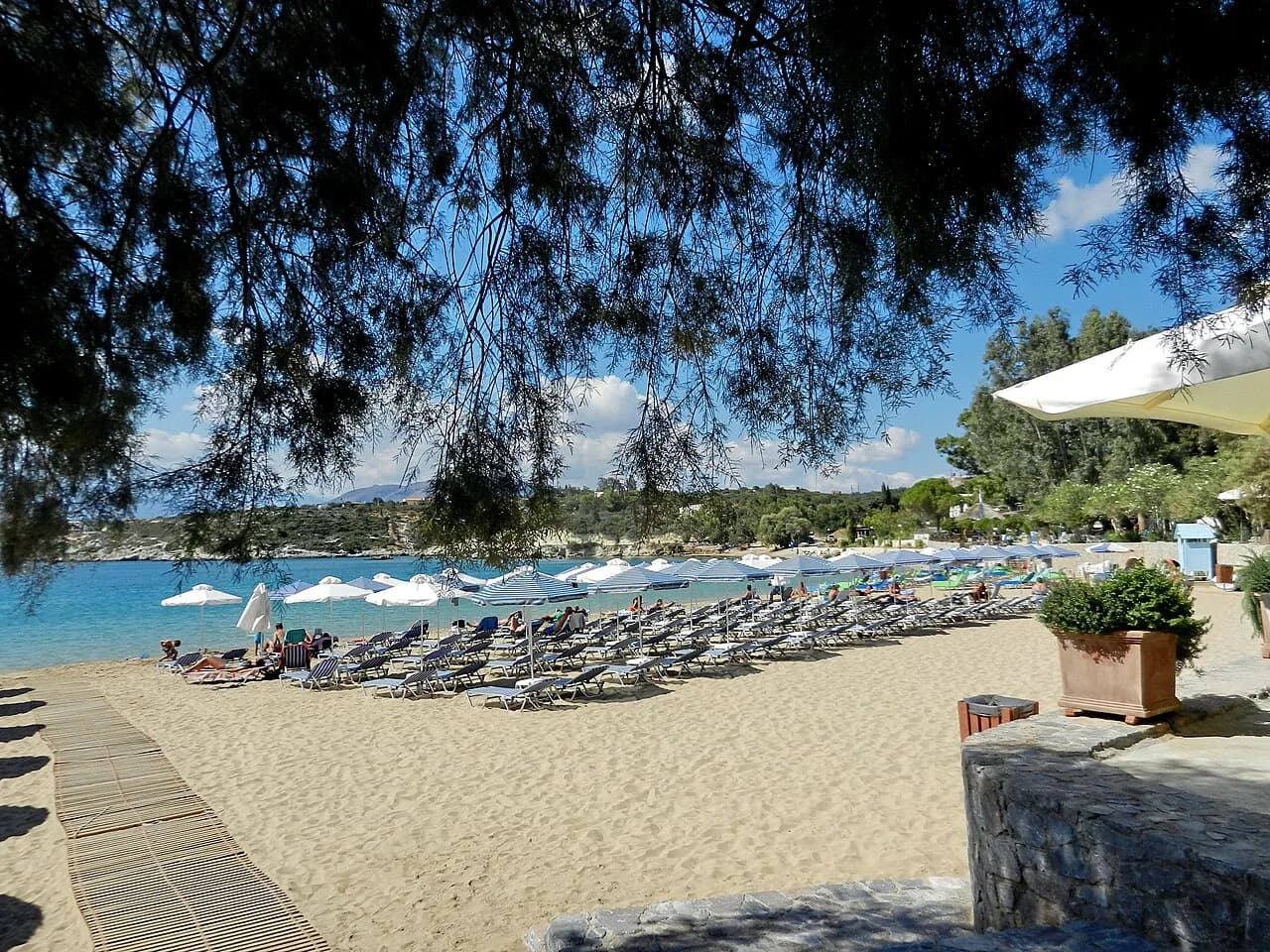
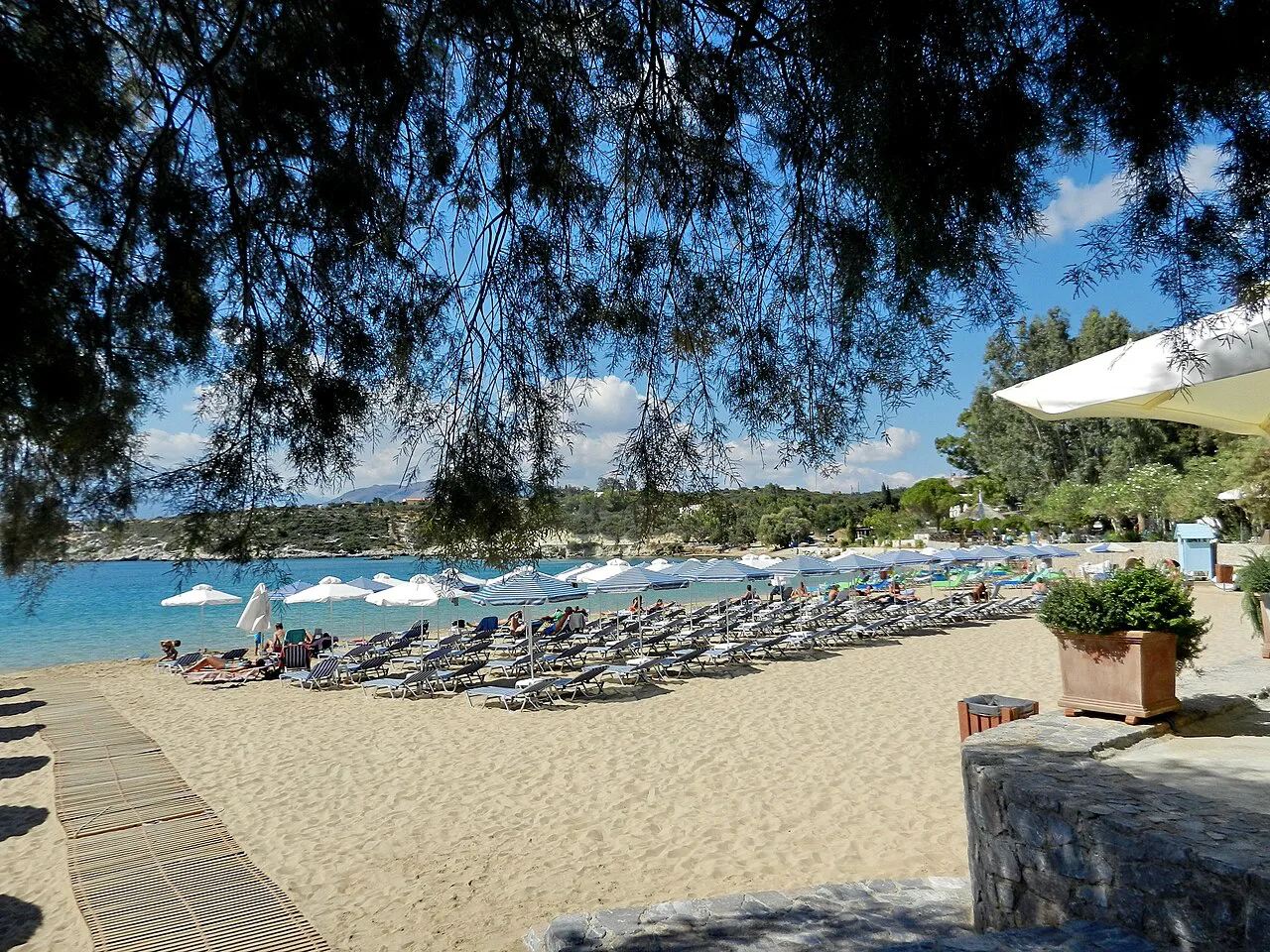
The beach runs about 300 metres and is covered in fine, golden sand rather than shingle or rock, so bare feet work here. It is effectively split into two waveless coves, which gives you a fallback if one side is crowded or the wind switches. The seabed shelves gently, so the water stays ankle-deep close in and deepens gradually.
Shelter is the point of Marathi. Sitting inside Souda Bay, both coves are protected from the swell that can make the open north coast uncomfortable, and the result is water that more often reads as glassy than choppy. On days when the meltemi is pushing waves onto other Chania beaches, this is where you head. Do not read that as a promise of flat water in every condition: watch the flags and judge the day for yourself.
Swimming, snorkelling and keeping children happy in the shallows
The shallow entry is the main reason families return. Small children can paddle and dig within a few metres of a towel, and adults can keep one eye on them while standing waist-deep. Bring a snorkel for the rocky margins and the deeper water further out, where fish come close inshore.
Swimmers who want a proper length will find the coves short, so plan on circuits or combine Marathi with a longer beach on another day. Bring water shoes if your children dislike pebbles underfoot at the water's edge, and shade of your own if you are not renting a sunbed, as natural shadow on the sand is limited.
Facilities: sunbeds, umbrellas, tavernas and booking lunch
Marathi is the organised-beach counterpoint to the wild Akrotiri coves: sunbeds and umbrellas line the sand, and cafes, tavernas and small shops sit immediately behind it. That combination makes it easy to spend a whole day without carrying half your kitchen in a rucksack. Expect to pay for the hire on the spot.
Lunch is the thing to plan. The seafront restaurants fill at peak season, so booking by lunchtime secures you a table. Arrive early in the morning if you want a sunbed and an umbrella together, because the front rows go first and latecomers end up further back or on a towel.
When it is busy, and how to time your day
Marathi is crowded in peak season, and the noise comes with it: families, inflatables and children running between the sunbeds. If you want the water to yourself, treat the beach as a morning and late-afternoon proposition and save the middle of the day for a long taverna lunch under an awning. Mornings before the first tour groups settle in are noticeably quieter.
Best time to go: swim season and busiest months
The swimming season on this coast runs from roughly April to October, with September and early June offering warm water and a lighter crowd than high summer. July and August bring the heaviest demand for sunbeds and the longest lunch queues. Sea temperatures build through June and stay comfortable into October, while May and late September suit anyone who prefers a cooler swim and more space.
Whatever the month, check the marine forecast the evening before and choose your Chania beach accordingly. On a windy day the sheltered coves at Marathi are the sensible pick; on a still day, use the calm to explore further afield. Pack water, high-factor sunscreen, hats and shoes you can walk on hot sand in.
Nearby beaches to combine: Stavros, Seitan Limania and the Akrotiri coast
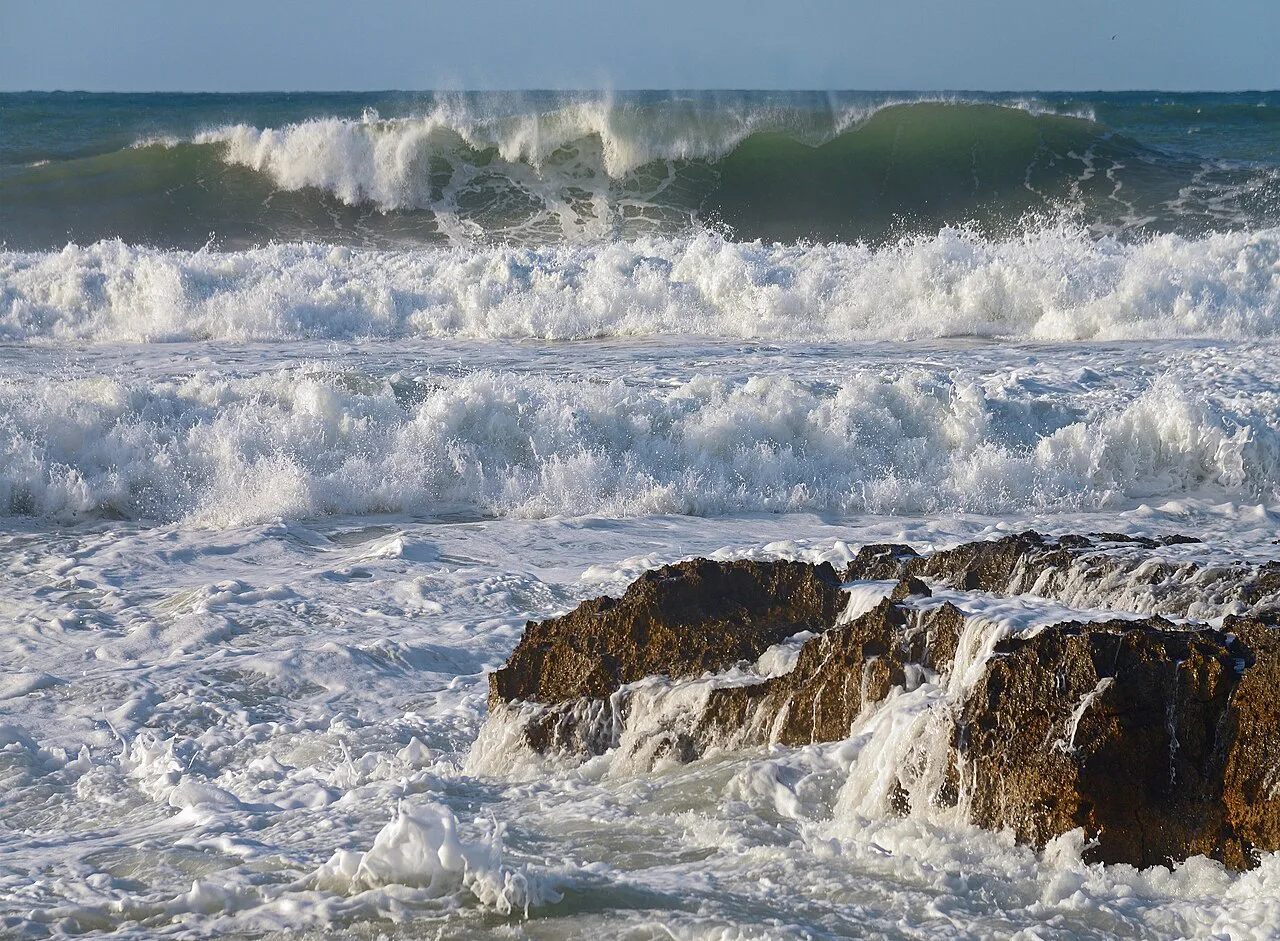
Seitan Limania, also called Stefanou Beach, is the dramatic neighbour: a narrow fjord-like cove about 22 km north-east of Chania with fine pebbles, deep blue water and sheer rock walls. Reaching it by road means a 30-40 minute drive plus a 10-15 minute descent over loose rock with a fixed chain on the steepest section. That path is not suitable for very young children, so many families pair Marathi with it only as a viewpoint stop.
Boat trips from Chania reach the same cove from the water, which removes the climb and adds stops at Katholiko gorge and the caves at Macherida. Half-day routes run about four hours, making them a realistic alternative to a car-based beach hop. Chania Sea runs half-day and full-day routes from Chania that pair the cove with Katholiko and Macherida, plus a longer loop out to Marathi; check the day's route with the skipper when you book, as wind can change the plan.
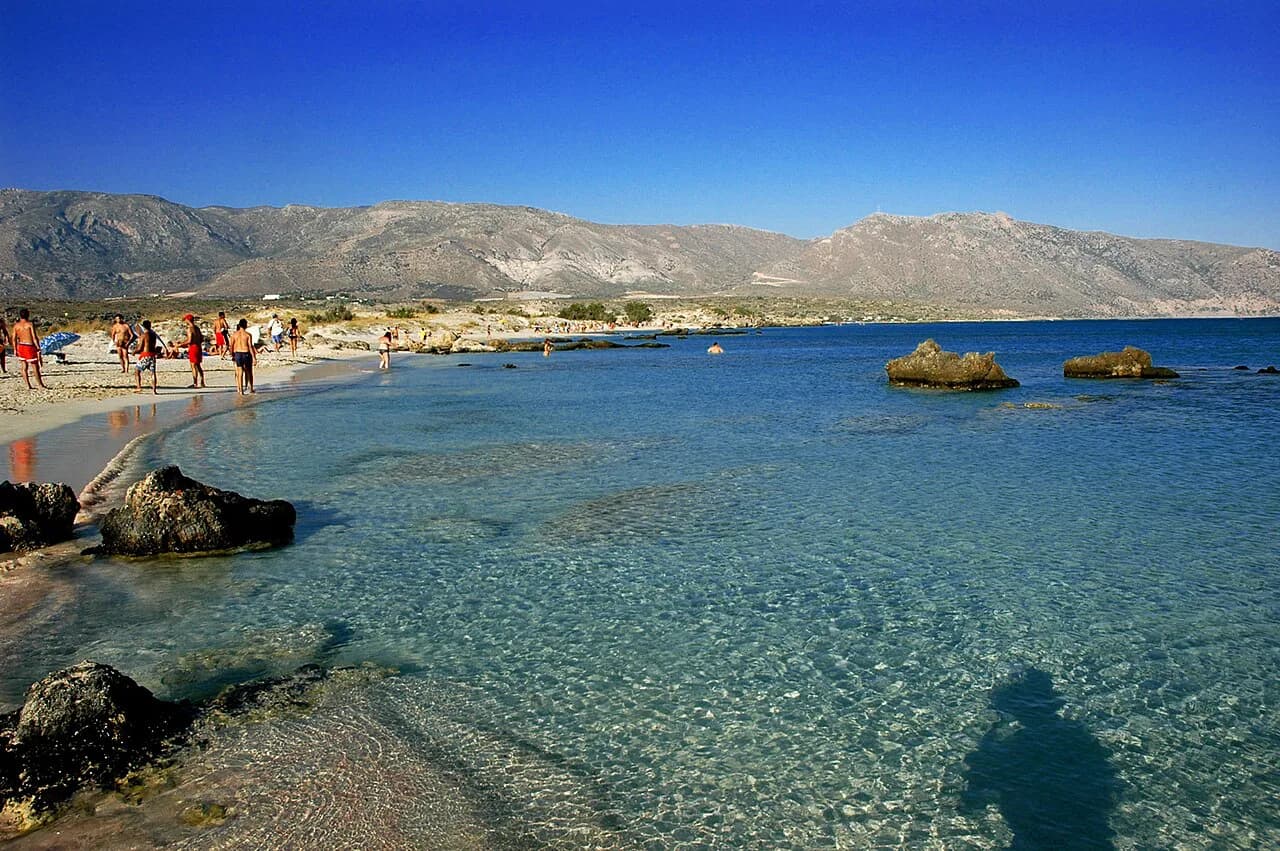
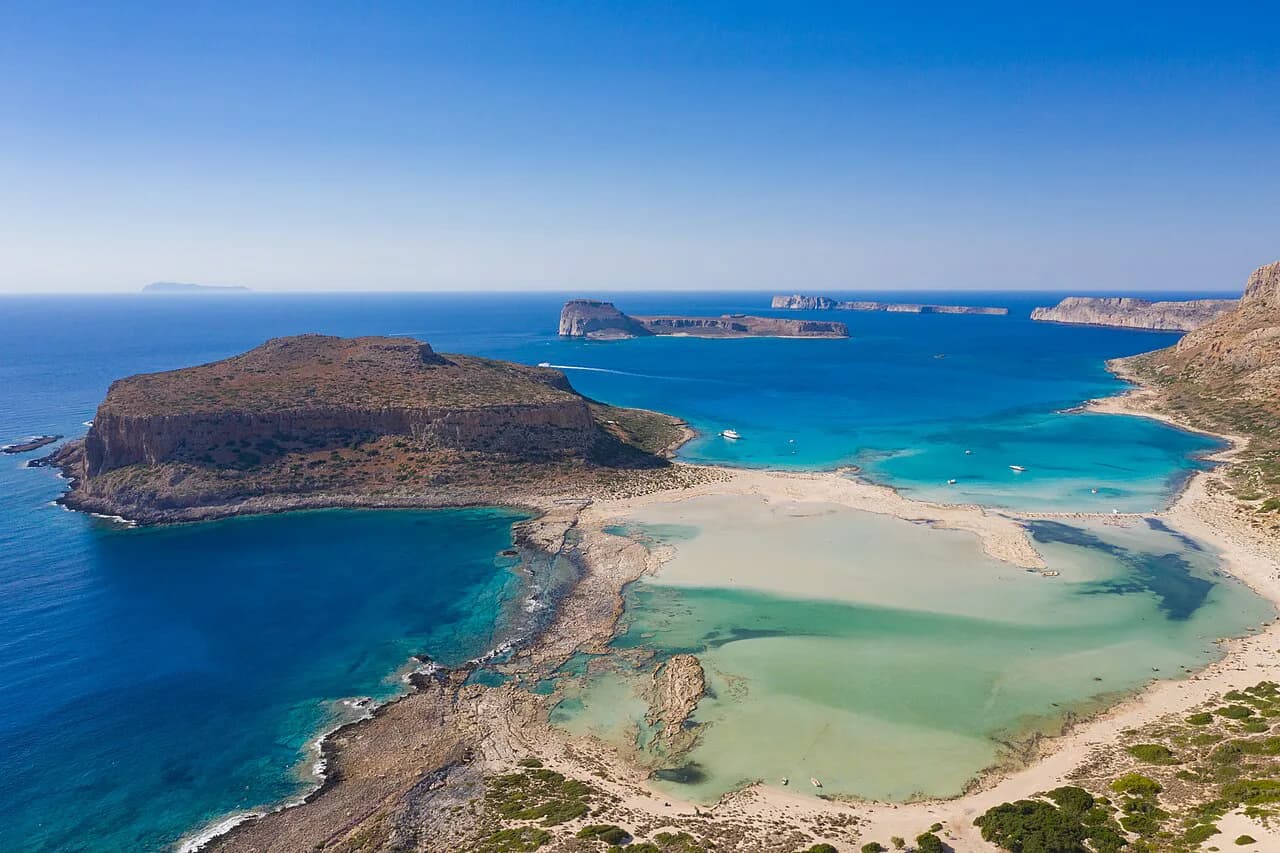
For a change of scene, the long sands at Agia Marina beach and its water sports sit a short drive back towards Chania town, and the far-west showpieces such as Elafonissi beach and Balos lagoon deserve a separate, earlier start. Our Chania Town guide covers the town beach option for days when you do not want to drive at all.
Practical kit for a day at Marathi
Pack light but deliberately: swimwear, a towel each, high-factor sunscreen, hats, refillable water bottles and cash or a card for sunbeds and lunch. Add snorkels for the rocky edges, water shoes for tender feet and a dry bag for phones. If you are not hiring a sunbed, bring a beach umbrella, because the sand offers little natural shade.
Take your rubbish away with you and keep to the marked areas at the back of the sand. The bay is a working, popular shoreline rather than a reserve, and small habits keep it pleasant for the families who come after you. Leave valuables at the hotel and take only what you need to the water's edge.
Plan Your Marathi Beach Day
Marathi Beach is the low-effort, high-reward option on the Akrotiri Peninsula: shallow water, golden sand, sunbeds and tavernas within a short drive of Chania town and the airport. Arrive early for a front-row sunbed, book lunch by midday, and keep the afternoon free for a swim once the day-trippers thin out.
If you have a second day, use Marathi as your calm base and spend it on the wilder peninsula coves or a boat trip to Seitan Limania. For the full picture of how the region's beaches compare, start with our guide to Chania beaches and plan around the wind rather than against it.
Frequently Asked Questions
Is Marathi Beach worth visiting?
Yes, if you want calm, shallow water and facilities close to the sand rather than a wild cove. Marathi is a small, well-kept beach in Souda Bay with two sheltered coves, golden sand, sunbeds and tavernas behind the beach. It suits families and mixed-ability swimmers, but it is crowded in peak season, so treat it as a morning or late-afternoon beach if you want space.
Where is Marathi Beach in Crete?
Marathi sits on the southern shore of the Akrotiri Peninsula, on Souda Bay, roughly 16 km from Chania town and about 10 km from Chania International Airport. It faces into the bay, which is why the water is usually gentler than on the open north coast.
How do I get to Marathi Beach from Chania?
The easiest options are a taxi from Chania town or a short drive out along the airport road onto the peninsula. Taxi drivers in Chania are willing to run passengers to the beach, and if you drive, arrive before mid-morning for a parking space and a sunbed. There is no boat service to the beach itself.
Is Marathi Beach good for families with young children?
It is one of the better choices around Chania for young children, because the two coves are sheltered and the water stays shallow close to shore. Sunbeds, umbrellas and tavernas are right at the sand, so you can manage a full day without long walks. Bring your own shade if you are not renting, and keep an eye on the flags whatever the forecast.
When is the best time to visit Marathi Beach?
The swim season runs from about April to October. June and September give warm water with lighter crowds than July and August, when sunbeds fill early and the tavernas get busy. Whichever month you choose, mornings are quieter than midday.
Which beaches are near Marathi Beach?
Seitan Limania is the closest dramatic cove, reached by a steep 10-15 minute descent or by boat from Chania. Stavros and the longer sands at Agia Marina are easier, family-friendly alternatives, while Elafonissi and Balos are far-west day trips that need an early start.
Sources
Beach notes for your next trip
Optional updates when we add or revise beach guides.
You might also like
Continue reading
More guides you'll find useful