Falasarna Beach, Crete: Chania Bus Guide, Sand and Sunbeds
Plan a day at Falasarna beach from Chania with summer bus times, soft sand and clear water, sunbed hire, wind and shelter, and quieter sand to walk to.
On this page
Falasarna rewards the effort of crossing Crete's western end: soft sand underfoot, clear water and enough beach that a June afternoon still leaves room to spread out. It suits families who want a long shallow-ish walk-in, swimmers who like open water, and anyone who would rather have space than a resort strip.
The beach sits on the far west coast, a long drive or bus ride beyond Chania, and that distance is exactly why it feels less hemmed in than the beaches closer to town. Plan the day around the transport rather than the other way round, because the last bus back leaves in the late afternoon.
Where Falasarna sits
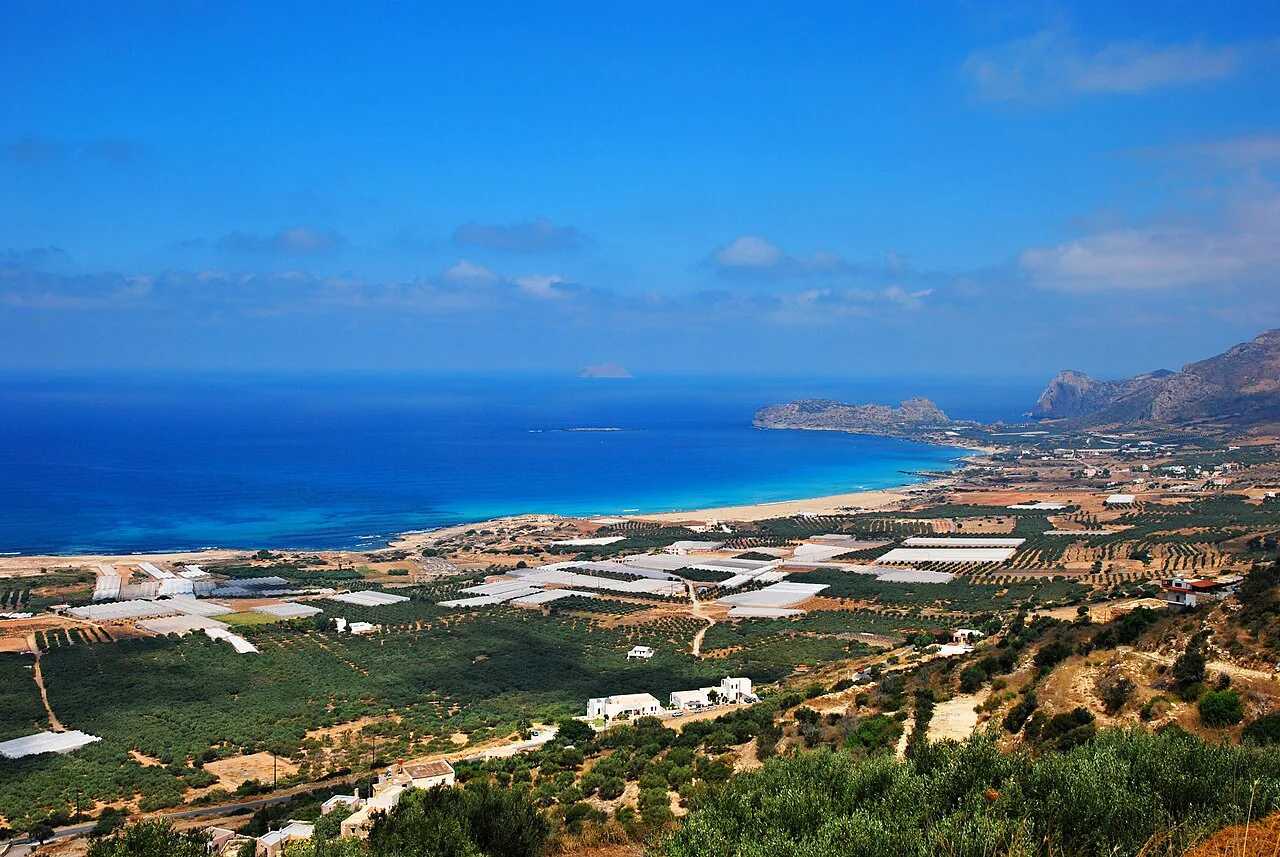
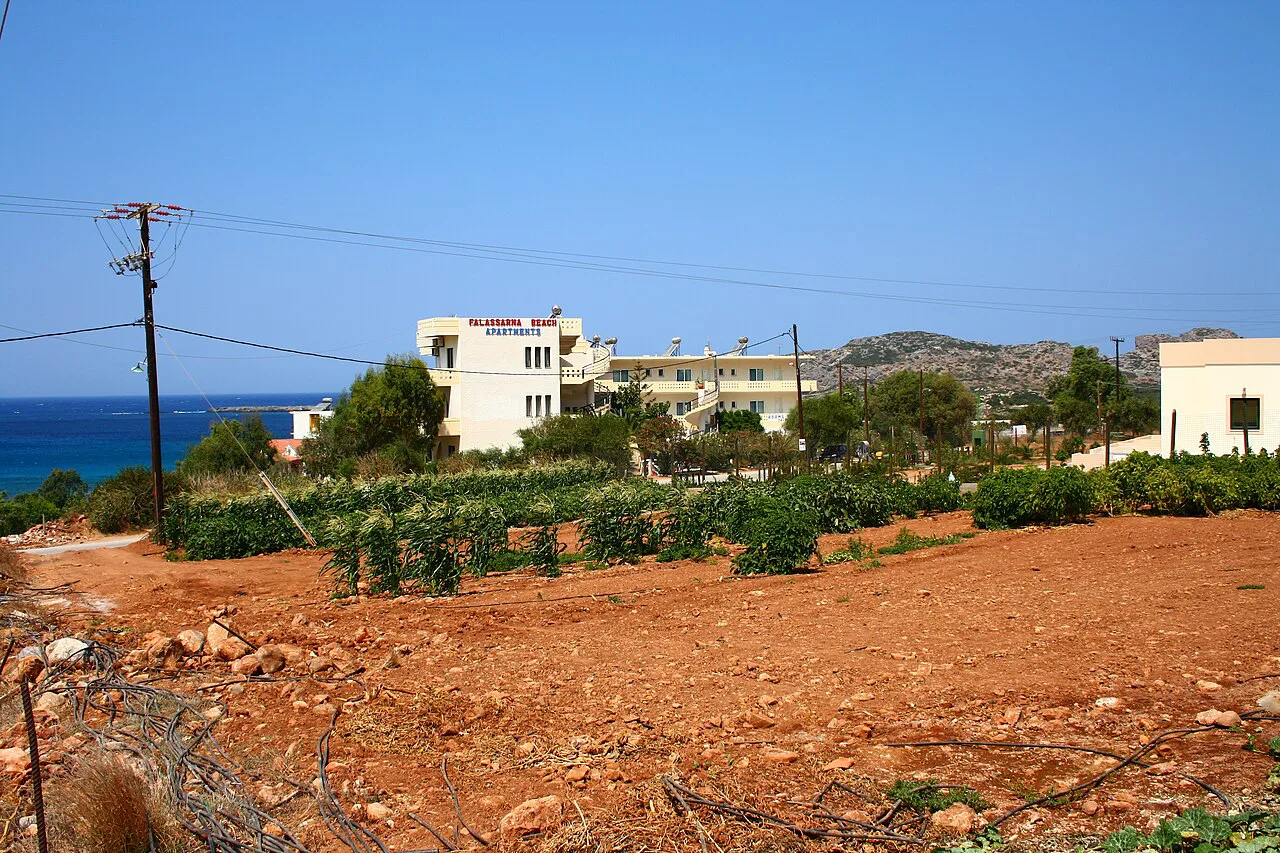
Falasarna occupies a broad sweep of coast at Crete's western tip, well beyond Platanias and Kissamos, with the main organised stretch backed by a handful of tavernas and rooms. The beach is famously large: one of the longest and widest on the island, with genuinely soft sand and clear water rather than the pebbles common elsewhere on this coast.
Size is the point. The organised section with sunbeds and beach restaurants is only one part of the sand, and walking a few minutes along the shore puts you among people carrying their own umbrellas and towels. For an overview of how this fits with the rest of the region, the wider set of Chania beaches runs from town beaches to these western giants.
Getting there by public bus from Chania
The public bus from Chania takes roughly 90 minutes, or about 75 minutes from Platanias, and runs three times through the morning with three returns in the afternoon. The final return leaves at 5pm, which makes the day finite: an early start buys you the most swimming time, and a late one leaves little margin.
The fare is €6 per person each way, so a couple travelling out and back should budget for double that. Treat the timetable as a summer-season pattern and buy your ticket from the driver or the Chania bus station, arriving early enough to board the first departure you can manage.
The bus drops you near the beach access rather than at the water's edge, so allow a short walk with your kit. Bring water and shade from Chania, since the middle of the day on open sand is exposed and the wind can disguise how strong the sun is.
Getting there by car or on a tour
Driving gives you the freedom to arrive before the coaches and to leave when the wind picks up, and the approach road drops down towards the beach through low hills. Parking arrangements and any charges are handled locally, so look for signage on arrival rather than relying on a figure quoted elsewhere.
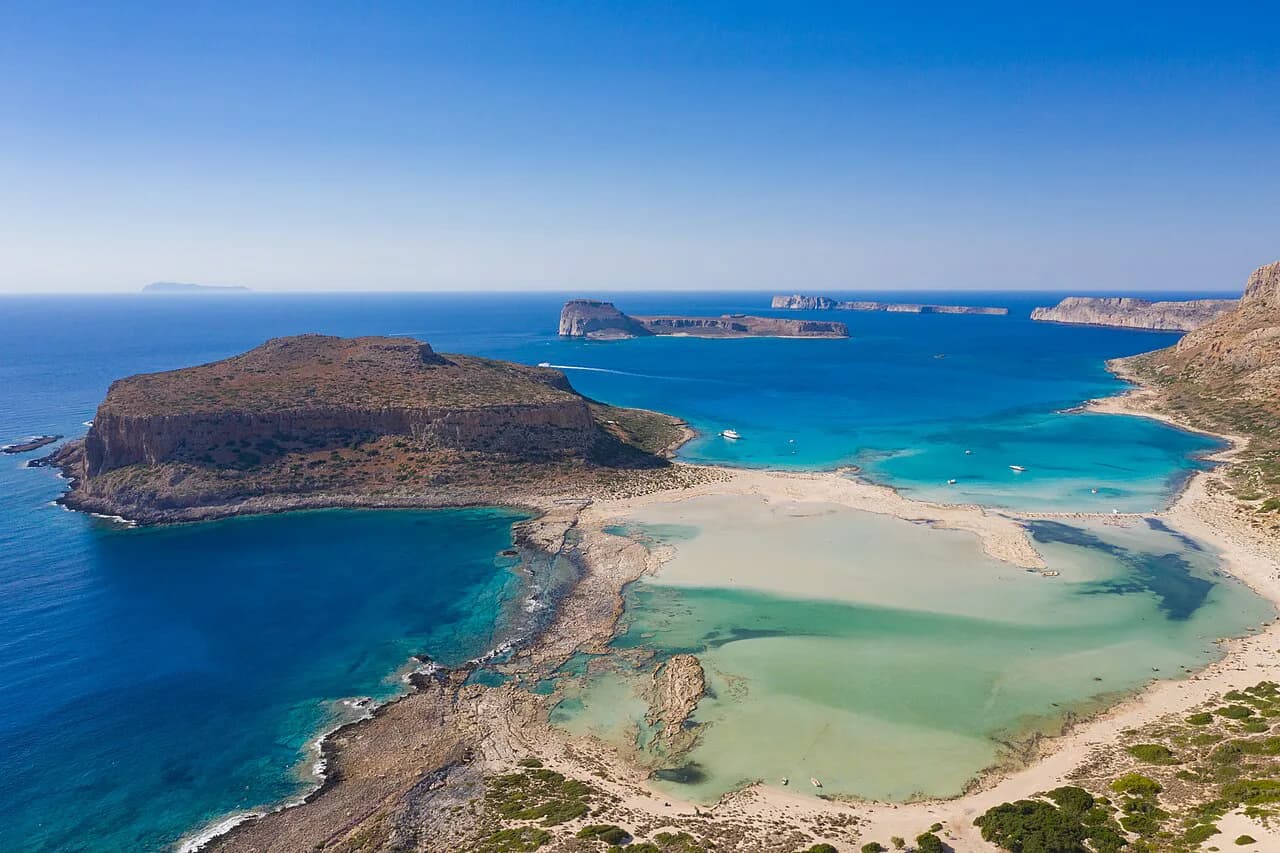
Tours from the Chania area bundle transport with other west-coast sights. A coach-and-ferry day trip to Balos beach, for example, was priced at €48 including hotel pick-up, the crossing from Kissamos port and the return coach, while an Elafonisi trip cost €28 for transport alone. If you would rather spend the day on a boat than on sand, the Balos lagoon trip is the obvious alternative.
The sand and the water
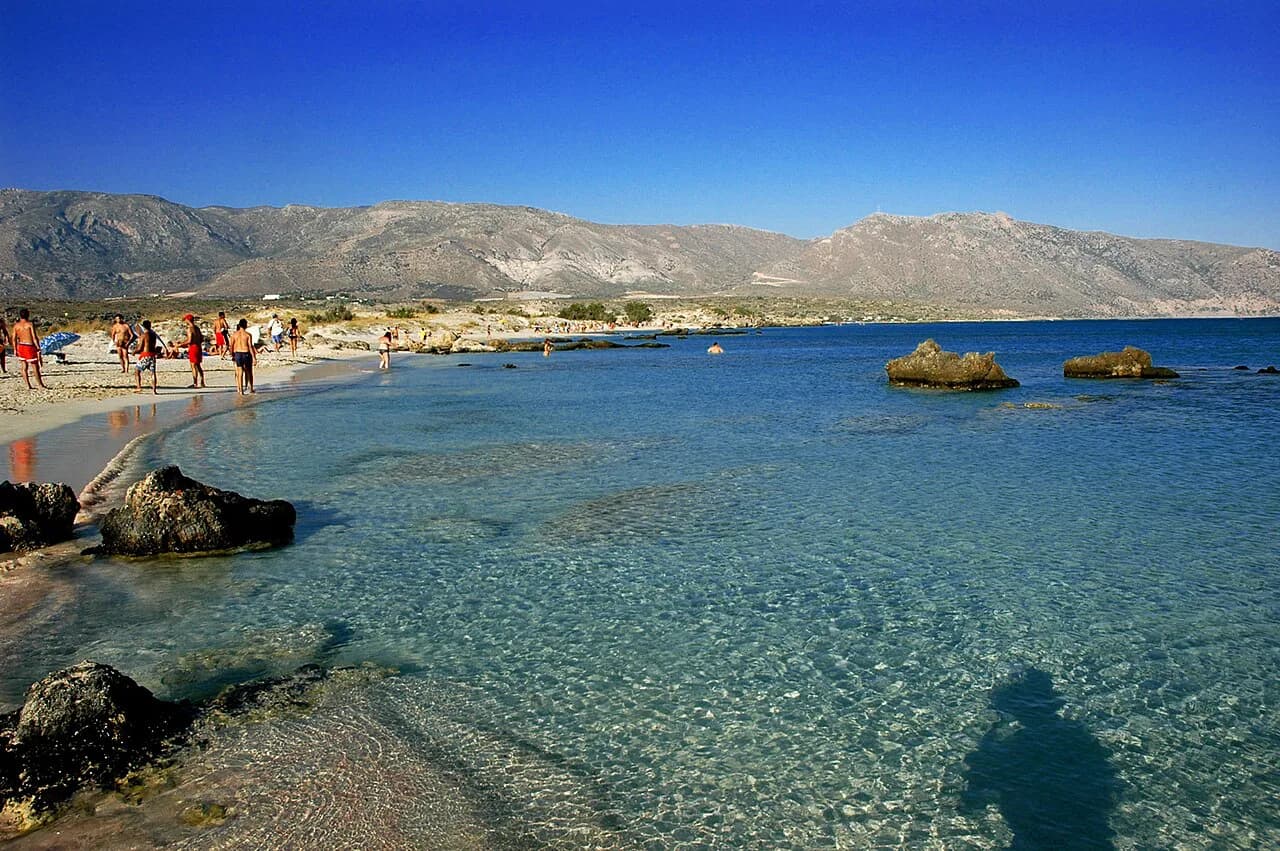
The sand here is soft and warm, and the water is crystal clear and cool rather than bathtub-warm. Because the beach is broad and gently shelving in the main swimming area, there is plenty of room to stand and paddle before the water deepens, which is what makes it work for families with small children.
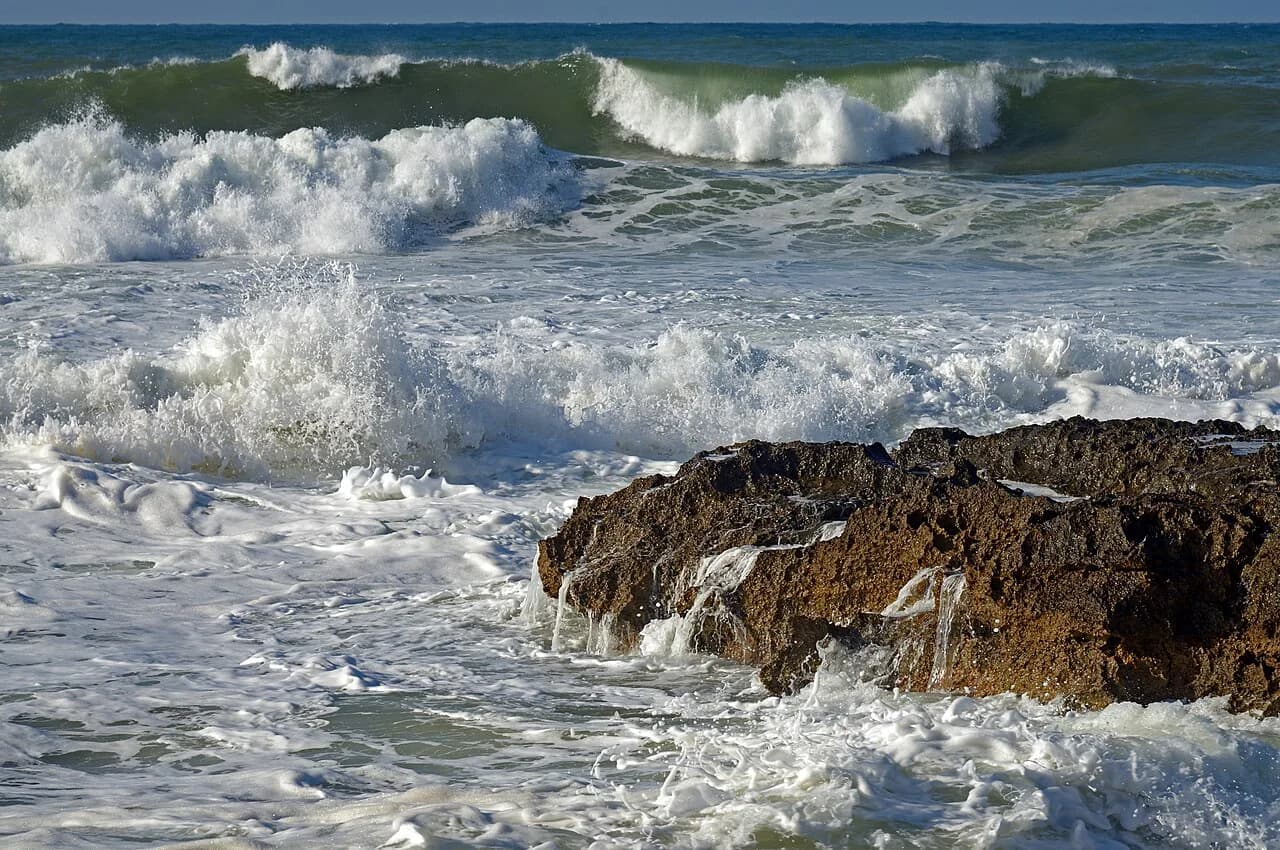
The defining feature of a Falassarna day is wind. It builds through the day and can be strong enough that you do not feel yourself burning, so reapply sun cream on a schedule rather than waiting to feel hot. When the breeze is up, the more sheltered spots sit back from the open water's edge; the trade-off is a longer walk to the swim.
Swimmers who like to cover distance will find the length of the beach suits a long parallel-the-shore swim, while snorkellers should head for the rockier ends rather than the central sand. Check the flags before you go in, since conditions on an exposed west-facing coast change with the weather.
Sunbeds, umbrellas and eating
On the main organised stretch you can rent two sun loungers and an umbrella, which one visitor paid €8 for the day, including waiter service for food and drink from the neighbouring beach restaurant. For a couple that works out cheaper than buying lunch and drinks piecemeal elsewhere, and it saves carrying kit from the bus.
If you would rather not pay, there is ample free sand along the beach for your own towels and umbrella, and this is where the quiet is. Tavernas sit just up the hill from the main beach, including Adam's, where souvlaki, Greek salad and tzatziki make an easy late lunch before the final bus.
The area's official guide lists restaurants, cafés, snack bars and water sports along this coast, which is the most reliable place to see what is operating in a given season. Local businesses and services are listed there too, useful if you decide to stay overnight rather than rush the return bus.
How busy it gets
Falasarna is busy in high season but rarely feels crowded, because the sheer size of the beach absorbs the numbers; even in June it was easy to find a quiet spot. The concentration of people is around the sunbed concessions and the main access points, not along the whole shoreline.
If you want space, walk a few minutes away from the main rental area before settling; the sand continues, and the further you go the fewer people you will share the water with. Arriving on the first morning bus also means you claim your spot before the day-trippers settle in.
Best time to go
The summer bus service runs from June through to August, which is also when the sea is at its warmest and the beach at its busiest. June gives you warm water with more elbow room, while July and August bring the fullest buses and the strongest case for booking accommodation nearby instead of day-tripping.
Whatever month you choose, plan around the afternoon wind: swim and sunbathe in the morning, eat a late lunch up the hill, and use the last part of the day for the return journey. That pattern also matches the bus schedule, with the final departure at 5pm.
Nearby beaches and combining
Elafonissi is the other big west-coast day out from Chania, and the public bus there ran at 9am with a 5pm return in the summer months, so the two beaches compete for the same day. Choose Elafonissi for its lagoon-like shallows and Falassarna for a longer, wider stretch of open sand with more room to walk. If you are weighing the same trade-off among the Cyclades, the beaches in Naxos offer a comparable choice between sheltered shallows and long open sand.
If you are based in Chania Town and want a swim without the long ride, the city's own beach at Nea Chora is a short walk from the old town and works well for an early-morning dip before a day trip. Staying closer still, Agia Marina beach sits along the coast towards Platanias and suits a low-effort beach afternoon.
Plan Your Day at Falasarna
Build the day around the bus: take an early morning departure from Chania, swim and sunbathe before the wind builds, then eat up the hill before the 5pm return. Paying for sunbeds on the main beach buys shade and service; bringing your own umbrella buys quiet further along the sand.
The Chania bus operator publishes current departures and fares, and the local tourist office can confirm what is running, since the three-morning, three-afternoon pattern is a summer arrangement. Pack high-factor sun cream for the wind, water for the sand, and cash for the driver.
Frequently Asked Questions
How do I get from Falasarna beach to Chania?
Take the public bus, which runs three times through the morning from Chania and three times back in the afternoon, with the final return at 5pm. The journey takes roughly 90 minutes from Chania and about 75 minutes from Platanias. The current timetable is published by the Chania bus operator.
How much is the bus from Chania to Falasarna beach?
The summer service was charged per person each way, and the Chania bus operator publishes the current fare. Buy your ticket from the driver or at the bus station, and budget for the return leg as well as the outbound one.
What time is the last bus back from Falasarna to Chania?
The final return bus left at 5pm in the summer pattern, which gives you a full day on the sand if you take one of the morning departures. Plan lunch and your swim around that deadline rather than relying on a later service.
Is Falasarna beach sandy?
Yes. The beach is broad and made of soft sand rather than pebbles, with clear water in front of it. It is one of the longest and widest beaches on Crete, so there is plenty of room for towels away from the sunbed areas.
Is Falasarna beach windy?
Wind builds through the day on this exposed west-facing coast, and it can be strong enough that you do not notice the sun burning you. Use high-factor sun cream and reapply it regularly, and choose a spot set back from the water's edge if you want shelter.
Which beach is better, Balos or Elafonisi?
They suit different days. Elafonisi is the straightforward west-coast bus trip with a 9am departure and 5pm return, while Balos is usually reached on an organised coach-and-ferry tour. Pick Elafonisi for an easy beach day and Balos if you want the boat crossing and lagoon scenery.
Sources
Beach notes for your next trip
Optional updates when we add or revise beach guides.
You might also like
Continue reading
More guides you'll find useful