Las Alcaravaneras Beach Guide: Las Palmas' City Beach
Plan a day at Las Alcaravaneras, Las Palmas' second-largest beach: a kilometre of city sand facing the port, with lifeguard cover, a balneario and a promenade.
On this page
Las Alcaravaneras suits travellers who want a real city beach rather than a resort strip: families with young children, casual swimmers and anyone staying in Las Palmas who prefers a shorter walk to a longer one. It is the capital's second beach by size, and it behaves like a working neighbourhood beach, with local sports on the sand and the port cranes in view.
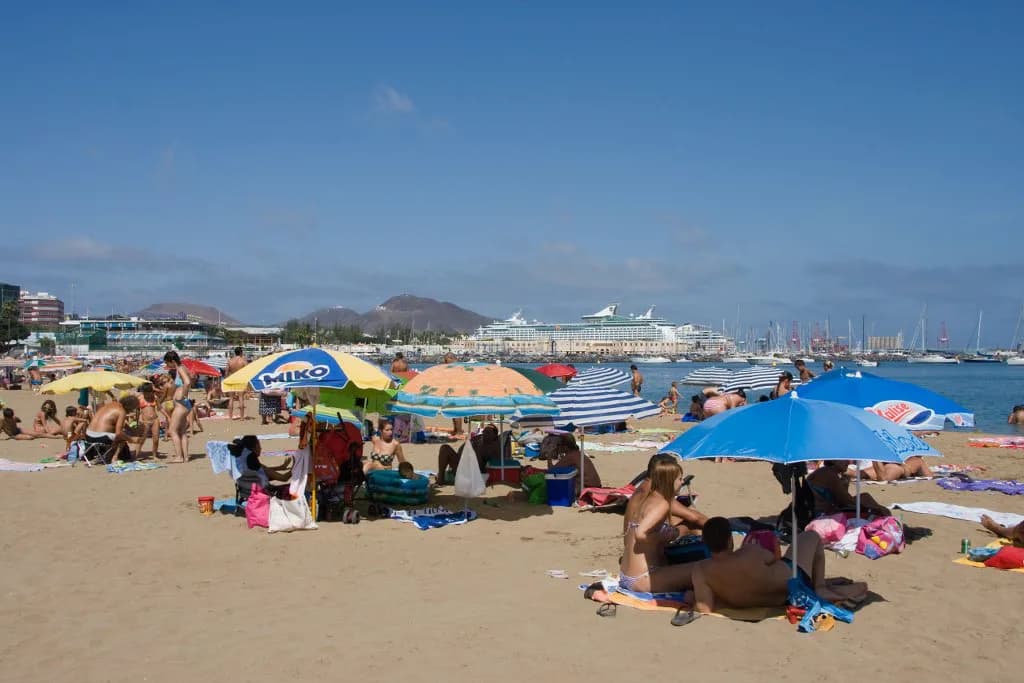
The trade-off is the backdrop. The sand faces the Puerto de La Luz docks, so your horizon is shipping rather than open ocean, and the payoff is a bay that stays noticeably gentler than the city's ocean-facing side. Come for an easy swim, a promenade lunch and space for children to run, not for a postcard cove.
Where the beach sits
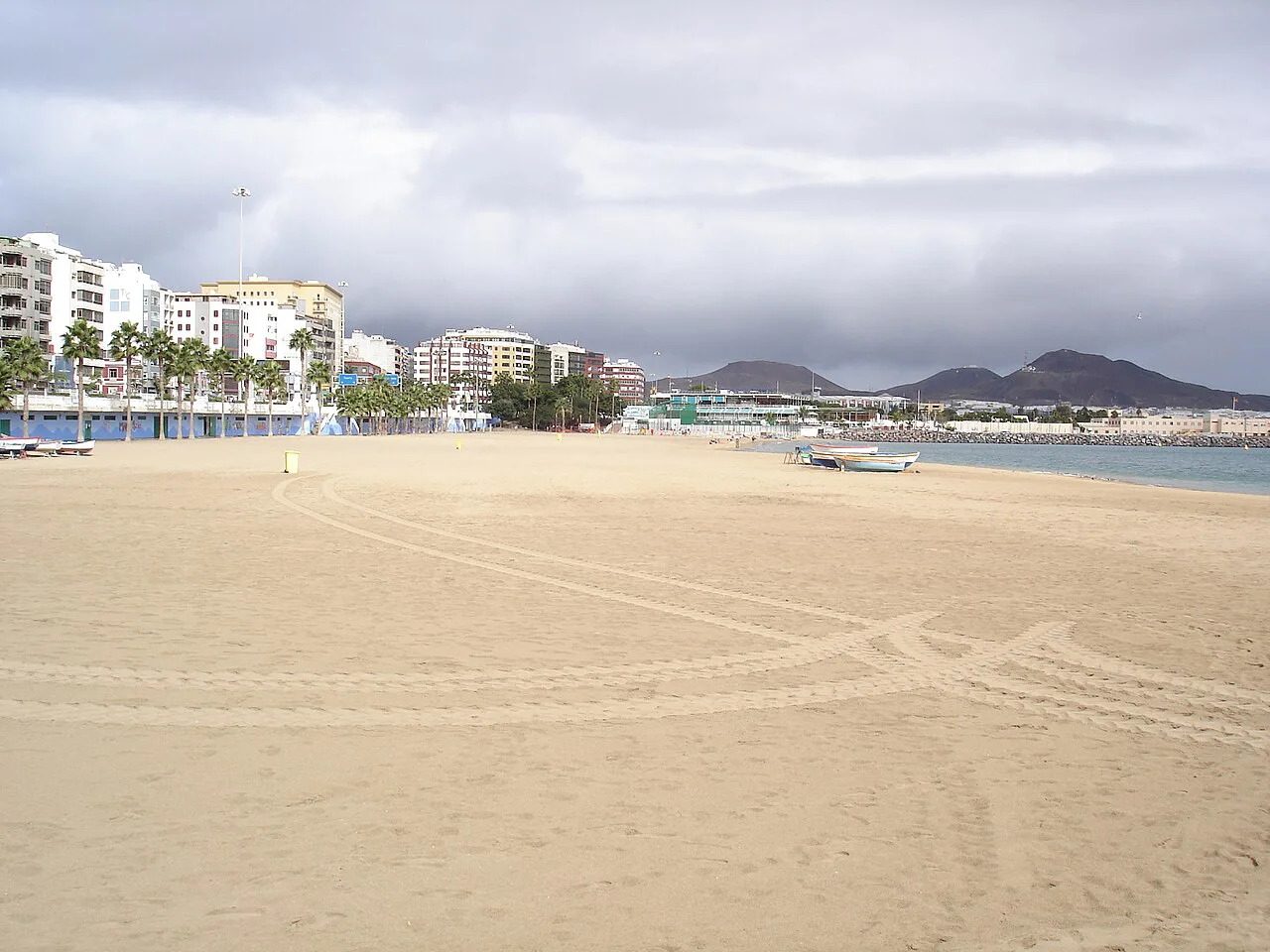
Las Alcaravaneras occupies the eastern face of Las Palmas de Gran Canaria, laid out in front of the port. The municipality gives its size as just over a kilometre long and almost a hundred metres wide, which makes it a proper stretch of sand rather than a pocket cove.
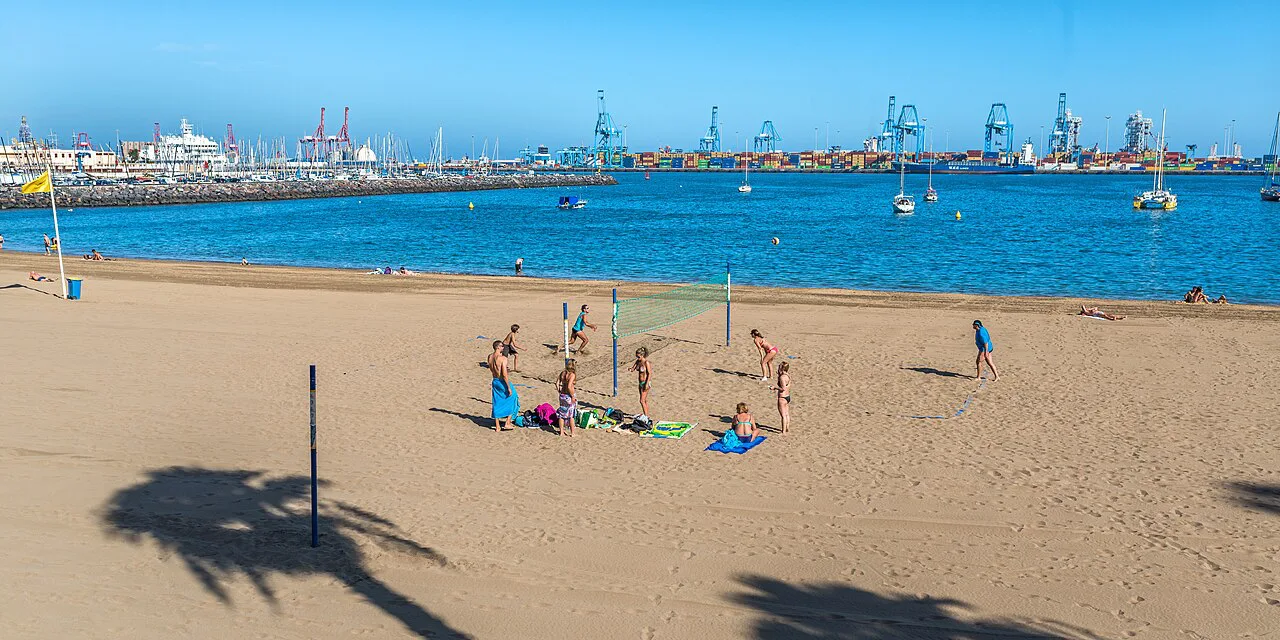
Because it fronts the docks, the view out to sea is broken by quays and moored vessels, and the bay is enclosed by harbour infrastructure. The city's own description treats this as a family and neighbourhood beach with a quieter feel than the more tourist-facing Las Canteras, and that is the fairest way to read it.
Practically, that means you can base yourself anywhere central in Las Palmas and treat the beach as part of the day rather than an expedition. If you are comparing the island's bigger-name sands, the wider selection in this guide to Gran Canaria beaches helps you weigh a city swim against the southern resort beaches. For an island-hop comparison, the black-sand La Palma beaches offer a very different kind of bay.
Getting there
Las Alcaravaneras is a city beach, so the simplest approach is on foot from central Las Palmas or from the cruise and ferry terminal area, following the seafront towards the port side of the city. The promenade running beside the sand is the natural arrival route and puts you straight among the bars and restaurants.
Local buses serve the city and the beach's own neighbourhood, and the municipal beach pages sit within the Ciudad de Mar site that covers the capital's beaches and their services. Fares, line numbers and timetables change, so take those from Guaguas Municipales or the tourist office rather than from any plan made in advance.
Drivers should expect an urban parking picture rather than a beach car park: the streets behind the promenade are residential and busy, and a space near the sand is a matter of timing. Arriving before mid-morning gives you the best chance, and leaving the car behind for a taxi or bus removes the problem entirely.
The sand and the water
The beach is sand, arranged in a broad, shallow curve along the bay, and the enclosed position behind the docks keeps the water inside noticeably more sheltered than the city's exposed Atlantic side. The municipality describes the bay as a calm stretch used for kayaking, paddle surf and sailing.
Because it is a city beach with a working port alongside, the setting is urban rather than wild: ships and harbour structures are part of the view, and swimmers share the water with paddlers and small sailing craft. Reviews of the beach point to the industrial port facing the sand as the reason it feels less scenic than Las Canteras.
For families with small children, that enclosed bay is the main draw: there is room to spread out, the sand is easy to dig in, and the promenade means you are never far from a drink or a loo. Swimmers should still read the flags and any notices posted on the day rather than assume conditions hold all week.
Wind and shelter
The bay's orientation means the beach is at its most comfortable when the dominant trade winds are blowing and the harbour arm takes the edge off the swell. Those are the days when the water stays workable for casual swimmers and the sand stays usable for games.
When Atlantic swell works its way in, the character changes and the same bay can feel choppier, particularly at the more open end of the curve. A simple plan helps: walk the length of the promenade first and set up where other families and swimmers have gathered, since regulars read the day's conditions better than any forecast.
Shade is limited to what the promenade buildings and trees give you at the back of the sand, so bring an umbrella if you plan to stay through the middle of the day. The bars and restaurants along the promenade are the obvious refuge when the sun is at its strongest.
Who it suits
Families with children are the clear audience: the shallow curve, the promenade behind the sand and the short hop back into the city make it a low-stress beach day. Casual swimmers who want a dip without a long journey also get what they came for.
The sheltered water is what makes the beach a base for watersports, and the city lists canoeing, paddle surf and sailing among the activities practised in the bay. If you want to try a board or a kayak, this is a friendlier setting than an exposed ocean beach.
Quiet-seekers should look elsewhere on the island; this is a city beach and it fills up. Travellers who want a long, walkable urban beach with more dining and a surf scene should head for Las Canteras beach on the other side of the city instead.
Sports on the sand and water
The sand is used as a sports venue, with beach volleyball, beach tennis and football events held on it regularly, which is part of why the beach feels like a lived-in neighbourhood space rather than a tourist set-piece. Expect nets, groups and matches on some days, especially at weekends.
On the water, the bay's shelter supports paddling and small-boat sailing, and the harbour setting means there is plenty of activity to watch if you would rather sit it out. Book any hire or lesson directly with the hire company or school on the promenade and agree the price before you set off.
Facilities
The beach is equipped with a balneario and a lifeguard and surveillance service, according to the city's own beach page. Treat that as seasonally provided cover rather than a guarantee, and swim where the flags and lifeguards indicate.
Behind the sand runs a promenade lined with bars and restaurants, which is where you eat, drink and shelter from the sun. This is the practical heart of the beach: you can arrive with nothing but a towel and still find lunch within a couple of minutes' walk.
Sunbed and parasol hire, shower and toilet provision and accessible access are handled on the ground, and any charges are set locally. Ask at the balneario or the nearest bar on arrival, since published rates for the season are the only reliable guide to what you will pay.
Crowds and timing
Weekday mornings are the calmest window, when the sand is mostly locals and the promenade is quiet. Weekends bring the beach sports crowd and families, and the summer school holidays are when the sand fills earliest and stays full longest.
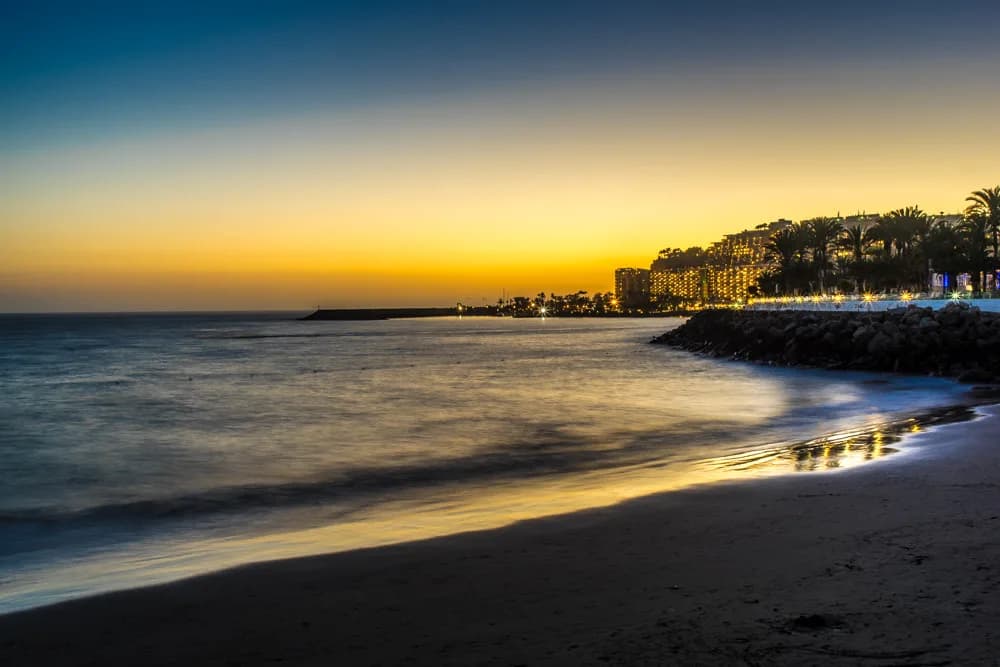
If you want a lounger and a spot near the water, arrive early in high season; if you just want a swim, late afternoon is easier and the light on the harbour is at its best. The beach is a year-round city amenity, so out-of-season visits are perfectly viable for a walk and a coffee even when swimming is not on the agenda.
Best time to go
The sea around Gran Canaria is at its most comfortable for long swims from late summer into autumn, when it has had months of sun to warm through, and it stays swimmable well into the shoulder season. Spring is pleasant for paddling and walking the promenade, with the water still on the cool side for lingering.
For weather rather than water, the island's sheltered southern resorts have the more reliable sun record, which is why the big package hotels cluster there. The capital's beach is a city beach first, so plan it around your sightseeing rather than building a fortnight around it.
Travellers comparing the south's resort beaches might look at Playa del Inglés for a longer, livelier strip with a very different feel from this urban bay.
Nearby beaches
The obvious pairing is Las Canteras, the capital's long ocean-side beach, which gives you the other half of a Las Palmas beach day: more restaurants, a surf scene and a very different view. Walk or take a short city transfer between the two and you have covered both of the city's main beaches.
Further along the city's coast, the smaller coves of San Cristóbal and La Laja, plus El Confital beyond Las Canteras, are listed among the capital's beaches and suit a quieter hour away from the main strips. They are city beaches too, so the same advice applies: go early and treat the promenade as your base.
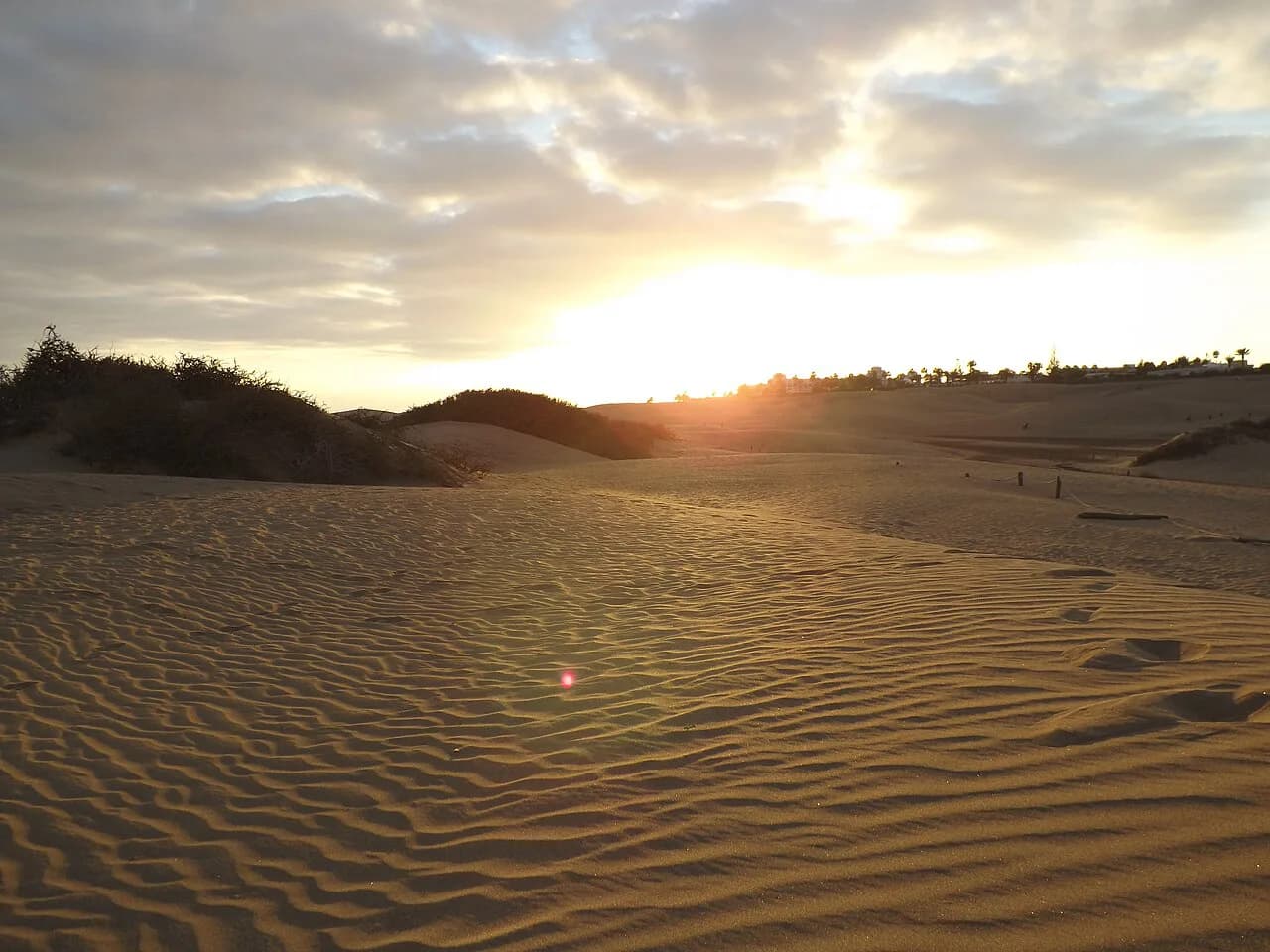
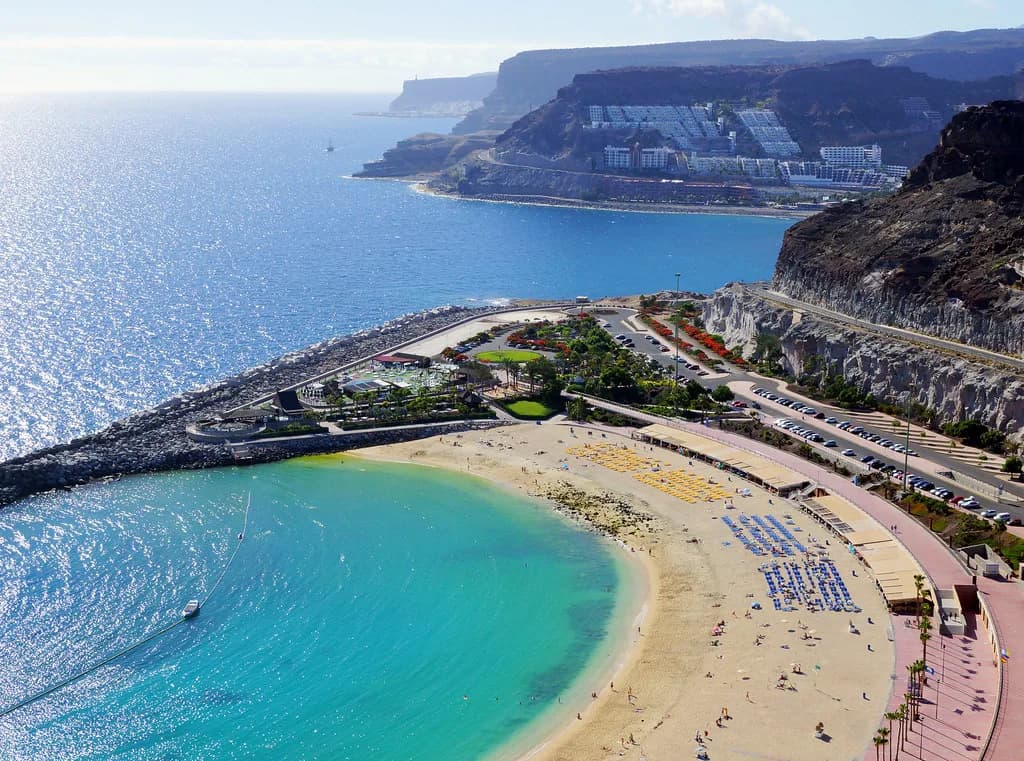
If you want to add a southern beach day to a city stay, the dunes at Maspalomas and the sheltered curve at Amadores beach give you two very different versions of a Gran Canaria beach day within reach of the resorts.
Practicalities for a city beach day
Pack for an urban beach: towel, water, sun cream and an umbrella for shade, since the sand offers little natural cover in the middle of the day. A light bag you can carry to the promenade beats a full beach kit when everything you need is minutes away.
Keep valuables to a minimum and use the promenade bars as your checkpoint for drinks, toilets and shade. The port setting also means harbour traffic and watersports share the bay, so keep an eye on children near the water's edge and follow any marked areas.
Finally, treat the beach as a half-day rather than a full-day destination and pair it with the city: the old town, the port area and the promenade all sit close enough to combine. That is the honest appeal of Las Alcaravaneras, a real city beach you can fold into a day in Las Palmas.
Bringing a dog to Las Alcaravaneras
The beach is run under the city's Ordenanza Municipal de Playas y Litoral, the municipal beaches and coastline ordinance published through the Ciudad de Mar pages of the Las Palmas de Gran Canaria council site. Its listing for Las Alcaravaneras sets out the beach's own information, location, services and water-quality data, and it is there that the rules for beach use are gathered, so the ordinance is the reference point for what is and is not permitted on the sand at Las Alcaravaneras.
In practice the beach is described by the council as a family and neighbourhood destination, more local in character than Las Canteras, with a promenade beside the sand lined with leisure and restaurant businesses, a balneario, and lifeguard and surveillance services. Those services, the bathing area and the busy sports calendar all operate on the same sand, so a dog on the beach shares the space with swimmers, beach volleyball, beach tennis and football events that are held there regularly.
The water itself is calm rather than open: the nearby docks turn the bay at Las Alcaravaneras into what the council calls a paradise of tranquillity, used for kayaking, paddle surf and sailing. The beach is just over a kilometre long and almost a hundred metres wide, on the eastern face of the municipality, opposite the port. For a dog owner, that calm bay and the adjacent promenade mean the walk to and along the beach is straightforward, but the shoreline is a working municipal beach with the services and events listed above rather than a dedicated dog area.
Dogs at Las Alcaravaneras: what the beach's service and safety setup means for a visit
Las Alcaravaneras is described by the city's own beach service, LPAmar, as a family and neighbourhood beach, and it is listed among the beaches covered by the municipal ordinance on beaches and the coastline, along with the seasonal service plans and rescue and lifeguard schedules that the council publishes for its beaches. That same source notes that the beach is equipped with a balneario and with lifeguard and surveillance services. For someone travelling with a dog, that means the beach is a managed, supervised stretch of city coastline rather than a wild cove, and any rules that apply to animals come out of that municipal framework rather than from individual hotels or beach bars. The beach sits on the east face of the municipality, facing the port, so the water is calm and used for kayaking, paddle surf and sailing, and sporting events such as beach volleyball, beach tennis and football are held on the sand.
Because the beach is a public one, general island beach etiquette is worth knowing before you set out with a dog in tow. All beaches in Gran Canaria are public, and even where a hotel has paid to improve a beach it must remain accessible to the public. Ball games are supposed to be played 100 metres back from the shoreline, and camping and barbecues are not allowed on any beach, although on quieter stretches these rules are often broken and problems arise if the police come along. Saturdays are much busier than normal as locals use the beaches, and Sundays are very, very busy because most locals are out. The Alcaravaneras waterfront is a livelier, more neighbourhood-oriented destination than Las Canteras, with a promenade alongside the sand offering leisure and restaurant businesses. A beach that is public and busy with local families on weekend afternoons is one where a dog will be sharing space with volleyball games, children and sunbathers, so the calmer weekday pattern is the easier one to plan around.
Two practical points from the island's beach listings matter for timing and comfort. Sun beds cost 2.50 to 3.00 euros for the day and umbrellas another 2.50 to 3.00 euros, depending on the beach, which gives a sense of how the paid facilities are priced along the coast. More relevant if you are staying in the capital and bringing a dog, Puerto Rico, Amadores and Mogan beaches are mainly non-smoking, each with its own smoking zone, and on those three beaches swimming after dark is not permitted. Those are rules for quite different beaches from Las Alcaravaneras, so they are not the rule here, but they show how individual stretches of Gran Canaria coast carry their own conditions. For a city stay, the beach's location in Las Palmas de Gran Canaria also makes it reachable via Gran Canaria airport (LPA), which is how package operators serving the capital list their arrivals.
Plan Your City Beach Day
Las Alcaravaneras rewards travellers who want a straightforward swim and a promenade lunch rather than a resort experience. Build your day around a weekday morning, bring shade, and keep the afternoon free for the rest of Las Palmas.
If you are weighing up the island's other beaches, read the wider guide to Gran Canaria beaches before you commit your days, then slot this one in as the city stop.
Frequently Asked Questions
Where is Las Alcaravaneras beach in Las Palmas?
It sits on the eastern face of Las Palmas de Gran Canaria, directly in front of the Puerto de La Luz docks. The beach runs just over a kilometre along the bay, with a promenade of bars and restaurants immediately behind the sand. It is a short city journey from the centre and the cruise and ferry terminal area.
Is Las Alcaravaneras good for families with children?
Yes, it is the most family-minded of the capital's beaches. The bay behind the docks stays sheltered, the sand is broad and easy to play on, and the promenade puts food, drink and shade within a couple of minutes of your towel. Read the flags and notices on the day and swim where the lifeguards indicate.
How does Las Alcaravaneras compare with Las Canteras?
Las Alcaravaneras is the quieter, more neighbourhood beach, with the working port as its backdrop and a calmer bay for paddling and casual swims. Las Canteras is the longer ocean-facing city beach with more restaurants and a surf scene. Many visitors do both in a single Las Palmas stay.
Can you swim at Las Alcaravaneras?
Swimming is the main reason most people come, and the enclosed bay makes it an easier dip than the city's exposed Atlantic side. The municipality describes the water as calm and used for kayaking, paddle surf and sailing. Conditions vary with swell, so check the flags and posted notices before going in.
Are there lifeguards at Las Alcaravaneras?
The city lists a lifeguard and surveillance service and a balneario among the beach's provisions. Cover is seasonal rather than year-round, so swim where the service is operating and follow its instructions. Ask at the balneario on arrival if you want to know what is running that day.
What watersports can you do at Las Alcaravaneras?
The sheltered bay supports canoeing, paddle surf and sailing, and the sand hosts beach volleyball, beach tennis and football events. Hire and lessons are arranged with operators on the promenade; agree the price before you set off. The harbour traffic means keeping clear of marked areas.
When is the best time to visit Las Alcaravaneras?
Weekday mornings are calmest, and the sea is at its warmest from late summer into autumn after months of sun. The summer school holidays are the busiest stretch, when the sand fills early. Spring is good for paddling and promenade walks, with cooler water for long swims.
Which beaches near Las Palmas are worth combining with Las Alcaravaneras?
Pair it with Las Canteras for the city's other, ocean-facing beach, and add the smaller city coves of San Cristóbal, La Laja and El Confital for a quieter hour. For a southern beach day, the Maspalomas dunes and Amadores beach give you two very different alternatives.
Sources
Beach notes for your next trip
Optional updates when we add or revise beach guides.
You might also like
Continue reading
More guides you'll find useful