Sardinia Beaches: Where to Go and Which Coast Suits You
Plan a Sardinia beach trip with this coast-by-coast guide, from Villasimius and Chia to the Costa Smeralda and Maddalena, with access, facilities and timing.
On this page
Sardinia packs an enormous variety of beach days into one island, and the coast you choose shapes everything else: how you travel, what you carry and how early you set out. The south-east around Villasimius offers shallow water and white sand, the Costa Smeralda adds pine shade to the shallows, and the east coast serves up coves that reward a boat ride or a steep walk. For travellers based in the north, our Olbia beaches and San Teodoro beaches guides cover the closest stretches in detail.
The island is roughly 1,800 kilometres of coastline, and its beaches sit on different seas with noticeably different weather, so a single plan across the whole island rarely works. Base yourself in one or two areas, allow a week if you want both the north and south, and treat driving distances as longer than a map suggests because mountain roads cut across the interior. A car opens up the quiet coves; without one, coastal towns and boat departures matter far more.
Why Sardinia's beaches reward a plan
Sardinia splits into four broad beach zones that each suit a different kind of holiday. The north-east around the Costa Smeralda and Maddalena Archipelago draws anyone who wants granite cliffs, clear turquoise water and Mediterranean vegetation close to the sand. The south-east at Villasimius is family territory, with white sand, shallow blue water and pretty views. Chia in the south-west brings long dunes and lagoons, while the west coast at Is Arutas is the place to go when the east is at its busiest.
Where you stay decides how much time you spend driving. Villasimius suits families, Arbatax puts you near the Baunei coast, and the Costa Smeralda towns work for couples and anyone who wants restaurants and boutiques within reach of the beach. Staying on the west side at Alghero is the sensible choice if you would rather not rely on a car at all. Pick two bases for a two-week trip and accept that crossing the island in a day eats beach time.
South-east: Villasimius, Punta Molentis and Porto Giunco
Villasimius is the most straightforward family base on the island, and Punta Molentis is its signature beach: a cove ringed by rugged hills, around 200 metres long, with shallow water that suits swimming and snorkelling. Children are the obvious winners here, and the town behind the beach has a lively evening scene with tiki bars and restaurants. It sits roughly an hour's drive from Cagliari Airport, so it works as a first stop after landing.
Porto Giunco, on the edge of Villasimius, combines clear blue water with a natural-park setting and views to the Isola dei Cavoli. A short trail leads to the Torre di Porto Giunco, and the lagoon behind the beach, Stagno di Notteri, is a reliable place to spot pink flamingos. Windsurfers and kitesurfers use the beach when the wind picks up, so check the flags before committing children to the water.
Campulongu rounds out the Villasimius trio with rented umbrellas and loungers, showers and changing rooms, which makes it the easiest option when you want a full day without carrying everything. The water is shallow here too, so it pairs well with a morning at Punta Molentis and an afternoon closer to town. Keep an eye on the wind direction: the south-easterly beaches around Villasimius stay more sheltered when the mistral blows.
South: Chia, Su Giudeu and Tuerredda
Chia is a string of connected bays and coves rather than a single beach, backed by dunes and juniper trees that give natural shade at the back of the sand. The lagoon behind Chia beach is a flamingo breeding ground, and the Torre di Chia offers a viewpoint over the whole bay. Surfers and windsurfers favour this stretch because the wind arrives reliably, so families should settle at the more sheltered southern end.
Su Giudeu, about a kilometre south of Chia beach and roughly 50 kilometres from Cagliari's Elmas airport, is a 600-metre beach with reefs just below the surface that make it a good snorkelling and diving spot. It draws the island's surfing crowd and has a single restaurant, so bring water and snacks if you plan to stay through the afternoon. The beach is one of the best in the Cagliari area and worth the drive from the city.
Tuerredda is a small, sheltered v-shaped bay facing south-east with the Isola di Tuerredda about 150 metres offshore, and its combination of clear water and fine sand has made it one of the most photographed beaches in the south. Sunbeds, umbrellas, parking and a restaurant are all on hand. Arrive early in high summer, because the car park fills quickly and the bay feels crowded once it does.
East coast: the Baunei and Dorgali coves reached by boat or on foot
The east coast between Arbatax and Cala Gonone is the wildest part of Sardinia's shoreline, where limestone cliffs drop straight into deep blue water and roads give way to trails and boat routes. Cala Goloritze is the classic example: a small beach of white pebbles between towering cliffs, reachable only on foot or by boat. The descent takes about an hour and the climb back up around 90 minutes, so carry water and food because nothing is sold at the beach.
Cala Luna, near Cala Gonone, can be reached only by boat or by a demanding hike through the Supramonte, which keeps it relatively uncrowded even in high season. Golden sand, deep blue water and caves carved into the rock face give it natural shade for a midday break, and the clear water suits snorkelling. Hikers should treat the return leg as the real effort and start early to avoid the hottest hours.
Boat trips from Cala Gonone and Santa Maria Navarrese link the main coves, and they are the sensible choice if you want to see two or three in a day without committing to a long walk. Choose a morning departure for calmer conditions and more time ashore. Anyone staying in Arbatax is well placed for both the Baunei trails and the boat jetties.
North-east: Cala Brandinchi, Liscia Ruja and Capriccioli
Cala Brandinchi, near San Teodoro, earns its Little Tahiti nickname with fine white sand, shallow water and a fragrant pine forest and dunes behind it. The pines give real shade, which makes it a strong choice for families with young children and for anyone who wants to break up a day in the sun. Sun loungers, umbrellas and food stalls are on the beach, and it fills up, so early morning or late afternoon is the friendlier window.
Liscia Ruja stretches for roughly 700 metres along the Costa Smeralda, framed by granite cliffs and green Mediterranean scrub. It has umbrellas, sun loungers, bars and restaurants, and even in the busy summer months there are quieter corners to claim. This is the pick when you want a proper beach day with lunch and a spritz at hand rather than a self-sufficient expedition.
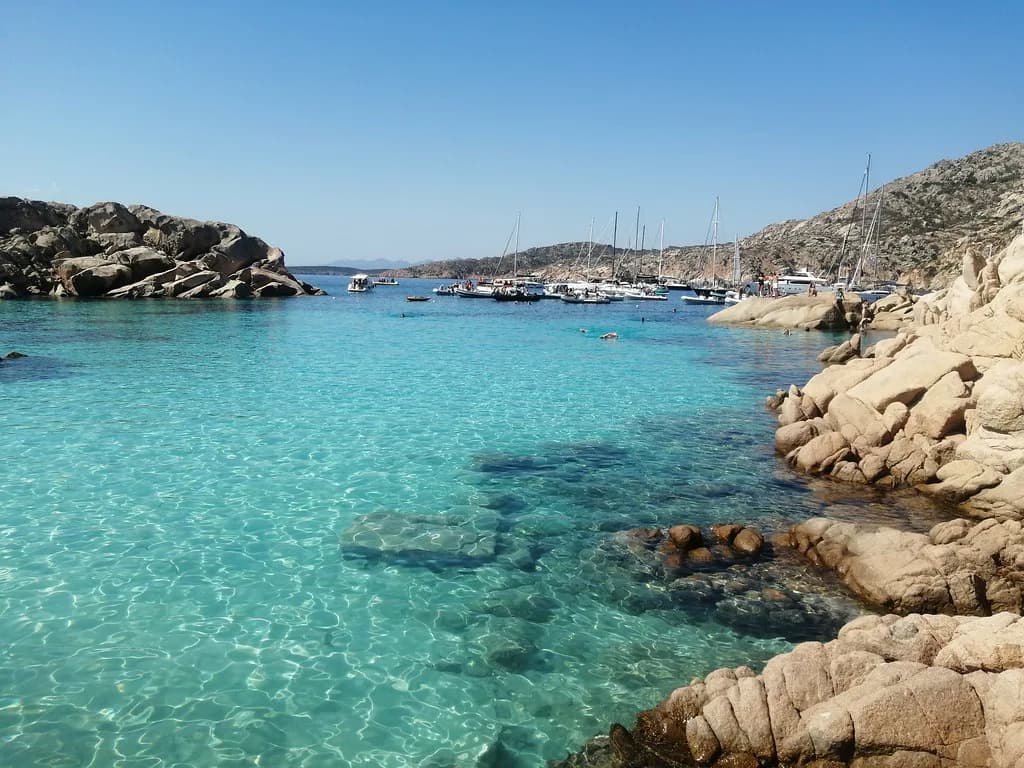
Capriccioli splits into two coves separated by a rocky outcrop, surrounded by granite and Mediterranean vegetation, with the clear water the Costa Smeralda is known for. The rocks make it more interesting for snorkellers than the pure-sand beaches nearby, and the two-cove layout means you can move if one side gets crowded. Porto Cervo is about 30 minutes north of Olbia Airport, so the whole area works well for a short break.
North-west: Stintino and La Pelosa
La Pelosa, at the north-western tip near Stintino, is the beach most often photographed in Sardinia: shallow turquoise water, fine white sand and the Torre della Pelosa standing on a small islet offshore, with Asinara National Park as the backdrop. The shallows make it a natural choice for swimmers and snorkellers, and photographers get their shot from the shoreline. It is also the busiest beach on this coast in peak summer, so aim for early morning or the shoulder season.
Stintino town makes a practical base for this corner of the island, with the beach within walking distance of the centre and the Asinara ferry terminal nearby. Combine La Pelosa with a day on Asinara if you want a change from sand, and keep the afternoon free for the town's restaurants. The crossing to Asinara is a national-park visit, so plan it around the ferry timetable rather than squeezing it into a beach morning.
West: Is Arutas and the Sinis quartz beaches
Is Arutas on the Sinis Peninsula is unlike anything else on the island: the sand is made of small rounded quartz grains in white, pink and green, which gives the beach its rice-grain look. The water is deep blue and the beach stays relatively quiet even in peak season, which makes it the best answer when the east coast is packed. There are no facilities on the beach, so carry food and water and take everything away with you.
The beach sits inside the Sinis Peninsula Marine Protected Area, so the quiet is partly a matter of regulation rather than luck. Snorkelling and diving are the main activities thanks to clear water and abundant marine life. Base yourself at Oristano or Cabras and treat Is Arutas as a half-day trip combined with the nearby lagoons and archaeological sites.
Maddalena Archipelago: beaches that need a ferry and a booking
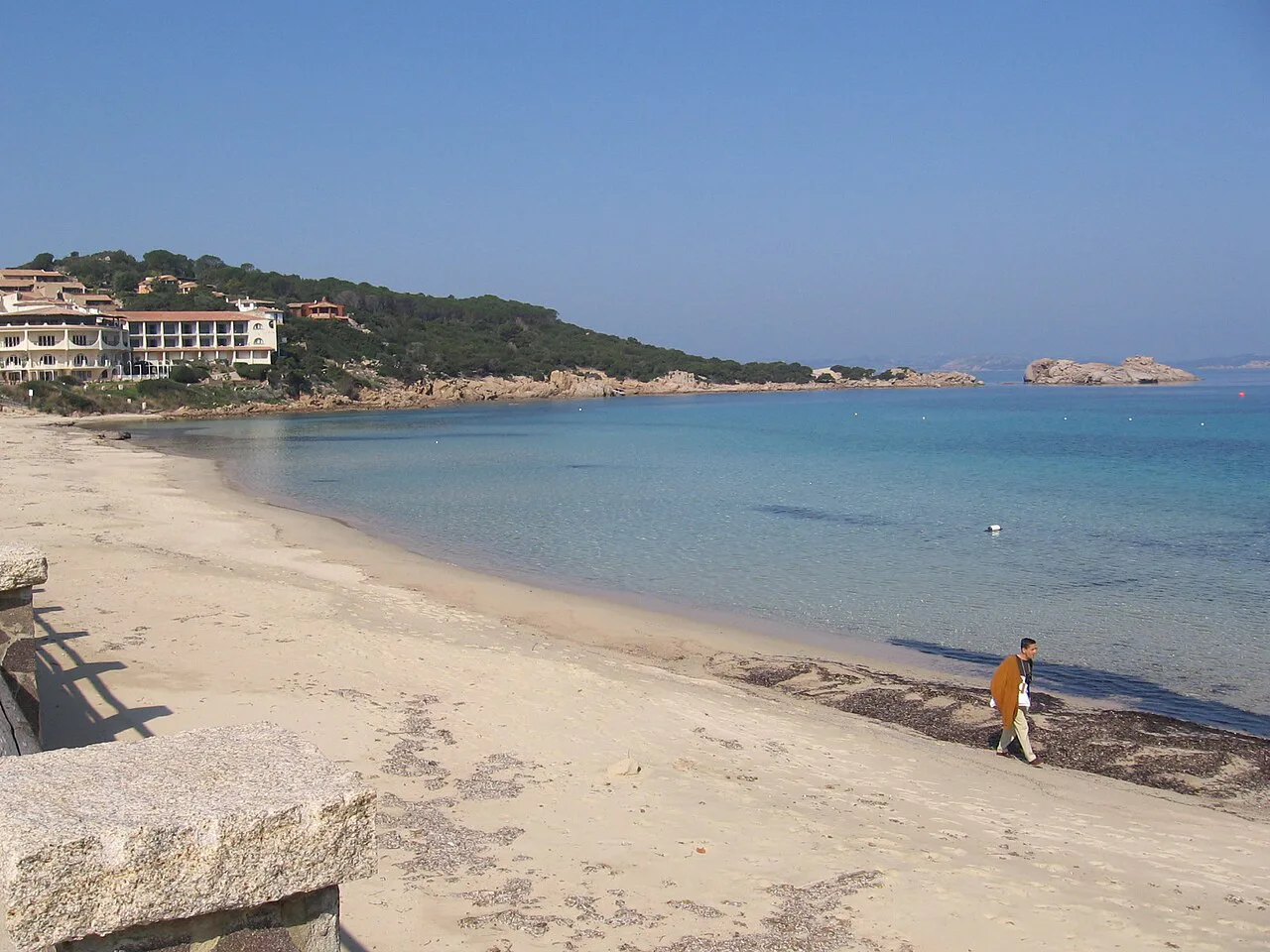
The Maddalena Archipelago sits off the north-east tip of Sardinia and is reached by ferry to La Maddalena, with boats onward to the smaller islands. Cala Coticcio, known as Tahiti Beach, is a tiny sandy cove reached by a guided walk of about 45 minutes that is steep in places and unshaded in others. Entry requires a reservation and a guide, and the per-person guide cost is around 25 euros, a charge introduced after the beach was receiving up to 500 people on some days.
Bassa Trinita on La Maddalena has free parking, a lifeguard service in season and a bar-restaurant, and the water is rocky enough to hold plenty of fish for snorkellers. The sand has a pink tinge, and shade is scarce, so bring an umbrella. It is the easiest archipelago beach to combine with the ferry crossing and a day in La Maddalena town.
Spiaggia del Rellito is small and gets busy in summer, so an early arrival is the difference between finding space and moving on. There are no facilities or amenities on the beach, so bring food, drinks and beach gear. On Maddalena, Cala Francese is a small cove with a second wild beach a short walk away, which suits anyone who prefers a scramble to a lido.
Getting around: car, bus, boat and trail
A car is the practical backbone of any Sardinia beach trip, especially if you want the quieter coves between the main towns. Some access roads are gravel even when maps suggest otherwise, so check your rental agreement covers the surfaces you plan to drive. Fill up before heading into the interior, where fuel stops are further apart.
Without a car, the workable pattern is to pick a coastal town with a good beach on foot and add boat trips for variety. Poetto at Cagliari is 8 kilometres long with kiosks, bars, restaurants and a marina, and city buses run along it, so it makes an easy first day after a flight. The beach is one of the windiest spots on the island, which is good news for kitesurfers and less so for anyone hoping to keep an umbrella upright.
Boat transfers matter most on the east coast and the archipelago, where roads simply do not reach the best beaches. Book day trips from the harbour you are closest to and allow for a full day rather than half. Trails such as the descent to Cala Goloritze suit early starts and sturdy footwear.
Facilities and lidos: where to rent a sunbed and where to carry everything in
Sardinia's serviced beaches cluster around the towns and resort coasts. Campulongu has showers, changing rooms, umbrellas and loungers; Liscia Ruja has umbrellas, sun loungers, bars and restaurants; Tuerredda has parking, beach chairs, umbrellas and a restaurant. Poetto takes it furthest, with beach beds, bars, restaurants and water-sports facilities along its length.
Wilder beaches ask more of you. Cala Goloritze, Spiaggia del Rellito and Perda Longa have no facilities, which means food, water and shade all come with you. A lightweight umbrella, plenty of drinking water and reef-safe sun protection make the difference on these days.
On the Costa Smeralda, Spiaggia del Principe is small and busy in peak season with nothing directly on the sand, so bring snacks and water. Capriccioli and Liscia Ruja nearby provide the facilities if that becomes a priority mid-holiday.
Facilities, lifeguards and Blue Flag listings when published
Lifeguard cover and official environmental awards are published beach by beach, not coast by coast, so look up the specific beach you plan to visit. Bassa Trinita has a lifeguard service and a bar-restaurant, while Cala Coticcio requires a guide and a reservation. Where flags fly, follow them, and ask at the beach bar about jellyfish reports before children go in.
Municipal tourism offices and the regional Blue Flag listings are the places to look up seasonal cover, access rules and any numbered-entry systems before you set out. Rules can apply to individual beaches rather than whole regions, so read the notice at the car park as well as the website.
Best time to go: sea temperatures, crowds and wind
Late spring and early autumn give you warm water without the August crush, and the light is better for photography on either side of high summer. Peak weeks fill the serviced beaches first, so book sunbeds and parking early if you have your heart set on a specific lido. Shoulder season also means more space on the trails to the wild beaches.
Wind is a real feature of the island and shapes which coast to choose on any given day. Poetto is one of the windiest spots on Sardinia and popular for kitesurfing and windsurfing from May to September, while the south-east around Villasimius stays calmer when the mistral blows. Plan a flexible week so you can swap coasts according to the forecast rather than sticking to a fixed itinerary.
With small children: shallow water and fine sand
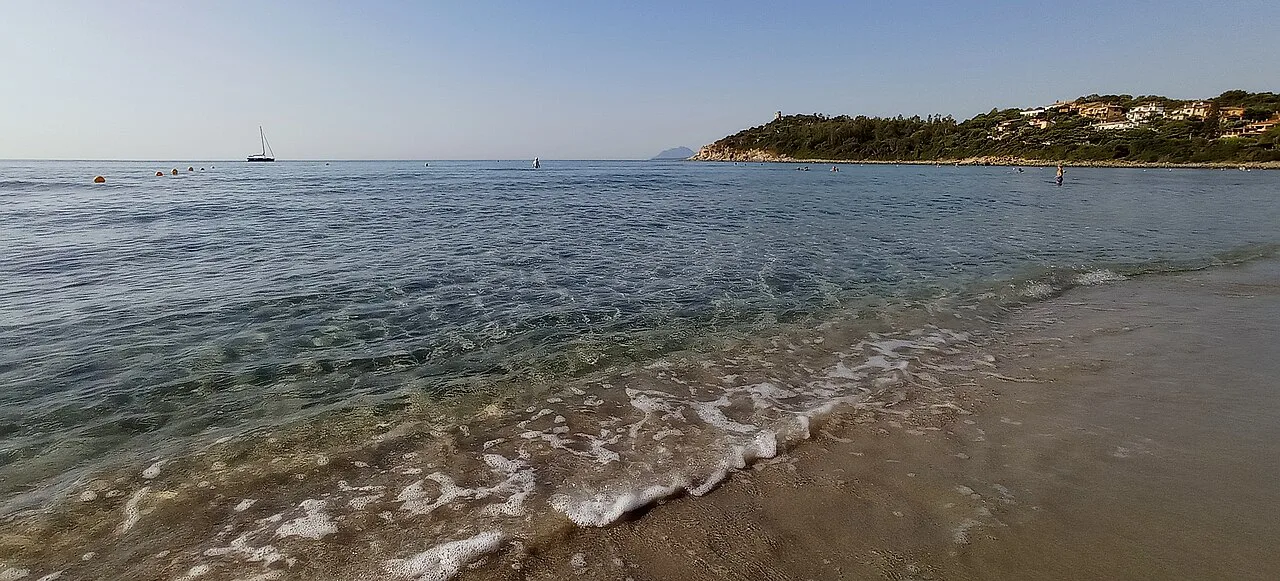
The south-east is the easiest place to keep small children happy: Punta Molentis has shallow water and a sheltered cove, Porto Giunco has soft white sand and shallow water, and Campulongu adds showers and changing rooms for the end of the day. Cala Brandinchi on the north-east coast offers fine white sand, shallow water and pine shade, which matters on hot afternoons.
On the south coast, Santa Margherita di Pula has 2.6 kilometres of sand with shallow water and pink-tinted grains, backed by pine forest and resort facilities, which makes it a relaxed alternative to the busier Chia bays. Monte Cogoni at Chia also has shallow water and easy facilities for families.
Snorkelling, windsurfing and kitesurfing along the south coast
The south coast gives you both calm snorkelling and reliable wind within a short drive. Su Giudeu has reefs near the surface and good diving, Chia and Monte Cogoni suit surfers and divers, and Cala Cipolla is a favourite with off-season surfers. Bassa Trinita in the archipelago has plenty of fish around its rocky shallows.
Windsurfers and kitesurfers should head for Poetto, La Maddalena beach south-west of Cagliari, or Is Solinas in the Teulada area, where shallow water extends for 80 to 120 metres from the shore. Is Solinas faces west and has a kitesurfing school, making it a good place to learn. The windiest months on this coast run from May onwards.
Quiet coves, shaded pine edges and cliff-backed beaches
For a quiet day, choose beaches that require effort: Cala Goloritze on foot or by boat, Cala Luna by boat or trail, Is Arutas on the west coast with no facilities. The dunes and juniper trees behind Chia offer shade and a sense of space that the serviced beaches lack. These are days to carry everything in and take everything out.
Cala Cipolla at Chia is a small cove with pine and juniper trees right by the beach providing shade, and it faces south towards the Capo Spartivento lighthouse. It stays quiet outside peak weeks and suits anyone with snorkelling gear.
Where to stay for beach access without a car
Alghero on the west coast is the best-known car-free base, with a town beach and easy boat access to the surrounding coast. On the east side, Cagliari and Villasimius both give you a beach within walking distance plus transport links along the coast. Choose a town with a beach you actually like rather than one with a car park you will not use. If you settle here, our guide to the best beaches in Alghero covers the sands and coves within reach of town.
For the north, Olbia and San Teodoro put you within easy reach of the Costa Smeralda beaches and the ferry to La Maddalena, which makes them sensible bases for a week without a car. Public transport on the island is thin away from the main towns, so plan around the routes rather than the beaches you have seen on postcards.
Nearby beaches to combine into one day's drive
Most Sardinian beaches work best in pairs. Punta Molentis, Porto Giunco and Campulongu share the Villasimius coast and a single day's drive. Su Giudeu, Tuerredda, Cala Cipolla and Monte Cogoni cluster around Chia and Domus de Maria, so you can start early at one and finish at another as the wind shifts.
On the Costa Smeralda, Capriccioli, Liscia Ruja and Spiaggia del Principe are close enough to link in one morning, which is useful when the car park at the first beach is full. Cala Brandinchi near San Teodoro is a natural addition to the same loop, with the pine forest offering shade when the sun gets serious.
Plan Your Trip
Pick a coast before you pick a beach. The south-east suits families and first-time visitors, the north-east rewards anyone who wants shade and lido comfort, the west coast delivers quiet days even in August, and the archipelago adds a boat crossing and a booking to the itinerary. A car, a base with a good beach on foot and a flexible week will make more difference than any single beach on this list.
Where access rules, guide requirements or seasonal cover affect a beach, look them up with the local tourist office before you travel. Then leave the rest to the weather and the wind, and keep one day spare for the beach you discover along the way.
Frequently Asked Questions
Which part of Sardinia is best for beaches?
The south-east around Villasimius is the most reliable for families, with shallow water, white sand and serviced beaches, while the Costa Smeralda and Maddalena Archipelago offer granite cliffs and clear water in the north. Chia and Tuerredda bring dunes and sheltered bays in the south, and Is Arutas on the west coast stays quiet even in peak season.
Where is the best place to stay in Sardinia for beaches?
Choose a base by coast: Villasimius for family beaches, the Costa Smeralda towns for restaurants and lido comfort, Arbatax for the Baunei coast, or Alghero if you would rather not rent a car. Two bases over a week or two lets you cover the north and south without spending whole days driving.
Which is nicer, north or south Sardinia?
They serve different holidays rather than one beating the other. The north-east has pine-backed coves, granite scenery and the archipelago ferry, while the south has wide dunes, lagoons and long shallow beaches near Cagliari. Families often prefer the south-east, and travellers wanting luxury dining and boat trips lean north.
Which part of Sardinia is best for kids?
The Villasimius coast is the easiest choice, with shallow water at Punta Molentis, soft white sand at Porto Giunco and full facilities at Campulongu. Cala Brandinchi near San Teodoro adds shallow water and pine shade in the north-east, and Monte Cogoni at Chia has shallow water with facilities nearby.
What are some hidden gems to visit on Sardinia?
Cala Goloritze and Cala Luna on the east coast, reached only by boat or on foot, feel far from the resort crowds, and Is Arutas on the west coast combines quartz sand with a quiet setting. Bassa Trinita on La Maddalena is easy to reach yet stays relatively calm compared with the mainland beaches.
How do you reach Cala Coticcio on La Maddalena?
Cala Coticcio is reached by a guided hike of around 45 minutes with steep and unshaded sections, and entry requires a reservation with a guide. The guide fee is charged per person, and the park authority publishes the current rate and booking conditions; the limit was introduced after the beach received up to 500 people on some days.
Do you need a car to visit Sardinia's beaches?
A car gives you access to the quiet coves and beaches that buses do not serve, but it is not essential if you stay in a coastal town. Villasimius, Cagliari's Poetto, Alghero and the Costa Smeralda resorts all put a beach within walking distance, and boat trips cover the inaccessible stretches.
When is the best time to visit Sardinia's beaches?
Late spring and early autumn give you warm water and fewer people than August, which is the busiest month on the serviced beaches. Wind is a factor on the south coast from May onwards, which suits kitesurfers and windsurfers, and the south-east around Villasimius stays calmer when the mistral blows.
Sources
Beach notes for your next trip
Optional updates when we add or revise beach guides.
You might also like
Continue reading
More guides you'll find useful