Naxos Nude Beaches: Naturist Spots, Access and Etiquette
Plan a naturist beach day on Naxos: long-established nude stretches, how to reach them by bus or on foot, dune shade, etiquette and nearby beaches.
On this page
Naxos suits naturists because its southwest coast runs almost unbroken from Agia Anna through Plaka to Alyko, giving long-established nude stretches room to breathe away from the organised beach clubs. The quietly naturist areas sit at the far ends of big beaches, so you get space without going completely off-grid. This guide covers where those stretches are, how to reach them, and what to expect on the sand.
Where the naturist beaches are
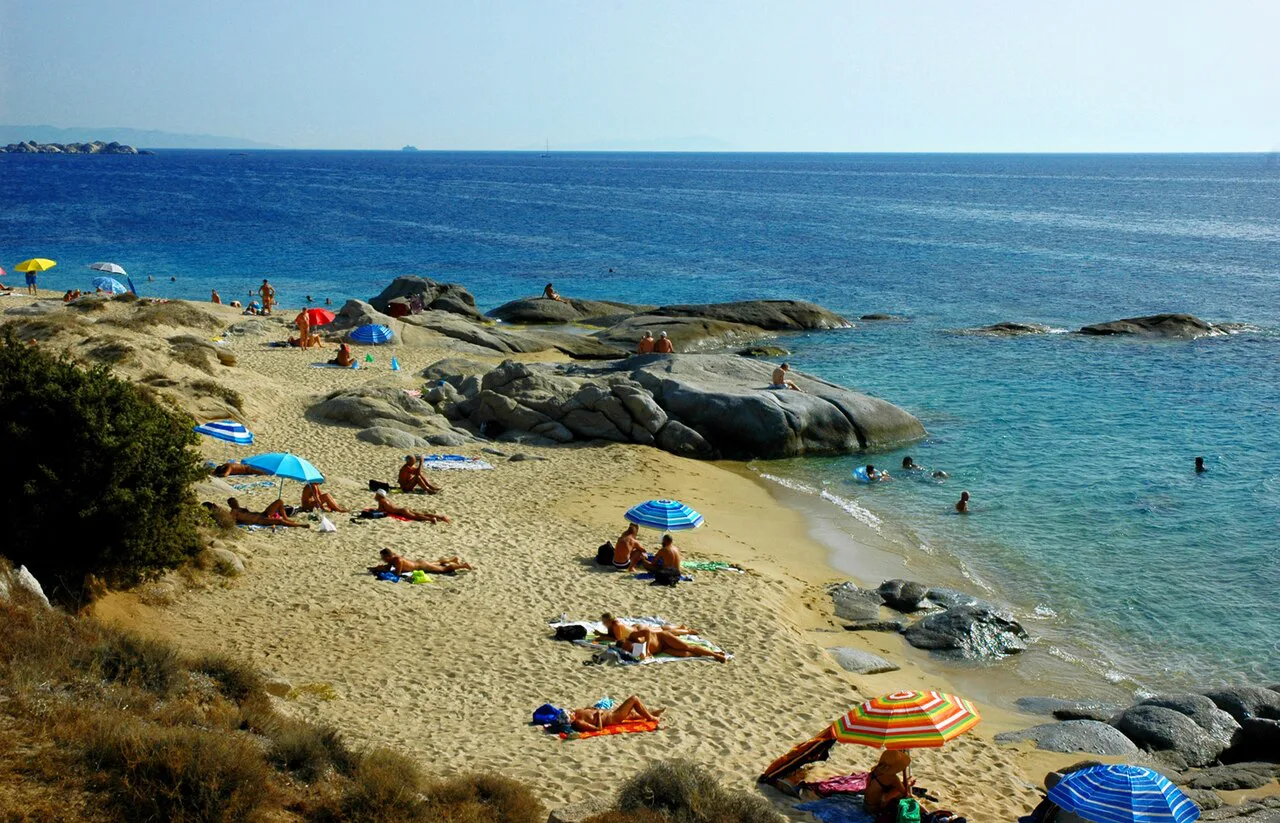
The naturist scene clusters on the southwest coast, in the line of sand that runs south from Agia Anna past Plaka and on to Alyko. Kedros naturist beach, near Alyko, is the spot most often named for nude bathing on the island, and you reach it on foot from the Alyko bus stop; the approach crosses sand dunes. Plaka itself is widely described as clothing-optional in its northern section, so the two ends of the same long beach serve very different days out.
Treat these as long-established, tolerated areas rather than officially designated naturist zones, and plan your spot accordingly. On a beach this long the practical rule is simple: walk a little further from the developed end, where the umbrellas and tavernas thin out, and you will find the naturist regulars.
Kedros naturist beach and Alyko
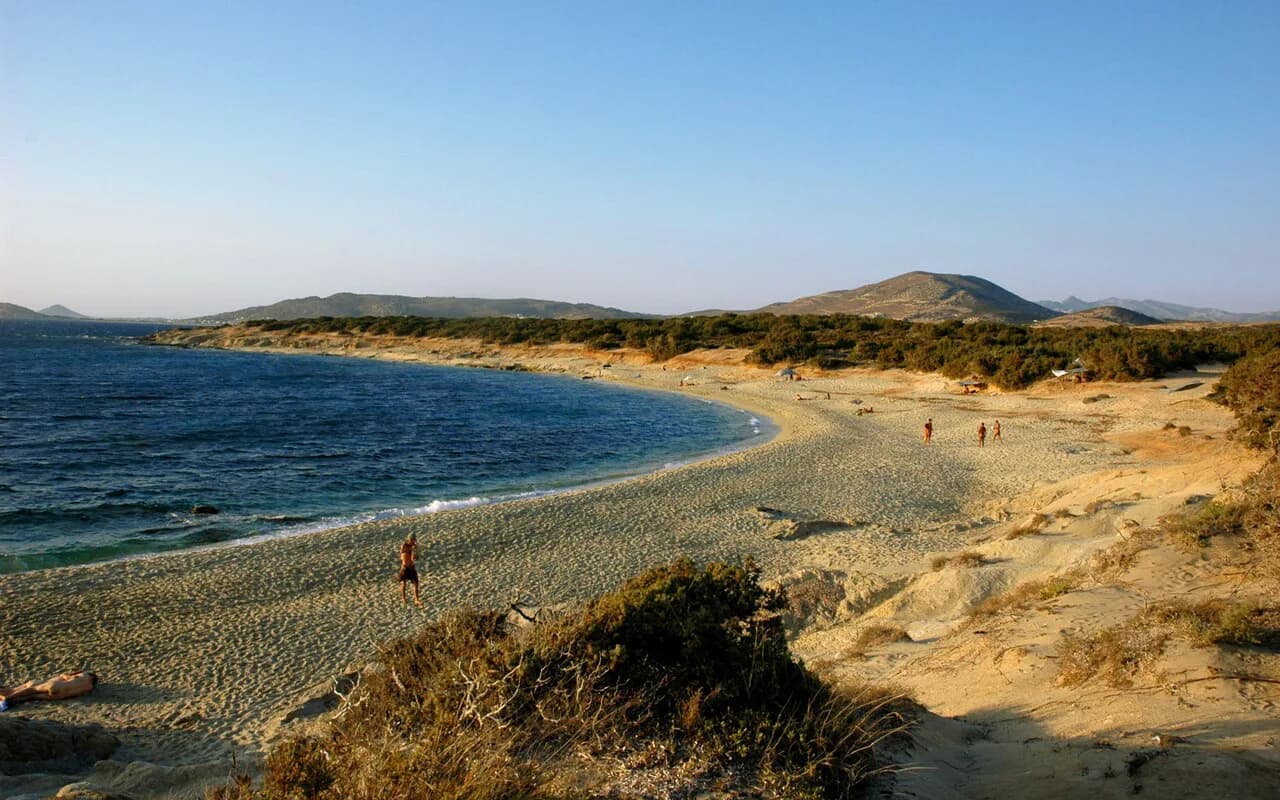
Kedros sits in the Alyko area, reached by bus from Chora with several departures a day, followed by roughly 20 minutes on foot through the dunes to the sand. That walk is the price of the seclusion, and it is the detail that keeps the beach quiet. Bring footwear you do not mind filling with sand and allow for the walk back at the end of the day.
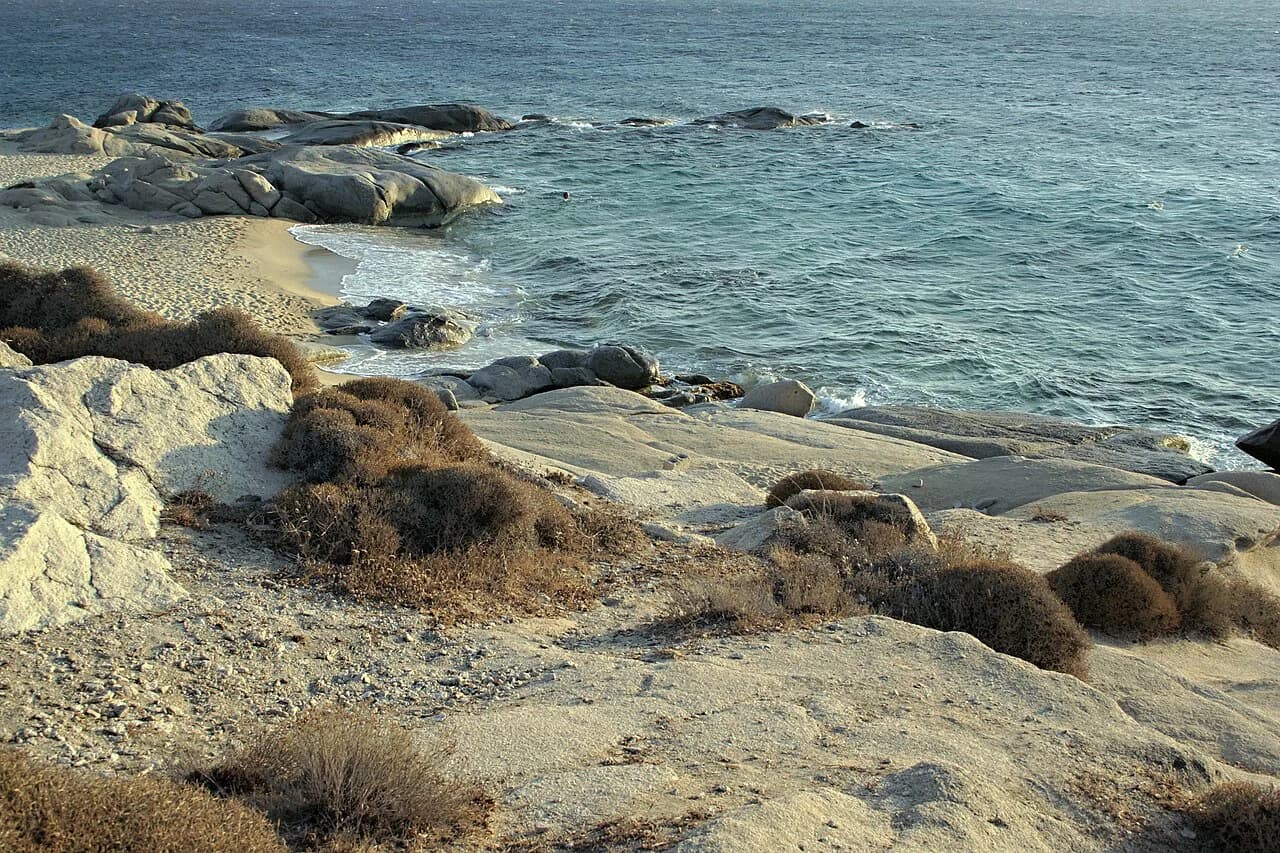
The wider Alyko stretch is known for remote, cedar-backed sand with a backdrop of streaked cliffs, and it sits around a 30-minute drive from Naxos Town. The ruined hotel above the beach has become an informal open-air gallery of street art, which makes an unusual detour if the wind picks up. There are no amenities at Hawaii beach nearby, so carry your own shade, food and drink for a day out this far south.
Plaka and Agia Anna: the quieter ends
Plaka is the island's longest uninterrupted beach, a broad run of soft sand where the clubs, restaurants and hotels cluster at the northern end and the south opens into empty expanses. The northern stretch is the one described as clothing-optional, so naturists and textile bathers share the same sand here. If you want facilities within reach, base yourself near the developed end and walk north until the loungers stop. If you are weighing up island options, the Rhodes nude beach scene at Mandomata works in a similar way, with naturist stretches tucked at the quieter ends of long beaches.
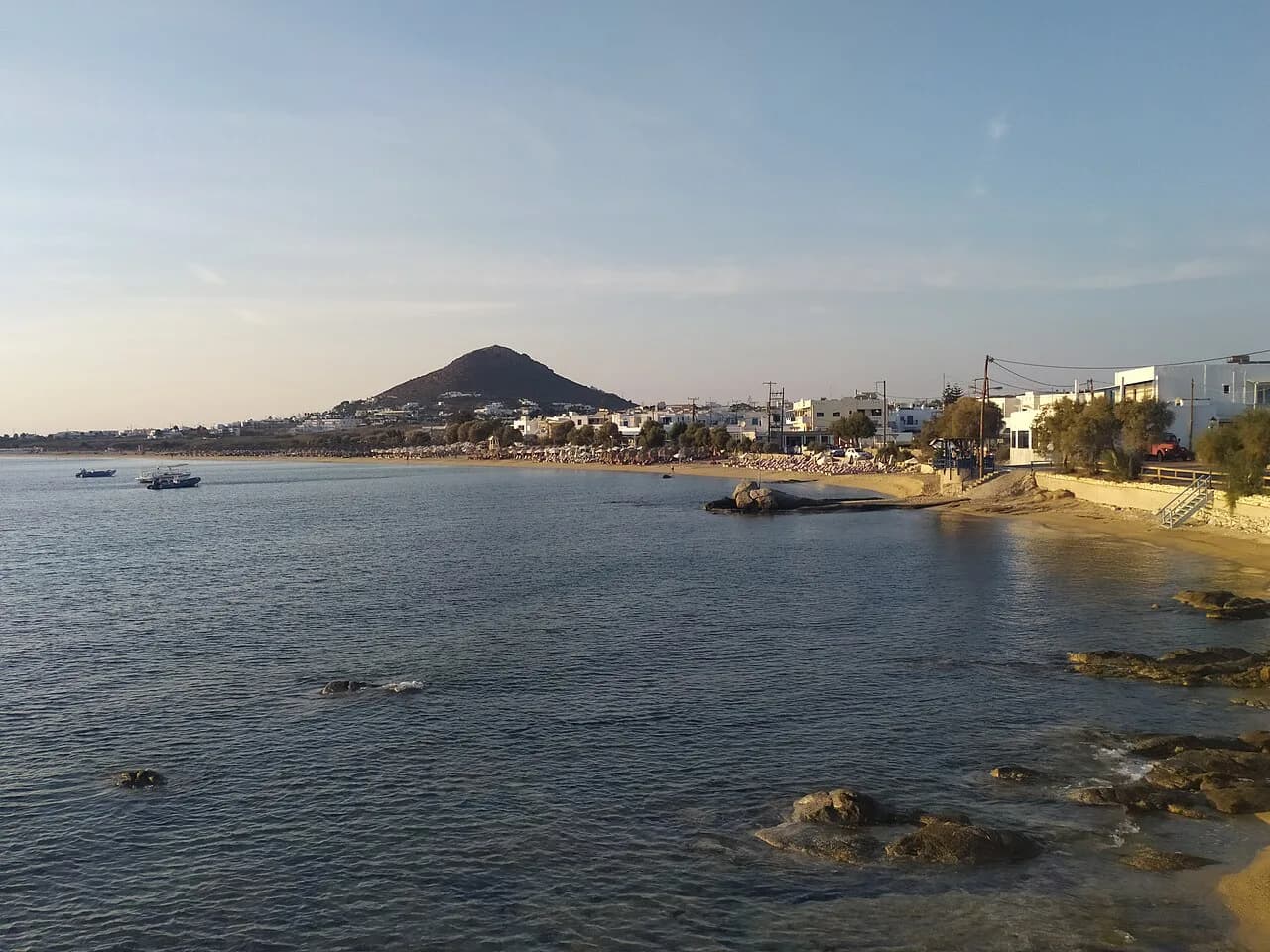
Agia Anna adjoins Agios Prokopios and continues the same line of sand, with a livelier, taverna-backed end and a quieter southern end where the fishing boats sit in a shallow cove. Nude bathing is long established here too, so the southern end is the calmer choice for a naturist day. Snorkelling around the rocky outcrop near the cove is rewarding, with clear water over rocks.
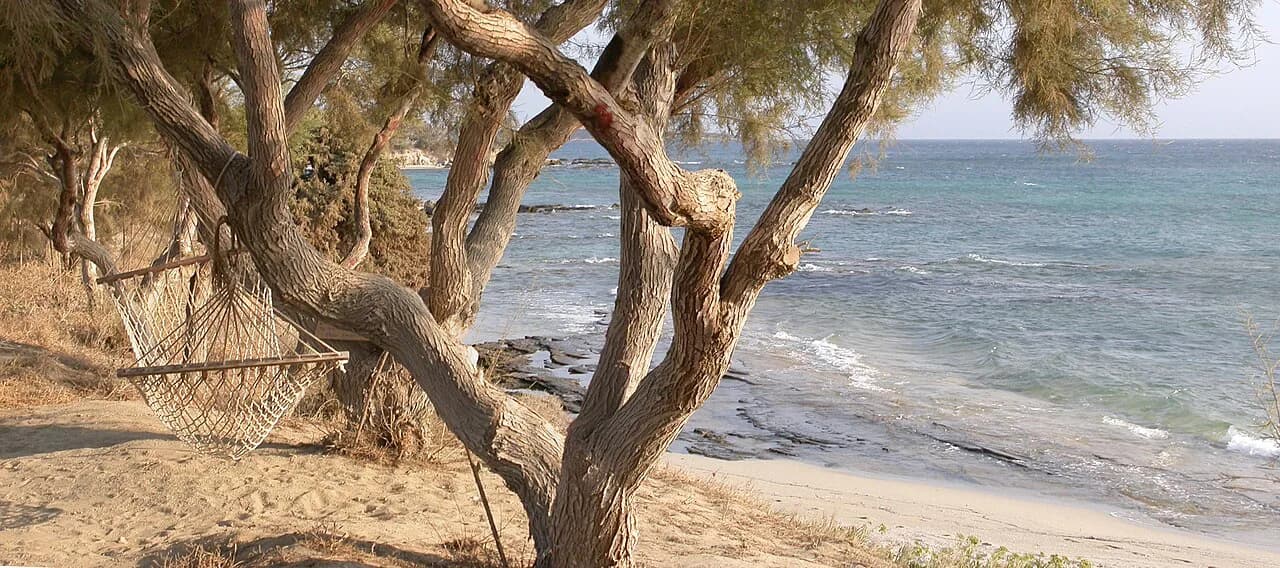
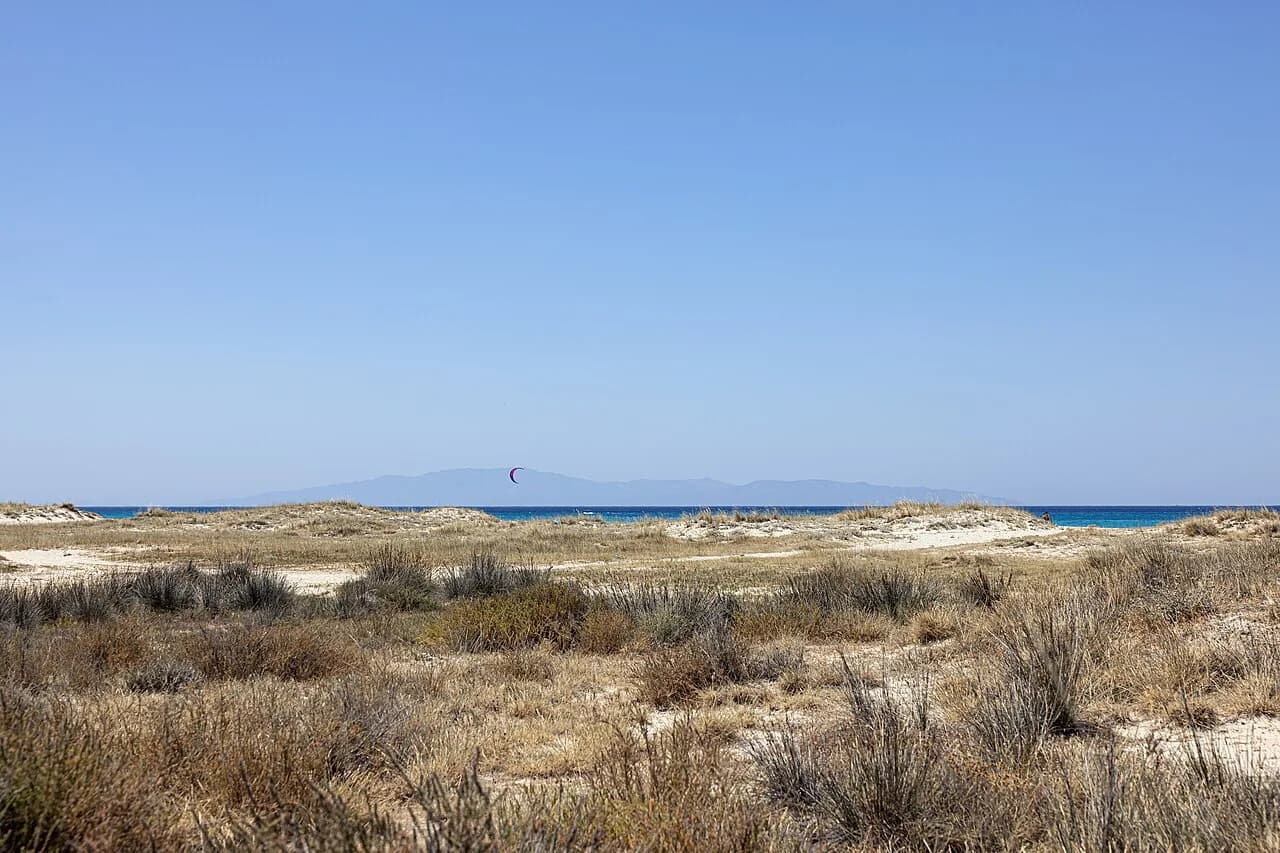
Between Plaka and Alyko the coast stays sandy and low-key, and the cedar-fringed beaches south of Plaka reward anyone willing to drive a little further. Beach.com describes Hawaii and Pyrgaki as remote and sheltered by dunes and ancient cedars, with only a few tavernas and hotels nearby. That combination, seclusion plus some shade, is what makes the far south work for naturists who want a full day without umbrellas.
Getting there
Buses from Chora are the simplest way to reach the southwest beaches. KTEL Line 1 runs regularly to Agios Prokopios, costing around €2.10 and taking about 15 minutes, with the stop close to the beach. From there the coastal path links Agios Prokopios, Agia Anna and Plaka on a walk of 20 to 30 minutes, which puts the quieter naturist ends within reach on foot.
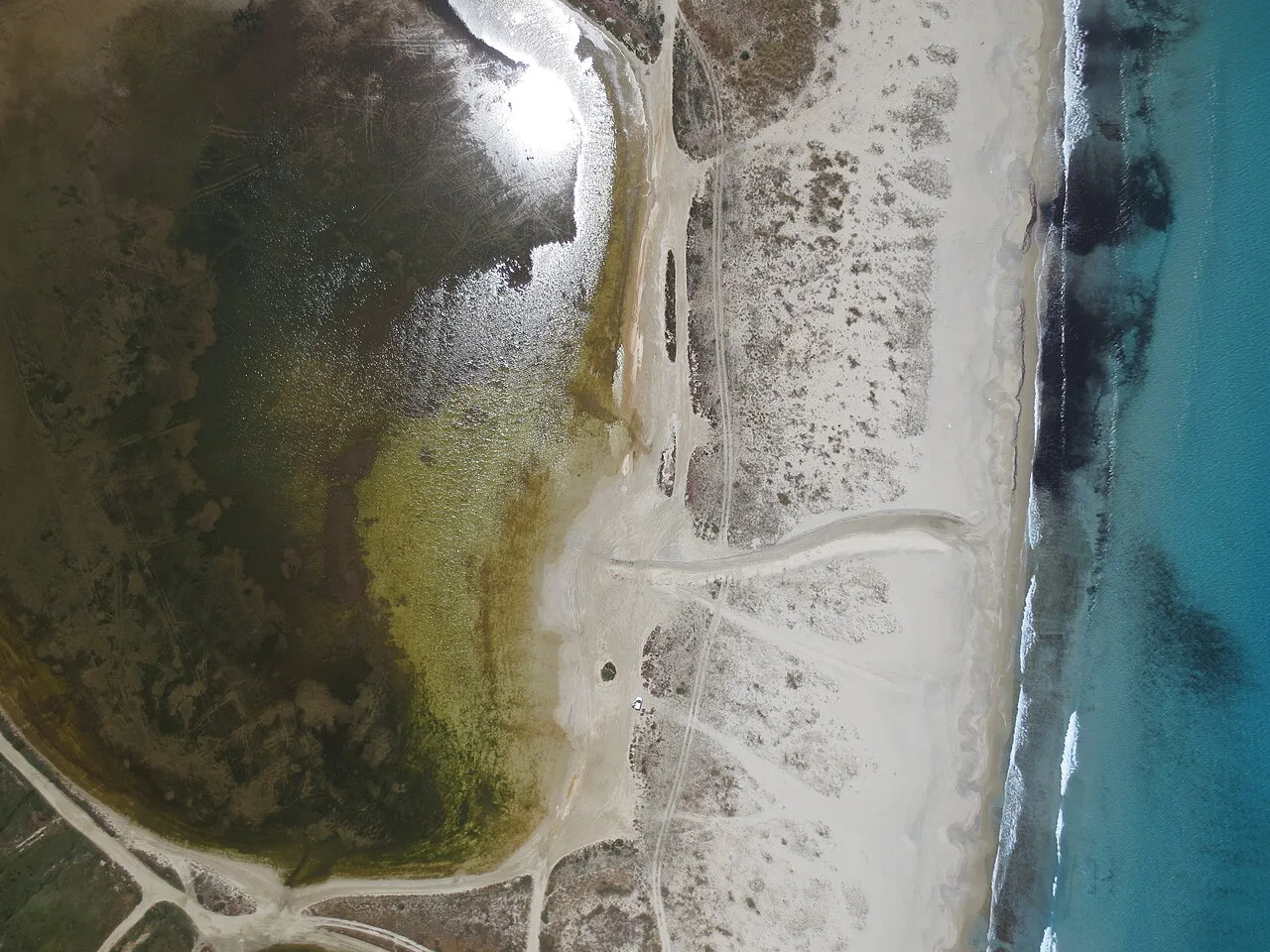
For Alyko, the bus runs several times a day and drops you within a 20-minute walk of Kedros across the dunes. If you drive, the large open parking area near the salt flats between Agios Prokopios and the road fills quickly in peak season, so arrive early. Parking at the quieter western end of the beach is an alternative.
The sand and the water
The sand here is golden and fine, and at Agios Prokopios the water stays shallow for a long way out, which makes for easy wading and floating. The beach runs for roughly a mile of pale sand, with the calmest swimming at the quieter northern end and more breeze at the developed strip. The Alyko beaches add dunes and cedar trees for natural shade, though shade is thin on the open sand.
The Meltemi wind is the main variable in July and August, when the northern end of Agios Prokopios can turn uncomfortable with blowing sand and choppy water. The western public stretch is more sheltered on windy days, and the same logic applies along the coast: pick the leeward end of the beach and set up behind the dunes if you can.
Etiquette on a Greek naturist beach
On a long-established naturist stretch, nudity is tolerated rather than formally allocated, so read how the people around you are set up before you settle. Textile walkers pass through these beaches all the time, especially on the Plaka–Agia Anna path, and nobody expects them to undress. Keep to the far end if you want privacy, and stay clothed on the walk to and from the sand.
Photography is the one thing to get right: keep cameras and phones away from other people on a naturist beach, and ask before taking any picture that includes anyone. Bring a sarong or light towel for the dunes and the tavernas, and take your litter off the sand with you.
Facilities and what to bring
The developed sections around Agios Prokopios and Agia Anna have beach bars with sunbeds, tavernas, small supermarkets and beach-gear shops just off the sand. There are no public toilets or showers on Agios Prokopios beach itself, so use the facilities at a beach bar or head back to your accommodation. Sunbed sets are cheapest toward the back rows and at the quieter western end of the strip.
The further south you go toward Alyko, the fewer facilities you will find, so carry water, food and a sunshade. A windbreak is useful on the open stretches, and reef shoes help on the rocky outcrops near Agia Anna. For a day on Kedros or Hawaii, plan to bring everything back out with you.
Best time to go
May and September give the best balance of warm-enough sea, fewer people and lower prices on the southwest coast. July and August are the busiest and most expensive months, and the wind and parking pressures are at their height. June is a good middle option: warm water and enough facilities open without the August crush.
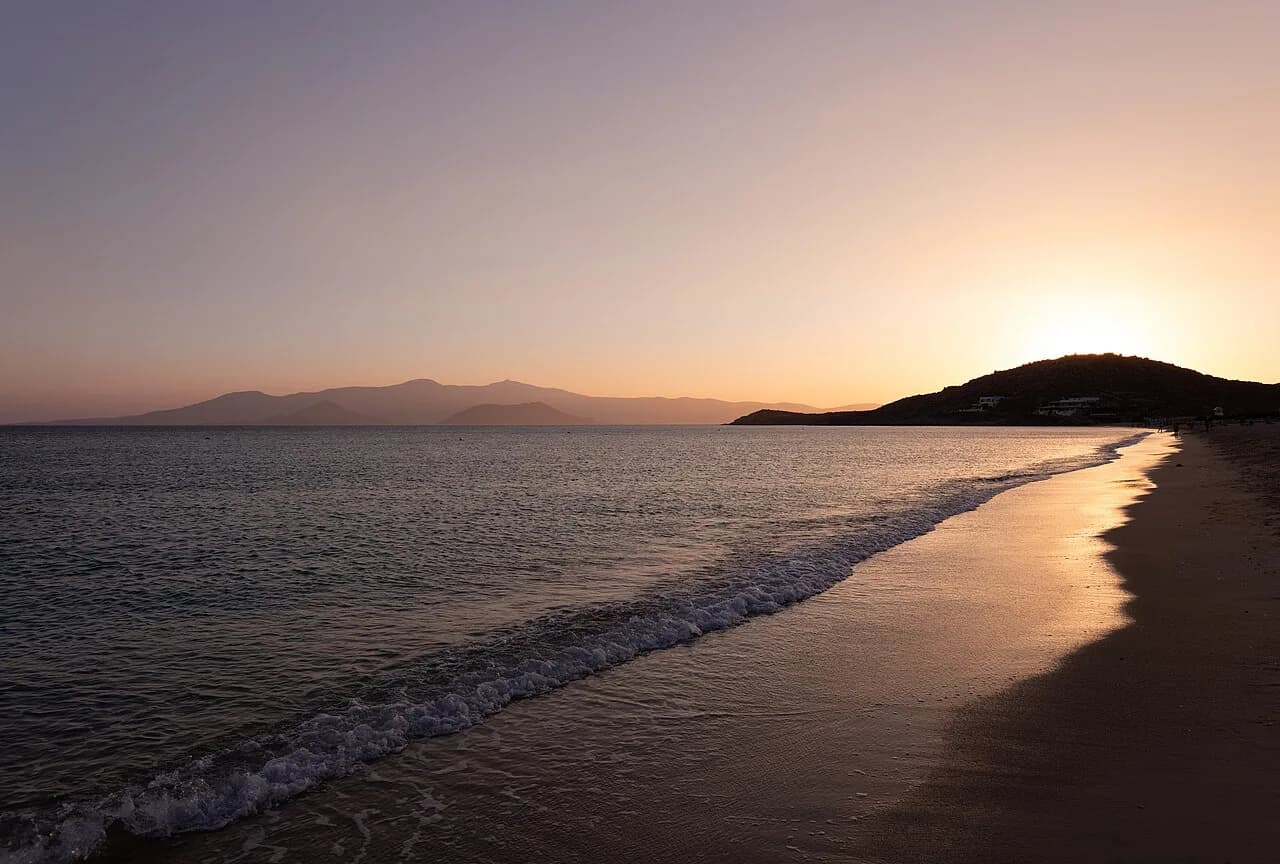
Beach bars along the coast run into the evening, with sunset sessions and DJs at Agia Anna and Plaka in high season. If you want a quieter naturist morning, swim early and be off the sand before the loungers fill up.
Safety and comfort
Flags and local advice are the guides here rather than assumptions. The Meltemi makes the water choppy and the sand sting on exposed stretches, so pick the sheltered end of the beach on windy days. Sun exposure on the dunes at Alyko is intense with little cover, so a hat, high-factor sunscreen and plenty of water are essential.
Read the water before you commit to a long swim: some parts of the coast drop away more steeply, and rocky outcrops around Agia Anna deserve care on entry. Carry footwear for the crossings between beaches, because the sand heats up quickly by mid-morning.
Nearby beaches to combine
A naturist day on Plaka slots easily into a wider circuit. Agios Prokopios is the nearest fully serviced beach, with sunbeds, tavernas and easy bus access from Chora. Kastraki and Mikri Vigla are further south, with quieter sand and good snorkelling around the reef, and Orkos is between them for a different, windier day.
Closer to town, Agios Georgios is the sandiest beach within walking distance of Chora, with the northern end shallow and family-friendly and the southern end breezier for windsurfers. It makes an easy half-day addition if you are staying in Naxos Town and want a swim without the bus ride south.
Plan Your Naturist Beach Day
Base yourself in Agios Prokopios or Agia Anna for the easiest access to the long-established nude stretches on Plaka and Agia Anna, with facilities and bus links close by. For Kedros and the Alyko beaches, plan around the bus times and the dune walk, and carry your own shade and water.
Check the KTEL bus times at naxosbuses.com and the Alyko walk details with the Naxos tourist office before you set out. Then choose your stretch by mood: busy and serviced to the north, quiet and cedar-shaded to the south.
Frequently Asked Questions
Are there official naturist beaches on Naxos?
The nude stretches on Naxos are long-established, tolerated areas rather than officially designated naturist zones. Kedros near Alyko and the northern section of Plaka are the stretches most often described as naturist or clothing-optional, and nudity is generally accepted there.
How do I get to Kedros naturist beach?
Take the bus from Chora to Alyko, which runs several times a day, then walk around 20 minutes through the sand dunes to the beach. A car gives more flexibility, but parking around Alyko fills up in peak season, so arrive early.
Is Plaka beach on Naxos clothing-optional?
The northern section of Plaka is widely described as clothing-optional, while the southern end is quieter and emptier. Beach clubs, restaurants and hotels cluster at the northern end, so the far end of the beach is calmer for naturists who want space.
What is the etiquette on a Greek naturist beach?
Keep nudity within the long-established stretch and expect textile walkers to pass through. Ask before photographing anyone, cover up for the walk to and from the beach and for tavernas, and take all litter away with you.
Which Naxos beaches are quietest for naturists?
Alyko and Kedros are the quietest because of the dune walk, followed by the southern end of Plaka and the far end of Agia Anna. May, June and September are the best months for fewer people and lower prices.
Do I need to bring shade to Naxos nude beaches?
On Kedros, Hawaii and the southern Alyko stretches, yes. The developed beaches have sunbed and umbrella rental, but the remote cedar-backed beaches have few amenities, so bring water, food and a sunshade.
Sources
- Agios Prokopios, Naxos: Beach Guide with Honest Tips (2026) | The Common Wanderer
- Agios Georgios Beach | Hora (Naxos), Greece | Attractions - Lonely Planet
- Nightlife in Naxos – Best Bars, Beach Clubs & Greek Nights
- 11 Best Beaches in Naxos, Greece | Beach.com
- 7 Best Nude Beaches in Greece: Cyclades Islands
- Our Favorite Nudist Beaches in Greece
- KEDROS NATURIST BEACH - All You SHOULD Know ...
Beach notes for your next trip
Optional updates when we add or revise beach guides.
You might also like
Continue reading
More guides you'll find useful