Laredo Beach, Cantabria: La Salvé Guide for Beach Days
La Salvé in Laredo is 4,250 m of golden sand with a promenade, lifeguard service and facilities on the doorstep. Here is how to plan a beach day there.
On this page
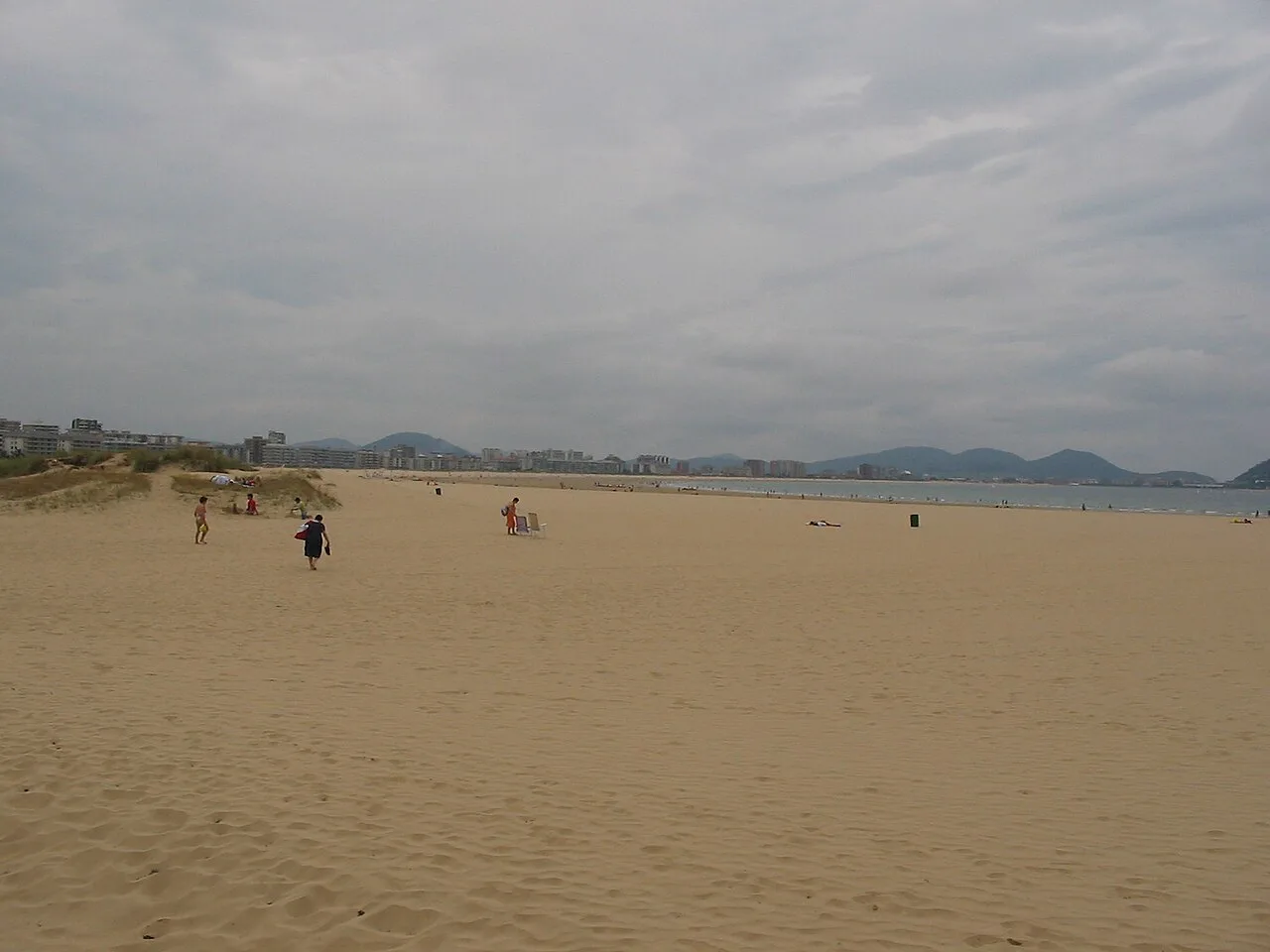
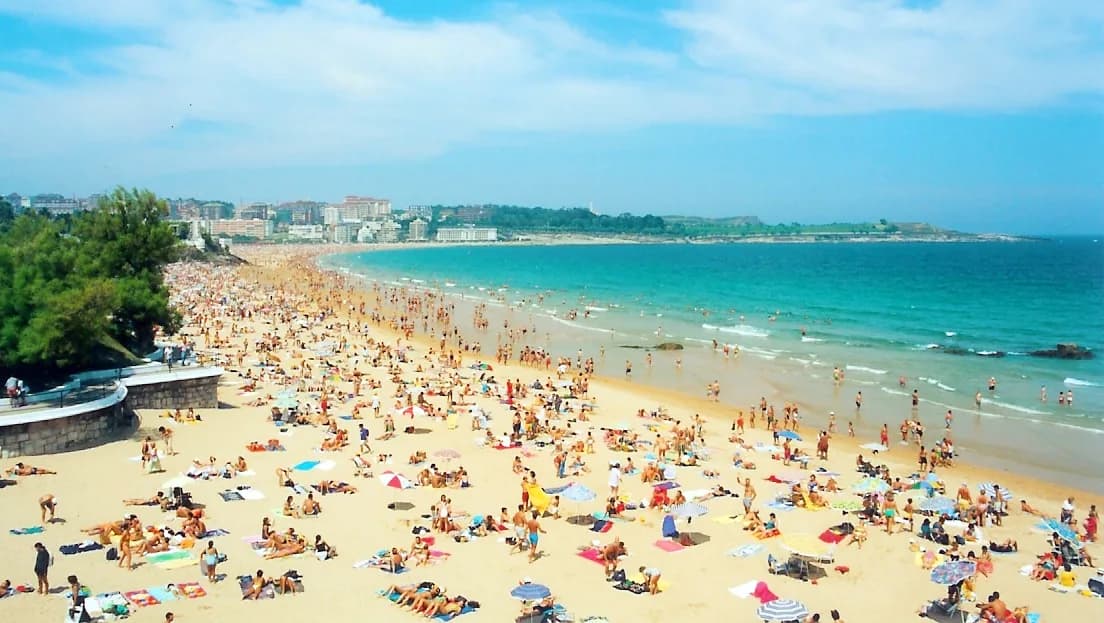
La Salvé is the beach that makes Laredo a beach town rather than a day-trip stop: a broad ribbon of golden sand running almost the entire length of the resort's seafront, with the town, its cafés and its accommodation directly behind it. You step out of your hotel and onto the sand, which is the appeal for families, older travellers and anyone who would rather not load the car for every swim.
Spain's official tourism website lists it at 4,250 m long and 120 m wide, with golden sand, moderate waves, a windy character and an occupancy rate of high. Those few facts tell you most of what to plan around: there is space, the Atlantic sets the mood, and the middle of August behaves accordingly.
Where the beach sits in Laredo
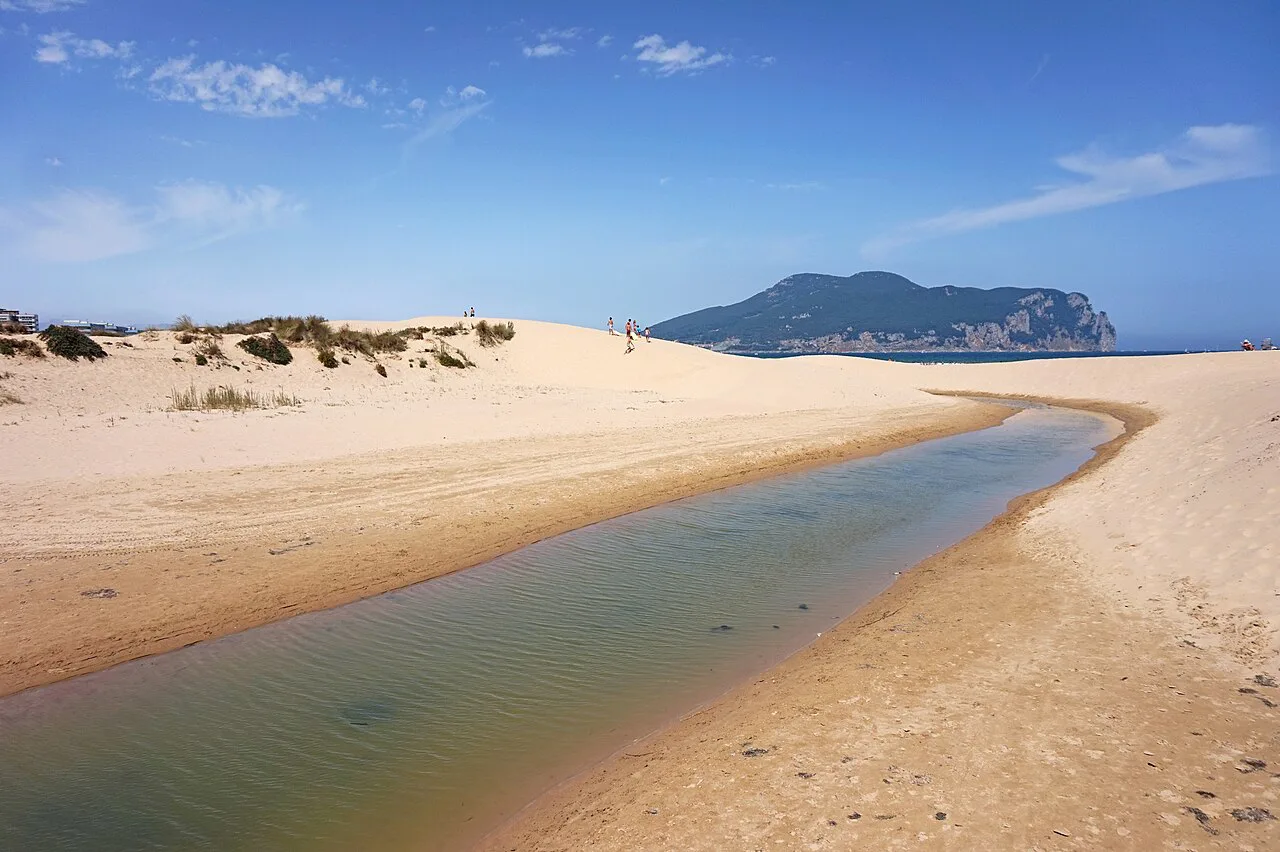
The beach occupies the seafront of Laredo itself, on Cantabria's eastern coast, and stretches from the old town end towards the Puntal del Pasaje, the sand spit at the mouth of the Ría de Treto. Because it fronts the town rather than a nature reserve, the access is urban: pavements, crossings and a promenade rather than a cliff path.
The official listing gives the distance from the marina as 0 km and describes the setting as urban, with the beach reached easily on foot or by car. In practice that means you can base yourself anywhere along the seafront and be on the sand within minutes.
Cantabria Tourism calls it one of the longest beaches in the region and notes that it wraps around almost the whole village, which is ideal if you want to walk out of your accommodation and straight into the water in summer. Treat the town-centre stretch as the busy end and the walk towards the estuary as the quieter one.
Getting there from Santander and around Cantabria
Laredo sits on the Cantabrian coast east of Santander, and the official listing gives the nearest motorway as the CN-634, with access on foot or by car. Drivers coming from Santander should allow for the coastal road rather than a fast dual carriageway, and should plan to park near the seafront and walk, since the beach itself fronts the town.
Intercity coaches along the Cantabrian coast serve Laredo, and the town's bus station is a short walk from the sand; buy tickets at the station or from the coach company. Arriving by coach suits anyone touring the coast without a car, since the beach needs no onward transport once you are in town.
If you are working through the bigger picture of the region, our guide to Santander beaches sets Laredo in context with the city's own sands, from the sheltered curve at Los Peligros to the ocean-facing strips beyond. It is worth reading before you commit to a base, because the difference between an urban beach like La Salvé and a city beach changes the kind of day you get. For a Catalan counterpart to that town-and-sand pairing, the beaches in Girona offer coves and resort strands worth comparing with La Salvé.
Parking charges, bus fares and seasonal timetables are not published in the sources consulted here, so ask at the Laredo tourist office before relying on a particular service. What you can count on is that the beach is directly in the town, so once you arrive you do not need a car.
Accessing the beach on foot, by car and from the marina
The official listing records the nearest marina as Laredo's own, at 0 km from the sand, and rates access on foot as easy. That makes the beach workable for anyone staying in the old town or near the harbour, with no need for a shuttle or a long walk with bags.
Car access is also listed, though the beach has no dedicated beach car park in the published data; plan to use town parking and walk in. With 4,250 m of sand, the simplest tactic is to park wherever you find space and choose the nearest stretch of promenade rather than heading for a specific spot.
The promenade runs the length of the beach and is the natural route along it, connecting the town end to the Puntal del Pasaje. Walking it gives you a clear read on where the crowds are and where the sand opens up, which is useful on a first visit.
The sand and the water
The sand is golden and the beach is wide, at 120 m from the promenade to the waterline in the official figures, so there is room for windscreens, games and long towels even on a busy day. The swimming conditions are described as moderate waves and windy, which is the honest picture of the Cantabrian shore: bracing, active water rather than a millpond.
The official data puts the water temperature at 18°C and the wave height as slight, with the maximum air temperature given as 16°C and a cool wind chill. Treat those as typical published values rather than a forecast, and pack for water that is refreshing rather than bathtub-warm.
Swimmers used to the Mediterranean will find the sea here cooler and more energetic, so shorter swims and a warm layer for afterwards make sense. Families with small children should stay close to the waterline and watch the surf rather than expecting shallow, still water.
Shelter and sea conditions through the day
With a windy character and moderate waves, La Salvé is exposed when the breeze comes onshore; a windbreak and a well-anchored parasol earn their place here. The promenade and town buildings sit behind the sand, so retreating to a café or the promenade wall is the practical option when the wind picks up.
Because the beach runs the length of the town, conditions vary along it: the town-centre stretch has more shelter from buildings behind, while the walk towards the Puntal del Pasaje leaves you more exposed. If you are settling in for a long afternoon, pick your spot with the wind direction in mind.
Surfing and windsurfing are popular here, which tells you something about the typical sea state; keep an eye on flags and any advice posted on the beach. On a day with a heavy swell, the sensible move is to enjoy the sand and leave the swimming for a calmer session.
Facilities on La Salvé
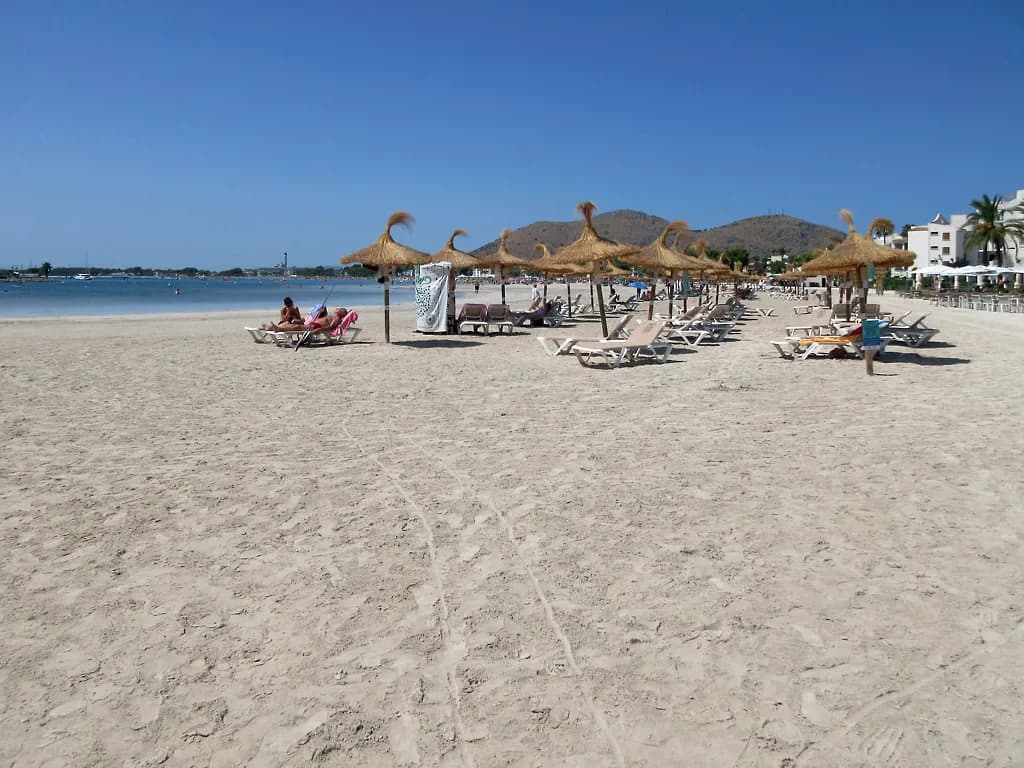
The official listing covers the practical side well: sun lounger rental, showers, footwash, toilets, litter bins and a cleaning service, plus a children's play area, a sports area and a surf practice zone. There is also a yacht club and a tourist office, so you can sort out both a swim and a question about the town in the same walk.
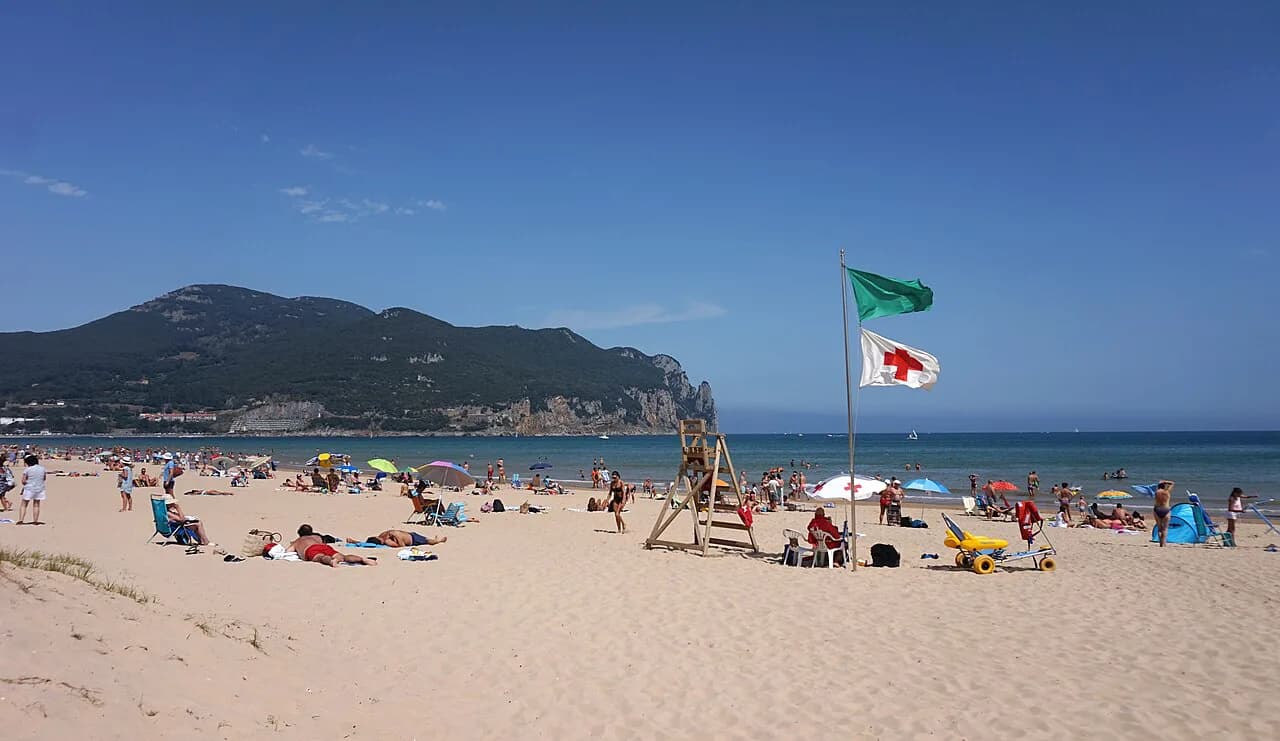
An efficient lifeguard service is listed, along with the facilities above, and the beach is described as having all types of facilities. Lifeguard hours and seasonal cover are not published in the sources used here, so read the flags and notices on the day.
Watercraft rental is listed too, which is worth knowing if you fancy something more active than a swim. Sunbed and lounger prices are set by the beach concession and are not published in these sources, so check current rates at the rental point on the beach before you settle in.
The promenade and the Puntal del Pasaje end
A long promenade runs along the beach up to the Puntal del Pasaje, and the official listing notes that nudism is common practice in that area. Treat it as a long-established naturist stretch: if you prefer textile sand, stay on the town side of the spit, and if you walk through, keep the usual etiquette of not staring and not photographing people.
The promenade is also where the town's life happens, with the tourist office, the yacht club and the cafés within reach of the sand. A morning walk to the spit and back gives you the full measure of the beach before you choose your spot.
Those travelling on to Santander can pair this with Playa de Mataleñas, a very different beach on the city's ocean side, where the walk down through the park is part of the visit. Comparing the two is a good way to decide whether you want town convenience or a wilder setting for your next swim.
How busy it gets
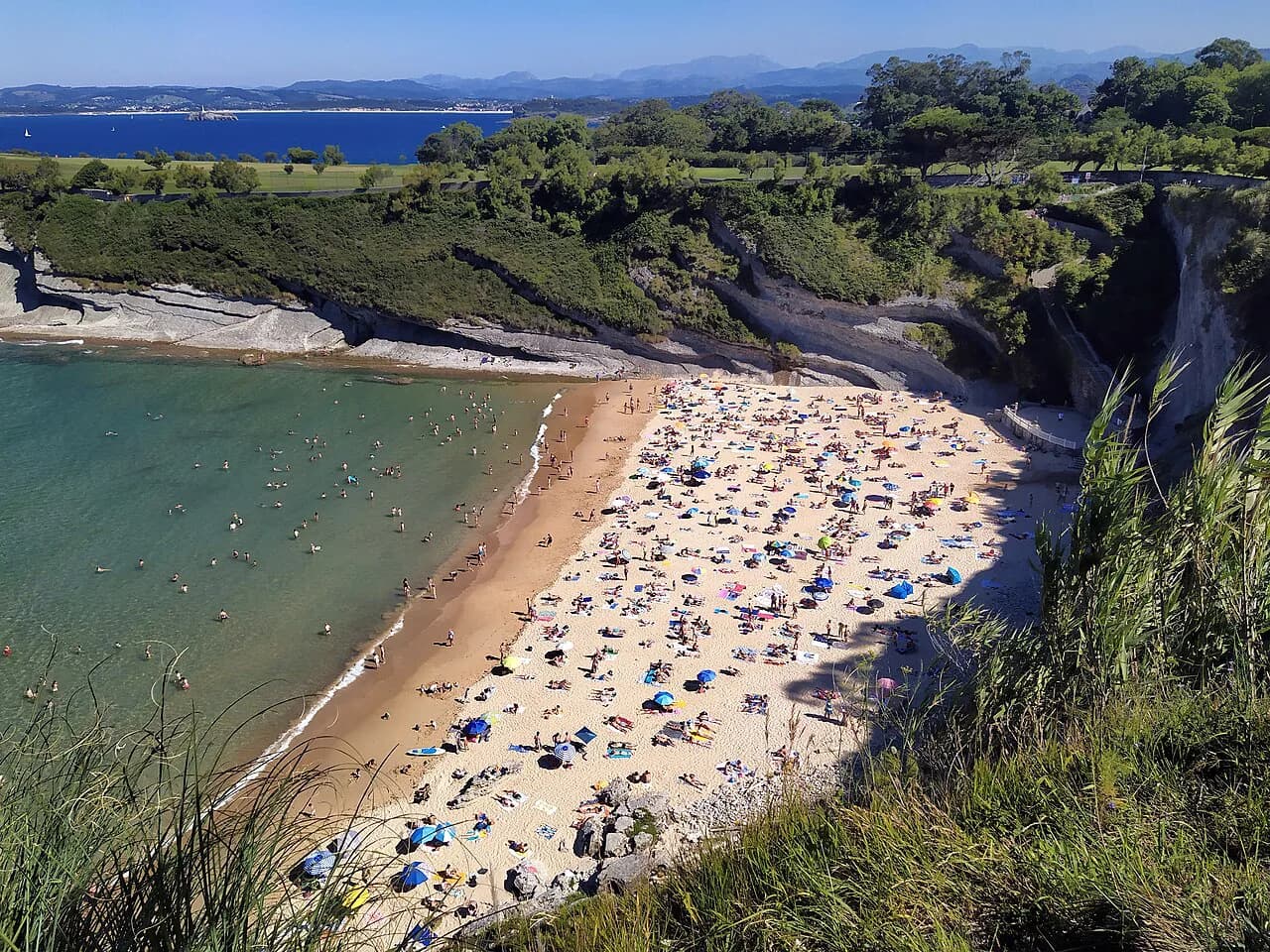
The official listing gives the occupancy rate as high and the setting as urban, so plan for a busy beach in high summer, especially close to the town centre. Cantabria Tourism notes that the sheer size of La Salvé still allows privacy and a relaxing day despite the crowds of the high season.
The practical tactic is to walk away from the main access points: with 4,250 m of sand, a ten-minute stroll along the promenade usually puts you among fewer people. Arriving before mid-morning gives you the pick of the space near the town and a quieter swim.
Weekends in July and August draw Spanish families from the surrounding region as well as visitors, so midweek days are noticeably easier. If you are here for a week, save the town-centre swim for a weekday and use the weekend for a trip to a quieter beach nearby.
Best time to go
Cantabria's swim season is shorter than the Mediterranean's: the published water temperature of 18°C gives you a realistic sense of what to expect, and late July through August is when the sea feels warmest. June and September can be lovely on the sand but bracing in the water, so bring a wetsuit top if you plan long swims.
High season brings the crowds and the fullest facilities; outside it, the beach is quieter but some rental and service points may operate reduced hours, which is worth asking about locally. The weather in Cantabria changes quickly, so a plan that includes the promenade, the old town and a café works better than one that depends on a full day of sun.
Water quality, Blue Flag status and any seasonal bathing advisories are published by the regional authorities and by the town, and the tourist office in Laredo can point you to the current information.
Nearby beaches to combine
Across the bay, Somo beach and Loredo form a single four-kilometre stretch ending at the El Puntal sandbar, with a surf culture and views back to Santander. It is the natural contrast to La Salvé: same Cantabrian sea, but a more open, dune-backed setting.
East of Laredo, Noja's Trengandín runs almost three and a half kilometres and is known for the small pools left at low tide, which suit children, along with rocky formations along the coast. Cantabria Tourism singles it out as a family favourite and notes it shares La Salvé's urban convenience.
Further west, the Oyambre, Gerra and Merón beaches near Comillas and San Vicente de la Barquera stretch over five kilometres, with the dunes of the natural park behind them. They reward a day's drive and make a fine pairing with a stop in Comillas itself.
For surf and wide sand close to Santander, Valdearenas at Liencres sits in the dune reserve and is one of the region's most popular beaches. It is a good option when you want a wilder day than La Salvé offers.
What to bring for a Cantabrian beach day
Pack for wind and changeable weather: a windbreak, a light waterproof, a warm layer for after swimming and something to anchor a parasol. The golden sand is wide and the walk back to the promenade can be long, so a bag with a shoulder strap beats a hand-carried one.
With a listed water temperature around 18°C, many swimmers here use a rash vest or short wetsuit for longer sessions, and children benefit from one on cooler days. Footwear for the promenade and a refillable bottle complete the kit; the showers and footwash make rinsing off easy at the end of the day.
Plan Your Beach Day at La Salvé
La Salvé is the rare long beach that needs no planning beyond turning up: sand, promenade, showers, lifeguards and a town behind it, all within a few minutes of most of Laredo's accommodation. Choose the town end for facilities and the walk towards the Puntal del Pasaje for space, and keep the wind in mind when you pick your pitch.
For a wider choice of sands on the same trip, our Santander beaches guide covers the city's beaches and points you towards Playa de Mataleñas and El Sardinero Beach, Santander, both a straightforward drive from Laredo. Build the coast into the plan rather than treating one beach as the whole holiday.
Frequently Asked Questions
Does Laredo have a beach?
Yes. Playa de La Salvé fronts the town itself, running along the seafront for 4,250 m and 120 m wide, with golden sand and the promenade, cafés and accommodation directly behind it. It is an urban beach, so you walk out of town and onto the sand.
How long is La Salvé beach in Laredo?
Spain's official tourism website lists it at 4,250 m long and 120 m wide, with golden sand. That length is what gives the beach room to absorb high-season crowds, with more space the further you walk from the town centre.
How do you get to La Salvé from Santander?
Laredo is east of Santander on the Cantabrian coast, reached by road; the official listing gives the CN-634 as the nearest motorway and describes access as easy on foot or by car. Coaches along the coast also serve the town.
Is La Salvé good for families and swimmers?
Families are well served by the facilities: a children's play area, a sports area, showers, footwash, toilets, sunbed rental and an efficient lifeguard service are all listed. Swimmers should expect moderate waves and a windy character, and treat the water as bracing Atlantic rather than calm Mediterranean.
When is the sea warmest at Laredo?
The published beach data gives a typical water temperature of 18°C, so the sea is refreshing rather than warm. Late July and August are the most comfortable months for long swims, and a rash vest or short wetsuit helps in June and September.
Which beaches are near Laredo?
Somo and Loredo lie across the bay, Noja's Trengandín is east along the coast and known for its low-tide pools, and the Oyambre, Gerra and Merón beaches near Comillas make a good western day out. Valdearenas at Liencres is the pick for surf and dune scenery.
Sources
Beach notes for your next trip
Optional updates when we add or revise beach guides.
You might also like
Continue reading
More guides you'll find useful