El Sardinero Beach, Santander: A Beach Day Guide
El Sardinero is Santander's grandest beach, split into two sands joined at low tide. Here is how to get there, what the water is like and when to go.
On this page
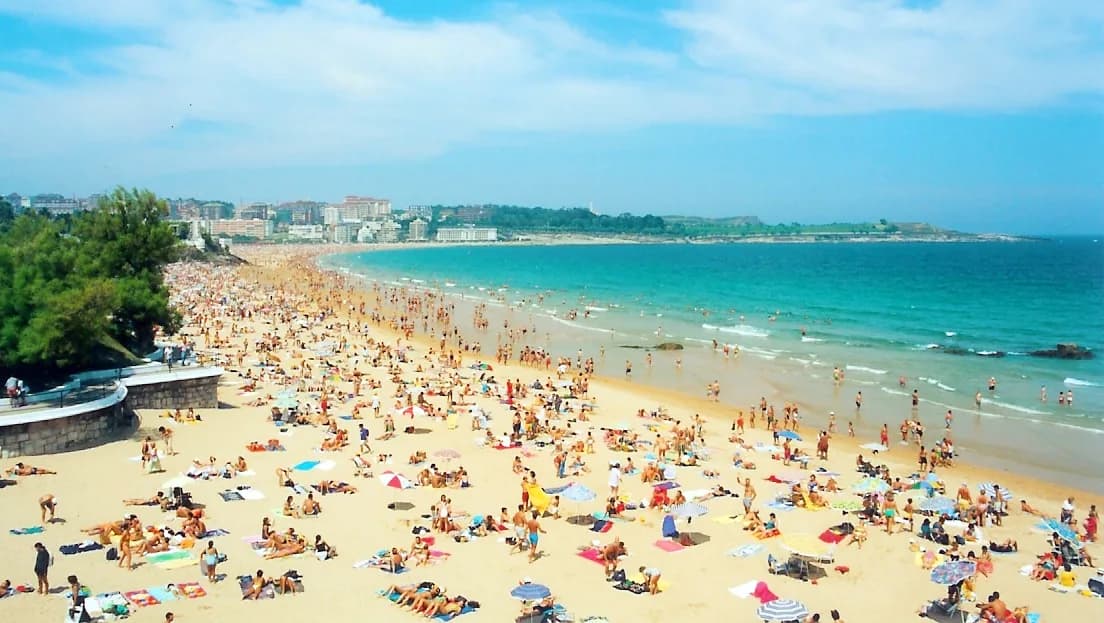
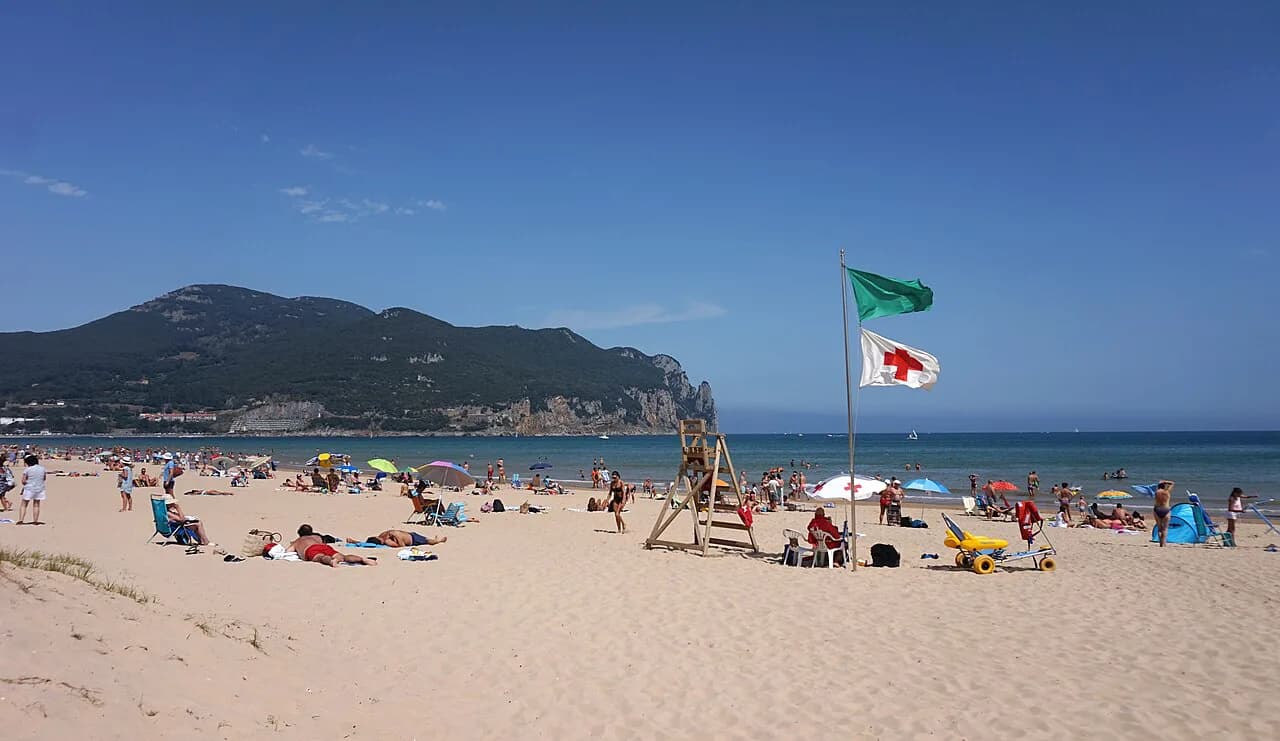
El Sardinero gives you a rare combination: a long golden beach you can walk to from a city centre, backed by white Belle Époque buildings, a grand casino and a wide promenade. It suits travellers who want a proper swim and a sunbathe without giving up cafés, gardens or an evening in town, and it works equally well for couples on a city break and families who prefer amenities close at hand.
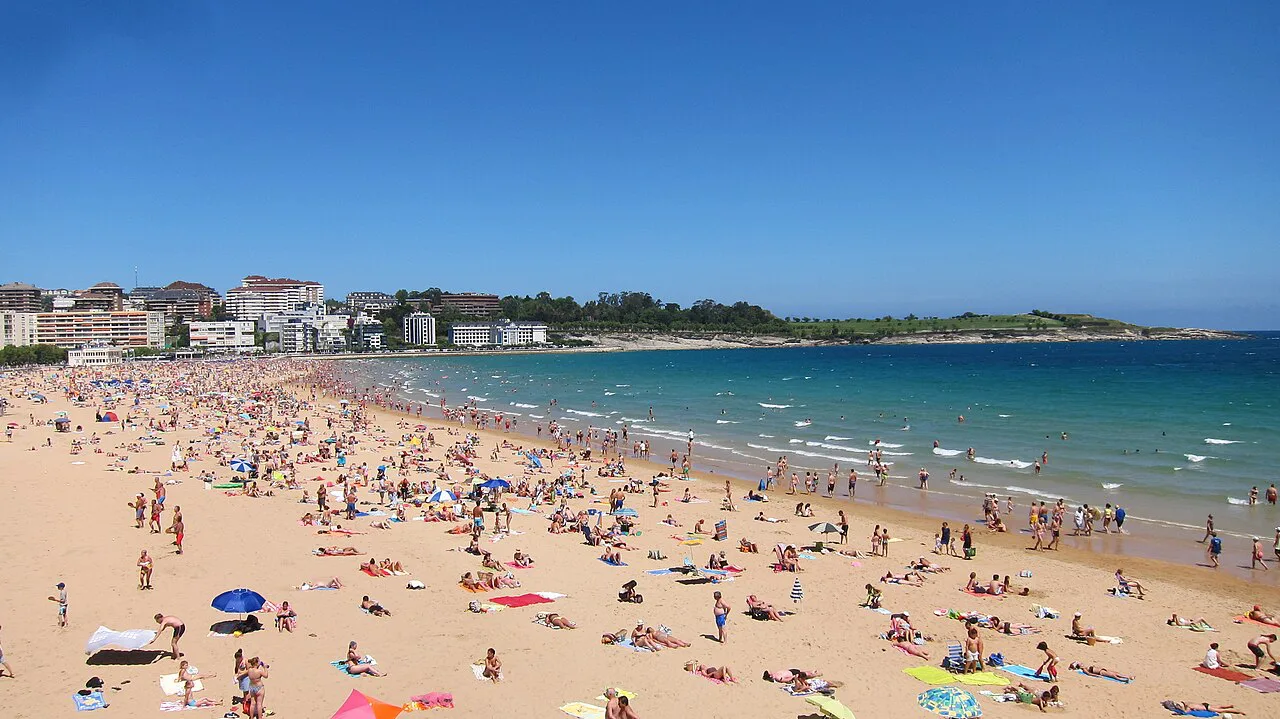
What surprises many first-time visitors is that El Sardinero is not one beach but two. Primera Playa and Segunda Playa are separated by the Jardines del Piquío and become a single strip at low tide, so which one you choose shapes your day.
Two beaches, one long golden strip
The two halves of El Sardinero are urban beaches sharing fine golden sand and a full set of bathers' services, including toilets, showers and sun loungers for hire. Between them they run for more than a kilometre, which makes them as good for a barefoot promenade as for settling under a towel.
Locals tend to pick a favourite side rather than treat the pair as interchangeable, and the Jardines del Piquío gardens make a natural marker between them. If you are staying for several days, try each on a different morning: one side for an early swim, the other for a lazy afternoon.
Where El Sardinero sits in Santander
El Sardinero occupies the city's northern seafront, roughly 2 to 3 kilometres from the centre, with the Magdalena Peninsula and its palace a short walk to the west and Mataleñas Park on the headland beyond. That compact geography means you can link the beach, the gardens and a clifftop viewpoint in a single day without transport.
The bay position gives the beach a degree of shelter from strong winds, and the seafront architecture — the Gran Casino on Plaza de Italia, the historic Grand Hotel — sits directly behind the sand. Expect a resort atmosphere rather than a wild coast, with the surf of the open Atlantic beyond the headlands.
Getting there
Walking from the city centre takes about 20 to 30 minutes along the seafront, an easy approach that drops you onto the Queen Victoria Promenade with the beach below. City buses run regularly from the centre with stops close to the beach areas, which is the simplest option if you are carrying chairs, a cool box or children's kit.
Arriving by train, Santander's station sits in the centre, and a taxi to the beach district takes around 15 to 20 minutes; the airport lies about 20 kilometres away with a similar taxi ride. Foot passengers off the ferry terminal can start their visit with the promenade walk past the gardens and villas.
Renfe runs the long-distance rail routes into Santander, including the Madrid connection, so the beach can be the first stop of a rail-based trip to Cantabria. Check departure times and seat reservations with Renfe before you build the rest of the day around them.
Parking in summer and why public transport wins
Parking around the El Sardinero district is very limited in summer because of the volume of visitors, and circling for a space eats into beach time. Leave the car at your accommodation and come on foot, by city bus or on the well-kept paths along the coast; you arrive relaxed and avoid the afternoon exodus from the car parks.
If you are driving into Santander for the day, plan the beach as an afternoon stop after an inland or city morning, when some early visitors have already left. Bring a light bag rather than a full kit so the walk from a bus stop or a distant space stays comfortable.
The sand and the water
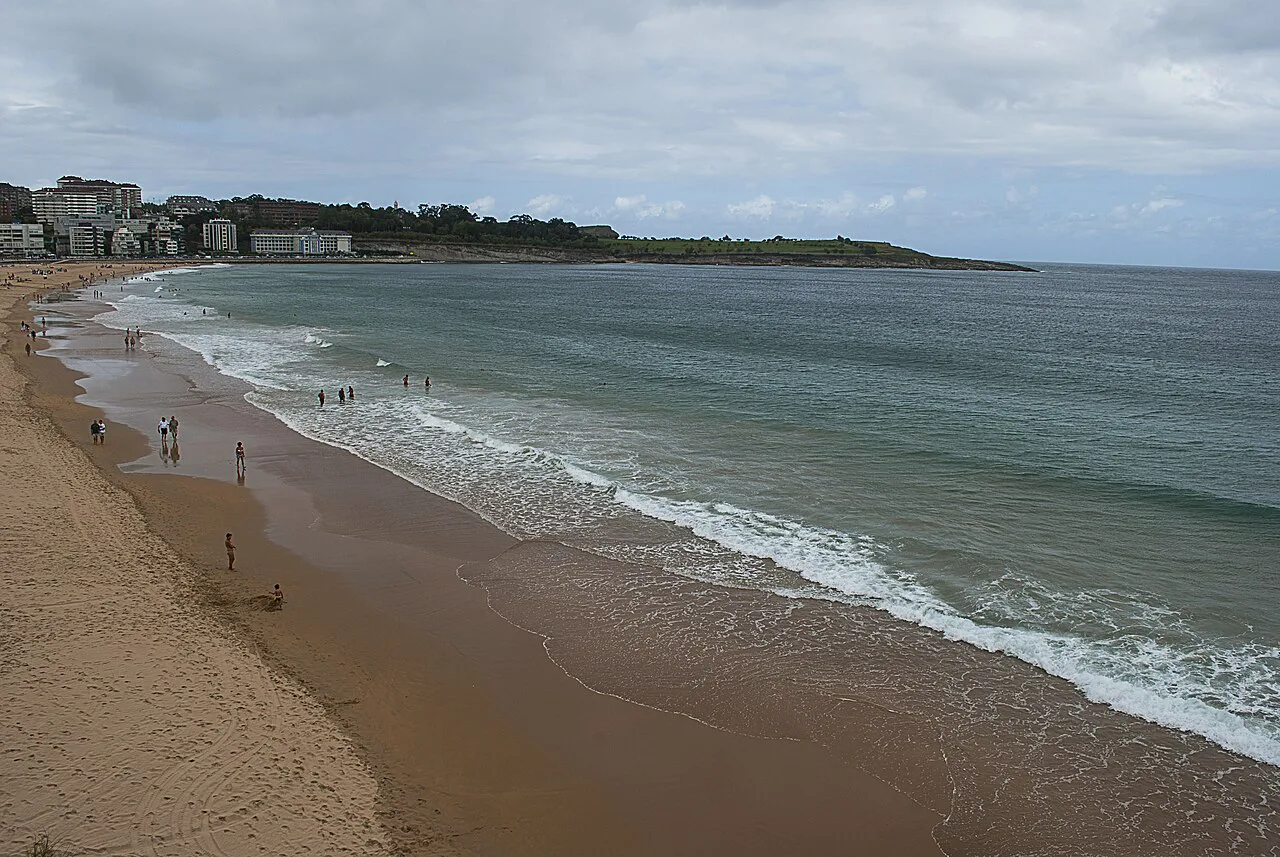
The sand is fine and golden, and the beach shelves into Atlantic water that carries real surf on many days rather than the millpond calm of a sheltered Mediterranean cove. Strong swimmers and surfers get the most from it; families with small children should stay close to the shoreline and watch the flags.
At low tide the two beaches join into one broad expanse, opening up long walks and plenty of room to spread out. Water-sports equipment, including surfing gear, is available for hire in the area, which makes El Sardinero a practical base for a first taste of northern-coast surfing.
Shelter, wind and choosing your end of the beach
The district's position gives the sand reasonable protection from strong winds, but this is still the Bay of Biscay coast and conditions change through the day. Read the lifeguards' flags on arrival and pick your spot accordingly rather than committing to the first empty patch.
Families with younger children often gravitate to the gentler bathing stretches near the gardens and the smaller Playa de la Magdalena on the peninsula, which has a playground close by. Walkers and swimmers wanting length should head for the main El Sardinero sands, where the kilometre-plus frontage gives space even on busy days.
Facilities
Both halves of El Sardinero offer toilets, showers and sun loungers for rent, and the seafront behind the sand has cafés, restaurants and bars within a couple of minutes' walk. Showers, toilets and lifeguard stations operate through the high season, with a daytime window that runs into the evening.
Because the beach is a public space, you can walk the sand and promenade at any hour, which makes it a good spot for an early swim or an evening stroll after dinner. Bring your own shade if you prefer not to hire a lounger, as the wide sand offers little natural cover.
The seafront: promenade, gardens and casino
Behind the sand, the Queen Victoria Promenade runs past rose gardens and villas down to the water, with the Gran Casino and the Grand Hotel anchoring the resort's Belle Époque character. Allow an hour or two simply for the architecture and the sea views if you enjoy that side of a beach day as much as the swimming.
The casino, restaurants and nearby museums keep their own hours, so treat the seafront as a flexible add-on to the beach rather than a fixed itinerary. A coffee on the promenade at sunset is the simplest way to finish the day without booking anything.
Best time to go
High summer brings the crowds and the fullest facilities, with the beach busiest from late morning through the afternoon. Come early for a quiet swim and a good spot, then retreat to the gardens or a café when the sand fills up.
Sea temperatures on this coast peak later in the season, so late summer and early autumn often give warm water with a thinner crowd than August. Shoulder-season mornings can be fresh and breezy, which suits walkers and surfers more than sunbathers.
Nearby beaches to combine
The Magdalena Peninsula holds two smaller beaches of its own: Playa de la Magdalena, popular with families and equipped with a playground, and Playa de Bikini, long a favourite with younger swimmers near the international university. Both make an easy extension of an El Sardinero day on foot.
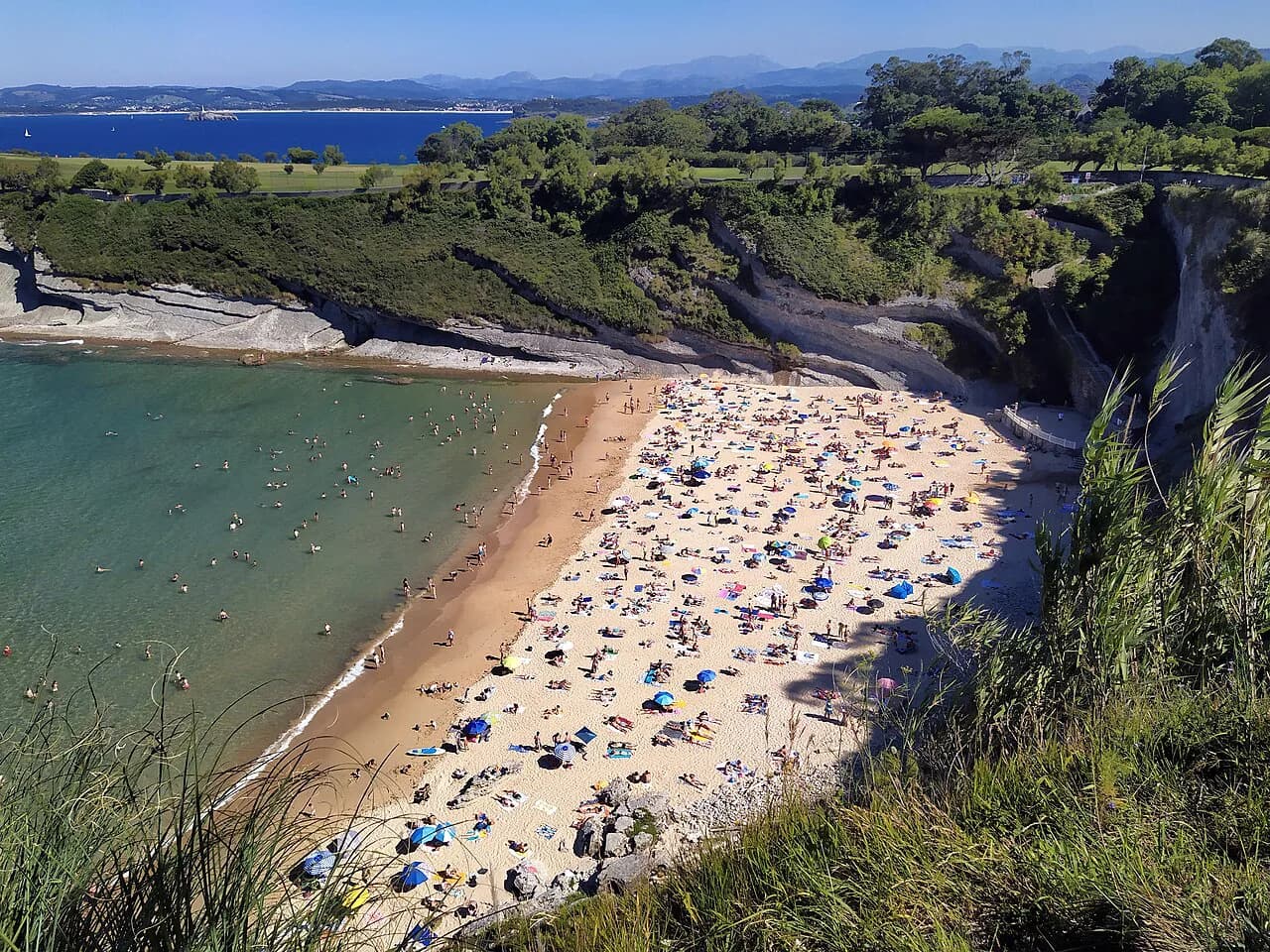
For a quieter cove, Playa de Mataleñas sits between cliffs with turquoise water and steep steps down to the sand, rewarding those willing to make the descent. Playa de Los Molinucos is a short walk from El Sardinero and adds another small bay to a coastal circuit.
Playa de la Maruca, north of the city, has a broad expanse of sand and a calm, local atmosphere, while Playa de Rosamunda near Santa Cruz de Bezana brings cliffs, green forest and clear water with hiking trails above. Both suit travellers with a car who want a different texture of coast after the resort bustle.
If you are touring Cantabria more widely, the Santander beaches guide covers the city's full spread of sands and how they compare for families, swimmers and walkers. Wider afield, Comillas beach and Somo beach on the Bay of Santander make good day trips from the city, and travellers heading further east can weigh the resort sands of the best beaches in Sitges for a Mediterranean contrast.
Pairing the beach with the Magdalena Peninsula and Mataleñas Park
A strong full-day plan starts with an early swim at El Sardinero, continues on foot around the Magdalena Peninsula past the palace and its pine-lined avenues, and finishes with the clifftop views from Mataleñas Park. The walking is gentle apart from the descent to the coves, and the route keeps you near cafés and buses throughout.
Carry water and sun protection, as shade is scarce on the open sand and the headland paths are exposed. If the wind picks up, the sheltered streets behind the promenade give you a comfortable fallback for the afternoon.
Plan Your Beach Day
El Sardinero rewards a simple plan: arrive on foot or by bus, choose your side of the Piquío gardens, swim early and spend the afternoon between the sand, the promenade and the Magdalena Peninsula. It is the most convenient beach day in Santander and one of the most handsome in northern Spain.
Confirm bus times with the city operator and seasonal service details with the Santander tourist office before a late return, and check Renfe timetables if you are arriving by rail. Everything else — towel, shade, a bit of patience with summer crowds — you can sort on the day.
Frequently Asked Questions
Is El Sardinero beach sand or pebble?
It is a fine golden sand beach. Primera Playa and Segunda Playa together run for more than a kilometre, and at low tide they merge into one broad strip that is comfortable for barefoot walking.
How do you get to El Sardinero from Santander city centre?
Walking takes about 20 to 30 minutes along the seafront. City buses run regularly from the centre with stops close to the beach, and a taxi from the station takes roughly 15 to 20 minutes. Summer parking in the district is very limited, so public transport or walking is the easier choice.
Is El Sardinero good for swimming and surfing?
It is an Atlantic beach with genuine surf on many days, so it suits confident swimmers and surfers, and water-sports gear including surfing equipment is available for hire in the area. Families with small children should stay near the shoreline and follow the lifeguards' flags.
What is the difference between Primera and Segunda Playa at El Sardinero?
They are the two halves of the same resort beach, divided by the Jardines del Piquío gardens and joined at low tide. Both have golden sand and bathers' services, and regulars tend to favour one side over the other.
Which beaches near Santander are quieter than El Sardinero?
Playa de Mataleñas, reached by steep steps down between cliffs, is a quieter cove, and Playa de Los Molinucos is a short walk away. Playa de la Maruca to the north and Playa de Rosamunda near Santa Cruz de Bezana offer calmer alternatives further out.
When is the best time to visit El Sardinero?
High summer is busiest, so early mornings give the calmest swim and the best choice of spot. Late summer and early autumn often bring warmer sea temperatures with smaller crowds, while shoulder-season mornings suit walkers and surfers more than sunbathers.
What facilities are on El Sardinero beach?
Both halves have toilets, showers and sun loungers for hire, with lifeguard stations operating through the high season. Cafés, restaurants and bars line the promenade directly behind the sand.
Sources
Beach notes for your next trip
Optional updates when we add or revise beach guides.
You might also like
Continue reading
More guides you'll find useful