Kedrodasos Beach, Chania: What to Know Before You Go
Kedrodasos beach near Elafonisi is white sand, fragile juniper groves and no facilities. Here is the dirt-track walk, the parking and who it suits.
On this page
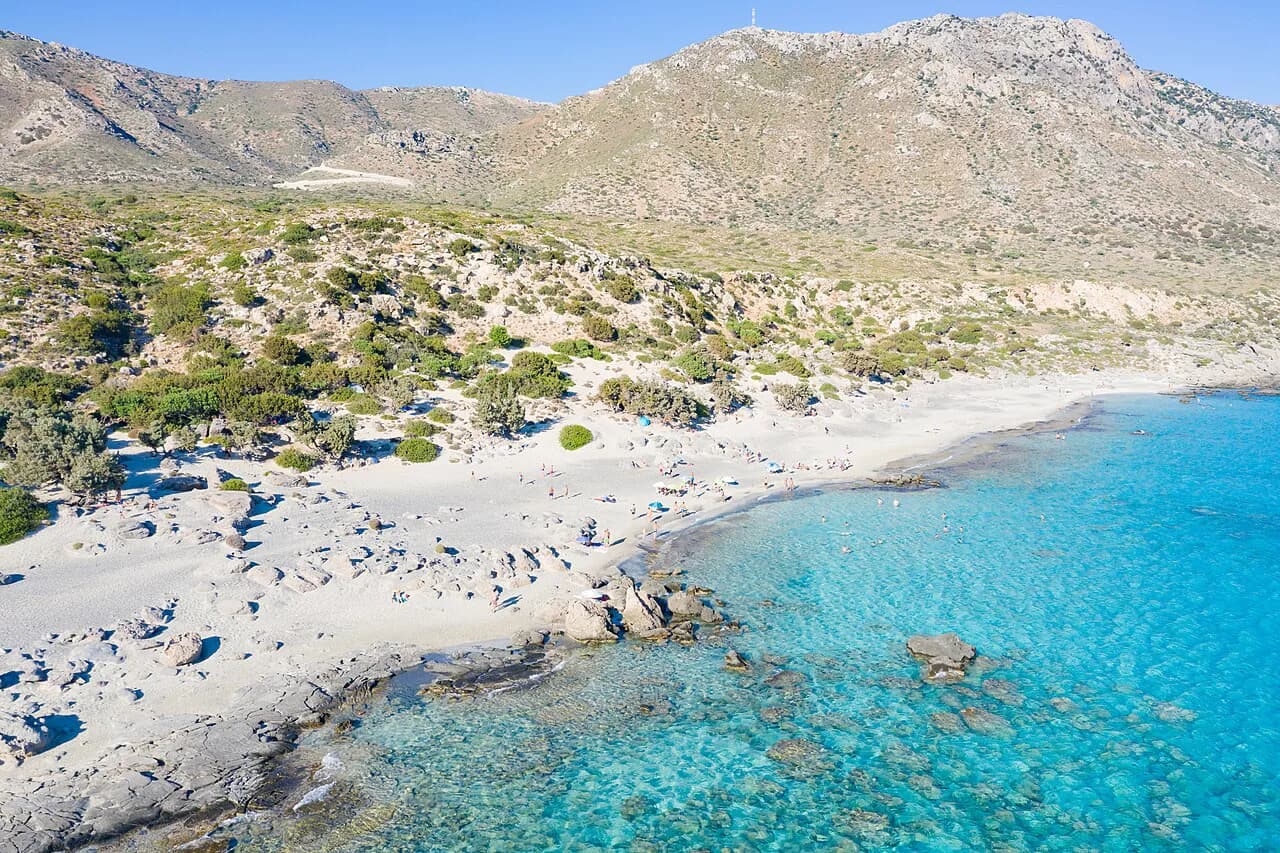
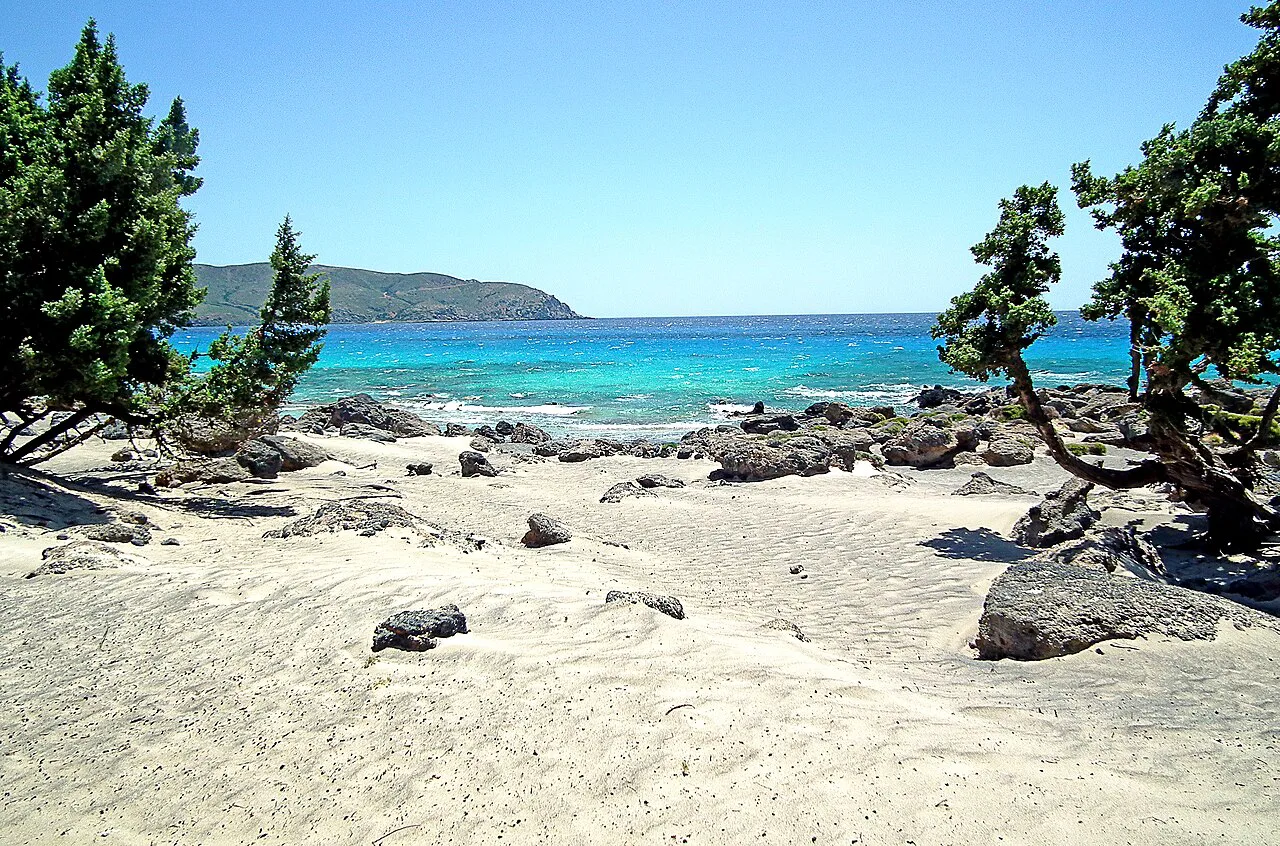
Kedrodasos earns the trip on two counts: a sweep of white sand with shallow turquoise water, and an unusual grove of twisted junipers growing straight out of the dunes behind it. It sits barely a kilometre east of Elafonisi lagoon, yet the walk-in and lack of any facilities keep it far quieter. It suits swimmers who don't mind carrying their own shade and water, naturists who value a long-established clothing-optional beach, and walkers following the E4 along the coast.
Where Kedrodasos sits
The beach lies in the Selino area of south-west Chania, about 76 km south-west of Chania town and roughly 1 km east of Elafonisi lagoon. From Kissamos, the drive south covers around 47 km and takes about an hour, ending 2.7 km south of Elafonisi itself. The European E4 long-distance path crosses the beach, which is what makes it a natural link between Elafonisi and Paleochora.
This is the far south-west corner of Crete, where the coast turns wild and windy and settlements thin out. Paleochora, the nearest sizeable base, sits a short drive west, and the Chrysoskalitissa monastery is inland on the road down from Kissamos. If you are planning several days in the region, it makes sense to slot Kedrodasos into a wider tour of the Chania beaches rather than treat it as a standalone outing.
Getting there by road
Drivers leave the tarmac for a small paved lane and park informally on the ground either side of it, roughly 15 minutes' walk from the sand. This is not a formal car park and space is limited, so arriving earlier in the day gives you a better chance of a spot. Drive from Kissamos towards Elafonisi and watch for the turning east of the lagoon.
Travellers staying in Paleochora can join a private boat day trip to the beach, offered for parties of at least four people. Kreta.com lists a price of 50 € per person for that trip; confirm departure details and seasonal availability directly with the tour company before booking.
The walk in
The approach is a steep stone path descending to the beach, with rough ground and a dried-up stream bed on the way. Wear proper shoes rather than flip-flops, and think twice about wheeled luggage or heavy cool boxes. The 15-minute walk from the parking area filters out casual visitors, which is a large part of why the beach stays as quiet as it does.
Walkers can reach Kedrodasos from Elafonisi on the E4, heading east along the coast from the lagoon. Yellow and black waymarks mark the route where it crosses the beach, and the connecting path to Paleochora runs through the same corridor. Come equipped for exposed ground, sun and wind, and allow more time than the distance suggests if you are carrying beach gear.
The juniper grove
Behind the sand lies a grove of low, twisted junipers covering roughly 11 hectares of dunes. Two species grow here: Juniperus oxycedrus subsp. macrocarpa and Juniperus phoenicea. The trees are often called cedars, but they are junipers, and they are fragile, with roots running shallow through loose sand.
Treat the grove as a nature reserve rather than a picnic site: keep off the roots, don't break branches for shade and take every scrap of litter out with you. The shade the trees give is part of the beach's appeal, and it only survives if feet stay on the open sand and established paths.
The sand and the water
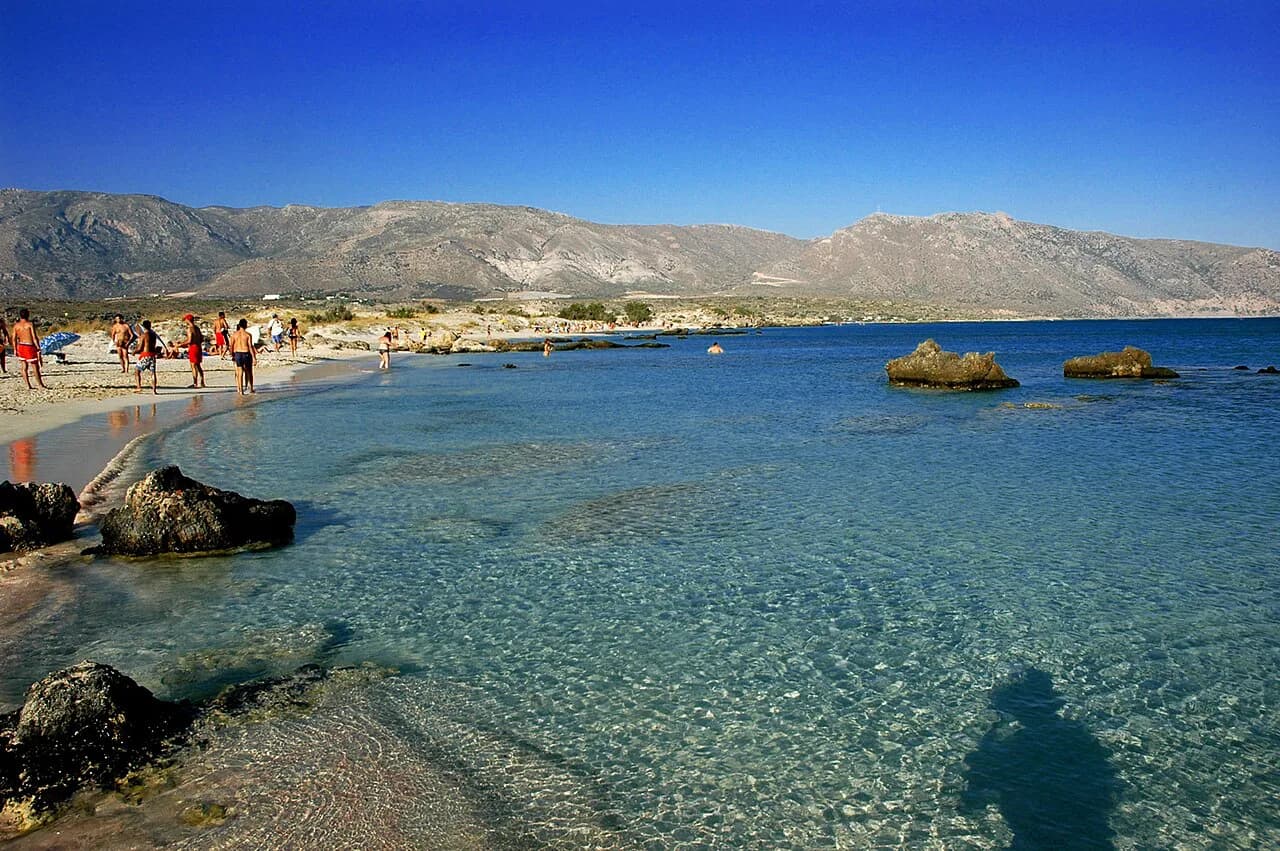
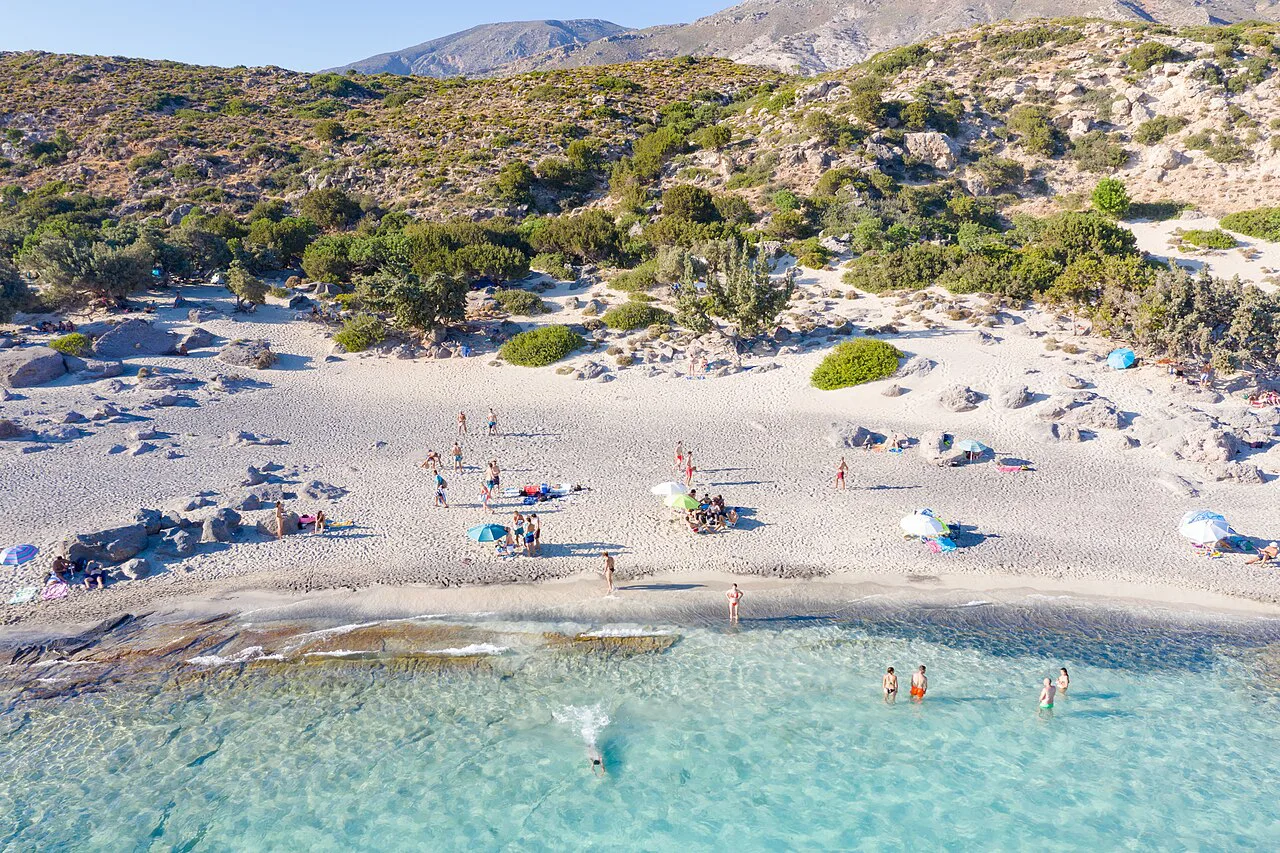
The beach is white sand with smooth, flat rock in places, and the seabed shelves gently from the shore. The water is turquoise and the surface is usually calm, and the guide describes it as shallow. It is good for swimmers and snorkellers, particularly around the rocks at the edges of the sand.
Kedrodasos tends to be the calmer alternative to Elafonisi when the prevailing wind is up, because the dunes and junipers break the airflow. The wider area, though, is known for strong wind and flat water, which is why windsurfers and kitesurfers rate the surrounding coast. If you want a still, sheltered swim, pick a spot tucked behind the vegetation; if you want breeze, head for the more exposed stretches.
Facilities
There are no facilities at Kedrodasos, which is central to its character as one of the least developed beaches in the region. Bring drinking water, food, sun cream, a towel and any shade you need, and plan to carry out everything you carry in. If you want sunbeds, bars and easy access, neighbouring Elafonissi beach has the infrastructure and is a short drive or walk away.
Naturism and etiquette
Kedrodasos is a long-established naturist beach, and in practice it is a mixed beach where clothed and unclothed bathers share the sand. Keep to the usual beach etiquette: no staring, ask before photographing anyone and give people space. The naturist tradition is one part of the beach's identity, not its whole story, and families and walkers use it too.
Best time to go
Peak season has become noticeably busier at Kedrodasos as its reputation has spread, so midsummer weekends and August afternoons fill the sand closest to the path. For a quieter swim, aim for early morning or late afternoon, or visit in the shoulder months around June and September when the sea is still warm and the beach empties out. The water is comfortably warm from late spring through early autumn.
If you want genuine solitude even in high summer, walk east along the E4 from Kedrodasos towards the chapel of Agios Ioannis. The coves along that stretch, roughly 1–2 km away, have fewer trees and less natural shade but far fewer people. They are reached on foot only and share the same exposed, wind-shaped character as the main beach.
Nearby beaches to combine
Elafonisi lagoon, about 1 km west, is the obvious pairing, with its famous pink-tinged sand and shallow lagoon. Beyond that, Agios Ioannis at Krios and the Viena and Krios beaches lie within a few kilometres along the same south-west Crete coast. If you are weighing up a longer island-hopping trip, it is worth comparing these coves with the best beaches in Naxos before you commit. Combining two or three in a single day works well if you have a car and start early.
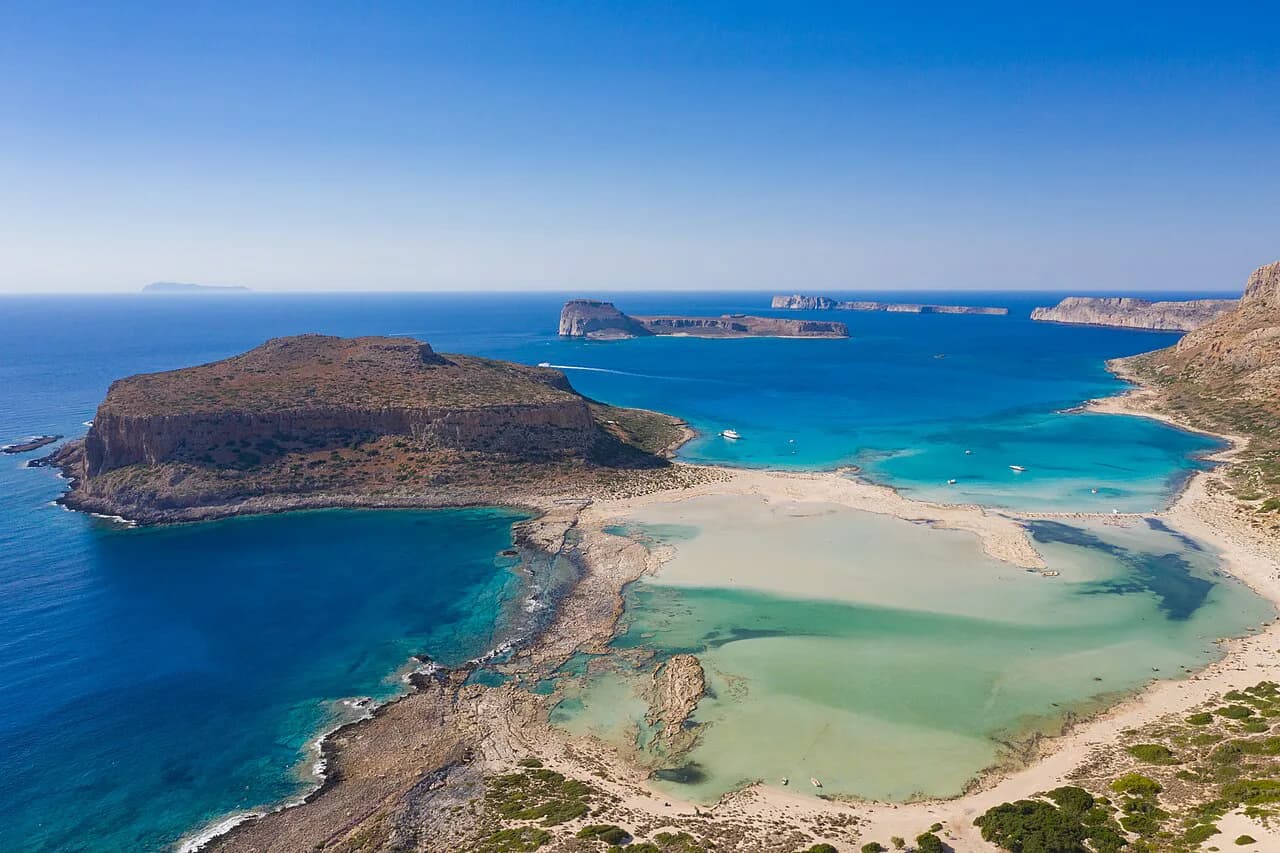
If you are based further north, Balos beach and the Gramvousa peninsula make a natural second excursion from Kissamos, though the access is very different: a boat trip or a rough drive followed by a walk. Closer to Chania town, Nea Chora beach gives you an easy, town-based swim to balance the remote south-west day.
What to bring and what to leave behind
Pack light but pack properly: plenty of water, a sun hat, sturdy shoes for the path, a windproof layer and a bag for all your rubbish. Bring your own shade if you plan to stay all day, and don't rely on finding a natural spot among the junipers without disturbing the roots. Leave behind glass, barbecues and anything that could damage the dune habitat.
Bringing a dog to Kedrodasos
Kedrodasos has no facilities nearby, which shapes what a day here means for a dog: there is no shaded kiosk, no tap and no litter bins, and the site is described as one of the latest untouched paradises in Europe, so everything you carry in has to come back out with you. The juniper grove covers a big area of about 11 hectares and the trees are very fragile and need respect — the twisted junipers are Juniperus oxycedrus subsp. macrocarpa and Juniperus phoenicea — so keep a lead on through the grove and on the dunes rather than letting a dog push through the low growth. The same applies on the sand: this is a quiet, naturist-friendly beach, and a dog roaming loose among people sunbathing is the surest way to spoil the calm that makes the place worth the walk.
The approach is the practical hurdle. The beach lies 76km southwest of Chania and 1km east of the famous Elafonissi lagoon, reached by dirt track and on foot. One route description notes that a steep stone path leads down to the beach, that parking is 15 minutes' walk away, and that this is not an official parking lot but rather parking space left and right of a small street, now also paved, with not much parking. On a hot day that fifteen minutes each way, over stone and along a dried-up trickle, is hard on paws; the walk out is uphill. Since the beach is protected to some point from the winds that blow at neighbouring Elafonissos but the wider area is known for intense wind, plan for a hot, exposed walk in and carry water for the dog as well as yourself.
Two more points follow from what the beach is. Travellers use the area around the beach as a free camping spot, so expect people settled in for the night with tents and kit; a dog that barks at every passer-by will not be welcome, and you should give campers a wide berth. And if the main beach feels busy in peak season, the answer is not to spread out with a dog beside the junipers but to walk east: some nice beaches lie 1-2km to the east on the way to the remote chapel of Agios Ioannis, crossed by the E4 footpath and reached only by walking east from Kedrodasos, with fewer trees and less natural shade. Carry water for that stretch too, and remember the E4 is marked with yellow and black signs — the same path other walkers and their dogs will be using.
Plan Your Visit
Kedrodasos rewards a bit of planning: drive or walk in with proper shoes, carry everything you need, keep off the juniper roots and go early or out of season to enjoy the quiet. Pair it with Elafonisi if you want facilities, or push east on the E4 for more solitude. Check current information on the Chania beaches hub before you set out, and confirm any boat trip or private tour details directly with the tour company.
Frequently Asked Questions
How do you get to Kedrodasos beach?
Drive south from Kissamos towards Elafonisi and turn off east of the lagoon, parking informally beside a small paved lane. From there it is about a 15-minute walk down a steep stone path to the sand. There is also a private boat day trip from Paleochora for parties of at least four.
Can you walk from Elafonisi to Kedrodasos?
Yes. The E4 long-distance path connects Elafonisi with Kedrodasos, heading east along the coast for roughly a kilometre. Yellow and black waymarks mark the route where it crosses the beach, and the same path continues west towards Paleochora.
Is Kedrodasos beach good for swimming?
The seabed shelves gently from white sand and the surface is usually calm, with turquoise water. The guide characterises it as shallow and good for swimming and snorkelling, especially around the rocks. The wider area is known for strong wind, so pick your spot with the breeze in mind.
Are there sunbeds or bars at Kedrodasos beach?
There are no facilities at Kedrodasos. Bring your own water, food and shade and take all rubbish away with you. If you want sunbeds and beach bars, Elafonisi is only about a kilometre west.
Is Kedrodasos a naturist beach?
Kedrodasos is a long-established naturist beach and in practice a mixed one, used by clothed and unclothed bathers. Follow normal beach etiquette: give people space and don't photograph anyone without asking.
How busy is Kedrodasos beach in summer?
Visitor numbers have grown as the beach has become better known, and peak-season days are busier than in the past. Early mornings and shoulder months are quieter. For real solitude, walk east along the E4 towards Agios Ioannis, where the coves have fewer people and less shade.
Which beaches are near Kedrodasos?
Elafonisi lagoon lies about a kilometre west, and Agios Ioannis at Krios, Viena and Krios are all within a few kilometres. Paleochora and its nearby coves are a short drive further west, and Balos beach is the natural second excursion from Kissamos.
Sources
Beach notes for your next trip
Optional updates when we add or revise beach guides.
You might also like
Continue reading
More guides you'll find useful