Gramvousa Beach, Chania: Boat Trips and What to Expect
Gramvousa beach sits on the Imeri Gramvousa peninsula and is reached only by boat from Kissamos. Here is what the sand, pebbles and castle climb involve.
On this page
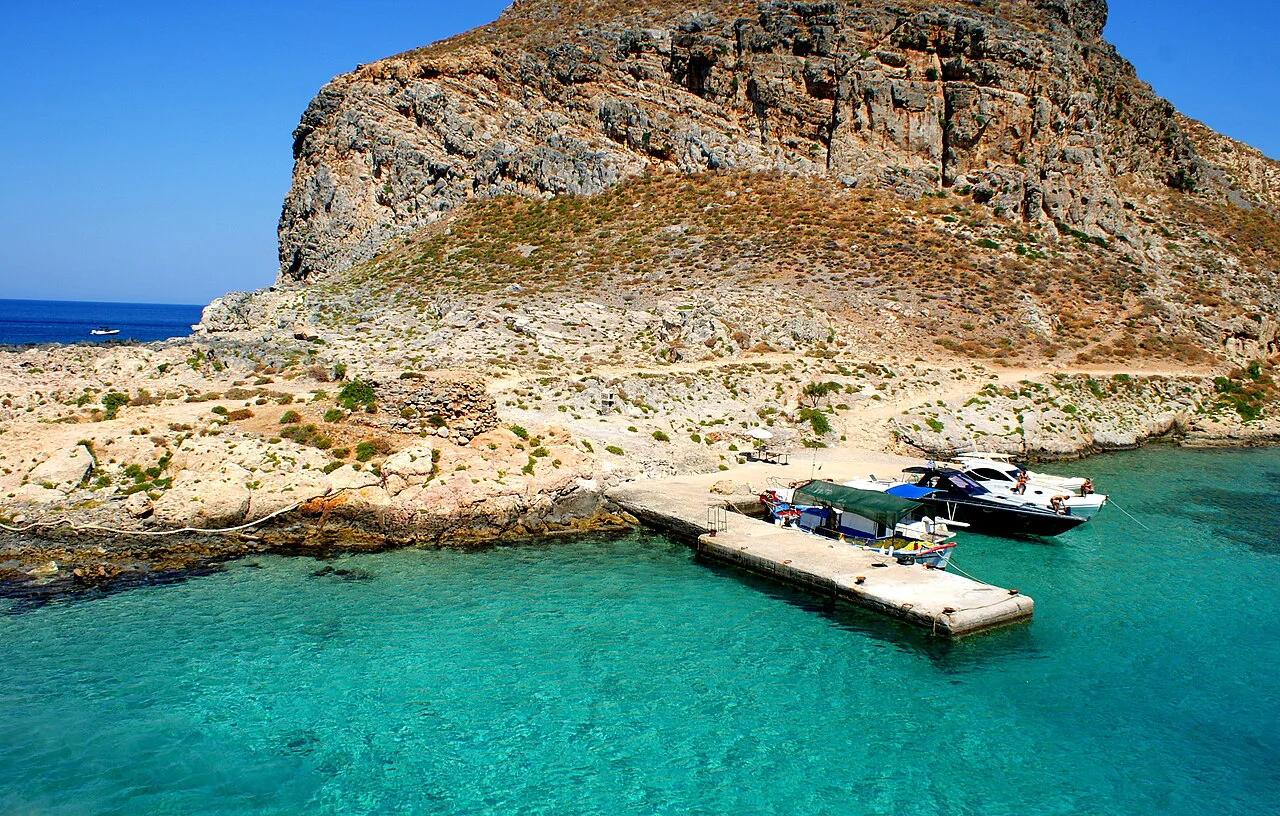
Gramvousa is the beach you earn with a boat ride: a sand-and-pebble cove at the tip of the Imeri Gramvousa peninsula, with tamarisk trees for shade and a Venetian castle on the headland above. It suits travellers based in Kissamos or Chania who want a swim tied to a walk and a view rather than a resort beach with rows of sunbeds. The setting is deliberately rough, so pack water, an umbrella and footwear for the rock.
Where Gramvousa beach sits on the Imeri Gramvousa peninsula
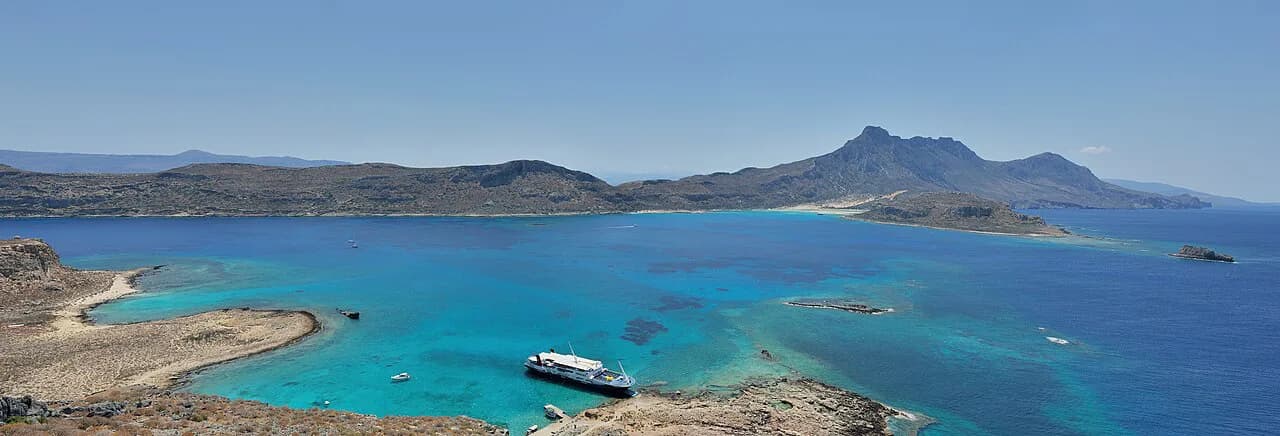
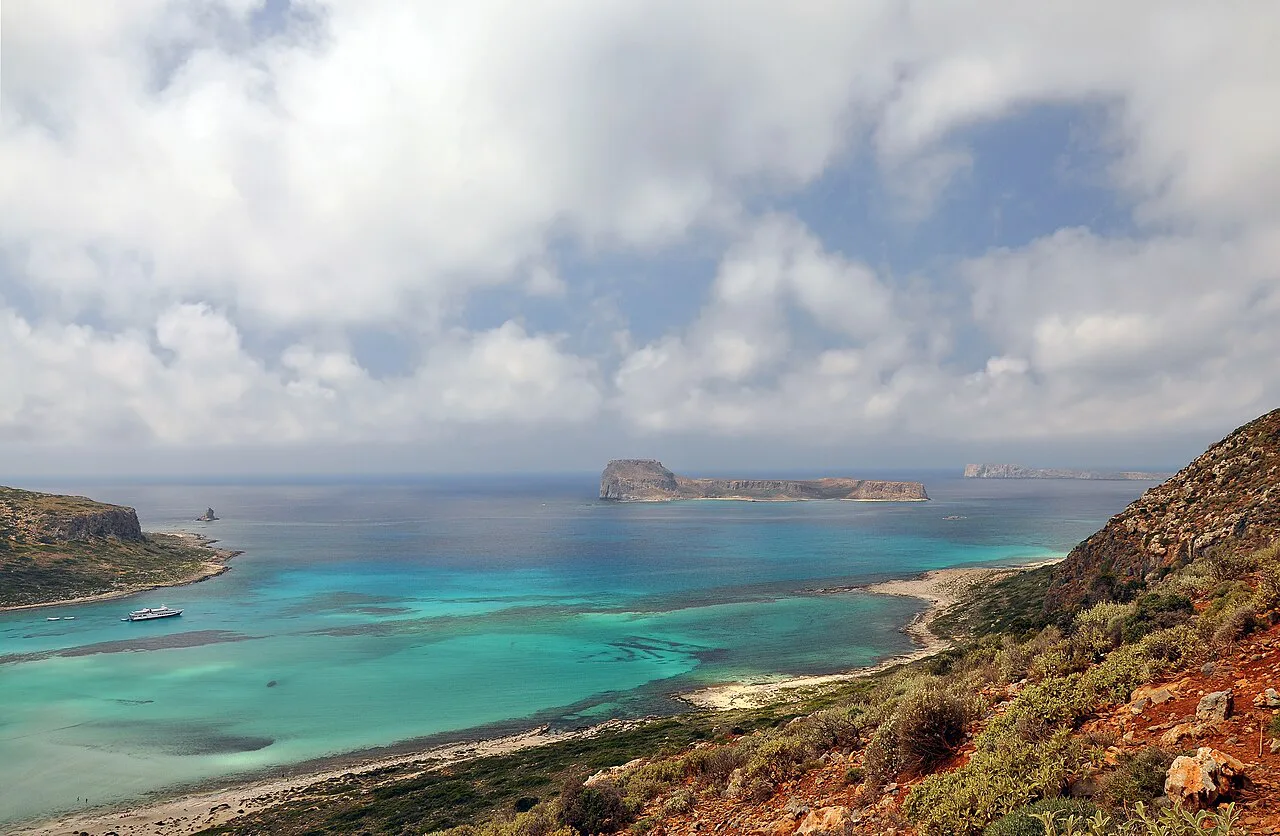
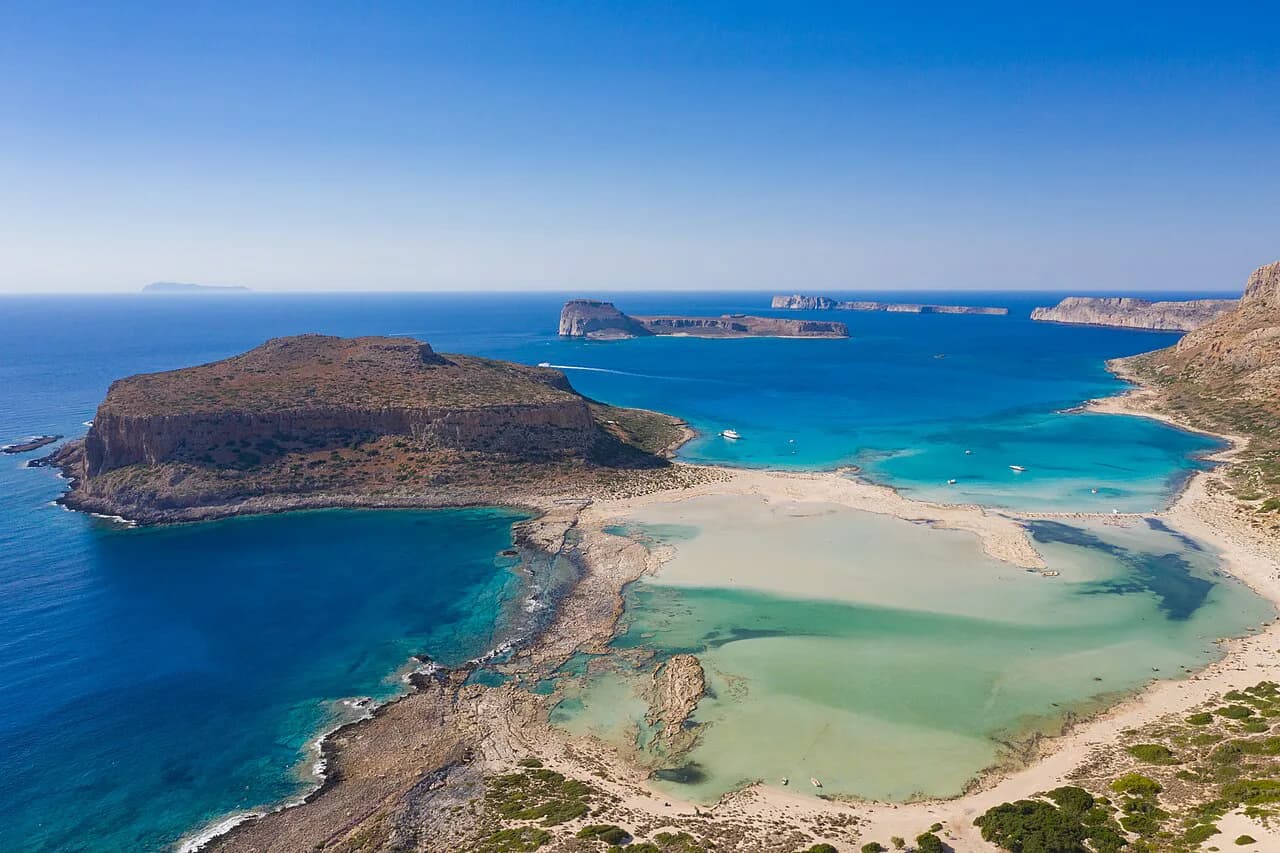
Gramvousa is the beach on the Imeri Gramvousa peninsula at the north-western corner of the Chania regional unit, looking out over open sea towards the Balos lagoon and Cape Tigani. It is a boat-only cove, not a roadside beach, so the walk from the jetty to the water is short but the journey to the jetty takes a crossing. Think of it as a half-day destination rather than a spot to drop into for an hour.
Getting there
Boats to Gramvousa leave from Kissamos, the harbour town on the western end of the Chania coast. There is no road access to the cove itself; the boat is the only way in, so the day is built around a departure time and a return sailing rather than a parking space. Pick a sailing that gives you enough time for both the swim and the climb to the castle.
Crossings from Kissamos often combine Gramvousa with the Balos lagoon on the same ticket, so check whether the boat stops at both and how long it allows at each. Fares, departure times and operator names change with the season, and the tourist office in Kissamos or the harbour booking desks can give you the day's running order. Book ahead in high summer if you want a specific sailing.
The sand and the water
The beach is a mix of sand and pebbles rather than a long ribbon of fine sand, and the cove is small enough to walk end to end in a few minutes. Discover Crete describes clear blue water over that mixed shore, with tamarisk trees giving natural shade at the back of the beach. Wear water shoes: the same page flags slippery rocks in places, which matters most at the water's edge.
For swimmers, the appeal is deep, clear water close to a rocky shore, which also makes it a reasonable spot for a mask and snorkel on a calm day. Families with very small children should treat it as a paddling beach and keep them off the wet rock; the pebble shelf and the slippery patches are the main things to watch. Read the flag at the jetty before you commit to a long swim.
Shade, shelter and what to bring
Tamarisk trees provide the shade on Gramvousa, but they line the back of a small cove, so shade is limited when the boat crowd lands at midday. The Discover Crete page recommends bringing plenty of water and carrying an umbrella, which is sensible advice for a beach with no resort strip behind it. Pack water shoes for the slippery rock, a hat and a dry bag for the crossing.
Shelter depends on the wind direction rather than on built structures: on a breezy day, the corner nearest the castle path tends to feel more protected, while the open side takes the swell. Check the forecast for the Kissamos coast before you book, because a choppy crossing is the usual reason a boat day feels long. If the wind is up, plan to spend more of the stop on the castle walk than in the water.
Facilities and the rustic setting
Gramvousa is a nature destination rather than a developed beach, and Discover Crete presents it as rustic and unspoiled, without the amenities of a resort shore. Take everything you need for the day with you, including drinking water and any food, and plan to carry your rubbish back to the boat. If you need a lido, sunbeds and a beach bar, base yourself on a managed beach near Chania Town instead and treat Gramvousa as a day out.
The castle and Agios Georgios chapel above the beach
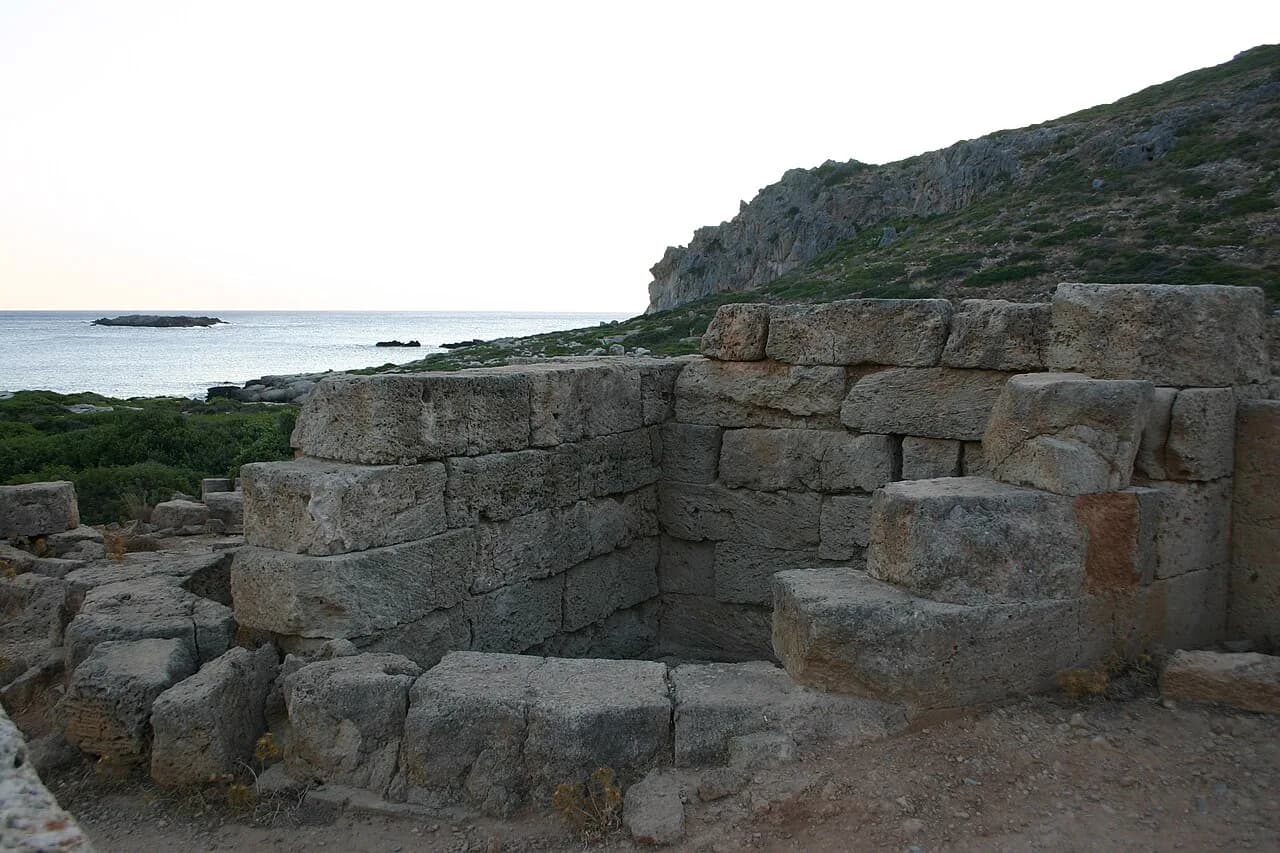
The walk up to the Venetian castle of Gramvousa is the reason many travellers choose this stop over a plain beach day. The fort was built between 1579 and 1584 under Venetian rule to defend the island against the Ottomans, and it stayed in Venetian hands through the Cretan War until the 1669 treaty that surrendered Crete. The chapel of Agios Georgios sits on the headland alongside the ruins, and the path climbs from the cove, so allow time and wear proper shoes.
Do the climb first if the day is hot and swim afterwards, so you are not walking up in the middle of the afternoon. The path is rough underfoot and the drop to the sea is close, so keep children on the inside edge. Leave enough margin to get back to the jetty before your sailing is called.
Staying overnight and the day-visit rhythm
Overnight stays on Gramvousa are not permitted: the area falls within the Natura 2000 network, designated to protect habitats and biodiversity, so the island runs on day visitors. That shapes the day, with a morning or midday crossing, a few hours ashore and a return sailing in the afternoon. The upshot is that you see the cove at its busiest when several boats are in, and at its quietest in the first and last hour of a stop.
Best time to go and how busy boat days feel
The swim season runs through the warm months, with July and August the busiest for boat trips and the most crowded on the beach itself. Late spring and early autumn give you warm-water swimming with fewer people on the crossing, and the castle walk is more comfortable when the sun is less fierce. Book the earliest sailing you can manage if you want the cove before the midday arrivals.
Nearby beaches to combine
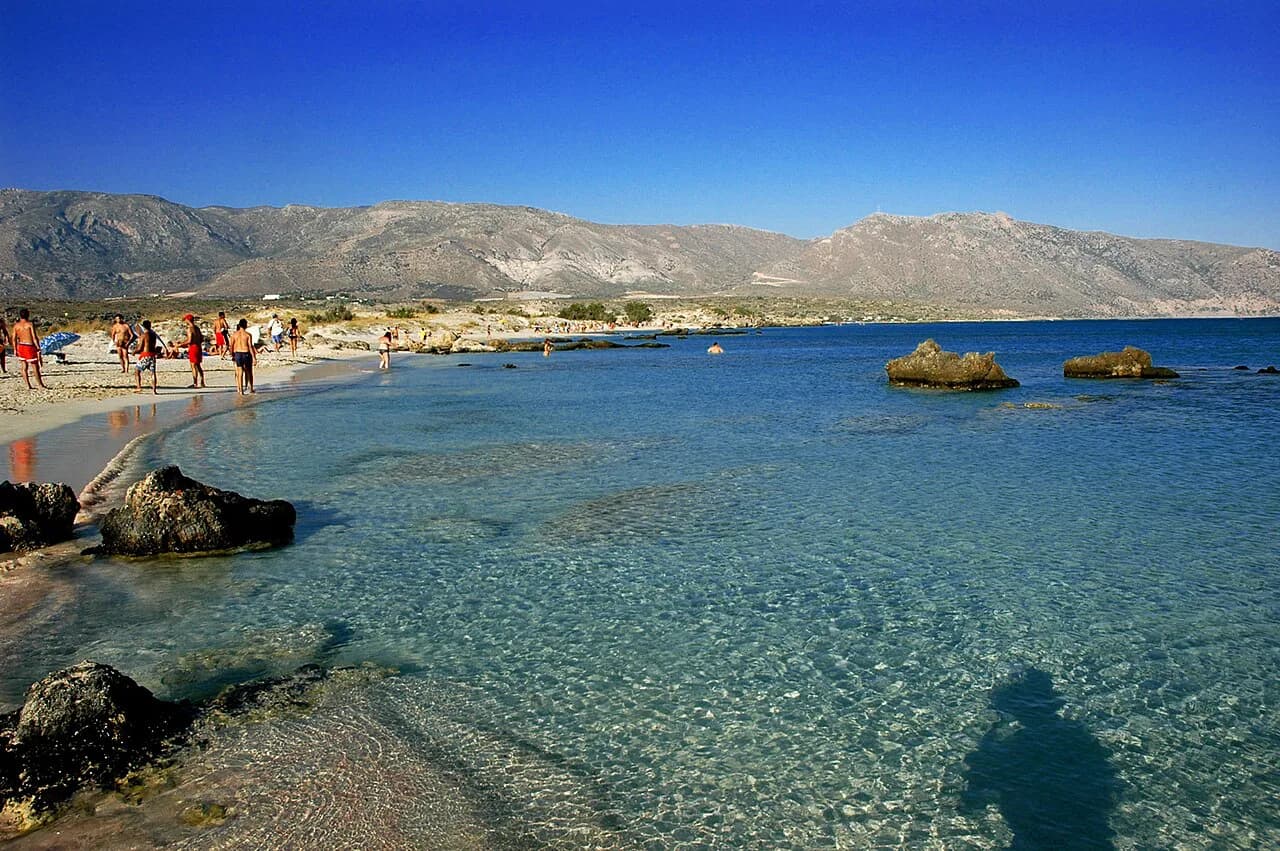
The obvious pairing is the Balos lagoon on the same boat day: the shallow, sheltered lagoon sits between the peninsula and the Cretan coast at Cape Tigani, and many crossings call at both. If you are touring by car, Elafonissi beach further south on the Chania coast makes a separate day rather than a same-day add-on, given the drive from Kissamos. For an easy evening swim after the boat, head back to the town beaches near Chania. If you want a boat-free, cove-by-cove comparison for another trip, this guide to the beaches in Rhodes covers the same kind of swimming decision coast by coast.
Plan Your Visit
Gramvousa rewards planning: pick a Kissamos sailing that leaves you time for both the swim and the castle, take water, an umbrella and water shoes, and expect a rough, unspoiled cove rather than a serviced beach. Couple it with the Balos lagoon if the boat calls at both, and keep the day flexible around the return sailing. Ask the harbour booking desks in Kissamos for departure times and fares before you travel.
Frequently Asked Questions
Can you drive to Gramvousa beach?
No. The beach sits at the tip of the Imeri Gramvousa peninsula and is reached only by boat from Kissamos, so there is no road access or car park at the cove itself.
How do you reach Gramvousa beach from Kissamos?
Take a boat from Kissamos harbour. Many crossings combine Gramvousa with the Balos lagoon, and the sailing time and stopping time vary by operator and season, so ask at the harbour booking desks for the day's schedule.
Is Gramvousa beach sandy or pebbly?
It is a mix of sand and pebbles, with slippery rock in places. Water shoes make the walk to the water and the castle path more comfortable.
Can you stay overnight on Gramvousa?
No. The area is within the Natura 2000 network, designated to protect habitats and biodiversity, and overnight stays are not allowed, so visits run as day trips.
Is Gramvousa worth visiting?
It is worth it if you want a swim paired with the climb to the Venetian castle and the Agios Georgios chapel above the cove. If you want sunbeds, a lido and a beach bar, choose a managed beach near Chania instead.
Which is better, Balos or Gramvousa?
They suit different moods: Balos is a shallow lagoon with wide sandy flats, while Gramvousa is a smaller cove with pebbles, tamarisk shade and the castle walk above. Many boat trips include both, which lets you decide on the day.
Sources
Beach notes for your next trip
Optional updates when we add or revise beach guides.
You might also like
Continue reading
More guides you'll find useful