Glyka Nera Beach, Crete: Boat Access, Pebbles and When to Go
Glyka Nera beach on Crete's south coast is reached by boat from Sfakia or Loutro. What the white pebbles, freshwater springs and steep cliffs mean for your day.
On this page
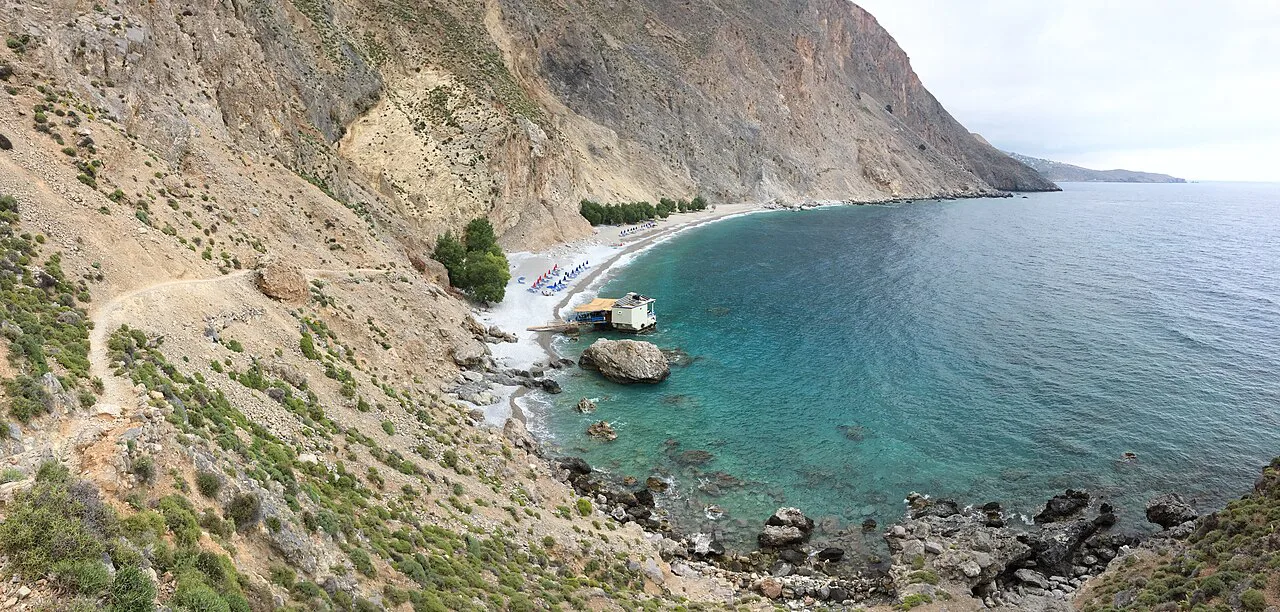
Glyka Nera earns its place on a south-coast itinerary for one reason above all: a freshwater spring rises at the shoreline and mixes with the sea, so you swim where the mountains drain into deep blue water. The beach is not a drive-up stop, and that is part of the appeal for walkers, swimmers and anyone who wants the journey to feel earned.
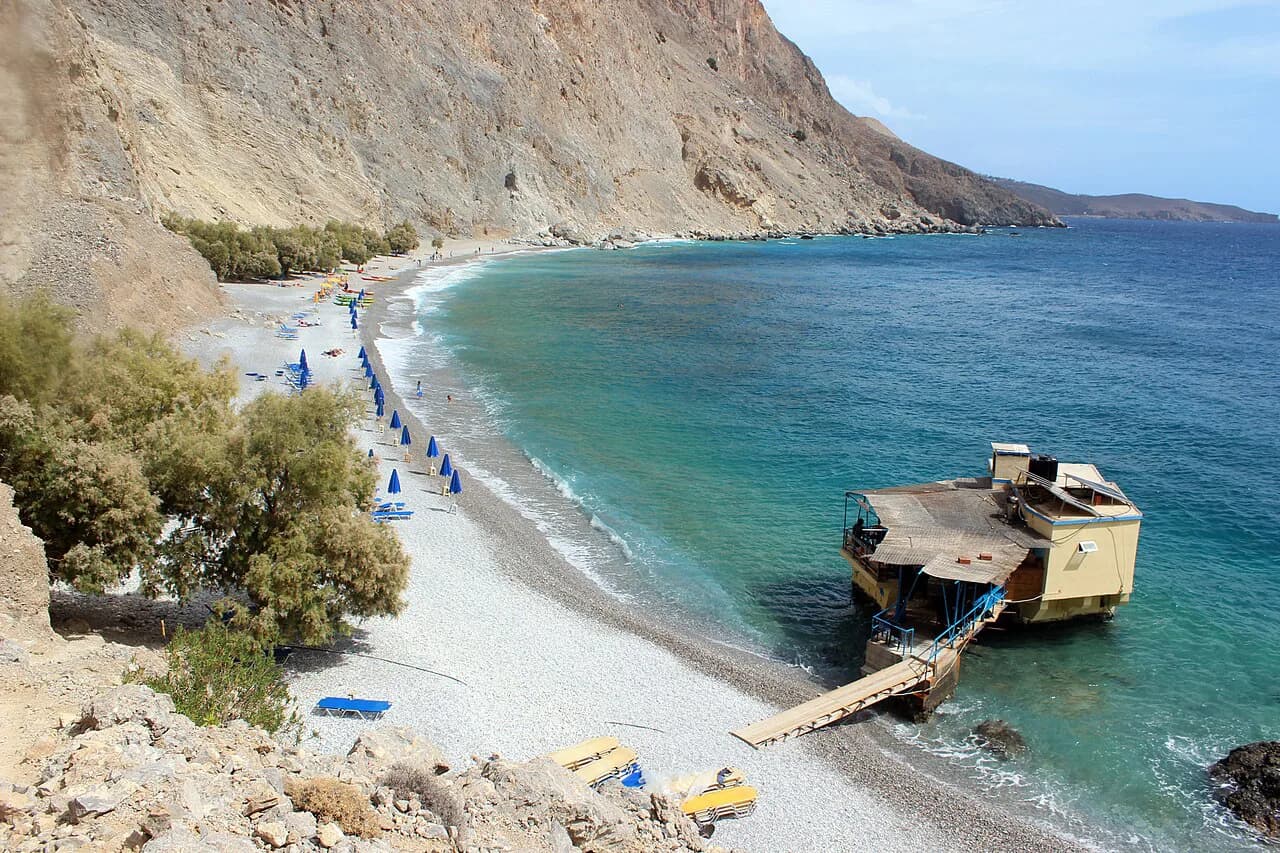
The setting is dramatic rather than gentle, with white pebbles set against cliffs rising as much as 500 metres and water that looks almost unnaturally vivid from the boat. Couples, confident swimmers and travellers based in Sfakia or Loutro get the most from it; families with very small children should weigh the pebbles and the boat timetable first.
Where Glyka Nera sits on the south coast
The beach lies on the south coast of the Chania region, east of Sfakia and west of Loutro, tucked beneath a wall of cliffs that drops straight to the Libyan Sea. There is no coast road serving it, which keeps the shingle quiet compared with the north-coast resorts around Chania Town.
Because access is by water, the beach behaves like a day trip rather than a resort: you arrive, you swim, you eat, and you leave on a sailing. Plan the rest of your south-coast days around that rhythm, and treat Glyka Nera as the anchor of one full day rather than a quick stop between other beaches.
Getting there by boat
Seasonal boats run to Glyka Nera from Sfakia and from Loutro, and the schedules are limited, so the sailing you catch outward decides how long you get on the pebbles. Reportedly, boats leave Sfakia's marina roughly every half hour in season, which makes Sfakia the more flexible base if you want a longer window ashore.
From Loutro the crossing is shorter and the beach fits neatly into a day between swims in the village bay. Either way, confirm the return sailing with the boat operator when you buy your ticket, because the last boat of the day is the one constraint you cannot negotiate.
Parking at Sfakia and the walk to the marina
If you drive to Sfakia, you park in the village and walk down to the marina to board. Parking there is cited at five euros, so budget for it alongside your boat ticket and carry cash in small notes for both.
The walk to the harbour is short but downhill, and the climb back up at the end of a beach day feels longer in the afternoon heat. Wear shoes you can walk in and leave the flip-flops for the pebbles, or carry them in your bag for the crossing.
The pebbles and the water
Glyka Nera is a white pebble beach, not sand: the stones are smooth and pale, and the water shifts from turquoise at the edge to a deep, saturated blue a few strokes out. The beach was ranked among Europe's top beaches by The Times in 2003, a reputation built on that colour contrast and the cliff backdrop rather than on facilities.
The shoreline shelves fairly quickly once you leave the shallows, which suits swimmers who like depth close in and makes the beach less forgiving for toddlers. The cliffs that frame the cove give some shade at the edges of the day, but the centre of the beach is open to the sun for most of it.
Swimming and the freshwater spring
The spring is the reason many travellers choose Glyka Nera over a road-access south-coast beach: drinking-quality fresh water emerges on the beach and mingles with the salt water at the shoreline. In practice you feel a band of cooler water near the spring, a strange and memorable sensation on a hot afternoon.
Snorkellers get the most from the rocky edges of the cove, where the pebbles give way to submerged rock and the water clears. Bring a mask if you have one, and judge the sea state from the boat on the way in rather than assuming flat water.
Facilities on the beach
A taverna serves the beach, and it is the only place to buy food and drink once you are ashore. When it fills up, which happens on busy summer sailings, your day depends on what you carried: pack water, fruit and snacks so a full taverna does not cut the trip short.
Beyond the taverna, treat Glyka Nera as a carry-in, carry-out beach. Take your litter back on the boat, and bring a dry bag for valuables since the pebbles give you nowhere dry to stow a phone or towel.
Best time to go
Late May to early June and September to October are the sweet spots: mild weather, the springs flowing at their best and far fewer people on the pebbles. The sea is comfortably warm by June and stays so into October, so an early-autumn trip gives you the same swim without the August crowds.
In high summer the beach still feels quieter than the north-coast resorts, but the boat timetable and the taverna are both under more pressure. Arrive on an early sailing, swim before the midday heat, and keep the afternoon free for the return crossing.
Nearby beaches and bases to combine
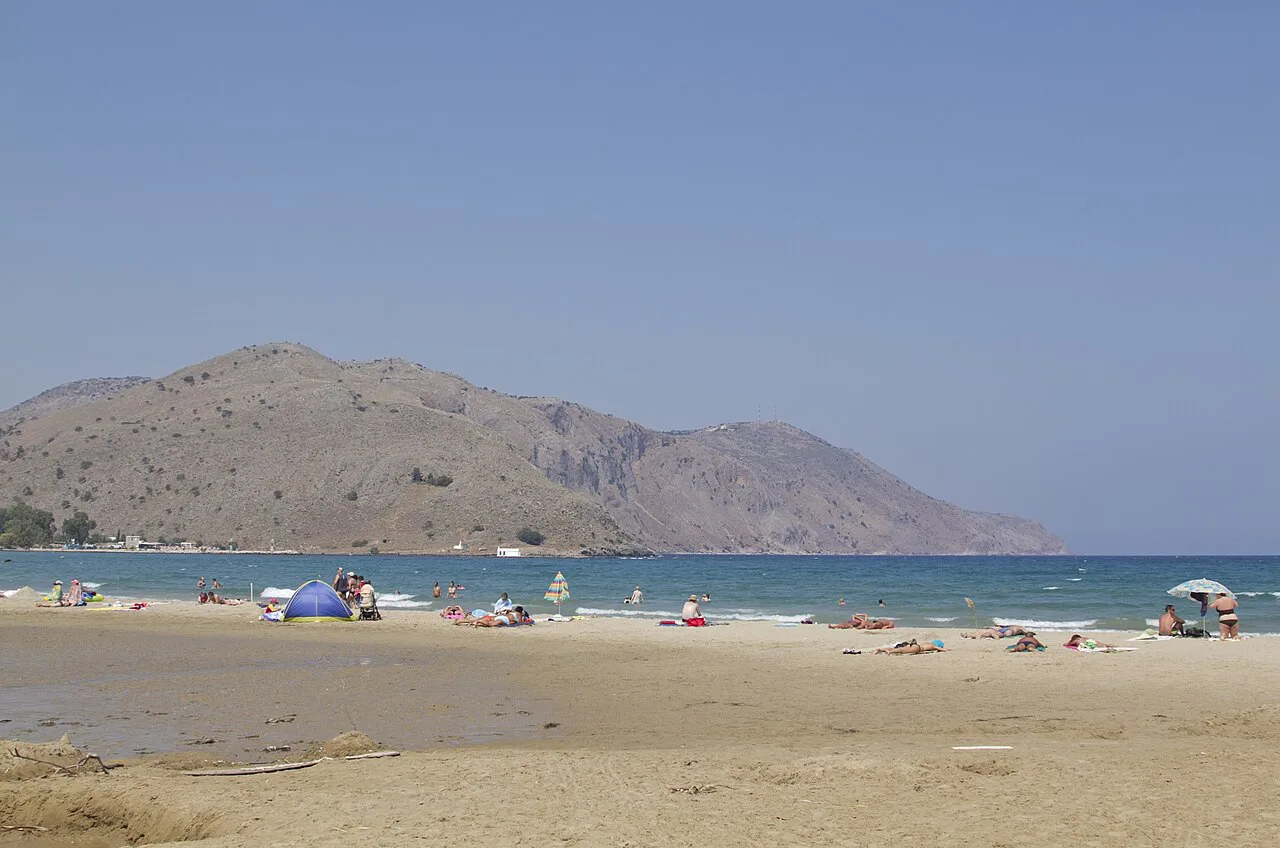
Loutro makes the most natural pairing: a car-free village with its own bay, reached by boat from Sfakia, and an easy base for a Glyka Nera day. Sfakia is the practical hub for drivers, with the harbour, parking and the widest choice of sailings.
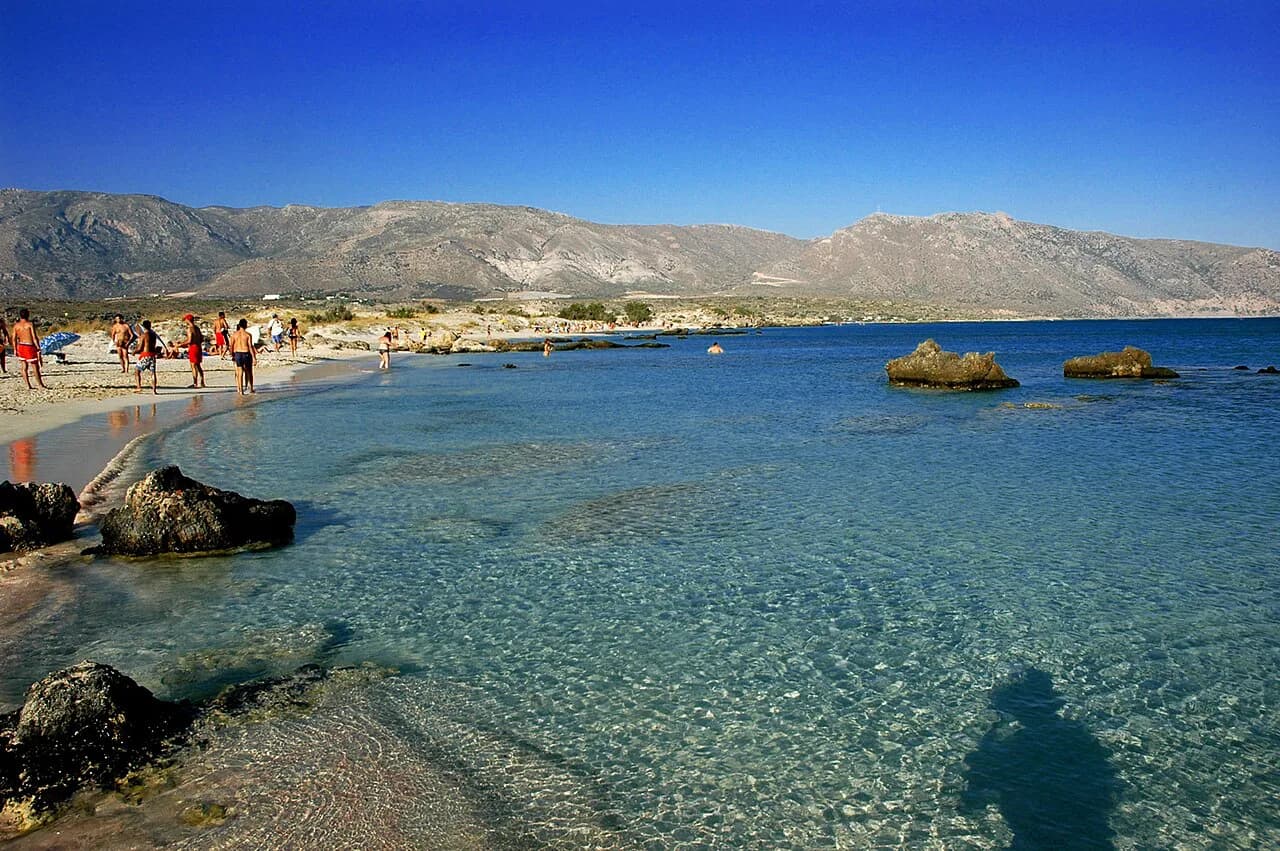
If you are touring the region, the beaches around Chania reward a separate day, and Elafonissi Beach, Crete, on the far south-west coast is the classic full-day excursion from the Chania side of the island. Readers weighing a second boat-only pebble cove against an easier road-access swim will find similar trade-offs worth comparing in this guide to the best beaches in Rhodes.
Practical kit for a pebble cove
Sturdy water shoes are the single most useful item on this beach: they make the shift from boat to shore and the walk to the water comfortable on rounded pebbles. Add a hat, high-factor sun cream and a light long-sleeved layer for the boat, where the wind off the water can feel cool even in June.
Bring more water than you think you need and a little cash for the taverna and the boat. A small dry bag, a towel that dries fast and a rubbish bag complete the kit for a beach with no road behind it.
Plan Your Boat Day
Glyka Nera rewards planning more than improvisation: pick Sfakia or Loutro as your base, take an early sailing, and know your return boat before you settle on the pebbles. The payoff is a swim where fresh spring water meets the Libyan Sea beneath cliffs that rise hundreds of metres.
Pack water shoes, water and snacks, and leave the beach as you found it. For the wider picture of where to stay and swim around the region, start with the Chania beaches guide and build the rest of your trip around the south coast.
Frequently Asked Questions
How do you get to Glyka Nera beach?
By boat. Seasonal sailings run from Sfakia and from Loutro on Crete's south coast, and there is no coast road to the beach. Board at Sfakia's marina after parking in the village, or take the shorter crossing from Loutro, and agree your return sailing when you buy your ticket.
Is there a road to Glyka Nera beach?
No. Glyka Nera sits below steep cliffs on the south coast and is reached by sea, which is why it stays quiet. Drivers park at Sfakia and walk down to the marina to catch a boat rather than driving to the cove itself.
How often do boats run to Glyka Nera from Sfakia?
Sailings from Sfakia's marina are reported at roughly half-hourly intervals in season, but the service is seasonal and limited. Confirm the day's departures and, more importantly, the last return boat with the boat operator at the harbour before you board.
Is Glyka Nera beach sandy or pebbly?
It is a white pebble beach. The stones are smooth and pale, and the water deepens fairly quickly beyond the shallows. Water shoes make the walk from the boat to your spot and into the sea far more comfortable than bare feet.
What is special about the water at Glyka Nera?
A freshwater spring of drinking quality emerges on the beach and mixes with the sea at the shoreline. You notice a band of cooler water near the spring, which is where the beach's name, sweet water, comes from.
When is the best time to visit Glyka Nera beach?
Late May to early June and September to October combine mild weather, flowing springs and thinner crowds. The sea stays warm into October, so early autumn gives you the same swim without the peak-summer pressure on boats and the taverna.
Sources
Beach notes for your next trip
Optional updates when we add or revise beach guides.
You might also like
Continue reading
More guides you'll find useful