Sorrento Sea Temperature: When to Swim
Sorrento sea temperatures peak around August and stay swimmable into autumn. See how the Tyrrhenian warms and cools before you book a swimming trip.
On this page
The water off Sorrento rewards swimmers who time their trip well: the Tyrrhenian is at its warmest in high summer and stays inviting well into autumn, which is why the town works for both a July dip and an October paddle. Families with small children, confident open-water swimmers and shoulder-season visitors all use the same coast but want different weeks and different beaches. This guide breaks the year down by season, explains why the sea lags behind the air in spring, and points you to the stretches of shore where the water deepens gradually or quickly.
What the sea off Sorrento is like
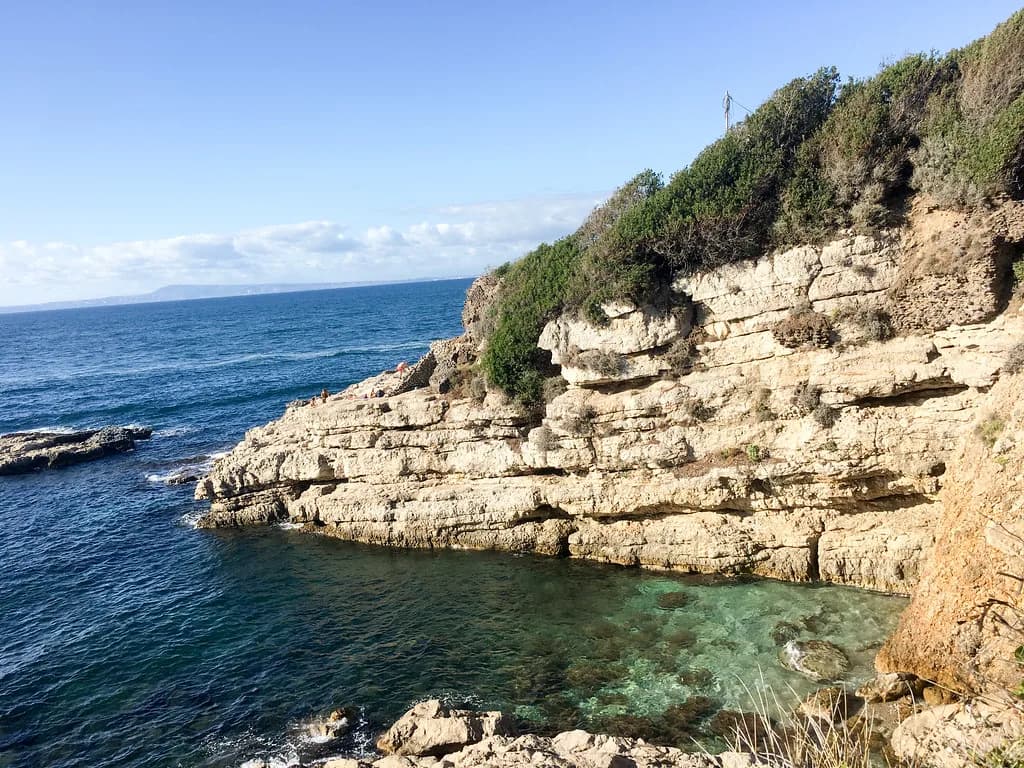
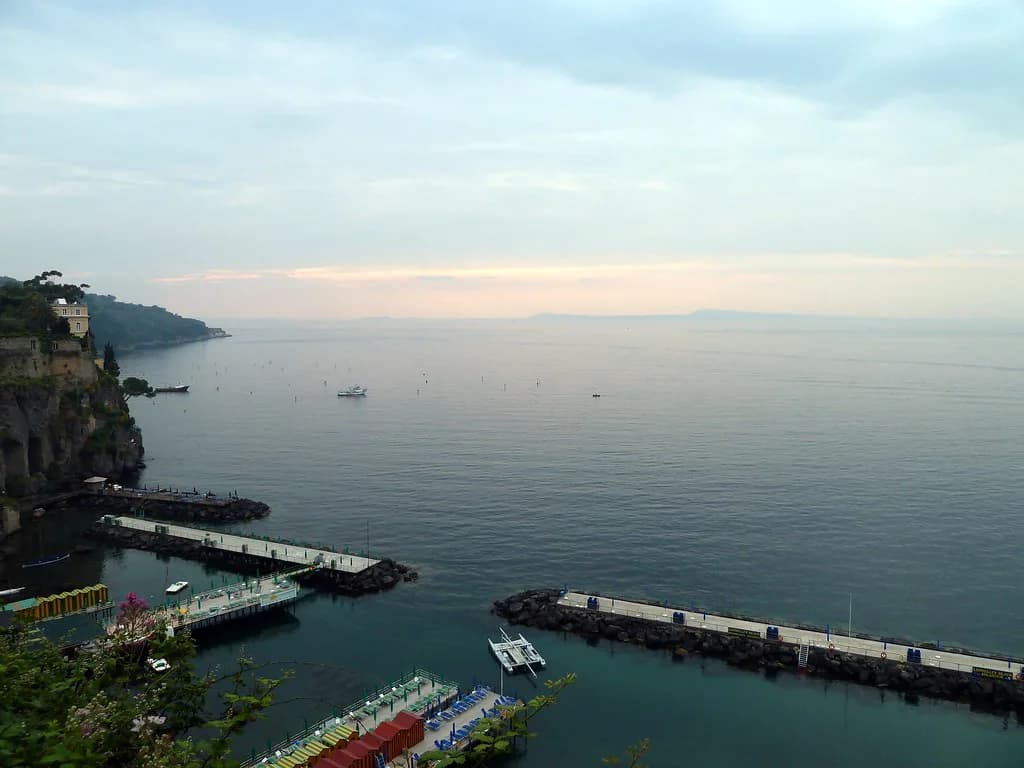
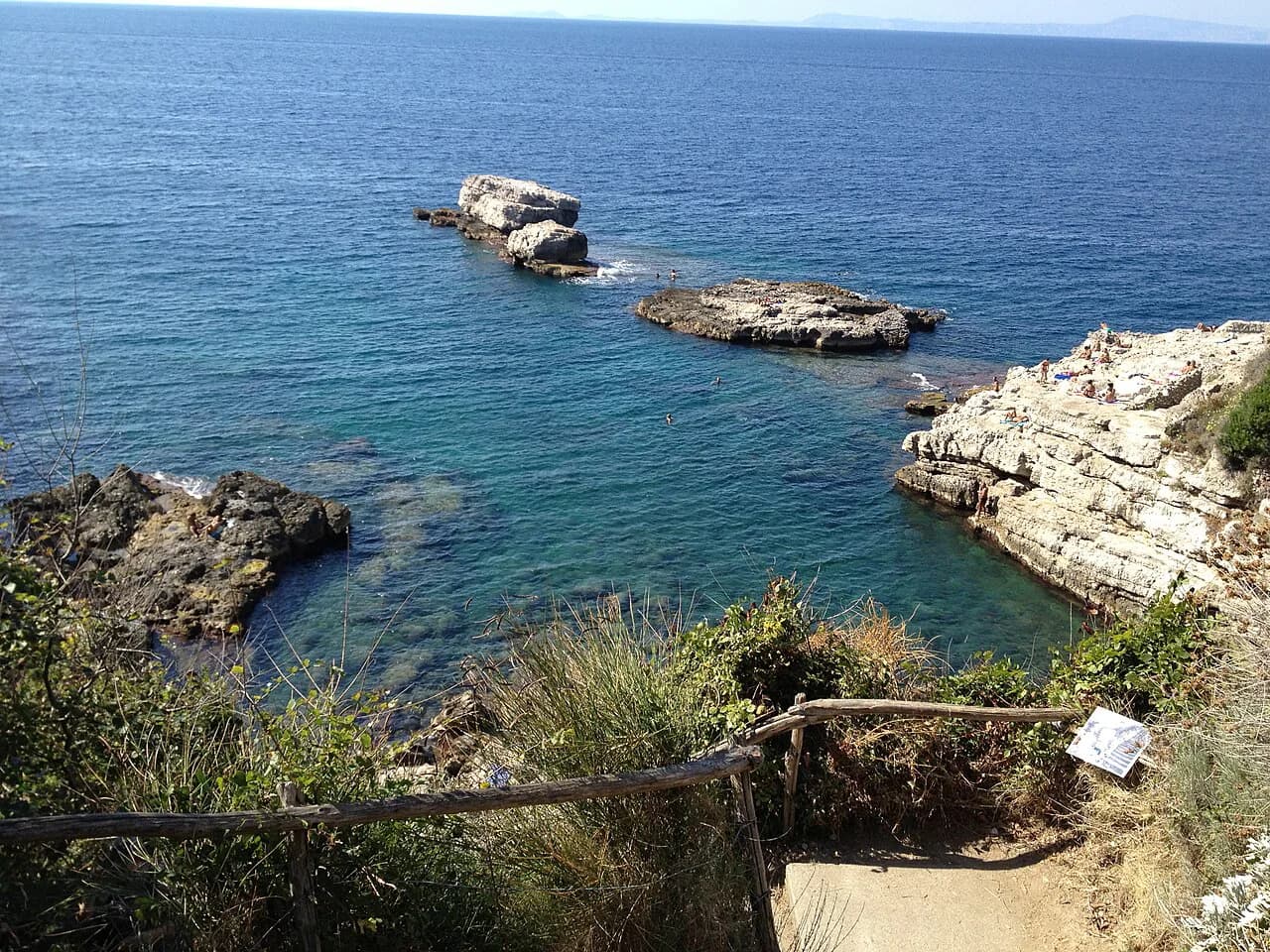
Sorrento sits on the southern side of the Sorrentine peninsula, facing the Tyrrhenian Sea across the Bay of Naples, with Capri visible offshore. That position gives the town a deep, open body of water rather than a shallow enclosed bay, so the sea takes time to warm in spring and holds its heat longer in autumn. The coast beneath the town is mostly cliff, with bathing concentrated where platforms, lidos and small beaches have been built at the foot of the rock.
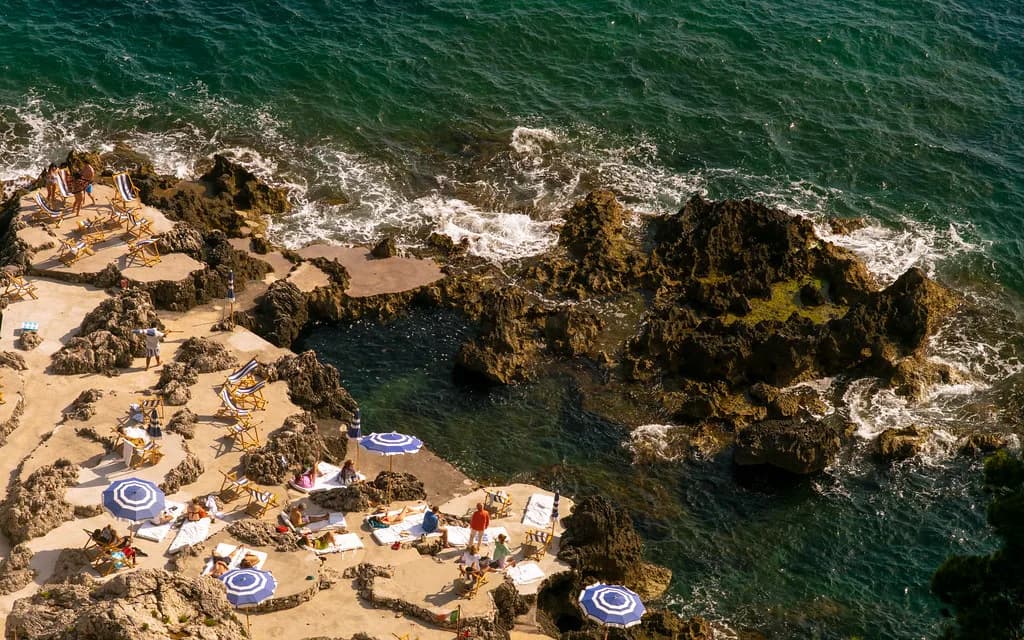
Because so much of the shoreline is rock ledge and deep water immediately off the steps, the sea temperature matters more here than on a shallow sandy coast: there is little warm shallows to soften a cool day. Swimmers who like to strike out from a platform or dive straight into deep water will find Sorrento well suited, while families should look for the gentler entry points and shallower shelves. The sea is warmest later in the summer and coolest in late winter, so the choice of month shapes the whole experience.
How the Tyrrhenian warms in spring
Air temperatures on the Sorrento coast climb well before the sea catches up. By late spring the forecast often shows highs in the mid twenties, but the water is still working through the warmth built up slowly over weeks, so a June swim can feel brisker than a June afternoon suggests. Treat air temperature and sea temperature as two separate numbers when you plan, and pack for the water rather than the sunshine.
This lag is strongest in April and May, when sunny days encourage people onto the rocks but the Tyrrhenian has had only a few weeks of strong sun. Swimmers used to the Mediterranean in high summer should expect a short, invigorating dip rather than a long, leisurely one early in the season. Families with small children often prefer to wait until the water has had longer to warm, or to choose a sheltered spot where the sun sits on the water through the afternoon.
Sea temperature by season
Winter is the coldest stretch: the sea off the Sorrento peninsula is at its minimum around the start of the year, and only the hardiest swimmers go in without a wetsuit. Spring brings a gradual rise rather than a sudden one, with April and May still on the cool side and June becoming comfortable for many swimmers. Summer is when the water finally feels properly warm, and autumn holds that warmth into October before it starts to slide.
A general pattern runs through the year: cool in early spring, warm from midsummer, and a slow cooling from October onwards. Because the sea changes more slowly than the air, the shoulder months are where the two diverge most, and those are the weeks when the water can surprise you in either direction. Look at the published sea readings for the wider Tyrrhenian rather than relying on the day's air forecast. The season-by-season view is enough to choose the right fortnight; the exact number changes with each year's weather.
When the sea is comfortably warm
The reliable warm-water window off Sorrento runs from July into September, with August the peak when the Tyrrhenian reaches its highest readings of the year. That is the period when long swims, snorkelling and time in the water between sunbathing feel comfortable for most people, including children who tire of cold water quickly. It is also the busiest stretch, so the beaches and lidos fill up and the cliffs shade parts of the shore earlier in the evening.
If you want warm water without peak-season crowds, the ends of that window are the sensible compromise. Late June and early July give you water that is warming fast, and September into early October keeps much of the summer heat while the schools have gone back. Aim for the middle of the day when the sun has been on the water for hours, and book accommodation and beach-club places early for August.
Sorrento versus the Amalfi Coast and Capri
Sorrento, Capri and the Amalfi Coast all face the same body of water, so their sea temperatures move broadly together rather than separately. The differences between them come more from the shape of each shore than from water temperature itself: deep, exposed stretches off the cliffs cool and warm differently from shallow bays where the sun can heat a thin layer of water. If one part of the coast feels cold on a given day, a sheltered bay a short boat ride away can feel noticeably different, and the same logic of matching shore shape to swimming style applies when you weigh the beaches in Bari against these.
Capri, sitting further out in the bay, is exposed on more sides, so the sea there responds to swell and wind that Sorrento's more enclosed position partly blocks. That makes Capri a fine choice on calm days for clear, deep water, while Sorrento's beaches feel more protected when the weather turns. Choosing your base is therefore about how much shelter you want as well as how warm the water is likely to be.
Swimming from Sorrento's beaches
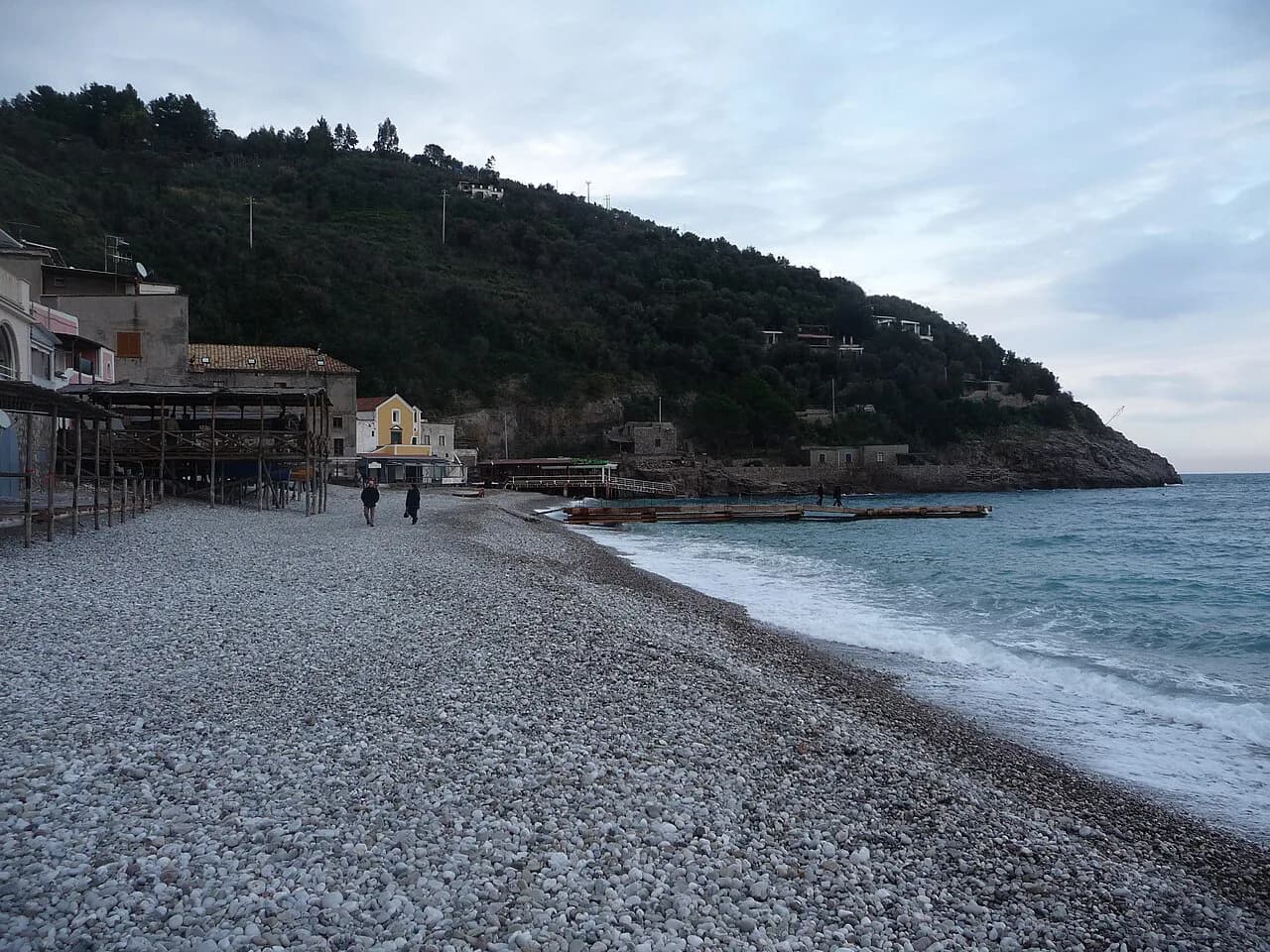
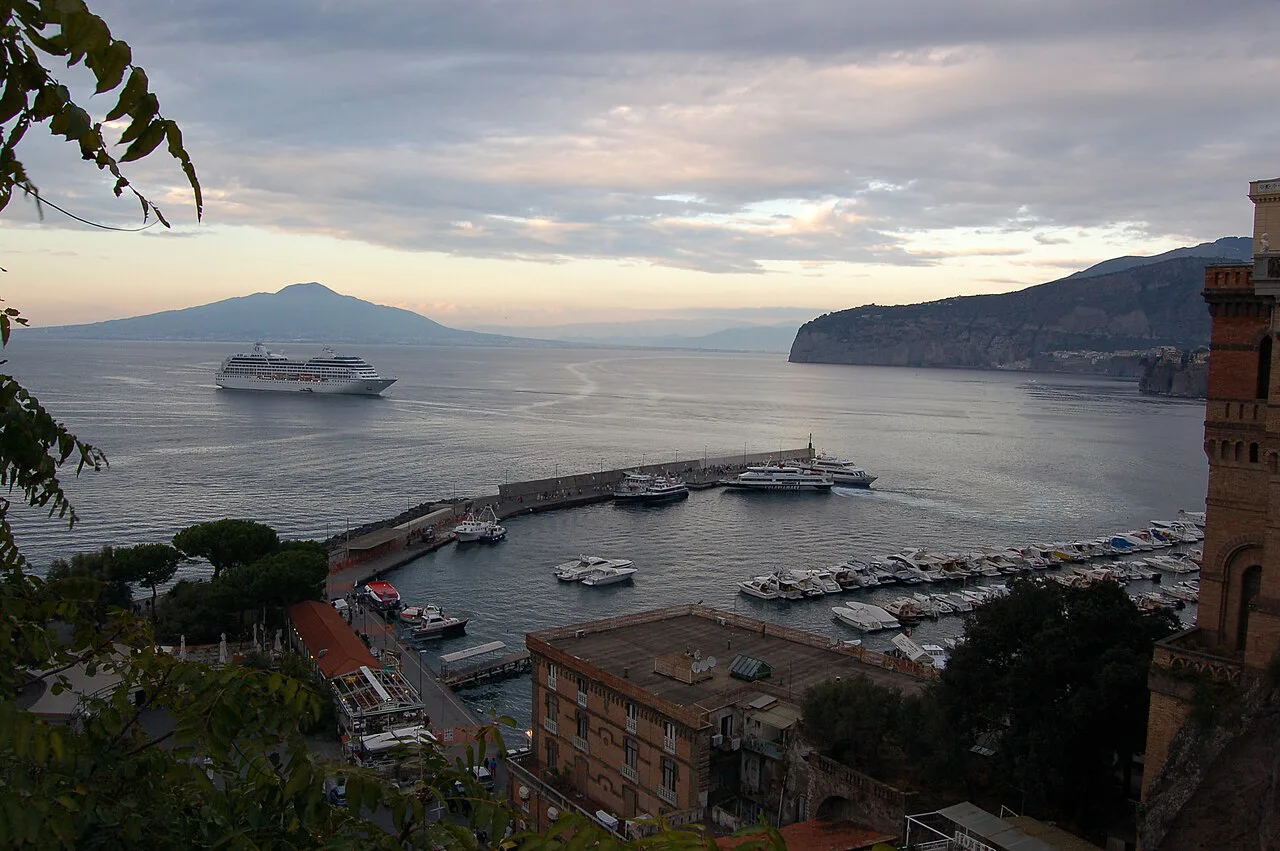
Sorrento's bathing spots range from sandy stretches to rock platforms and shingle, and the way the water deepens varies accordingly. The main town beaches are compact and busy, with lidos and beach bars concentrated along the shore. The smaller coves and rock ledges away from the centre tend to be quieter and drop off more sharply.
Marina Grande, the old fishing harbour below the town, gives you a sandy beach with a gentle shelf, which makes it the easier choice for families and for anyone who wants to wade in rather than dive. The water deepens more quickly off the rock platforms and steps used elsewhere along the coast, which suits stronger swimmers. Pick your spot by entry style as much as by view.
West of town, the little cove at Bagni della Regina Giovanna sits in the ruins of a Roman villa on the Capo di Sorrento, reached on foot from the road above. The pool-like basin inside the headland is the draw, though the walk down is on rocky paths and the water is deep in places. It is a fine half-day for confident swimmers and snorkellers rather than a spot for toddlers.
Wind, swell and currents
The Sorrento coast is open to the sea on its southern side, so a breeze from that direction can build chop along the cliffs while sheltered coves stay flatter. Cliff shade keeps some stretches cool well into the afternoon, which matters for both comfort and how warm the water feels near the rocks. Check the day's wind and sea state before committing to a long swim or a boat trip, and pick a bay that faces away from the breeze.
Currents near headlands and rock ledges can be stronger than they look from the shore, particularly where the water is deep close in. Swimmers should stay within the marked or clearly used areas, note where the ladders or steps are, and keep an eye on children near the edge of platforms. A calm, warm-looking sea can still carry a pull around a headland, so choose your entry and exit point before you go in.
Shoulder-season swimming in October and November
October can still deliver genuinely pleasant swimming off Sorrento, especially in the first half of the month, when the sea has held much of its summer warmth. Air temperatures often sit in the high teens to low twenties, and sunny afternoons make a swim followed by time on the rocks very comfortable. Water temperatures in the area have been recorded in the low twenties during autumn, which is warm enough for most swimmers on a still, sunny day.
By November the sea is cooling quickly and the weather turns more changeable, with rain and wind more likely. Swimming is still possible on milder days, but you will want a rash vest or thin wetsuit and a dry towel waiting on shore. The reward is a quiet coast: most beach clubs wind down and the beaches empty out, so you get the same water without the summer crowds.
Gear for cooler water
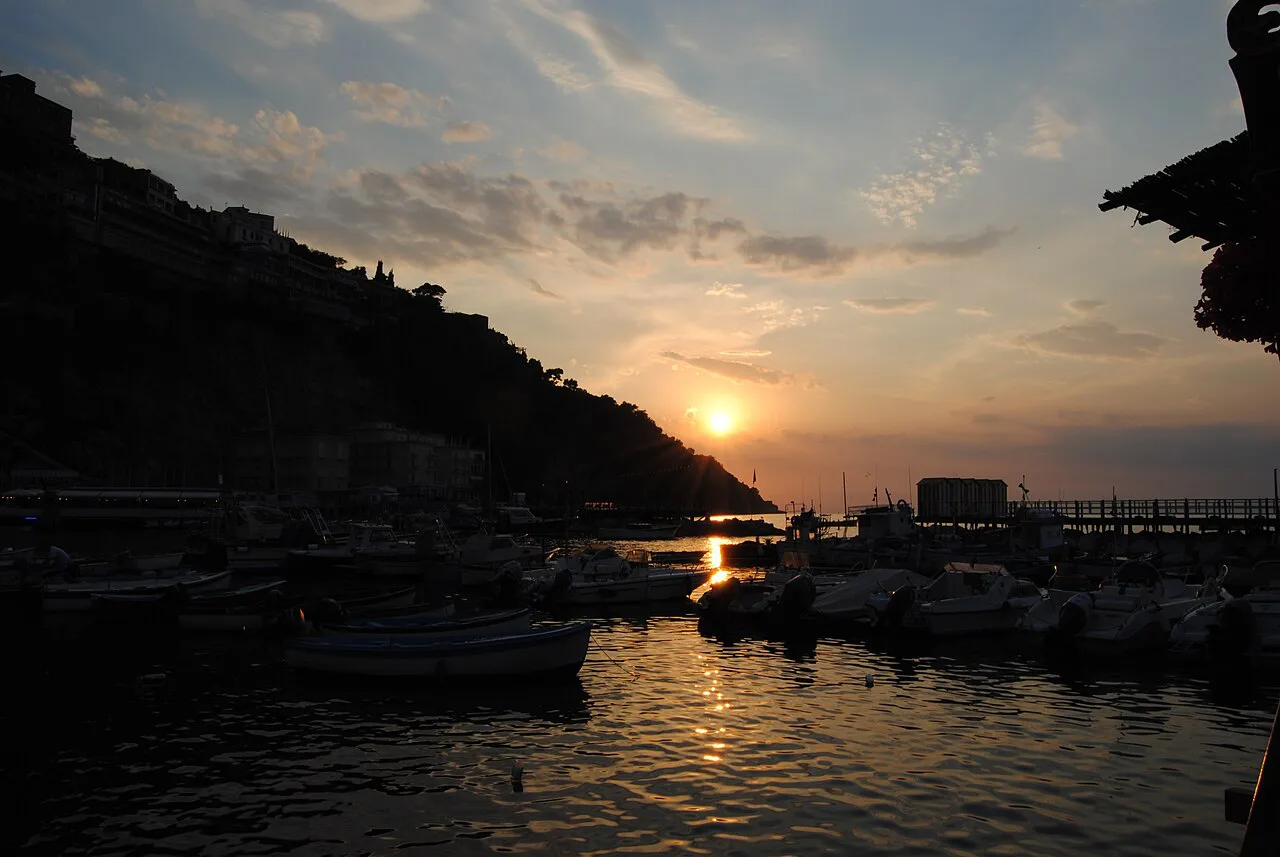
For July and August, a swimsuit and a rash vest are usually enough, and the main gear consideration is sun protection rather than warmth. In June and October, a thin neoprene top makes a big difference to how long you can stay in without shivering, and it is worth packing even if the forecast looks warm. Reef shoes help on the shingle and rock ledges, where the entry points are often rougher than the sand.
In winter and early spring, a full wetsuit with boots and gloves is the realistic kit for anyone intending to stay in for more than a few minutes, and the water is at its coldest around the start of the year. A dry robe or warm layers for after the swim matter as much as the wetsuit itself, since the wind on the cliffs can chill you quickly once you are out. Bring a waterproof bag for wet gear and a flask of something hot for the walk back up.
Best beaches for a warm-water swim
For the warmest and easiest swimming, head for the sandy shelf at Marina Grande, where the water warms faster over the shallow bottom and the entry is gentle. If you want somewhere quieter and are happy with deeper water, the coves and rock platforms away from the centre give you clearer water and fewer people, at the cost of a rougher entry. Combining a morning at one of the town beaches with an afternoon boat trip gives you both.
Bagni della Regina Giovanna is the standout for a different kind of swim: the sheltered basin inside the headland feels warmer and calmer than the open sea, and the Roman ruins make it memorable. Combine it with a walk along the Capo di Sorrento and a stop at one of the beach clubs on the way back into town. For a full overview of the shoreline, the Sorrento beaches guide covers the rest of the coast.
Practical planning
Tides in the Tyrrhenian are modest, so the sea state and wind matter more than the tide table for planning a swim. Beach clubs along the coast rent sunbeds and umbrellas and usually open from late spring to early autumn; their seasons and prices change, so contact the club or the Sorrento tourist office for current details. Book ahead for August, when the town is at its busiest.
Boat trips along the coast and out to Capri are a good way to reach water away from the busiest beaches, and they often include a swim stop. Fares and timetables vary by company and season, so check current prices and departure times when you book. If you plan to swim from a boat, bring your own goggles and a rash vest, since the water is deep and the stops are usually short.
Plan Your Visit
The best swimming off Sorrento falls between July and September, with August the warmest and busiest month, and late June or September the sweet spot for warm water with fewer people. Shoulder-season swimmers should aim for early October and bring a thin neoprene top, while anyone going in winter needs a full wetsuit. Match your beach to your entry style: Marina Grande for gentle sand, the rock ledges and Bagni della Regina Giovanna for deeper, clearer water.
Frequently Asked Questions
How warm is the sea in Sorrento?
The Tyrrhenian off Sorrento is at its warmest in August, when published readings for the area sit in the low to mid twenties Celsius, and it stays swimmable into early autumn. Spring and early summer are cooler than the air temperature suggests, so plan for a shorter dip in June.
What is the sea temperature in Sorrento in October?
Early October often holds much of the summer's warmth, with the sea in the low twenties on good days, but it cools steadily through the month. Expect comfortable swimming in the first half and a thin neoprene top to help later on.
Is the sea warm enough to swim in Sorrento in June?
June is when the sea becomes comfortable for many swimmers, though it is still warming and can feel brisker than the sunny air suggests. A rash vest and a sunny, sheltered spot make a big difference early in the month.
When is the sea warmest in Sorrento?
August is the peak, when the Tyrrhenian reaches its highest readings of the year and long swims feel comfortable. July and September sit just either side and offer warm water with slightly fewer crowds.
Is Sorrento sea temperature different from the Amalfi Coast?
Sorrento, Capri and the Amalfi Coast face the same sea, so their temperatures move broadly together. Local shelter and the shape of each bay make more difference to how warm a swim feels than the stretch of coast you choose.
Do I need a wetsuit to swim in Sorrento in winter?
Yes, for anything beyond a brief dip. The sea is at its coldest around the start of the year, and a full wetsuit with boots and gloves is the realistic kit, plus warm layers for afterwards on the exposed cliffs.
Which Sorrento beach has the warmest, calmest water for children?
The sandy shelf at Marina Grande gives the gentlest entry and warms fastest over the shallow bottom. The rock platforms and coves elsewhere drop off more sharply, so they suit stronger swimmers better.
How do I check current sea conditions before a swim?
Use the daily marine and weather forecasts for wind, swell and sea state, and ask your beach club or the Sorrento tourist office about conditions on the day. Wind direction and shelter matter more than the tide on this coast.
Sources
Beach notes for your next trip
Optional updates when we add or revise beach guides.
You might also like
Continue reading
More guides you'll find useful