Capri Beaches: Where to Swim on Italy's Rocky Island
Capri has no long sandy beaches. Swim from rock platforms and lidos at Marina Piccola, the Faraglioni and Bagni di Tiberio, reached by bus, funicular or boat.
On this page
Capri rewards travellers who arrive expecting rock rather than sand: the island's swimming is done from pebble coves, cliff platforms and lidos built out over the water. The payoff is clear water under the Faraglioni stacks, a choice of sheltered and exposed sides of the island, and the chance to swim before your ferry even leaves. Families with small children and anyone wanting a long sandy shoreline should plan a half-day at Marina Piccola rather than a full beach holiday.
Why Capri beaches are rocky, and who they suit
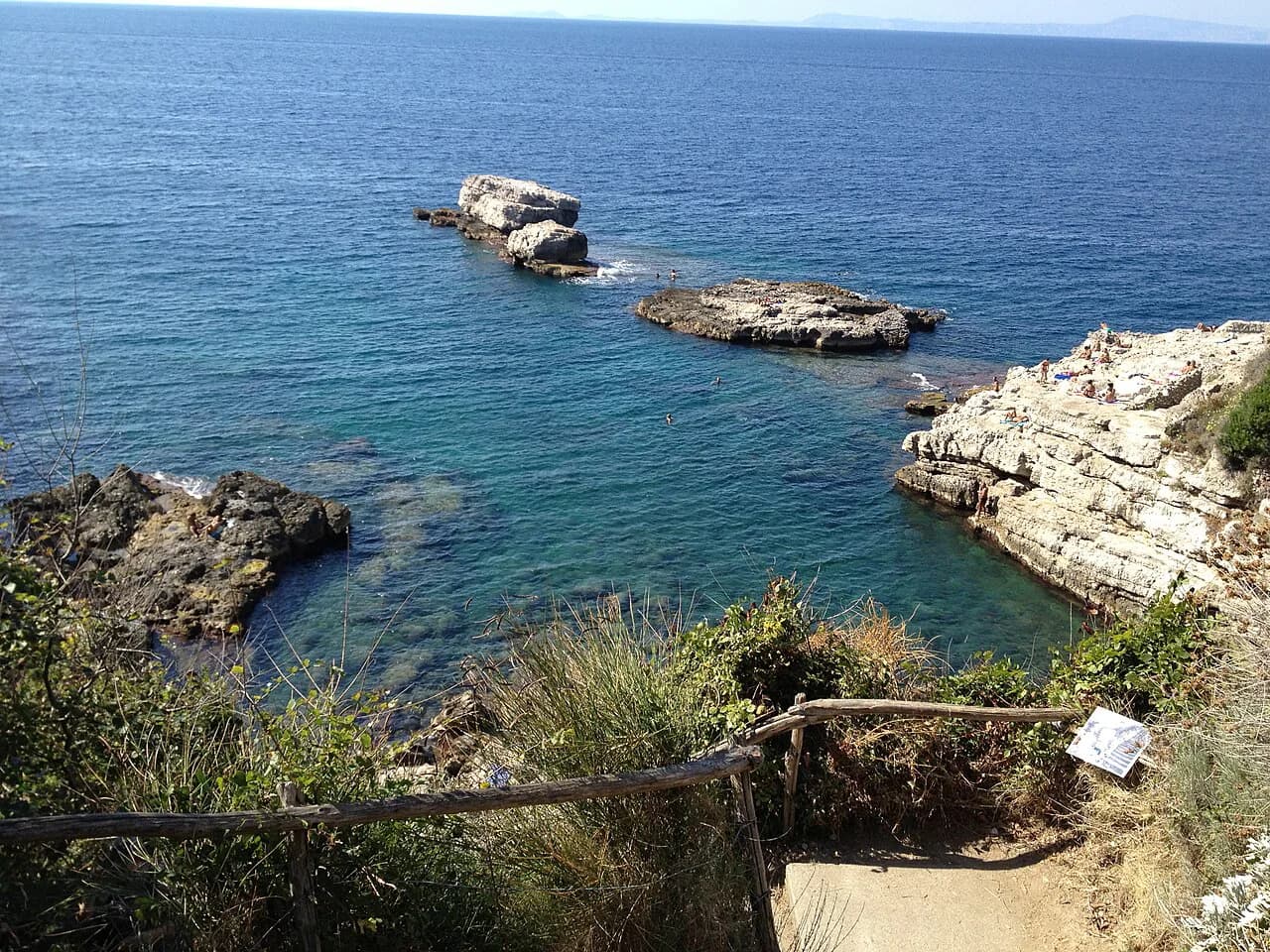
Capri is a small, rocky island off the tip of the Sorrento peninsula, and it has no long sandy beach; the swimming spots are small coves of pebbles or bare rock. That suits confident swimmers, snorkellers and anyone happy to rent a lounger on a platform above deep water. It suits families less well, though a shallow, sheltered bay and a well-served main swimming spot give children a workable day out.
Treat a Capri beach day as a swim and a long lunch rather than a full day under an umbrella. Bring reef shoes for pebble entries, and plan around the two towns: Capri town for buses down to the water, Anacapri for the chairlift up Monte Solaro and access to the Blue Grotto.
Marina Piccola: the island's main swimming spot
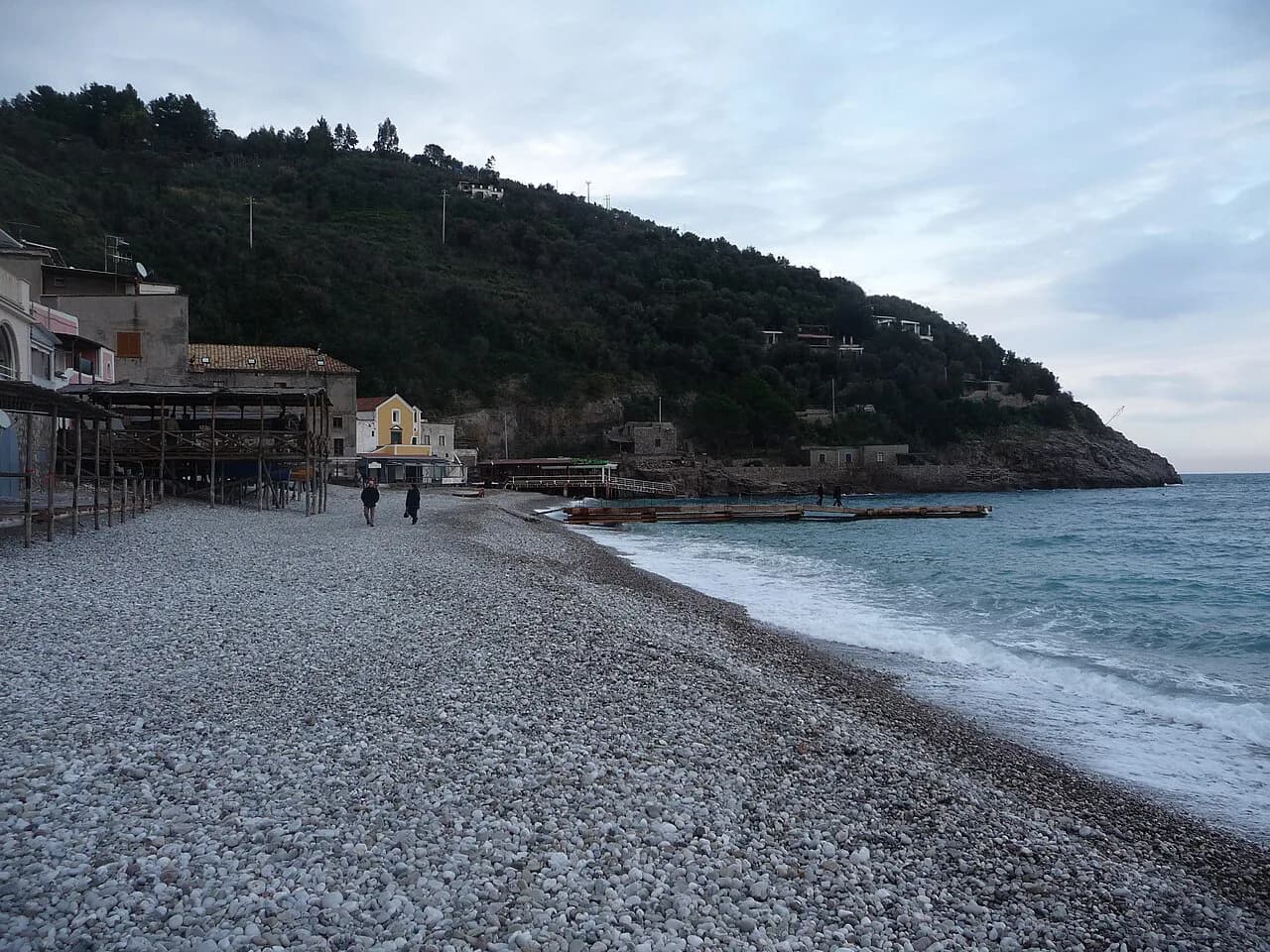
Marina Piccola sits on the south side of the island below Capri town, and it is the closest thing Capri has to a resort beach, with lidos, sun loungers and restaurants set around a small bay. Buses run down from Capri town, and the ride is short enough to make it an easy half-day rather than an expedition.
The bay is split by a rocky outcrop, so you can pick your side according to the wind and how busy the lidos are. Arrive early in high season: this is where day-trippers head first, and the loungers at the water's edge go quickly.
The Faraglioni and the south-east coast
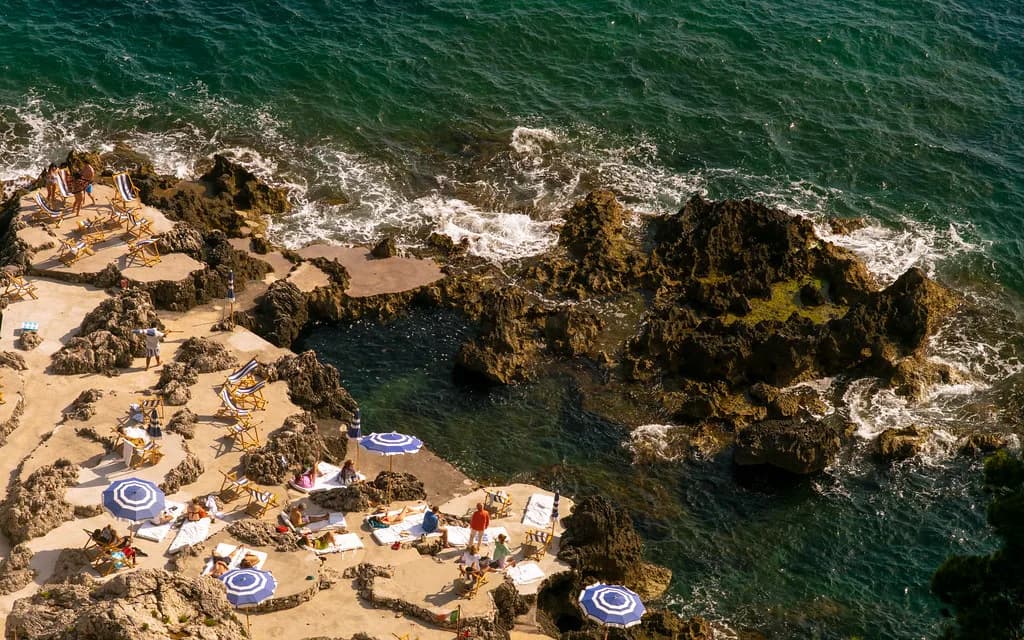
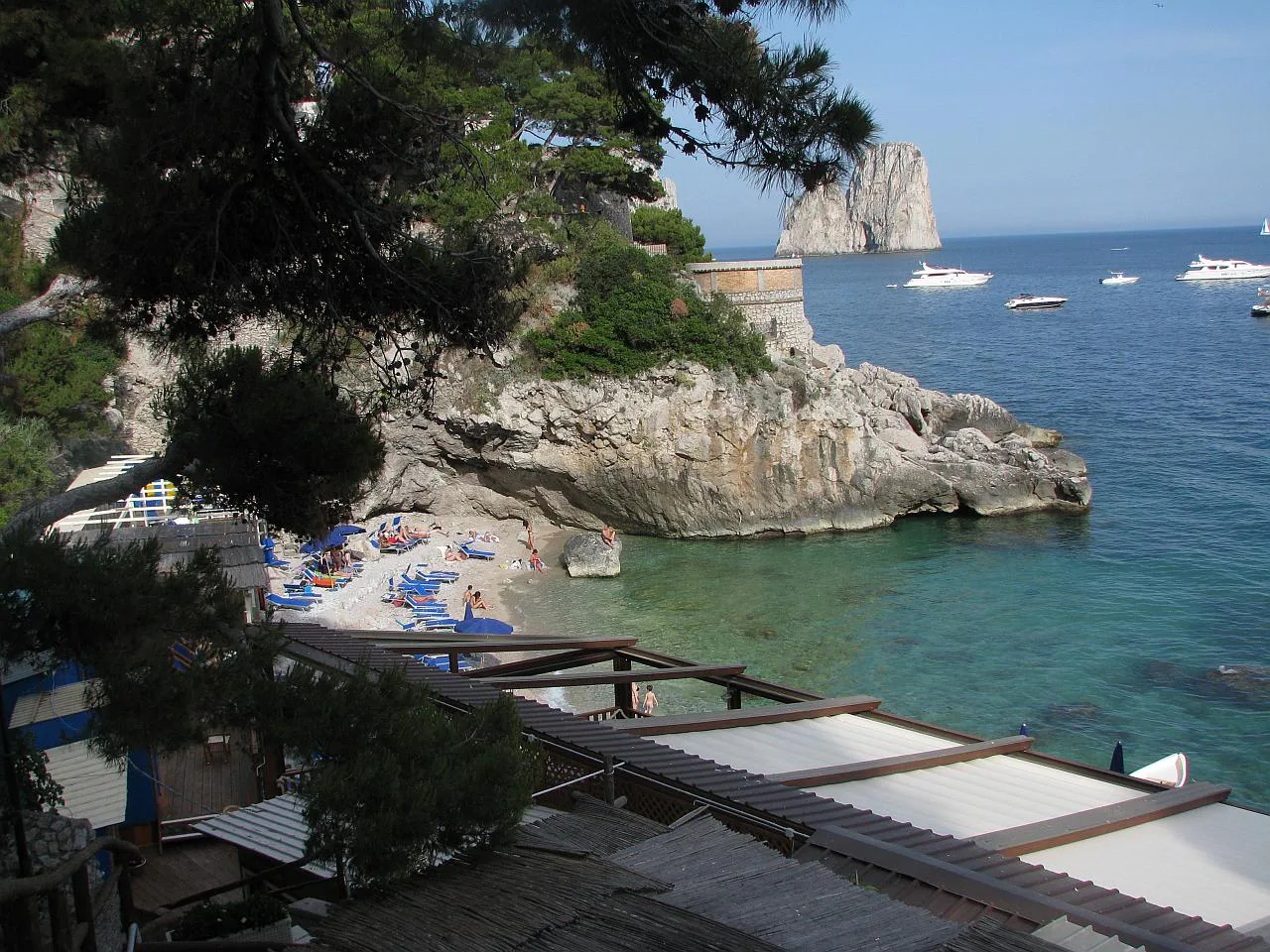
The Faraglioni rock stacks rise straight out of the sea on the south-east coast, and the beach clubs below them spread sun loungers across small cliff plateaus right by the water. Swimming here means entering from rock platforms and lidos rather than wading in from a shore, so it rewards confident swimmers. Book a table or a lounger well ahead in high season, as the cliffside clubs fill up.
Boat trips circle the island to see the stacks, the sea caves and hidden coves, and some stop for a swim. The Blue Grotto is the best-known cave, and it closes when the sea is rough.
Bagni di Tiberio: the sheltered north-west bay
Bagni di Tiberio lies on the north-west side of the island and is reachable on foot from Marina Grande, which makes it the practical choice if you want a swim around your ferry times. The bay faces the Bay of Naples and is the gentlest option for a mixed group of swimmers and non-swimmers.
Because it sits close to the port, it works well as a bookend to a day: a morning swim before the crowds build, or a late dip after the day-trippers have gone. Bring what you need for a pebble entry and shaded lunch.
Marina Grande: the arrival beach
Boats arrive at Marina Grande, where a funicular climbs up to Capri town, so the harbour beach is the easiest swim on the island to reach. It is handy for a dip before the ferry home, though it is a working port rather than a tranquil cove.
Use it as a logistics stop rather than a destination: swim, change, then take the funicular or a bus onward. Visitors cannot usually bring a car to the island, so you get around by bus, taxi, funicular or on foot.
Piscina di Venere and Marina di Mulo
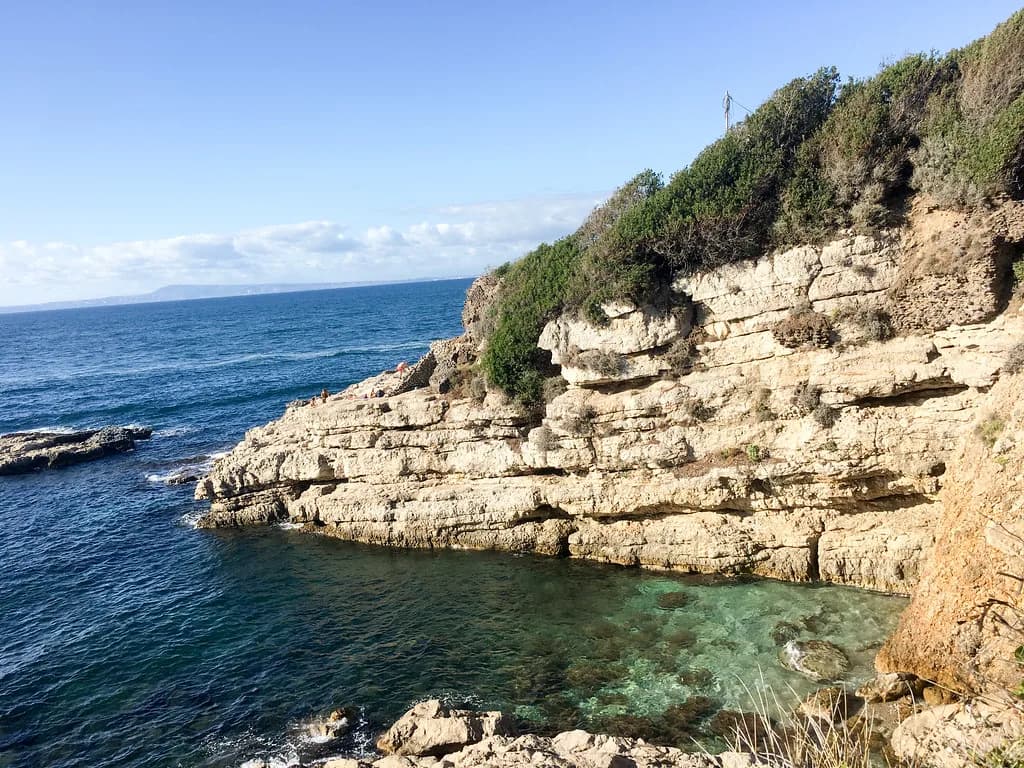
Piscina di Venere and Marina di Mulo are the quiet, cave-backed spots on the north coast, the kind of place you choose when you want rock platforms and fewer people rather than lidos and service. They suit strong swimmers and snorkellers who are self-sufficient for the day.
Access is the trade-off: expect a walk or a boat rather than a bus stop at the water's edge. Pack water, shade and footwear you can swim in, and keep the return leg in mind.
Getting around without a car
Capri has no airport. Most visitors fly to Naples and take a ferry or hydrofoil from the city port, or travel on to Sorrento for a shorter crossing, and in summer there are also boats from Positano and Amalfi. Hydrofoils from Naples take around an hour or less, and crossings can be cancelled when the sea is rough.
Once on the island, the funicular connects Marina Grande with Capri town, and buses run from the towns down to the main swimming spots. Taxis cover the rest, but on foot is often quickest between the town and the nearest water.
The sand and the water
Expect pebbles, rock shelves and lidos built over the sea, with water that deepens quickly off the platforms. The south side around Marina Piccola and the Faraglioni is the island's showcase, while the north coast bays are more sheltered from the prevailing weather.
Choose your entry point for how you like to swim: wade in from the pebbles at Marina Piccola, use a lido ladder below the Faraglioni, or scramble in from the rocks on the north coast. Bring reef shoes and a mask, and take local advice on conditions before you commit to a long swim.
Facilities: lidos, sun loungers and boat trips
Facilities are concentrated at the lidos: sun loungers on cliff plateaus by the sea, beach clubs with restaurants, and boat trips that stop for a swim. The cliffside loungers at Fontelina and the Faraglioni clubs are the ones to book ahead in high season.
The simpler north-coast spots have less infrastructure, so carry what you need and treat a lido lunch as the main event rather than a side note. Capri is one of the more expensive places in Italy, especially for hotels and restaurants in Capri town in high season; keeping costs down means visiting outside July and August, staying in Anacapri, using buses instead of taxis and eating away from the Piazzetta.
Best time to go
May, June and September are the sweet spot: the sea is warm and the island is lively without the peak crowds of July and August. Spring and early autumn are also better for walking between viewpoints.
Many hotels and restaurants close from late autumn until around Easter, so the island is very quiet in winter. If you stay overnight, you get the island almost to yourself once the day-trippers have taken the ferry back to Naples.
Nearby beaches to combine
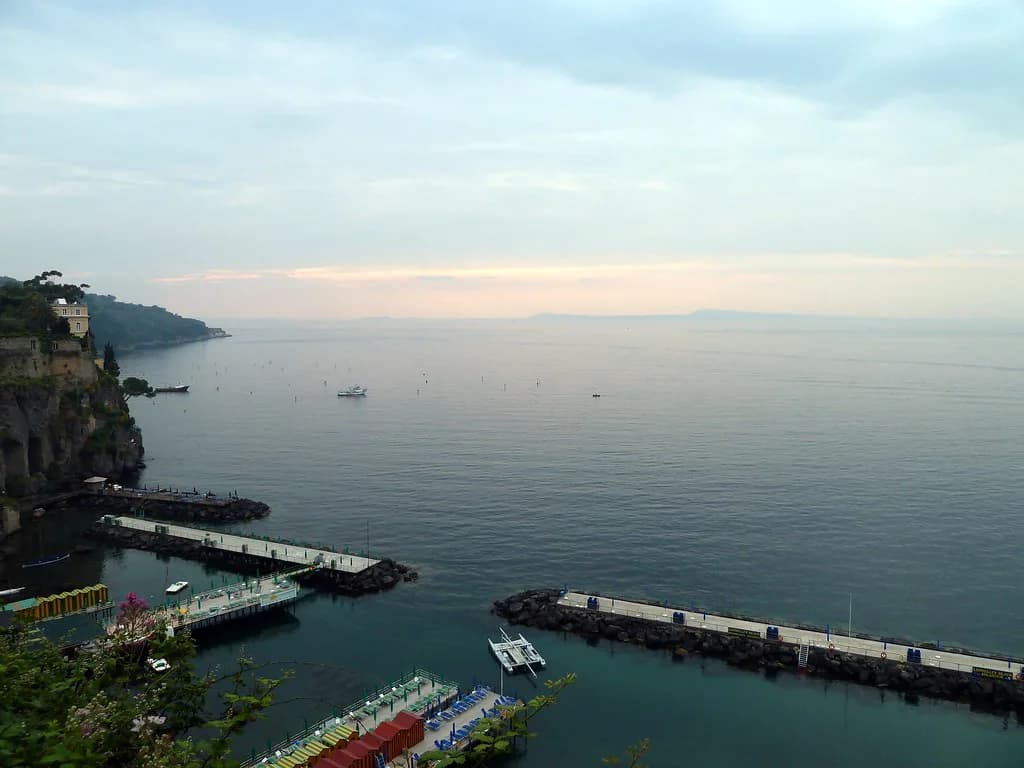
Capri works as a day trip from Sorrento, where the hydrofoil crossing is shorter than from Naples, and the town's own beaches make an easy second day. Base yourself on the Sorrento coast and use the boats to reach Capri, Positano and the rest of the Amalfi Coast.
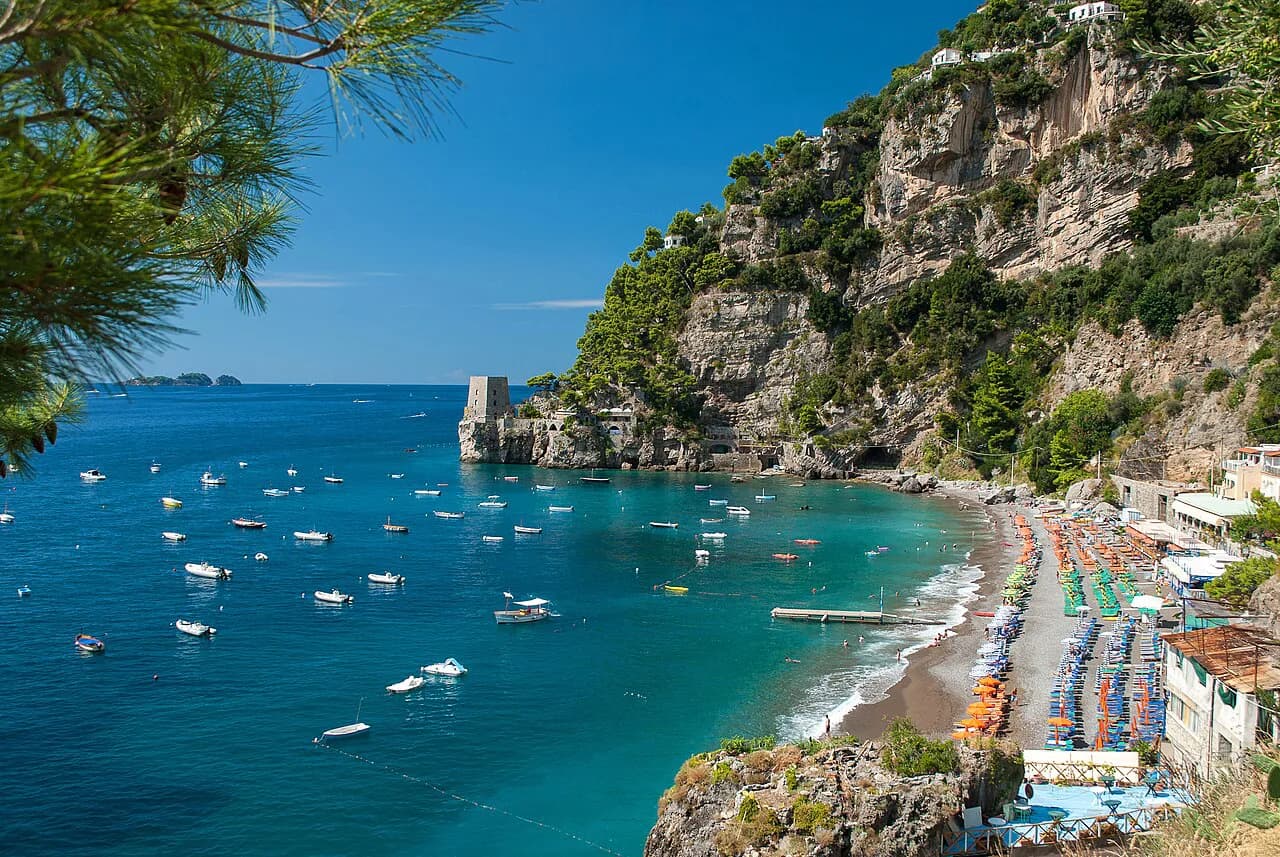
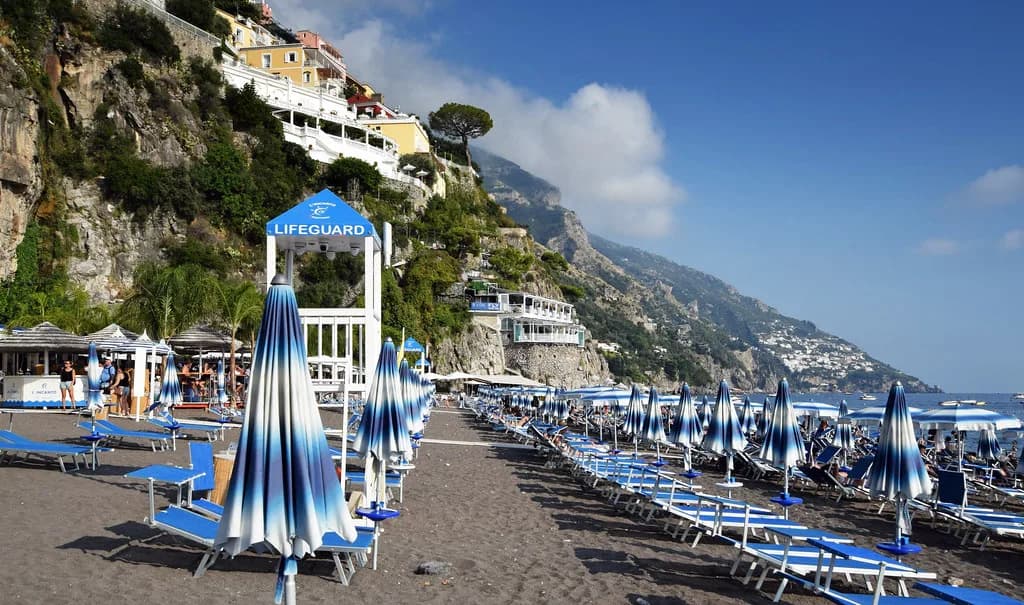
In summer there are boats from Positano and Amalfi, which makes a Capri swim easy to slot into a coast-hopping itinerary. For a quieter beach day on the mainland, look at Vico Equense beaches or the sheltered cove at Bagni della Regina Giovanna, Sorrento. If you would rather trade rock platforms for sand, the beaches in Bari offer a very different kind of Italian swim.
How to choose a Capri beach by trip type
For a family half-day, choose Marina Piccola: it has the easiest bus access from Capri town, lidos and a small pebble bay. For a swim below the stacks, book a cliffside club at the Faraglioni. For a quick dip near the ferry, use Marina Grande.
Quiet-seekers and snorkellers should head for the north-coast rocks around Piscina di Venere and Marina di Mulo, where fewer people and cave-backed platforms reward the extra effort. Whichever you pick, start early and keep an eye on the wind: the exposed south side and the sheltered north side can feel like different islands on the same day.
Plan Your Capri Beach Day
Book your hydrofoil and any cliffside lounger before you travel, then build the day around one main swim rather than trying to cover the whole island. Stay a night if you can: Capri is at its most magical in the evening, after the last day-trippers have taken the ferry home.
Pack reef shoes, a mask and cash for the lidos, and keep a flexible plan B for rough seas, which can cancel crossings and close the Blue Grotto.
Frequently Asked Questions
Has Capri got a beach?
Capri has no long sandy beach. Swimming is from small pebble coves, rock platforms and lidos with sun loungers, with Marina Piccola as the main spot and Bagni di Tiberio the easiest from the ferry port.
Which Capri beach is best for swimming?
Marina Piccola has the easiest access and the most facilities, while the Faraglioni clubs and the north-coast rocks at Piscina di Venere and Marina di Mulo suit stronger swimmers and snorkellers. Choose according to wind, crowds and how comfortable you are entering from rock.
How do you get to Marina Piccola from Capri town?
Buses run down from Capri town to Marina Piccola, and the ride is short. The funicular connects Marina Grande with Capri town, and from there you can pick up the bus or walk down.
Can you swim at the Faraglioni?
Yes, by entering from the rock platforms and lidos below the stacks rather than from a beach. Book a lounger or table well ahead in high season, and expect a club-style day rather than a wild swim.
Is Capri or the Amalfi Coast better for beaches?
The Amalfi Coast has more sand and longer beach days, while Capri offers rock swimming, cliffside lidos and boat trips. Combine the two using the summer boats from Positano and Amalfi, or base on the Sorrento coast.
When is the sea warm enough to swim on Capri?
May, June and September are the best months, with warm sea and a lively island without the July and August peak. Spring and early autumn are also better for walking, and many hotels and restaurants close from late autumn until around Easter.
Sources
Beach notes for your next trip
Optional updates when we add or revise beach guides.
You might also like
Continue reading
More guides you'll find useful