Sarakiniko Beach, Parga: A Small Ionian Cove Worth the Walk
Plan a day at Sarakiniko beach near Parga, a small Ionian cove of coarse sand and clear water reached on foot from Valtos, plus nearby beaches to combine.
On this page
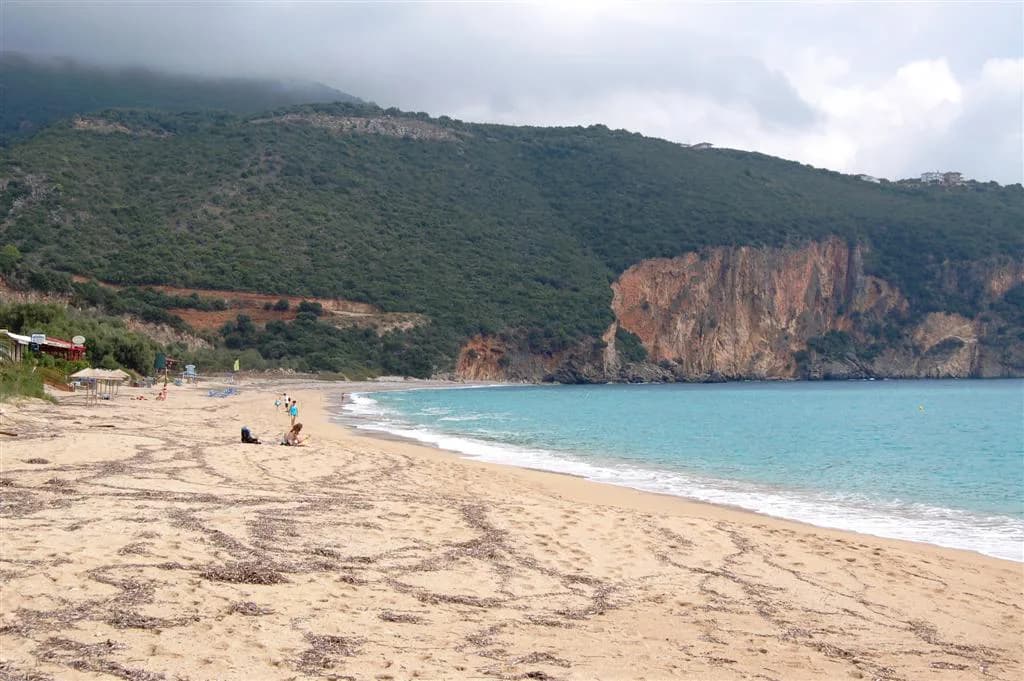
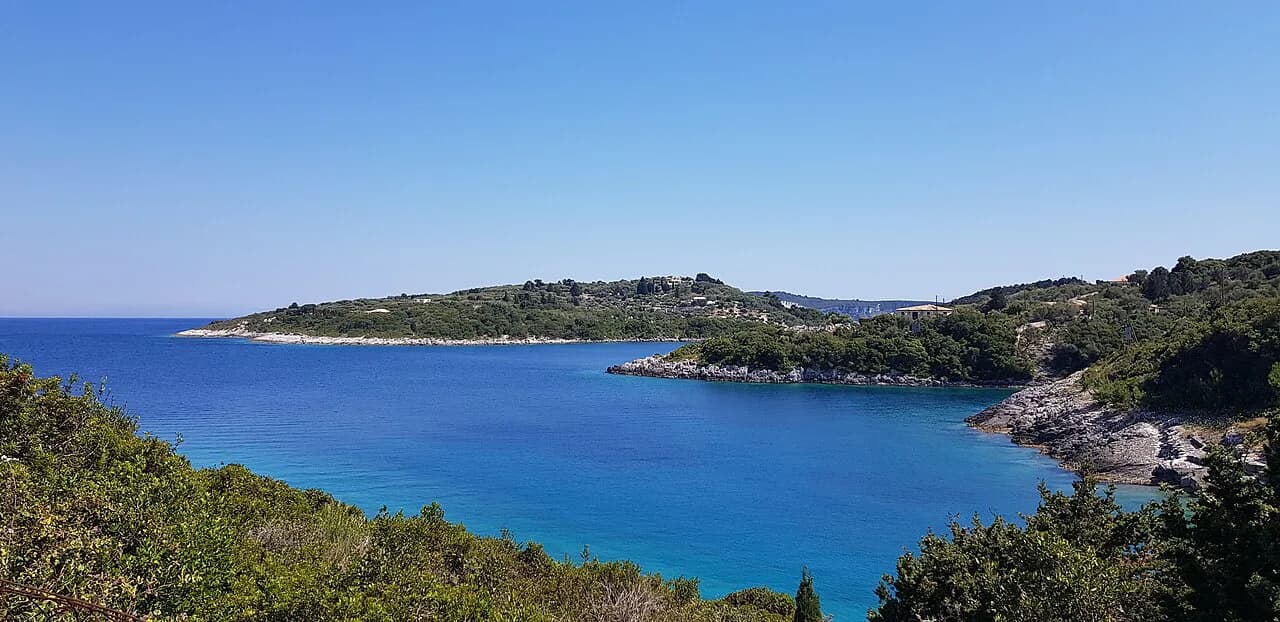
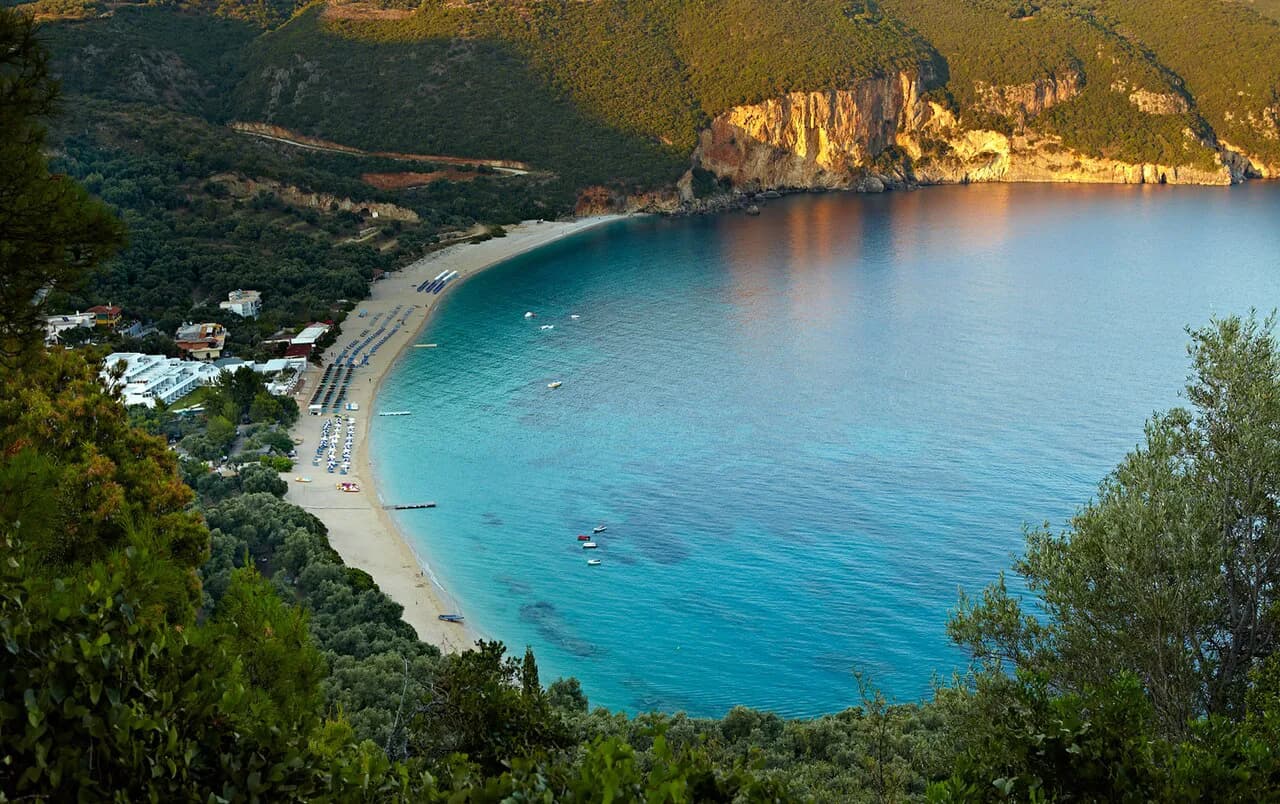
Sarakiniko beach is the reward for walkers: a small Ionian cove near Parga with clear blue water and a shoreline of coarse sand, tucked below the coastal path rather than beside a car park. It suits swimmers and quiet-seekers who would rather trade the long, organised sweep of Valtos for a compact cove, and who are happy to arrive on foot.
The beach sits in the Preveza regional unit of Epirus, just south of Parga town, and pairs naturally with Valtos next door. Plan it as half a day rather than a full one, then walk back to Valtos for a long swim or an evening in town.
Sarakiniko Beach: what it is and who it suits
This is a small cove with a coarse-sand shoreline and clear blue water, the kind of beach where you spread a towel on firm, gritty sand rather than powder. The scale is the point: one compact stretch of shore, a short walk from one of the busiest beaches in the area, and a completely different mood.
It suits confident swimmers and couples who want a quiet hour or two, and anyone who prefers a cove to a resort beach. Families with very small children should weigh the walk in and the coarse sand against the easier, longer shoreline at Valtos, where setting up for the day is simpler.
Come with the expectation of a beach in its natural state rather than a serviced lido. Bring water, shade and footwear you can walk in, and treat the cove as the destination rather than a place to pick up supplies.
Where it sits on the coast from Parga
Sarakiniko lies on the coast south of Parga, beyond Valtos beach, in the Preveza regional unit of Epirus. The usual approach is from the Valtos end of the coast, which puts you within walking distance of Parga town as well.
Because it sits off the road, Sarakiniko reads as a walking beach rather than a drive-up one. That single fact shapes the day: you carry what you need, you time the walk with the heat, and you decide in advance whether to return the same way or continue along the coast.
Use the wider set of Parga beaches to plan the rest of the day, since Sarakiniko works best as one stop on a coastal itinerary rather than a standalone excursion.
Getting there: the coastal walk from the end of Valtos
Start the walk at the far end of Valtos beach, where the sand gives way to the coastal path. Walkers who know the route describe the coastal walk as longer than many visitors expect, so set off with that in mind and allow generous time rather than treating it as a five-minute hop.
The path climbs from the beach end and follows the coast, which means the approach is on foot over uneven ground rather than a paved promenade. Wear shoes with grip rather than flip-flops, and keep both hands free for the sections where the path narrows.
If you are based in Parga town, walk the length of Valtos first and pick up the coastal path at its southern end; that route keeps the whole day car-free. Read the Valtos Beach page for how the long beach itself works before you set out.
Boat trips and water taxis run along this coast in season, but which operators serve Sarakiniko and on what timetable changes from year to year. Ask at the Parga tourist office or the harbour ticket desks when you arrive.
Walking time and the steps and path conditions
Treat the walk as a proper outing rather than a stroll: the coastal path from Valtos involves climbing and rough footing, and experienced walkers flag that it takes longer than the map suggests. Carry water, wear shoes with tread, and avoid the middle of the afternoon in high summer.
The final descent to the cove is the part to plan for. Go slowly on loose ground, keep children close on the steeper sections, and leave the beach with enough daylight to retrace the path comfortably.
Anyone with knee trouble, a heavy cool bag or a pushchair should think hard about this one; the easier alternative is a full day on Valtos, where you step off the sand straight into town. That trade-off, a quiet cove against an easy, long beach, is the main decision to make, and it is the same choice that shapes a day among the best beaches in Kefalonia.
Parking near Valtos and the approach on foot
Parking belongs to Valtos rather than to Sarakiniko itself, so the sensible plan is to leave the car at the Valtos end of Parga and walk the coast from there. Spaces fill quickly in August, so arrive in the morning if you are driving in.
There are no published parking charges, bus routes or shuttle services for Sarakiniko, so budget for the walk rather than a transfer. Check locally with the Parga tourist office if you need a taxi or boat option on the day.
Bring a light bag: a towel, water, sun cream and something to sit on, since the coarse sand is comfortable only with a mat or towel under you. Leave the heavy parasol in the car and find natural shade at the back of the cove instead.
The sand and the water: coarse sand shoreline, clear water, how it deepens
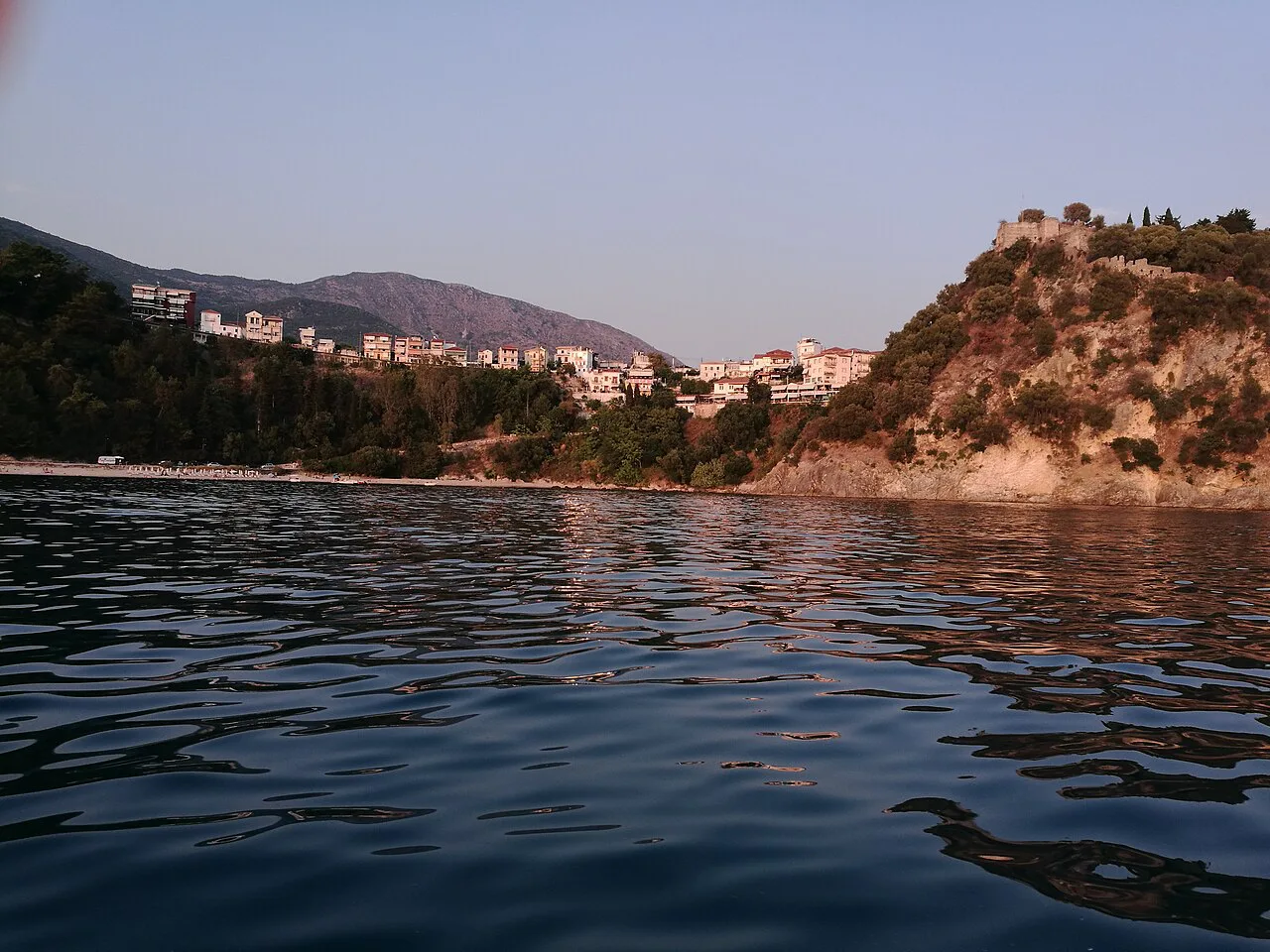
The shoreline is coarse sand, gritty underfoot and firmer than fine sand, with clear blue water beyond it. It is the sort of beach where sandals help on the walk in and a towel makes the difference when you sit down.
Clear Ionian water makes the cove good for watching fish over the bottom, and swimmers who like depth will find the cove shelving away from the shore. Non-swimmers should stay within their depth, since the cove is small and there is no long shallow shelf to play on at low pace.
For rocky sections and pebbly entries elsewhere on this coast, a pair of water shoes earns its place in the bag. Pack them along with a mask if you plan to snorkel.
Shelter and how the cove reads on a breezy day
A small cove between headlands gives more shelter than an open beach, and Sarakiniko's position below the coastal path means the land wraps around part of the shore. On a breezy day that makes the cove noticeably calmer than the long, exposed sweep of Valtos.
Wind direction still matters. If the breeze is pushing straight into the cove, the water gets choppy and the coarse sand blows; that is the day to choose the sheltered end of Valtos or another beach in the Parga group instead.
Read the water when you arrive rather than assuming a calm day: look at the surface, watch how the swell runs into the cove, and check any flag flying on the beach.
How busy it gets and the best time of day
The walk in keeps numbers down, so Sarakiniko rarely feels crowded even in August; it is busiest in the late morning and early afternoon, when day-trippers reach it from Valtos. Early morning and late afternoon give you the quietest water and the softest light.
The cove is small, so a handful of groups fills the usable sand. If you arrive and it looks full, walk on along the path a little and come back later rather than squeezing in.
Late afternoon is the best compromise: the heat has eased for the walk back, the light on the water is at its best, and you can finish with a swim at Valtos on the return.
Facilities and what to bring
Plan on Sarakiniko as a beach with no developed facilities: no lido, no sunbed line and no beach bar on the cove itself. Everything you need for the day comes in with you, from water and food to shade and a first-aid kit.
That makes the packing list short but non-negotiable: at least a litre of water per person, a sun hat, high-factor sun cream, a towel or mat for the coarse sand, and shoes with grip for the path. A dry bag keeps phones and keys safe if you swim.
If you want sunbeds, showers and a bar within reach of your towel, base yourself at Valtos instead and visit Sarakiniko as a walk. The two beaches are close enough to combine in one day.
Best months to swim in the Ionian
The Ionian swim season around Parga runs from late spring into early autumn, with the warmest sea from July through September. June and September give comfortable water with fewer people on the path and the beach.
July and August are the busiest and hottest months, so start early if you are walking in. May and October can be pleasant for walking but cooler for long swims, so pack a rash vest for children.
Sea temperatures and conditions shift year to year, so treat these as a general pattern and check the local forecast before committing to a long swim or a late-afternoon walk.
Nearby beaches to combine: Valtos, Lichnos, Ai Giannakis, Piso Krioneri
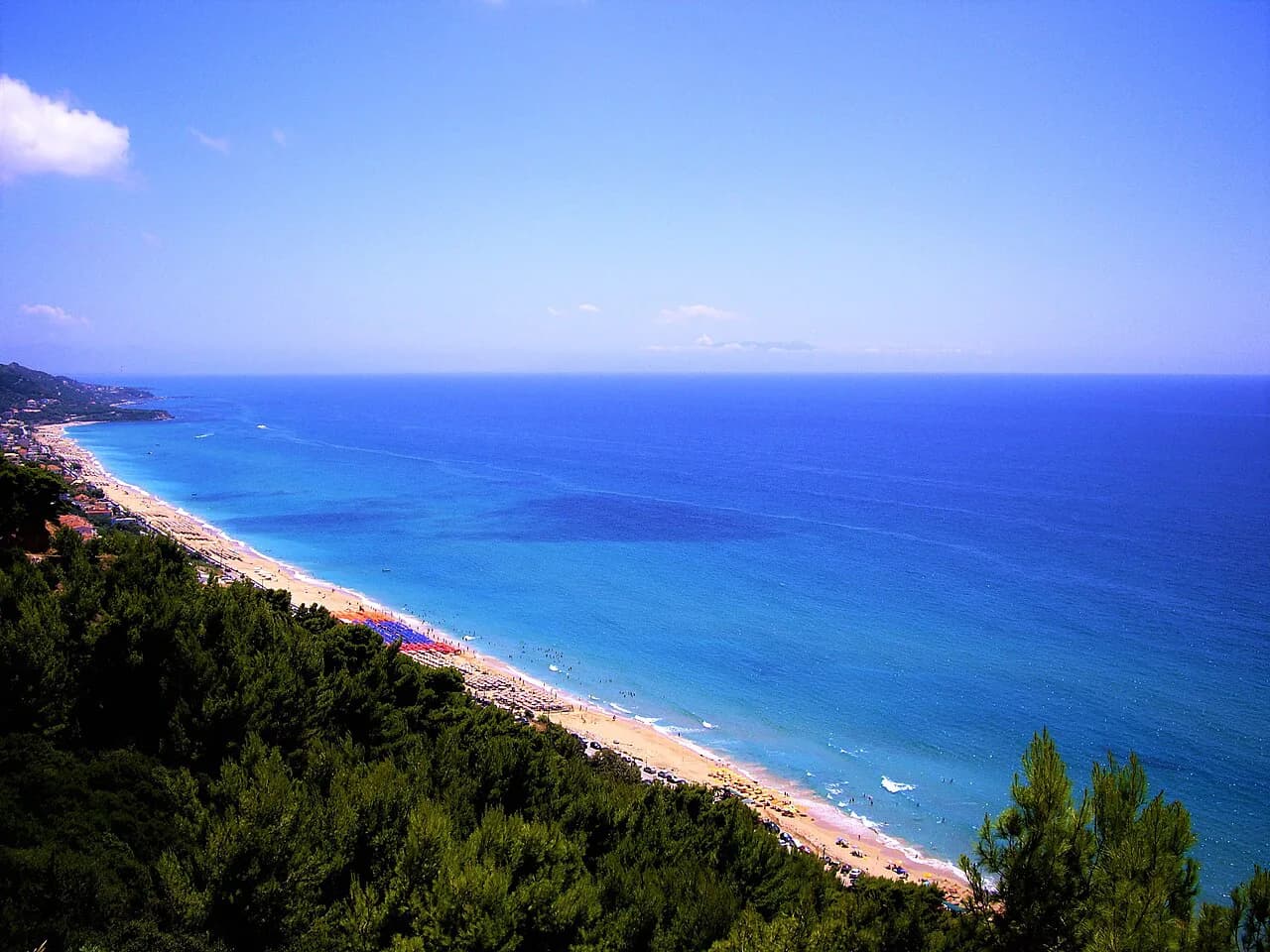
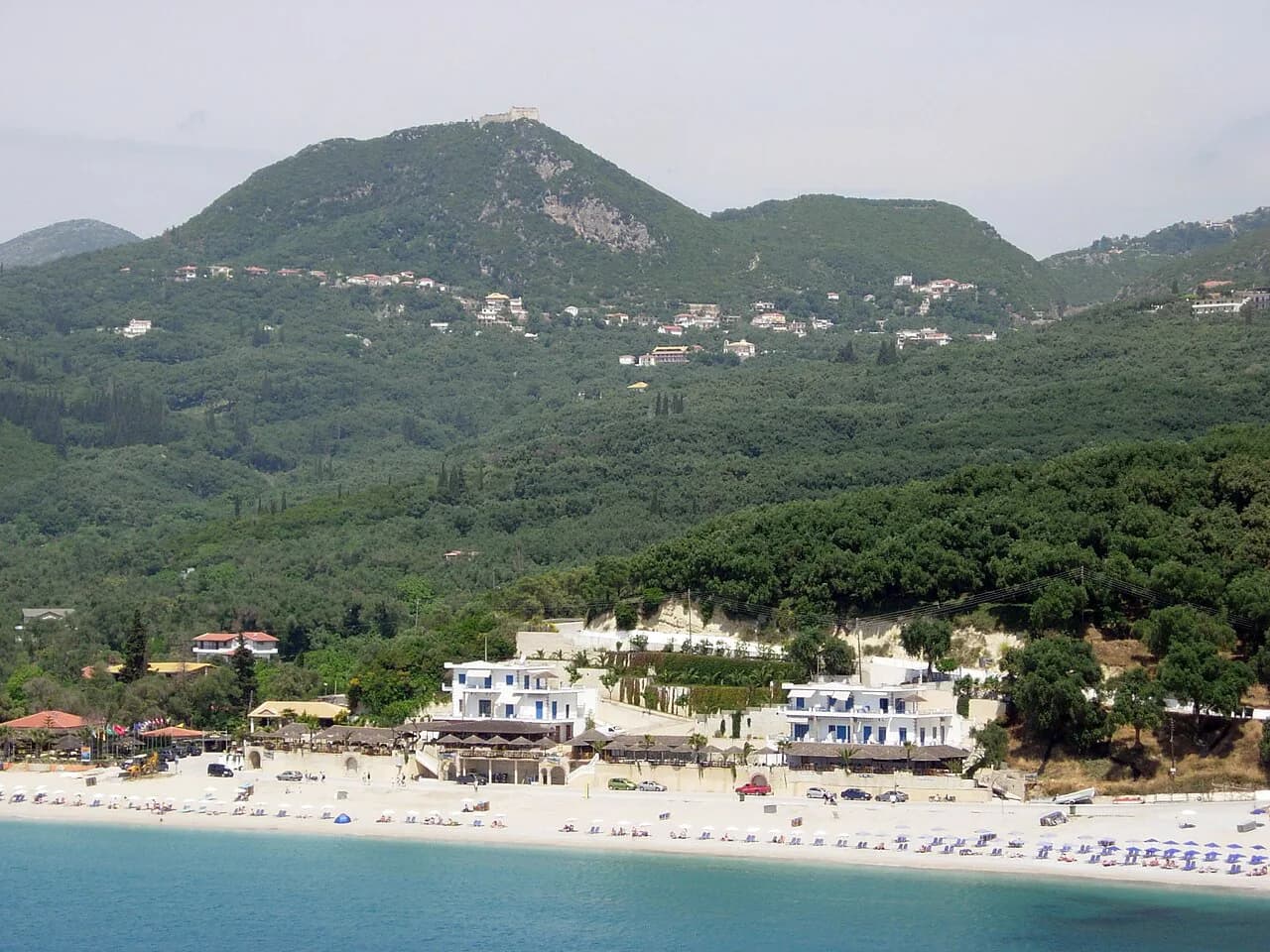
Valtos is the obvious pairing: a long, organised beach backed by Parga town, with the walk to Sarakiniko starting at its southern end. Swim at Valtos in the morning, walk to the cove for the quiet hours, and return for dinner.
Lichnos beach, in its own bay further round the coast, makes a good second day, with a different character and easier access from the road. The Lichnos Beach, Parga guide covers how to reach it and what to expect.
Closer to town, Ai Giannakis and Piso Krioneri are the easy, family-friendly options for a short swim, and they work well on a day when you do not want a walk. Both appear among the Parga beaches visitors combine most often with Sarakiniko.
If you are exploring further afield by boat, the Paxos beaches make a fine day trip from this stretch of coast. For a shorter outing, Kryoneri beach Parga is a simple town-side swim.
Where to stay close to Sarakiniko
Accommodation clusters at Sarakiniko itself and along the road into Parga, with several properties within a few hundred metres of the beach, including Anemolia Parga Suites, Theros Blu and Rizos Bay Sarakiniko. Staying here puts the cove within walking distance for an early swim.
Parga town is the other practical base: you get restaurants, the harbour and the castle on the doorstep, with Valtos and the coastal path a short walk away. Choose the town for convenience and the Sarakiniko lane for proximity to the cove.
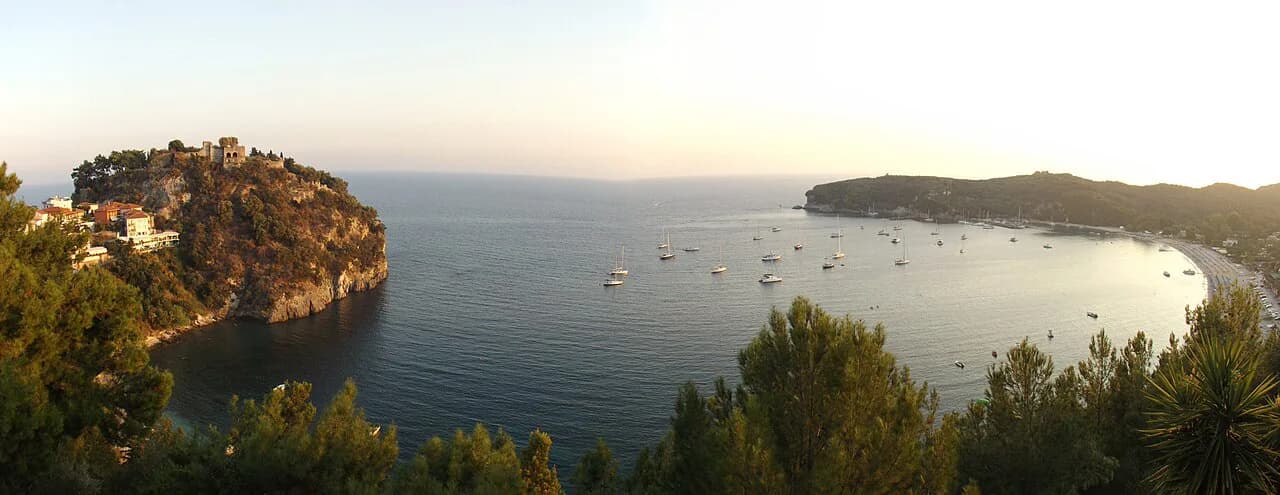
The Venetian Castle of Parga above town is worth an evening, and the views over the coast make sense of the geography before you walk it.
Dogs on the walk to Sarakiniko: what the sources say
Readers travelling with a dog often ask whether the cove and the approach can be done together. The sources describe Sarakiniko Beach, near Parga in the Preveza regional unit of Epirus, Greece, as a small Ionian cove with clear blue water and a shoreline of coarse sand. That is the full extent of what they establish about the beach itself; they set out no rules, restrictions or facilities for dogs at the cove.
The route is the part the sources address more directly. One forum thread warns that the walk to Sarakiniko is possibly further than you think, and advises starting the coastal walk at the end of Valtos beach and walking up to the coastal path. For a dog, that is the practical planning point the sources support: the approach begins at the end of Valtos and follows a coastal path, and the distance is worth allowing for rather than treating as a short hop from the sand at Valtos.
Accommodation near the beach is listed at Sarakiniko itself, which matters if you would rather shorten the walk on foot. Booking.com lists Anemolia Parga Suites in Sarakiniko, a few steps from Sarakiniko Beach, and Theros Blu in Sarakiniko, 60 metres from Sarakiniko Beach. Both are described as offering free private parking. The same source also lists Rizos Bay Sarakiniko, 100 metres from Sarakiniko Beach, with a garden and garden view. These are the only proximity and parking details the sources give for stays at this end of the coast.
Plan Your Visit
Sarakiniko rewards the walk: a small cove of coarse sand and clear water that feels a world away from the organised beaches of Parga. Go early or late, carry everything in, wear proper shoes and treat the coastal path from the end of Valtos as part of the day rather than an obstacle.
Pair it with Valtos for facilities and a long swim, keep Lichnos and the town beaches for easier days, and check boat or taxi options with the Parga tourist office if you would rather not walk back.
Frequently Asked Questions
Is Sarakiniko beach near Parga sandy or pebbly?
It is a coarse-sand shoreline rather than a pebble beach, with clear blue water beyond it. The grit is firm underfoot but rough enough that a towel or mat makes sitting more comfortable, and shoes with grip help on the walk in.
How do you get to Sarakiniko beach from Parga?
Walk the length of Valtos beach and pick up the coastal path at its southern end, then follow the coast to the cove. It is a proper walk over uneven ground and takes longer than many visitors expect, so allow generous time, carry water and wear shoes with tread.
How long does the walk from Valtos beach to Sarakiniko take?
Walkers consistently describe it as longer than it looks from the beach, and the path climbs and drops along the coast. Rather than plan to a fixed number of minutes, set off with time in hand and turn back with daylight to spare.
Are there sunbeds, a beach bar or lifeguards at Sarakiniko?
Sarakiniko is an undeveloped cove with no lido, sunbed line or beach bar on the shore, so bring water, food, shade and a mat with you. If you want serviced facilities nearby, base yourself at Valtos and visit the cove on foot.
What is the best time of day to visit Sarakiniko beach?
Early morning and late afternoon are quietest, with the softest light and the easiest conditions for the walk. Late morning and early afternoon are busiest, when day-trippers arrive from Valtos, and high summer middays are hot on the path.
Which beaches near Parga combine well with Sarakiniko?
Valtos is the natural pairing because the walk starts at its southern end, and Lichnos makes a good second day in its own bay. Ai Giannakis and Piso Krioneri near town are the easy options for a short swim without a walk.
What is the best month to swim near Parga?
The sea is usually at its warmest from July through September, with June and September offering comfortable water and fewer people. May and October are good for walking but cooler for long swims, especially for children.
Do you need water shoes for Sarakiniko beach?
The shore is coarse sand, so water shoes are a comfort rather than a necessity for the entry. They earn their place if you plan to snorkel over rocky ground or explore other pebbly beaches on the same trip.
Sources
Beach notes for your next trip
Optional updates when we add or revise beach guides.
You might also like
Continue reading
More guides you'll find useful