Paxos Beaches: Which Coves And Parga Trips To Choose
Paxos beaches are mostly pebble, with sand at Mongonissi and a short boat ride to Antipaxos. Compare access, facilities and water before you pick a cove.
On this page
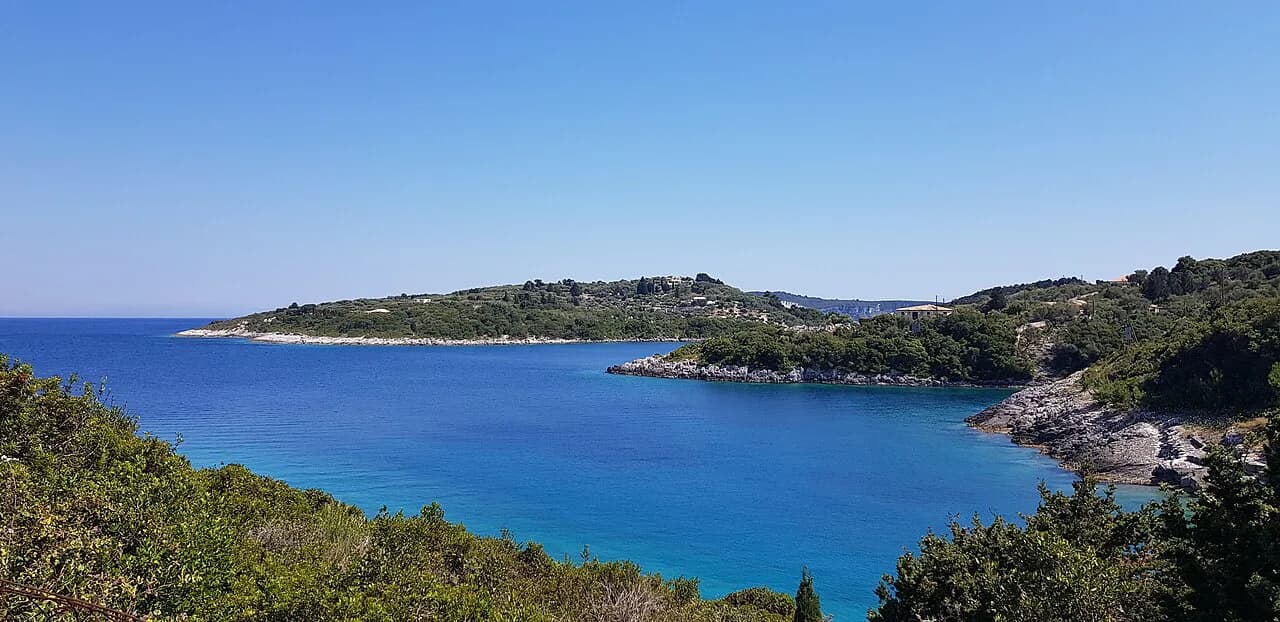
Paxos is a small Ionian island of olive groves and limestone coastline, and its beaches reward people who like clear water over soft footing. The coves are mostly pebble, so the island suits swimmers, snorkellers and anyone happy to pack water shoes rather than build sandcastles.
The practical split is between Paxos itself and Antipaxos, the little island a short boat ride south-east of Gaios. Paxos gives you organised beaches with tavernas close at hand; Antipaxos gives you the whitest sand and the busiest day boats.
Why Paxos beaches suit swimmers and snorkellers more than sand-seekers
Paxos is the smallest of the seven main Ionian Islands, covering around 25 square kilometres with a population of about 2,300. Its coastline is largely pebble, which keeps the water free of the sand that clouds many Mediterranean bays. That clarity is the main reason to plan a beach day here around swimming and snorkelling.
Pebbles are less comfortable to lie on and to walk across, and they heat up quickly in the afternoon sun. Water shoes or jelly shoes make the difference between a relaxed entry and a careful tiptoe, and local shops stock them if you arrive without.
If you want wide, soft sand under your towel, treat Paxos as a base rather than a sand destination. The island's one proper sandy beach sits at Mongonissi, and the boat crossing to Antipaxos puts you on fine white sand within about 15 minutes of Gaios.
The limestone coast: what pebbles mean for your feet, your kit and the water clarity
Paxos is built mainly of limestone, a soft rock that erodes under wind, waves and rain and leaves pebbles along the shore. You can see the process at work at Erimitis, where part of the cliffs collapsed in a storm in 2007 and the boulders are steadily breaking down into a new pebble beach.
Pack accordingly: water shoes, a mat or a thick towel, and some kind of shade if you plan to stay past midday. Pebble beaches tend to be quieter than sandy ones, partly because fewer families with small children choose them and partly because they are harder work to reach.
The reward is clean, clear water that shows the bottom plainly, which makes pebble bays the best snorkelling territory on the island. Bring a mask and keep your feet covered on the entry, and you can spend a whole morning working along a single cove.
Gaios and the south-east: Mongonissi and its family-friendly facilities
Mongonissi sits on the islet at the south-eastern tip of Paxos and is the island's reliable sandy beach. It is reached by road and has a lively beach bar, plus watersports that make it the obvious choice for families who want sand, facilities and something to keep older children busy.
Because it has the rare combination of sand and a beach bar, Mongonissi fills up faster than the pebble coves. Arrive in the morning if you want a comfortable spot, and treat it as a half-day rather than a full day if you also want time in Gaios.
Gaios itself is the practical hub for beach days: the port is where boats leave for Antipaxos, and the town is the place to stock up before heading to quieter coves. If you are staying on the island, Gaios and its surroundings give you the widest choice of tavernas and services.
Organised beaches with sunbeds and beach bars, and how they differ from the wild coves
An organised beach means you can rent a sunbed and umbrella and buy lunch without carrying anything more than a towel. That convenience is worth paying for if you are travelling with children, older relatives or a tight schedule, since setting up on pebbles takes more effort than it does on sand.
Wild coves give you the opposite trade-off: no facilities, no shade and often a rougher approach, but far fewer people. If you choose one, carry everything you need for the day, including water, food and something to sit on, because there is nowhere to top up once you are there.
The sensible plan is to mix the two. Use an organised beach for a long, lazy day with lunch built in, and give the wild coves a morning or late afternoon when you have the energy for the walk in and back.
Small sandy patches at Monodendri and Levrecchio and who they suit
Monodendri and Levrecchio carry small patches of coarse sand along otherwise pebbly shores. They are the beaches to choose if you want a little sand for children to play on without committing to a full sandy bay or the boat trip to Antipaxos.
These are pockets rather than beaches in the sandy sense, so do not expect room for a full beach set-up on soft ground. They work best for a short family stop, combined with a swim and lunch nearby.
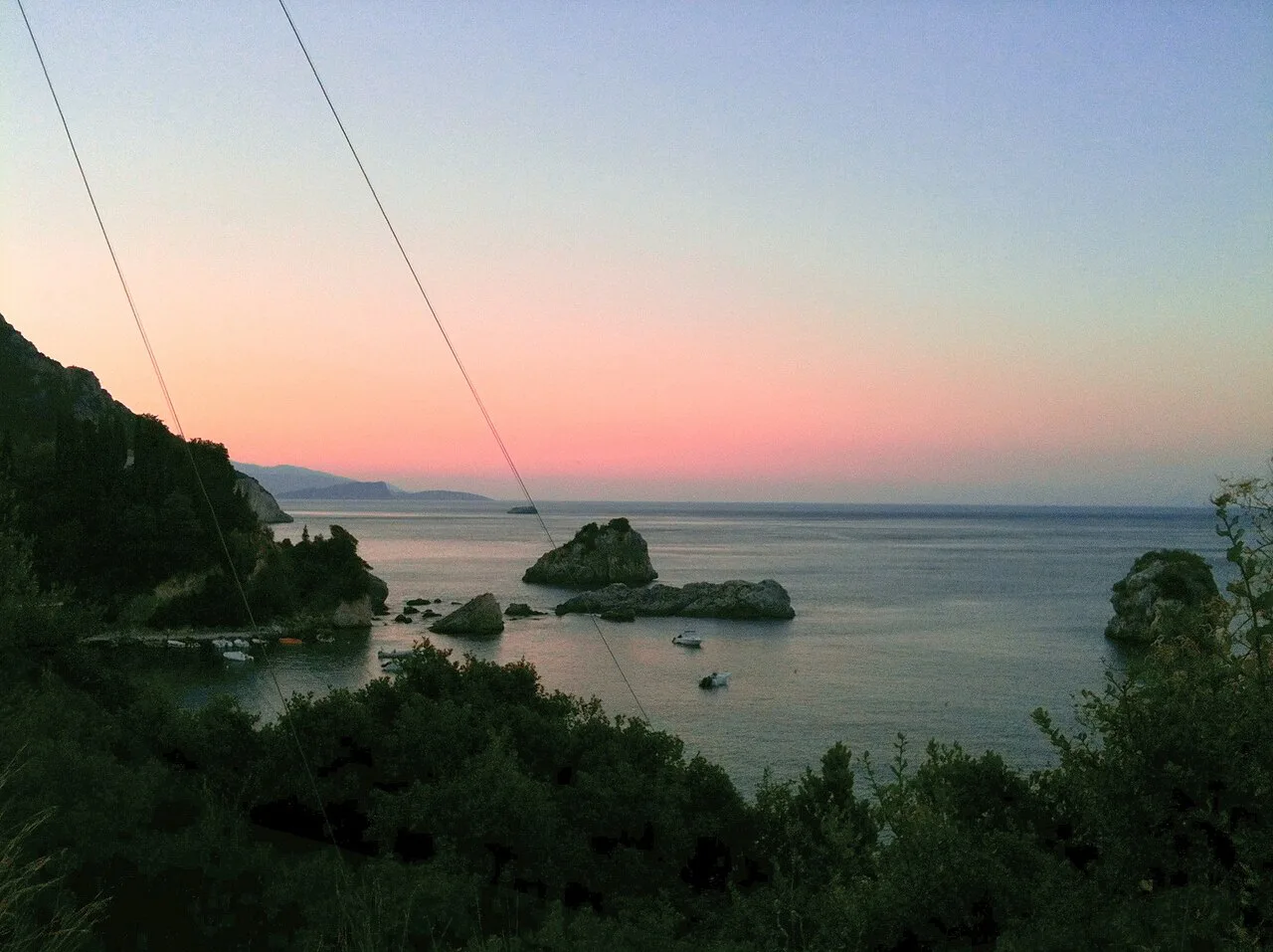
Antipaxos by sea taxi from Gaios: Vrika, Voutoumi and Mesovrika compared
Water taxis and tourist boats run from Gaios to Vrika and Voutoumi during spring and summer, with a crossing of about 15 minutes. A return ticket on these boats costs around €25, while the cheaper local ferry at about €1.50 per person runs several times a week and docks at Agrapidia harbour, from where you walk to the beaches.
Vrika is the first beach the tourist boats reach, and it opens with fine white sand and shallow water that suits families with children. It also has paid sunbeds and umbrellas, a sandy section at the southern end without shade, and two tavernas for seafood and local wine.
Voutoumi, on the north-east side, has coarser sand and deeper water that suits swimmers and snorkellers, with a taverna set back from the beach. It draws the day boats, so it feels busy through the middle of the day and calmer in the early morning and after 5pm.
Mesovrika lies between Vrika and Voutoumi, a small wild bay of mixed sand and pebbles with calm water for paddling and sunbathing. The taxi boats do not moor there, so it stays quiet even when the neighbouring beaches are full, and it is a few minutes' walk from the bars at Vrika.
Wild Antipaxos: Rodovani, Sarakiniko and the lighthouse cove
Rodovani sits at the north-western end of Antipaxos, a wide expanse of white pebbles with a small cave to the left of the beach that you can swim into. The footpath down is unmarked and overgrown in places, starting from an unmarked turning off the concrete road, so it needs a map and sturdy shoes rather than sandals.
Sarakiniko lies in the south-west and takes around 45 minutes to reach on foot, with abandoned boats and fishing gear the only company. It feels wilder than Rodovani and is the beach to pick if solitude matters more than convenience.
At the southern tip, a path past the Akra Ovoros lighthouse leads through woodland to a hidden cove, where moorings can take up much of the bay when a large yacht is in. It is a fine walk with a swim attached, but not a place to plan a whole day around.
Getting around Paxos without a car: boats, buses and walking paths
Boats do most of the work. The sea taxi from Gaios to Antipaxos takes about 15 minutes, and the local ferry to Agrapidia is the cheaper option if you do not mind the walk up to the beaches. Crossings depend on the weather, so build some slack into your day.
On Paxos, the road network is small and Mongonissi is accessible by road, which makes it the easiest sandy beach to reach without a boat. Elsewhere, expect a mix of road access and walking paths, and plan your day around one beach rather than trying to tick off several.
If you are combining Paxos with the mainland, the beaches around Parga and the Preveza beaches make a natural second stop on an Epirus itinerary. Both are reached from Aktion Airport, which keeps a two-centre trip simple.
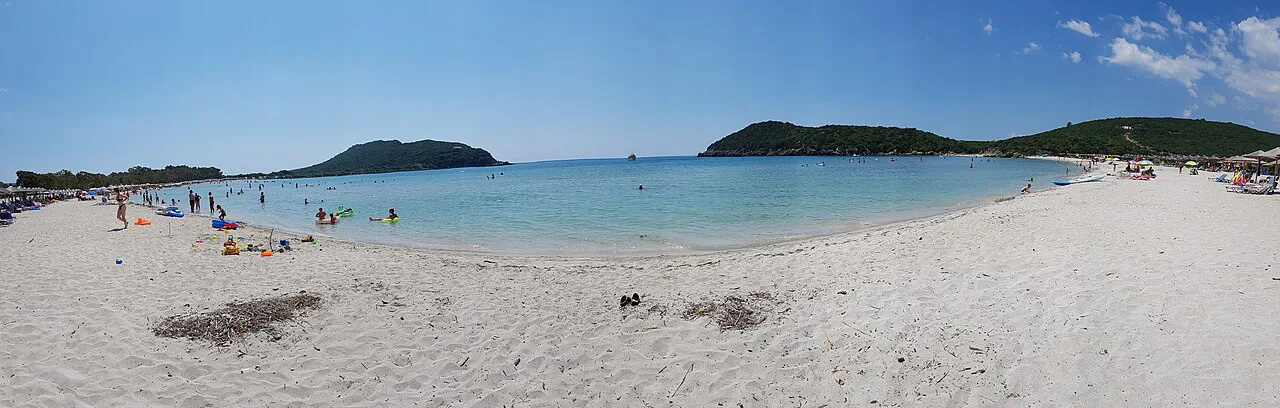
Where to eat and drink on a beach day
Antipaxos has four beach bars and restaurants, and most close in the evening apart from Bella Vista above Voutoumi. If you are staying on the island, eat lunch at the beach rather than planning a late dinner there, and bring supplies if your rental has a kitchen, since there are no shops on Antipaxos.
Vrika has Spiro's Taverna right where the boat lands, plus Cedrus Beach Bar for lunch or ice cream. Voutoumi has a laid-back bar and restaurant set back from the beach, a good place to escape the midday heat.
Bella Vista, up the long stairs or the road above Voutoumi, is a sundowner spot with a view over the bay. Prices there run high, so many people keep it to drinks and enjoy the view rather than a full meal.
Best time to go: sea temperatures, peak weeks and day-trip timing
Spring and summer are when the water taxis and tourist boats from Gaios run to Antipaxos, with the crossings taking about 15 minutes. The local ferry is a cheaper, less frequent option and runs several times a week rather than daily.
The busiest hours on Vrika and Voutoumi are when the day boats are in, roughly the middle of the day. Swimming early in the morning or after 5pm gives you the popular bays at their quietest, and staying overnight on Antipaxos makes that easy.
Check the forecast before you commit to a boat day, because wind can make crossings uncomfortable and turn a calm bay choppy. A flexible plan with a road-accessible beach as backup saves a wasted morning.
Nearby beaches to combine with a Paxos beach day
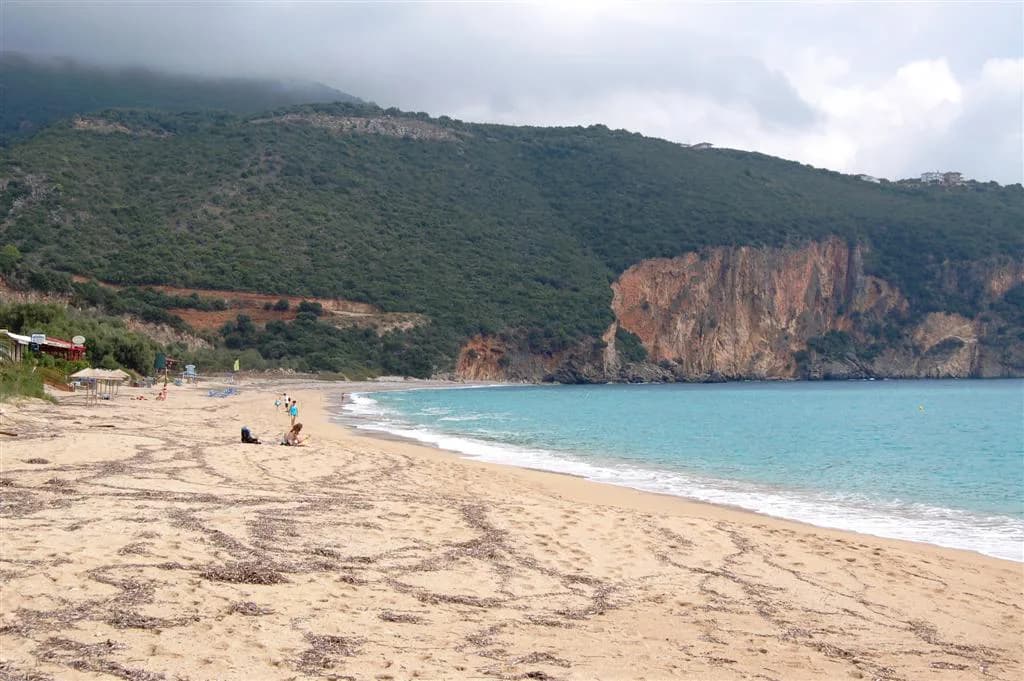
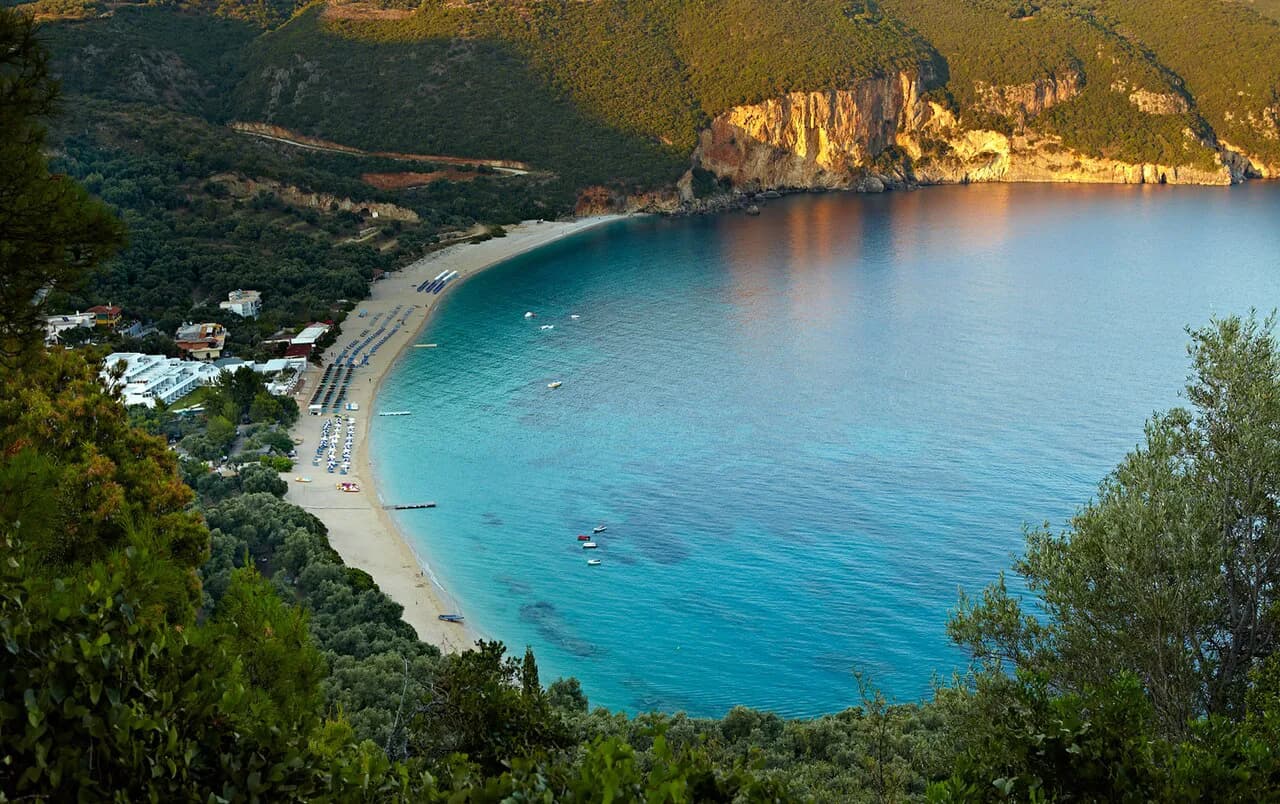
On the mainland, Lichnos beach near Parga gives you a long pebble-and-sand bay with facilities, and the Ionian Sea here is the same body of water you have been swimming in around Paxos. It is an easy add-on if you are travelling by ferry to Igoumenitsa. If you want more sandy options across the water, the Kefalonia beaches make a worthwhile comparison for a longer Ionian beach trip.
Preveza's Alonaki Fanariou is a sheltered, shallow bay that suits families and weaker swimmers, a useful contrast to the deeper water at Voutoumi. Further south, the Sivota beaches offer a mix of organised and quiet coves for a second beach stop.
Plan Your Visit
Choose Paxos for clear pebble coves and easy snorkelling, and add Antipaxos for the sand and the boat trip. Mongonissi is the simplest sandy day on Paxos itself, while Vrika suits families and Voutoumi suits swimmers.
Pack water shoes, plan around one beach a day and book your accommodation on Antipaxos well ahead if you want the popular bays to yourself in the early morning. Paxos Tourism can confirm current boat and ferry schedules.
Frequently Asked Questions
Does Paxos have sandy beaches?
Paxos has one main sandy beach at Mongonissi, on the islet at the south-eastern tip, and small coarse-sand patches at Monodendri and Levrecchio. For fine white sand, take the short boat trip from Gaios to Antipaxos, where Vrika and the surrounding bays are sandy.
How do you get to Antipaxos from Paxos?
Water taxis and tourist boats leave Gaios for Vrika and Voutoumi during spring and summer, with a crossing of about 15 minutes. A cheaper local ferry runs several times a week to Agrapidia harbour, from where you walk to the beaches.
Is Paxos good for snorkelling?
Yes. The limestone coast produces pebbles rather than sand, which keeps the water clear and makes the bays easy to read from the surface. Bring a mask, and wear water shoes for the rocky entries.
Which Paxos beach is best for families?
Mongonissi is the easiest sandy option for families, with a beach bar and watersports. On Antipaxos, Vrika has fine white sand, shallow water and tavernas close to where the boat lands.
How long is the boat from Gaios to Antipaxos?
The water taxis and tourist boats from Gaios take about 15 minutes to reach the beaches. The local ferry to Agrapidia is cheaper, but it runs several times a week rather than daily and leaves you with a walk to the beaches.
Sources
Beach notes for your next trip
Optional updates when we add or revise beach guides.
You might also like
Continue reading
More guides you'll find useful