Preveza Beaches Guide: Where to Swim Near Parga
Preveza beaches range from long sands at Monolithi and Kanali to rocky coves at Alonaki. Here is how to pick the right stretch for families and swimmers.
On this page
Preveza gives you two very different beach days within a short drive of one town: kilometres of open sand along the Ionian coast, and small rocky coves towards Fanari where the water runs clear over stone. Families tend to gravitate to the shallow golden sand near Alonaki Fanariou, while swimmers and snorkellers head for the rocks and deeper water further north.
The town itself sits in Epirus between the Amvrakikos Gulf and the Ionian Sea, with a pedestrian seafront promenade that makes an easy evening after a beach afternoon. This is a coastal town rather than an island, so you reach the beaches by road rather than ferry, and the coast unfolds south towards Kanali and Monolithi.
Where the beaches sit
The main sandy run begins south of Preveza town and continues through Kanali towards Monolithi, with beach bars spaced along the road and long gaps of open sand between them. Towards Fanari and the Nekromanteion, the coast turns rockier and more dramatic, with Alonaki Fanariou and the small coves at Artolithia. Plan your day around one direction rather than trying to cover both ends.
Access is straightforward by car: the Egnatia Odos connects Preveza with northern Greece and the Ionia Odos brings you in from Athens, while Aktion Airport sits about ten minutes from the town centre. Regular KTEL bus routes serve most of the beaches, which makes a car-free beach day feasible if you travel on the published timetable.
Monolithi: the long sandy run
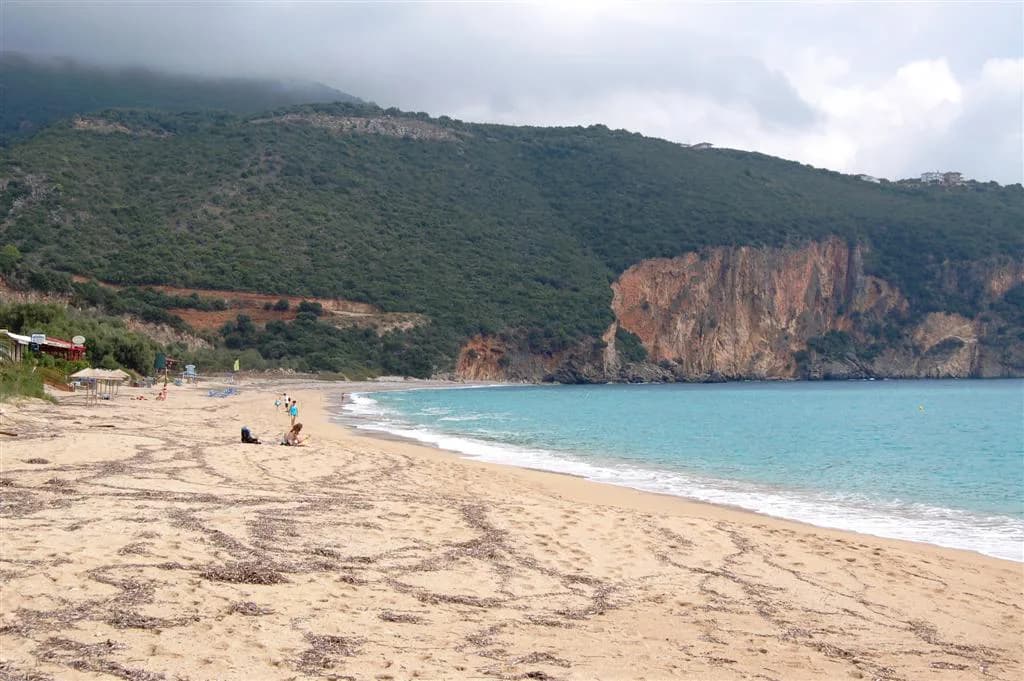
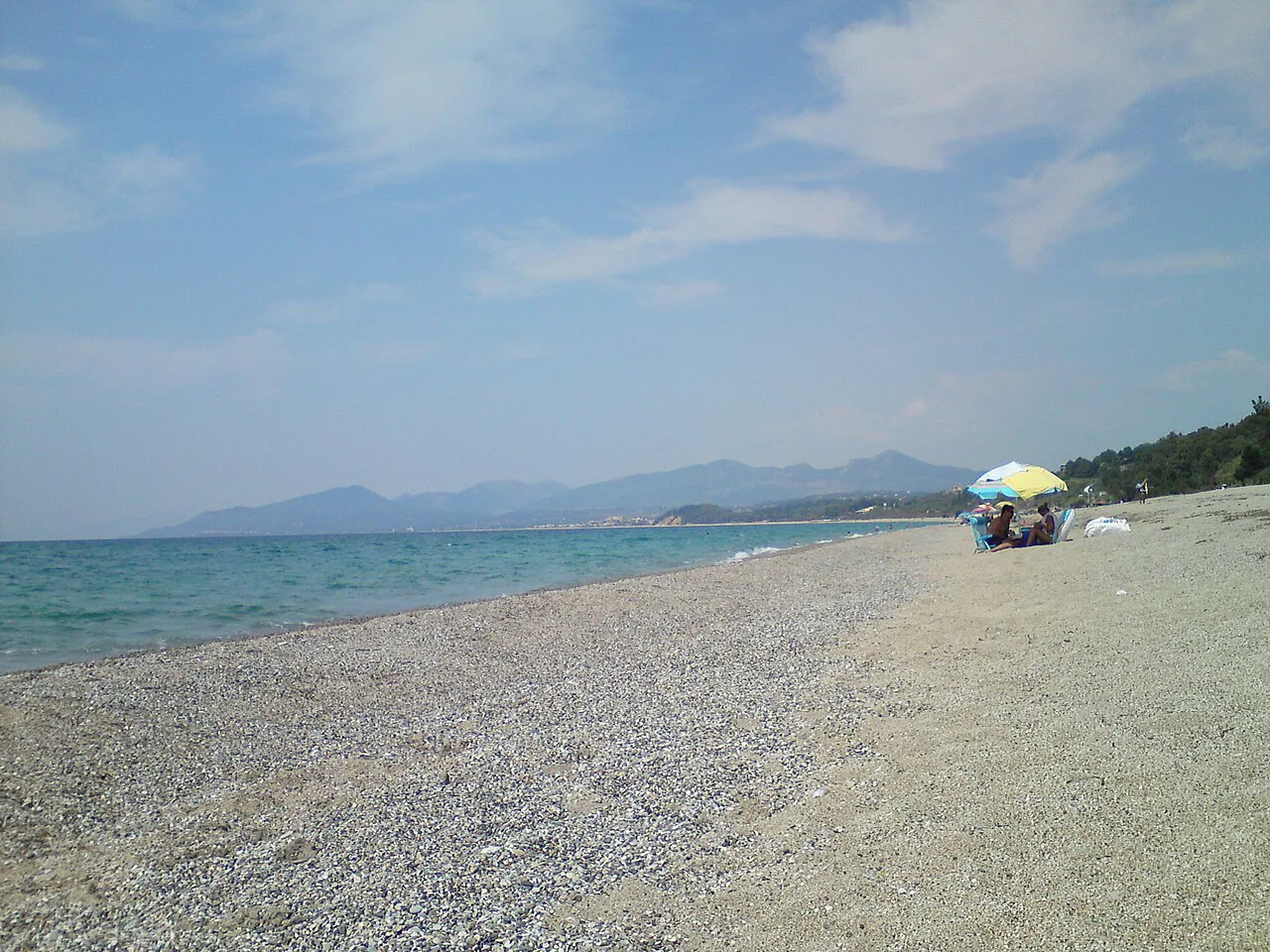
Monolithi is the big, open beach of the area, a long sandy stretch backed by green slopes with plenty of room to spread out. The water deepens quickly in places, which suits confident swimmers and older children more than toddlers, and the exposure means the sand catches the sun all day. Beach bars along the coast rent sunbeds and serve food and drinks, but the beach is vast enough that a short walk takes you away from the noise to near-silent sand.
For a family with mixed abilities, base yourselves near a bar for the facilities and shade, then walk a few minutes along the shoreline for the quieter stretch. Bring an umbrella or a beach tent, because the open sand offers little natural shade in high summer. Sunsets here are a draw in their own right, with the horizon over Kanali and Monolithi turning pink in the evening.
Kanali: bars, sunbeds and sunsets
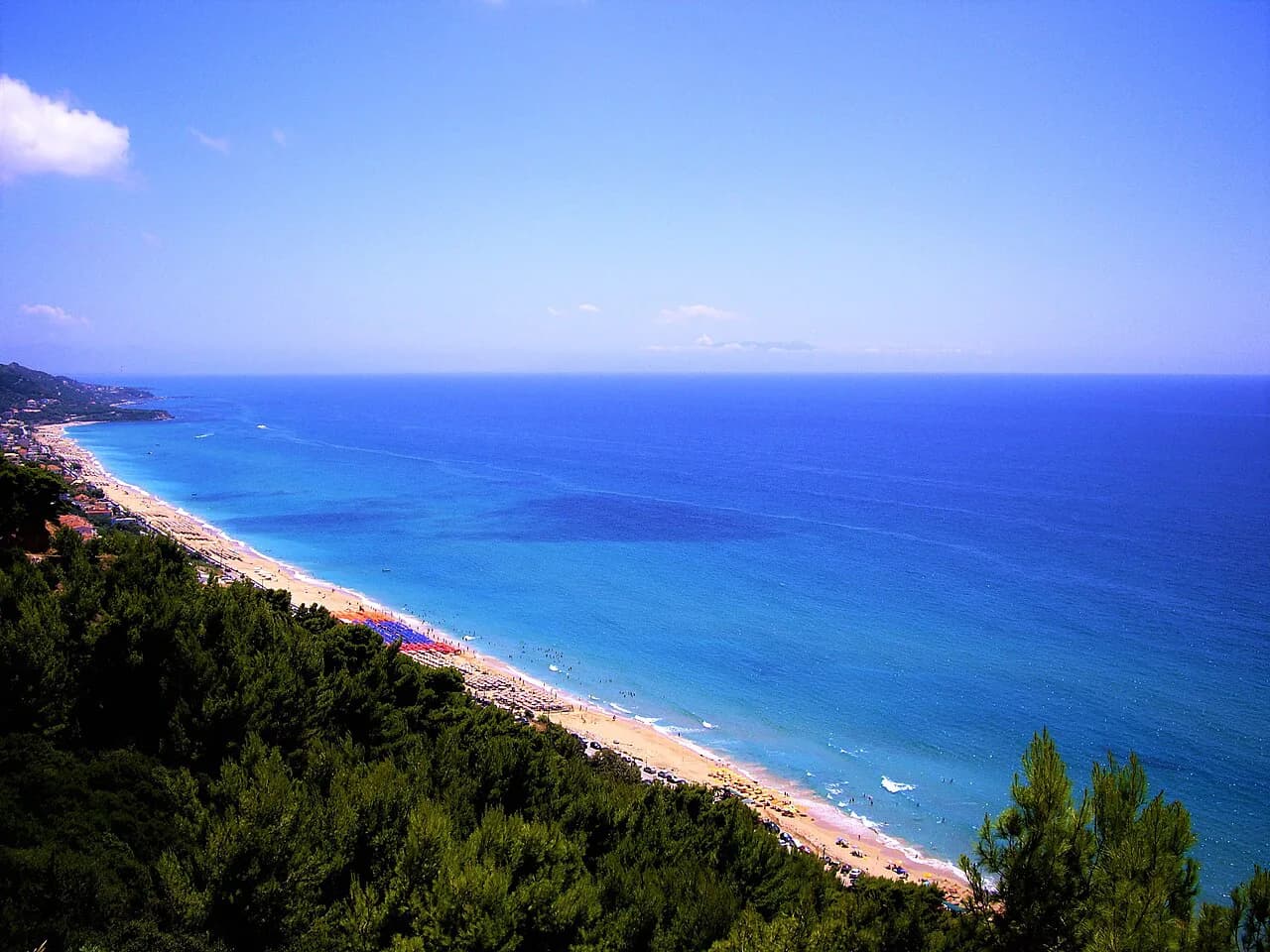
Kanali continues the same sandy coastline with a more organised feel: beach bars with sunbeds along the front, tavernas close to the water, and the option of walking a little further for a quiet spot. It is the practical choice if you want lunch, a lounger and a swim without moving the car, and the sunset from this end of the coast is one of the area's highlights.
The sea here is described as mainly deep, so supervise young children closely and choose your spot near a bar where the shelf is gentler. Eating is easy: Miriounis at Kanali serves simple dishes with a sea view, and the nearby Sesa Boutique hotel restaurant offers a more polished Mediterranean menu for a special evening.
Lygia: the smaller family cove
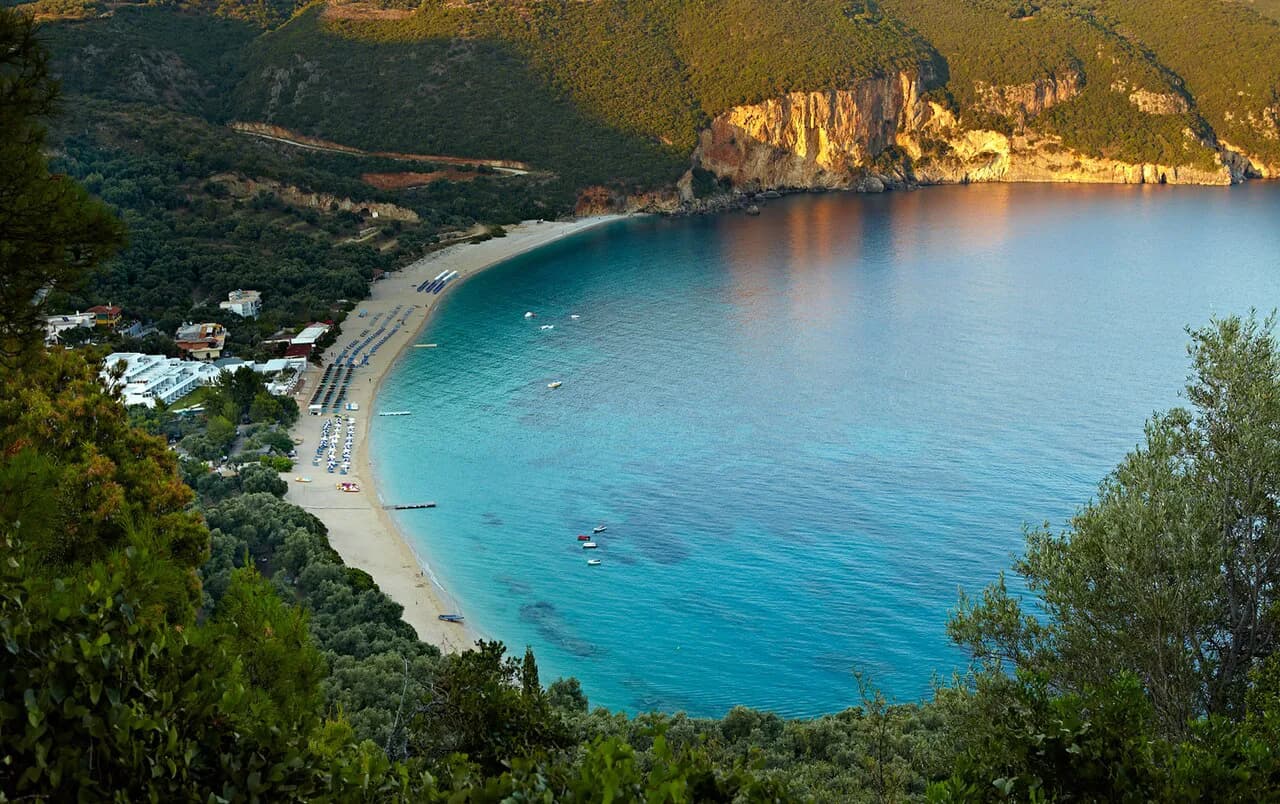
Lygia is the quieter counterpoint to Monolithi and Kanali, a smaller cove with calm-looking azure water that appeals to families and anyone wanting to avoid the busier organised stretches. It works well as a half-day stop combined with a drive along the coast, and the scale makes it easier to keep an eye on children than on the long open sands. Arrive earlier in the day in July and August if you want space near the water.
Alonaki Fanariou: shallow water and golden sand
Alonaki Fanariou, near the archaeological site of Nekromanteion, is the beach to choose for young children: golden sand and shallow water make it far gentler than the deeper northern coast. The setting is impressive, with rock formations around the bay and clear turquoise water that rewards a mask and snorkel along the edges. It takes a little more effort to find than the main road beaches, and the reward is a day that mixes easy swimming with a visit to the Nekromanteion.
Bring water and sun protection, as the sand is exposed and shade is limited. Combine the beach with the archaeological site for a full day out, going early in high summer when July and August temperatures peak.
Artolithia: rocky coves and natural pools
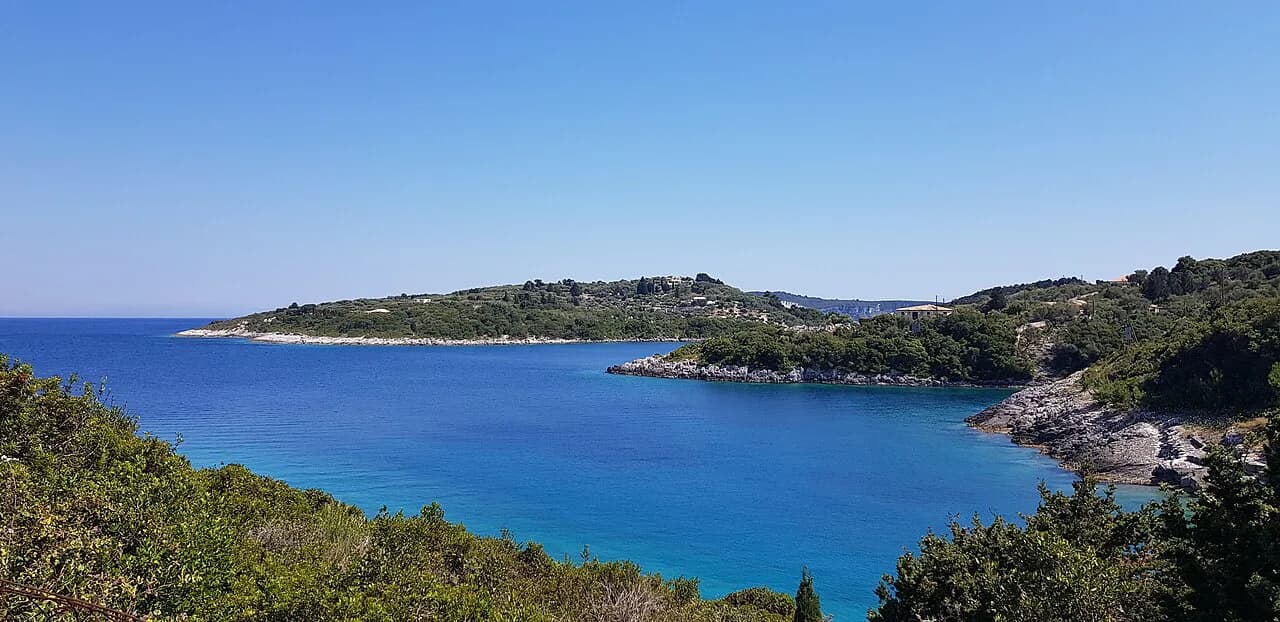
Artolithia is a cluster of small rocky coves where the stone forms natural pools of transparent water, ideal for snorkelling and for anyone who prefers rocks to sand. There is no long beach to walk here, so treat it as a short swim stop rather than a full sunbathing day, and bring water shoes for the rocky entry. It pairs naturally with Alonaki Fanariou on the same stretch of coast towards Fanari.
Getting there and getting around
With a car, you can beach-hop the coast road south towards Kanali and Monolithi in the morning and turn towards Fanari in the afternoon, though the two directions are best split across separate days. Without a car, the KTEL routes cover most beaches, while Aktion Airport is about ten minutes from the centre for arrivals. Lefkada is reachable by road over a connecting bridge, which opens up a second beach day without a ferry.
Facilities and what to bring
The main beaches are organised, with sunbeds, food and drinks at Monolithi and Kanali and tavernas along the coast. Water and sunscreen are the essentials to pack, along with hats and shade for the exposed sand in high summer. Cash and a refillable bottle cover the gaps between bars, and a mask is worth carrying for the rocky coves near Fanari.
Best time to go
July and August bring the highest temperatures and the peak crowds, so start early, carry plenty of water and plan shade for the middle of the day. The shoulder months either side are more comfortable for walking and beach-hopping, with the sea still inviting for most swimmers. August also brings Preveza's sardine festival, an evening of local food in town after a beach day.
Nearby beaches to combine
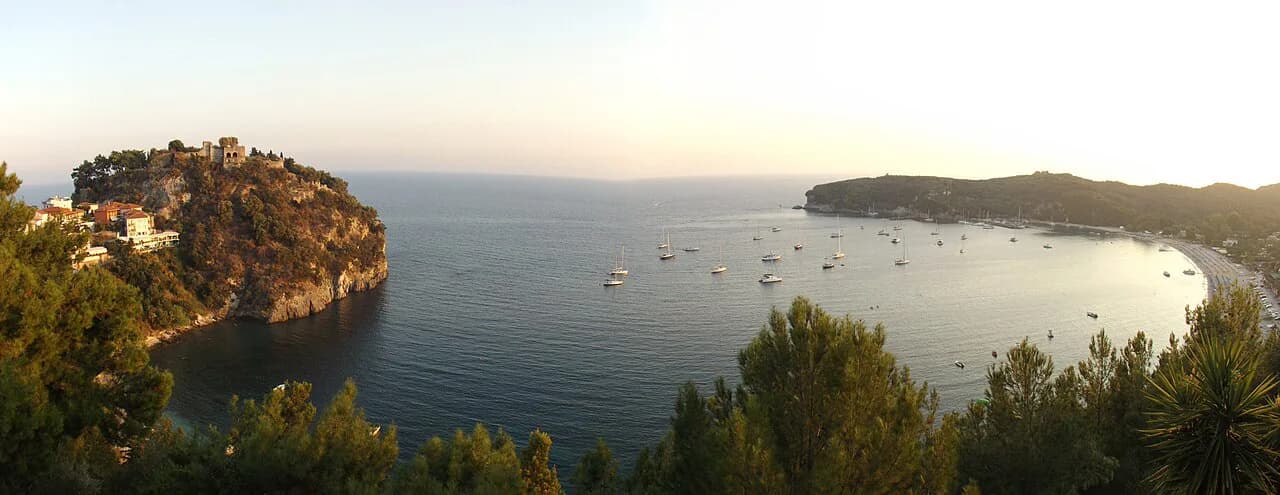
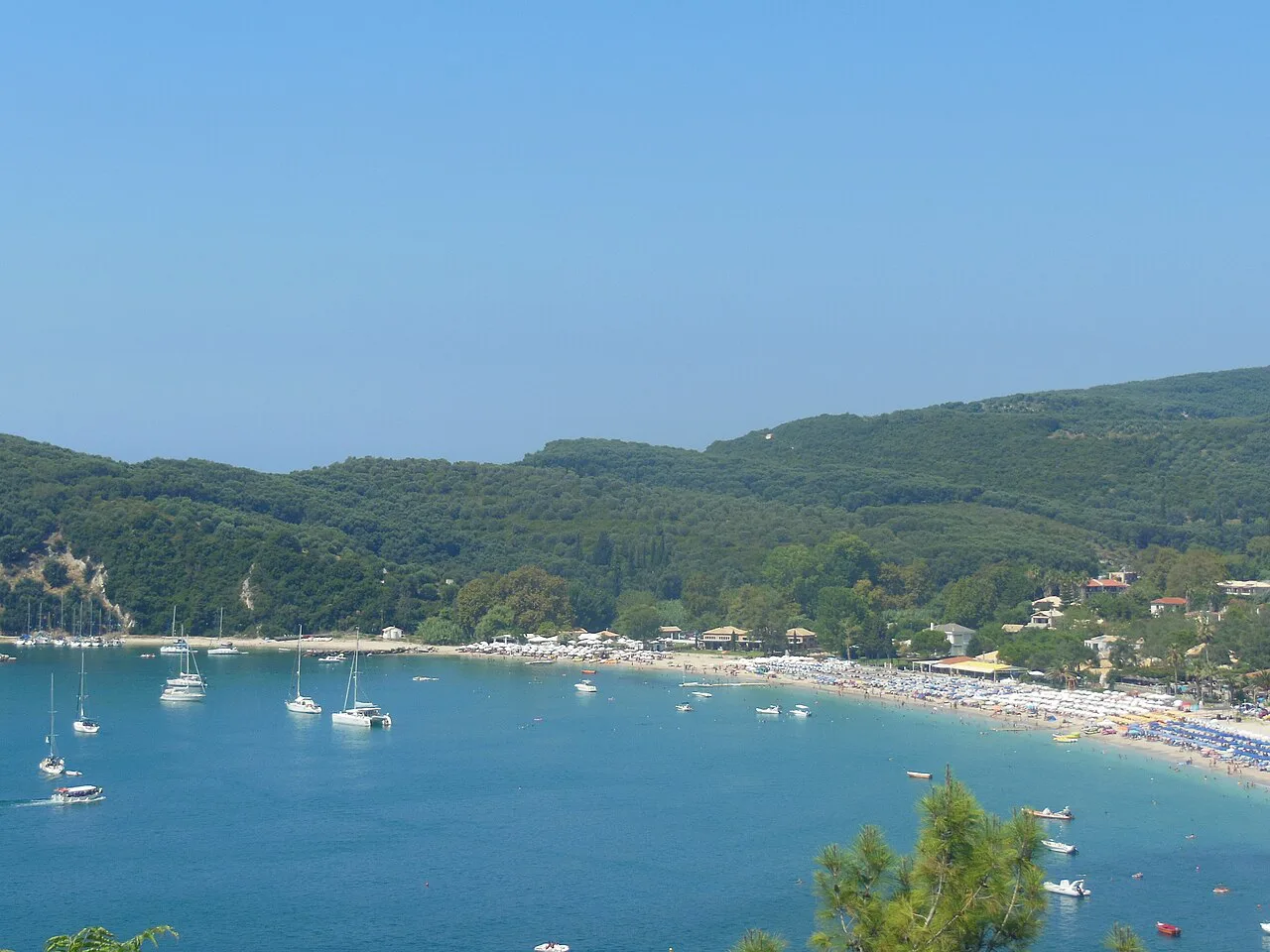
Lichnos beach, about 60 km from Preveza town, is a favourite in the wider region and worth the drive for a change of scene. Closer in, the long beaches of Ligia, Vrachos and Loutsa are popular and easy to add to a coastal drive. For a different coastline altogether, the Parga beaches south along the coast make a natural second beach day, and the Ionian Islands are within reach for a longer trip. If you are weighing up another Ionian stop, our guide to the best beaches in Kefalonia covers the same kind of coast-by-coast decision.
Where to eat after the beach
Preveza town is the place to eat afterwards: tavernas with outdoor tables line the winding alleys, serving fresh fish, sardines, mezedes and the local petali-style white fish. Amvrosios, Gafas, Treli Garida and Psatha are among the names to look for, and Saitan Bazaar offers a modern tavern in a flower-filled square. Five minutes by car from town, Agios Thomas adds simple fresh fish at good value.
Dogs on the beach: what the Preveza coast allows
If you are bringing a dog from Parga, the beaches described in this guide are organised to different degrees, and that shapes how you plan a day. Monolithi, the longest sandy beach in Europe at over 20 kilometers, and Kanali both have beach bars and sunbeds along the coast, with food and drinks provided handily; Lygia is described as a tranquil cove away from crowds, and Artolithia consists of small rocky coves whose rocks create natural pools with transparent waters. Arriving early gives you the widest choice of space before the organised stretches fill up, and on Monolithi the sheer length of sand means you can walk on past the bars if you want quieter ground.
Alonaki Fanariou, near the archaeological site of Nekromanteion, is worth the extra effort to locate for its golden sand and shallow waters, and Alonaki beach with its impressive setting is a must-visit. Both are reached by road rather than on foot from Preveza town. Access to the coast by car runs on the Egnatia Odos from northern Greece and the Ionia Odos from Athens, Aktion Airport sits just 10 minutes from the city center, and regular KTEL bus routes serve most beaches — useful if you are working out how to reach the sand without a car.
Practical kit matters here: most beaches are organised, but it is advisable to bring water and sunscreen with you. The same applies to a dog — carry your own water rather than relying on the beach bars, and note that on Artolithia the rocky coves and natural pools mean footing is uneven, so keep the dog close on the rocks. After the swim, tavernas along the coast serve fresh seafood, and in Preveza they cook big white fish in a specific way called “petali”, opening up the fish and cooking it.
Plan Your Beach Day
Choose Monolithi or Kanali for long sand, bars and sunsets; Lygia for a quieter family cove; and Alonaki Fanariou or Artolithia for shallow water, rocks and snorkelling. Whichever you pick, go early in high summer, carry shade and water, and keep an eye on children where the water deepens quickly.
For bus times and any seasonal changes to beach services, contact the local KTEL office or the Preveza tourist office before you travel. Pair your beach day with an evening on the town promenade for the easiest version of a Preveza summer.
Frequently Asked Questions
Is Preveza worth visiting for its beaches?
Yes, if you want variety within a short drive: long sandy runs at Monolithi and Kanali with bars and sunbeds, quieter coves at Lygia, and rocky, shallow-water spots near Fanari. It suits families, swimmers and snorkellers rather than anyone seeking a single resort beach.
Which Preveza beach is best for families?
Alonaki Fanariou, near the Nekromanteion, is the standout for young children thanks to its golden sand and shallow water. Lygia is a good alternative for a smaller, calmer cove, while families with older children often prefer the facilities at Monolithi and Kanali.
How do you get to Monolithi and Kanali without a car?
KTEL bus routes serve most of the beaches along the coast, so a car-free day is possible if you travel on the published timetable. Aktion Airport is about ten minutes from Preveza centre if you are arriving by air.
What is the water like at Alonaki Fanariou?
The water is shallow close to the sand, which makes it gentle for children, and clear over the rocky edges where snorkellers find more interest. The setting is rockier and more dramatic than the long northern sands.
Which Preveza beaches have beach bars and sunbeds?
Monolithi and Kanali have the most organised stretches, with beach bars renting sunbeds and serving food and drinks. Elsewhere along the same coast you can walk a few minutes to find quieter sand away from the bars.
When is the best time to visit Preveza's beaches?
July and August are the hottest and busiest months, so start early and carry shade and water. The shoulder months either side are more comfortable and still good for swimming and coastal walks.
Sources
Beach notes for your next trip
Optional updates when we add or revise beach guides.
You might also like
Continue reading
More guides you'll find useful