Punta Secca Beach, Sicily: A Sandy Montalbano Coast Guide
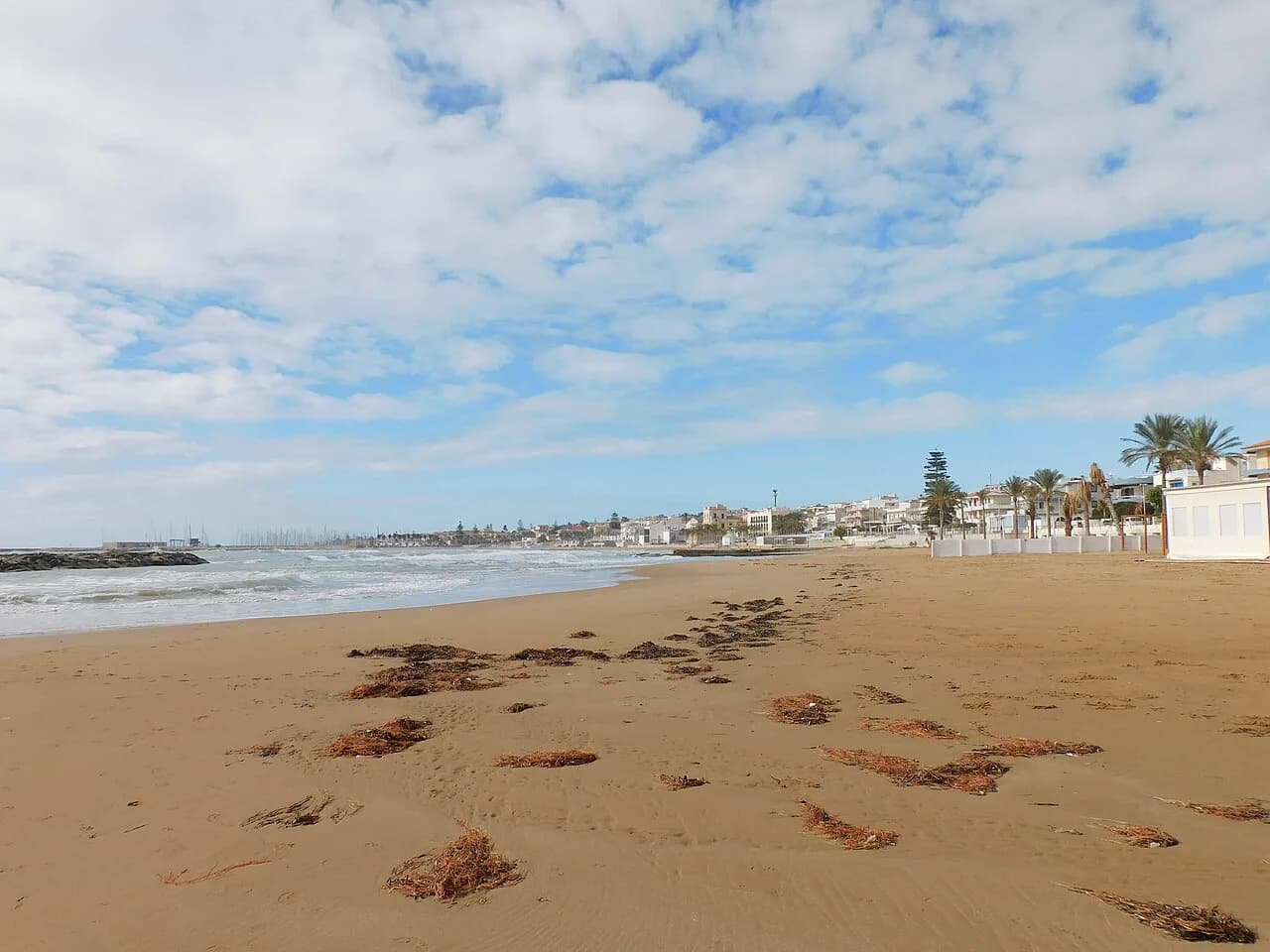
Punta Secca beach is a fine golden sandy stretch near Santa Croce Camerina, with shallow water and an easy-going village behind it. Here is how to plan a day.
On this page
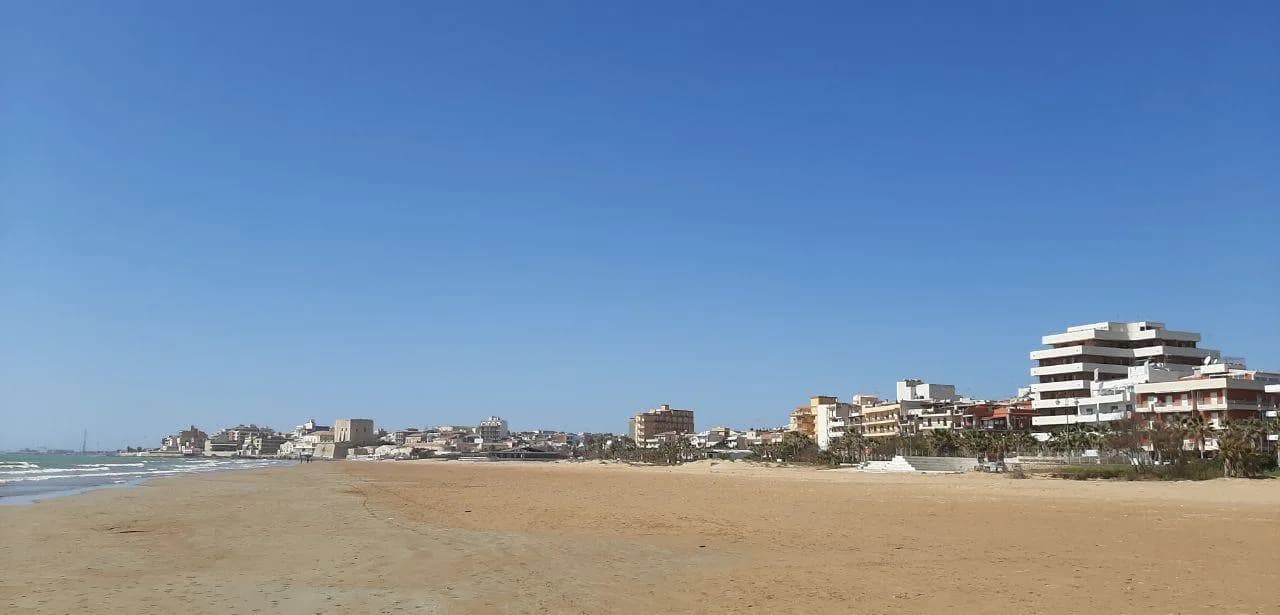
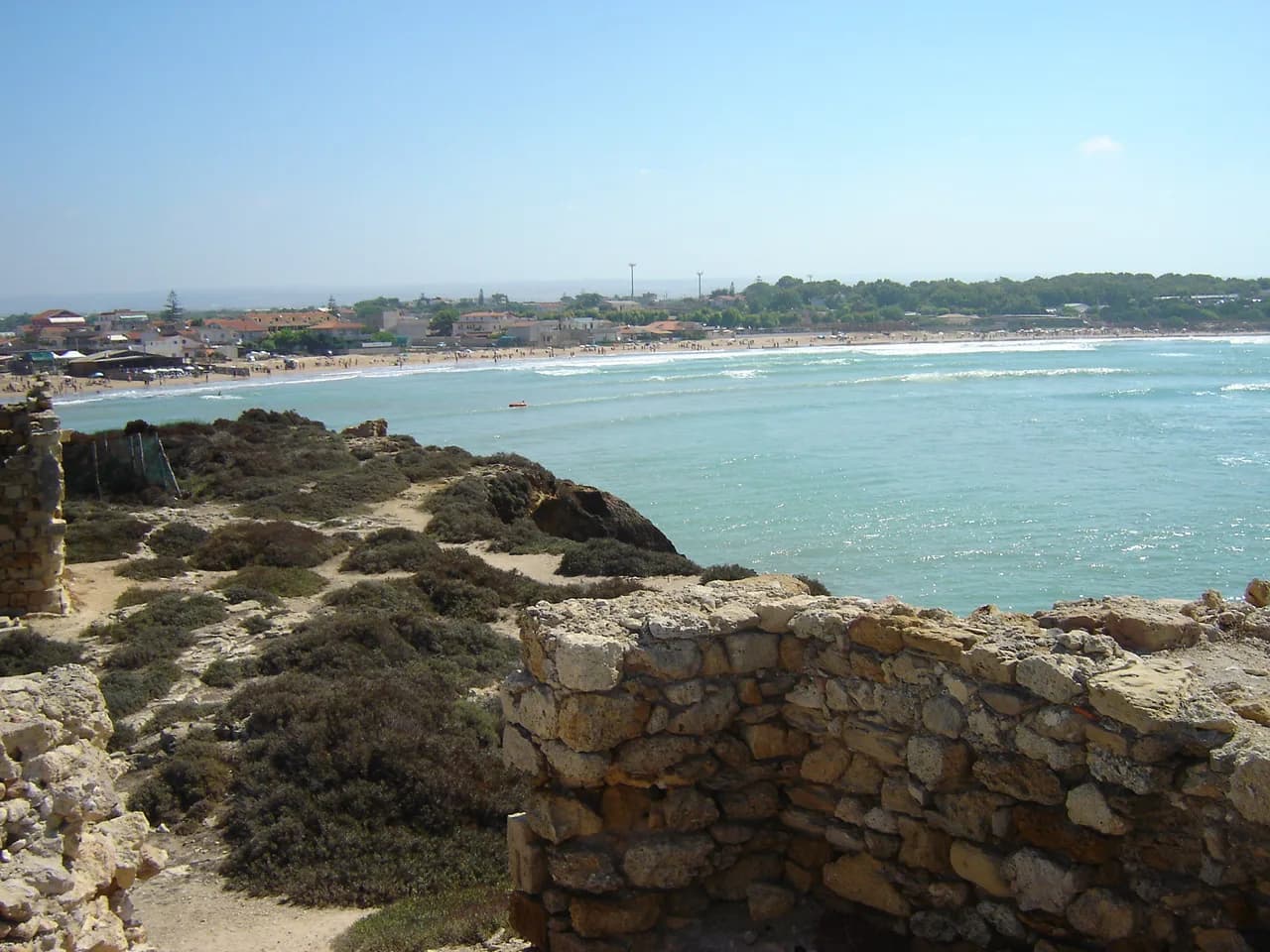
Punta Secca is the kind of Sicilian beach day that works without much planning: fine golden sand, shallow water that shelves gently, and a village of low houses, fishing boats and a lighthouse a few steps behind the shoreline. It suits families with small children, swimmers who prefer a long paddle to a plunge, and anyone who wants the Inspector Montalbano filming locations woven into an ordinary afternoon by the sea.
The beach sits at Santa Croce Camerina in the province of Ragusa, on Sicily's south-eastern coast, with the UNESCO-listed Baroque towns of Ragusa, Modica and Scicli within easy reach for a combined beach-and-culture trip. Read on for where to base yourself, how the sand and water behave, and which neighbouring resorts are worth adding to the same day.
Where the Beach Sits: The Village, the Lighthouse and the Santa Croce Camerina Coast
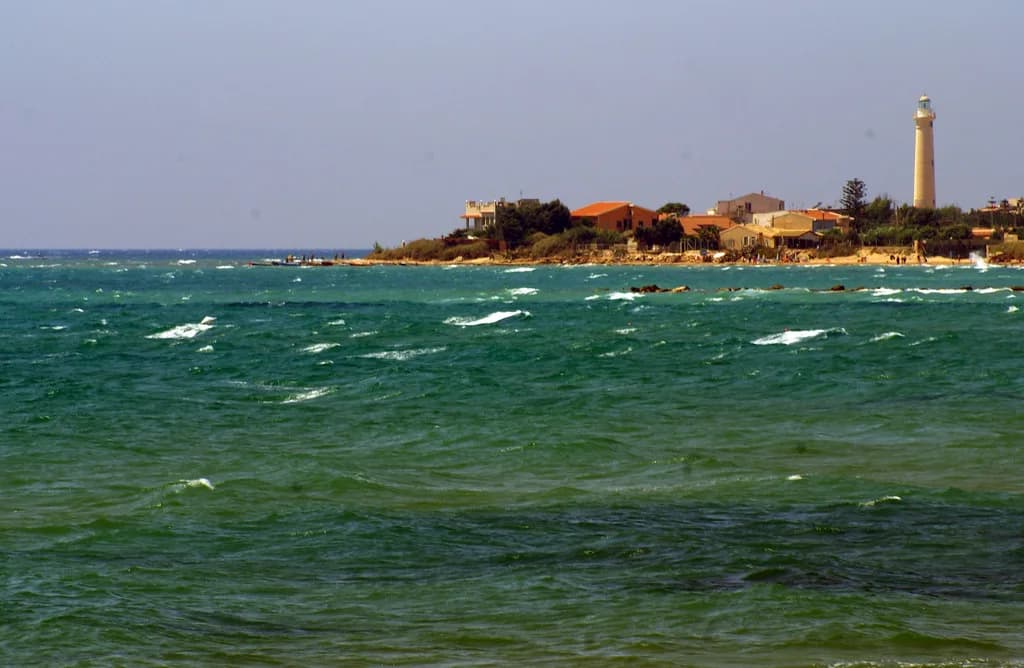
Punta Secca is a frazione of Santa Croce Camerina, a small coastal village with a lighthouse at its centre and a waterfront that stays low-rise and village-scaled rather than resort-styled. The sand begins right behind the seafront, so you can walk out of the lanes and onto the beach without a drive between the two.
The wider sandy run is the reason to choose this stretch over a compact village cove: the beach extends for about 6 km from Santa Croce Camerina, so you can walk away from the busiest patch by the lighthouse and find quieter sand within minutes. That length also means the character changes along the coast, with the village-centre beach busy and social and the outer stretches emptier.
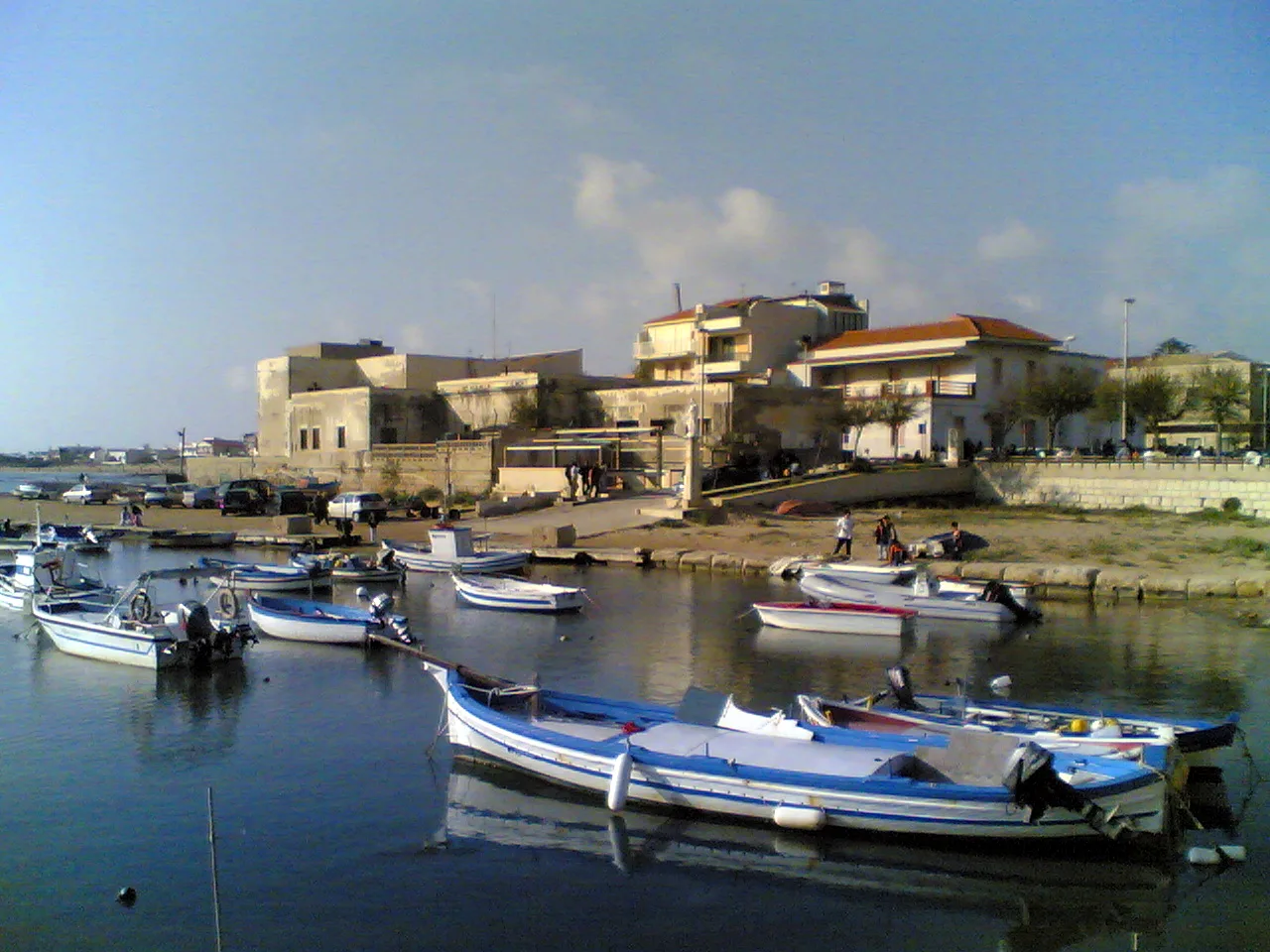
For fans of the television series, the village is the draw as much as the sand: the lighthouse and the waterfront house used as Montalbano's home are the landmarks people come to see, and both sit within a short stroll of the beach. The historic towns of Ragusa and Scicli make a natural second half of the day if the weather turns or you want Baroque architecture after lunch.
Getting There from Ragusa, Marina di Ragusa and Catania Airport
Most British travellers arrive through Catania Fontanarossa Airport, which is roughly 120 km from Punta Secca and takes about 1 hour 30 minutes to 2 hours by car depending on traffic. A pre-booked private transfer from the airport is quoted at around 1 hour 40 minutes, which is a sensible option if you would rather not drive on arrival day.
Ragusa railway station is about 30 km inland from the beach, a drive or bus ride of roughly 40 to 50 minutes, so Punta Secca is a car or bus trip rather than a walk from town. Treat the station as your rail gateway to the region and plan the final leg by road.
From the nearby resort of Marina di Ragusa the village is a short coastal drive, which makes it a practical base if you want a bigger choice of restaurants and a longer seafront. Staying in Punta Secca itself puts the sand, the lighthouse and the waterfront within walking distance, a trade-off worth weighing against the wider amenity of the larger resort. Marina di Ragusa is also covered in the wider guide to Ragusa beaches if you are comparing bases.
The Sand and the Water: Shallow, Gently Shelving Shoreline
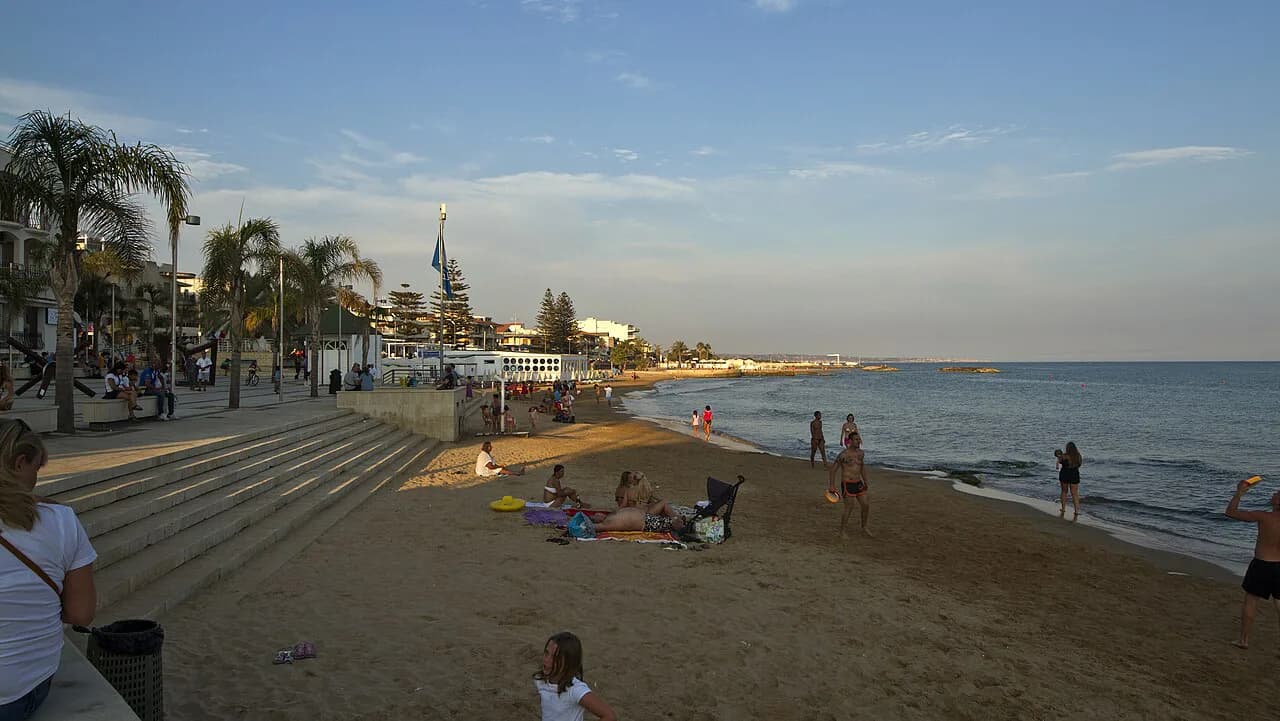
The beach is fine golden sand with shallow water, as the coast here is described, and the sea deepens gradually enough that small children can paddle a good distance out. That gentleness is the main reason families choose this stretch over the rockier coves further east, though it also means swimmers who like depth need to walk out further.
The water off Punta Secca is described as clear blue, and the sandy bed means no rocky entry underfoot at the main village beach.
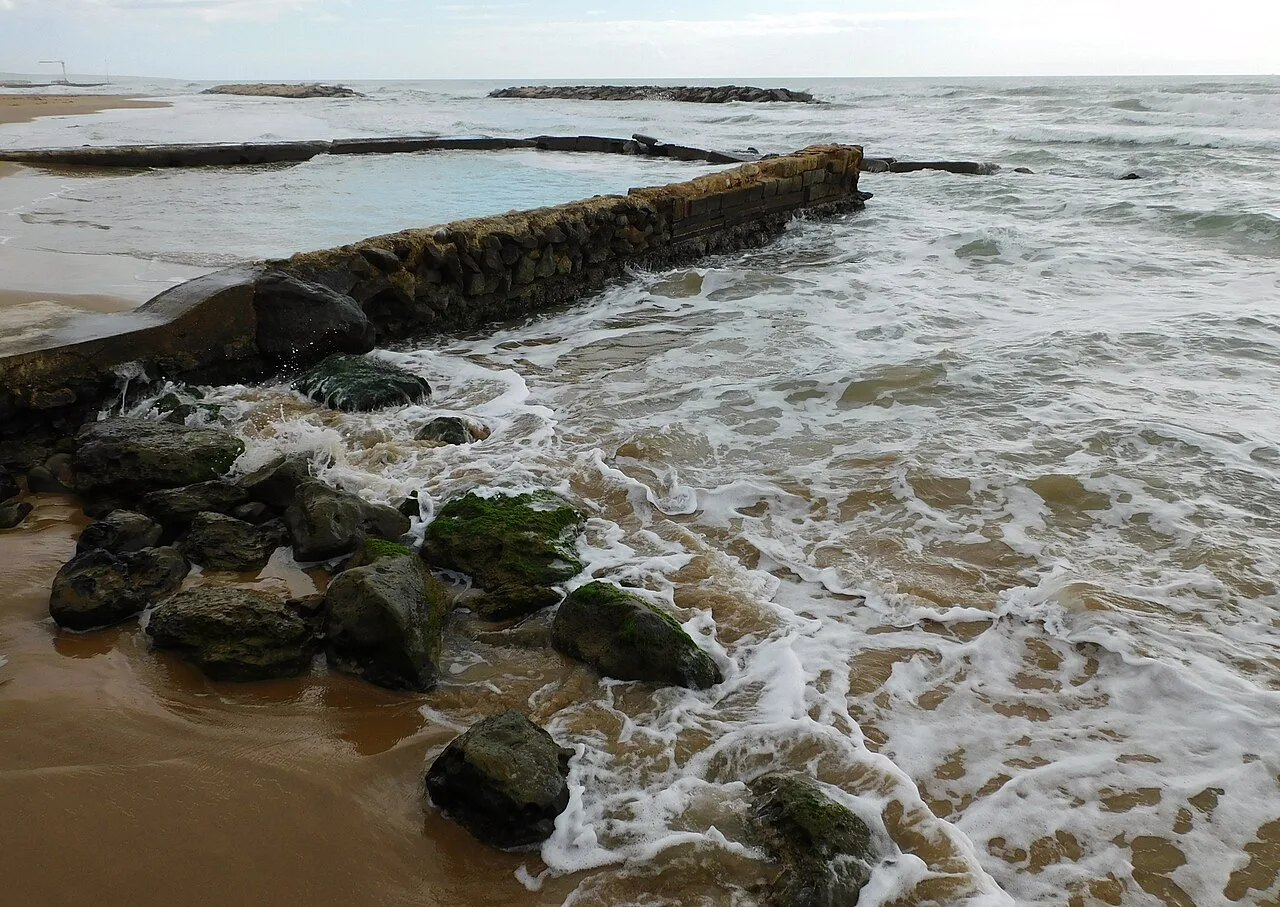
Sea conditions change with the weather, so read the flag and the local forecast on the day rather than assuming a flat sea. The southern coast is exposed to swell from certain directions, and the shallow gradient that makes the beach family-friendly also means waves can push further up the sand than you might expect.
Wind, Shelter and How Crowded It Gets in High Summer
The village-centre beach in front of the lighthouse is the busiest section in July and August, when Sicilian families and day-trippers from Ragusa and Marina di Ragusa arrive in numbers. Walk a little further along the sand from the lighthouse for more space, and choose your spot according to where the breeze is coming from rather than any fixed rule.
Shelter on a long, open beach like this comes from the village itself: the lanes and low buildings behind the seafront give some relief in the middle of the day, and the cafes around the piazza are a reasonable retreat when the sun is at its strongest. The surrounding countryside of olive groves and vineyards is worth exploring by bicycle if you want a break from the sand.
High summer is also peak season for the village's trattorias and seafront restaurants, which specialise in fresh seafood and Sicilian cooking, so book or eat early if you want a table with a sea view. Outside July and August the beach empties considerably and the village returns to its quiet, fishing-hamlet rhythm.
Facilities, Beach Bars and the Seafront Promenade
Punta Secca's facilities are village-scale rather than lido-scale: the seafront promenade runs along the beach with restaurants and cafes facing the water, including places specialising in grilled fish, seafood pasta and wood-fired pizza. That makes it easy to combine a morning on the sand with a proper sit-down lunch without moving the car.
Accommodation in the village ranges from beachfront apartments to small hotels within walking distance of the sea, which suits travellers who want to leave the car parked for the length of their stay. If you prefer a pool and a larger choice of amenities, the resorts along this coast offer that alternative a short drive away.
Best Time to Go
The sea is at its most comfortable from late June through September, with August the busiest month on this coast and the village beach at its fullest. Late June and early September give you warm water with noticeably thinner crowds, and May and October suit walkers and sightseers more than swimmers.
Sicily's south-eastern coast gets hot in high summer, so plan beach time for the morning and late afternoon and use the middle of the day for the Baroque towns of Ragusa, Modica and Scicli, which are UNESCO-listed and a natural rainy-day or heat-avoidance option.
Nearby Beaches to Combine
Marina di Ragusa, Donnalucata, Cava d'Aliga and Sampieri all sit along the same stretch of coast and are easy to pair with Punta Secca, giving you a few different beach characters within a short drive. Use Punta Secca for the shallow family swim and the village lunch, then move on for a change of scene in the afternoon.
Cava d'Aliga is a small resort with a sandy bay of its own, and it works well as a second stop on a coastal drive back towards Scicli. For a fuller comparison of the sands, towns and access along this coastline, work through the Ragusa beaches guide before you fix your base. If you are weighing up a different stretch of the island altogether, the best beaches in Trapani offer a western-coast contrast to these south-eastern sands.
If your trip continues further south towards Pozzallo, the beaches around that port town make a logical next stop on the same coastal road. Plan the driving between stops rather than trying to fit too many beaches into one day, since each village rewards a slow lunch and a walk.
Plan Your Visit
Punta Secca works best as a relaxed beach day with a village attached: shallow golden sand for the children, a lighthouse and Montalbano landmarks for the film fans, and a seafront lined with seafood restaurants for lunch. Base yourself in the village for walkability, or in Marina di Ragusa for more choice, and keep the car for the Baroque towns and neighbouring beaches.
Time your visit for late June or September for warm water with fewer people, and leave the middle of the day free for Ragusa, Modica or Scicli when the sun is at its height. Check the weather and sea conditions on the morning of your beach day before setting out.
Frequently Asked Questions
Is Punta Secca beach sandy?
Yes. The beach at Punta Secca is fine golden sand with shallow water that shelves gently, and the sandy run extends for about 6 km from Santa Croce Camerina. The village-centre stretch in front of the lighthouse is the busiest part, with quieter sand further along the coast.
How do you get to Punta Secca beach?
Most visitors arrive by road. Catania Fontanarossa Airport is roughly 120 km away and about 1 hour 30 minutes to 2 hours by car, and Ragusa railway station is around 30 km inland, a drive or bus ride of roughly 40 to 50 minutes. From Marina di Ragusa it is a short coastal drive.
How far is Punta Secca from Catania Airport?
Catania Fontanarossa Airport is approximately 120 km from Punta Secca, with a published drive time of about 1 hour 30 minutes to 2 hours depending on traffic. A pre-booked private transfer is quoted at around 1 hour 40 minutes.
What is there to do in Punta Secca besides the beach?
The lighthouse and the waterfront house used in Inspector Montalbano are the village's landmarks, and the lanes, piazza and fishing boats are worth a wander. Inland, the UNESCO-listed Baroque towns of Ragusa, Modica and Scicli make an easy half-day trip, and boat or fishing excursions run from the village.
Which other beaches are near Punta Secca?
Marina di Ragusa, Donnalucata, Cava d'Aliga and Sampieri all sit along the same stretch of coast within a short drive. Further south, the beaches around Pozzallo make a logical next stop if you are continuing along the coastal road.
When is the best time to swim at Punta Secca?
The sea is at its most comfortable from late June through September, with August the busiest month on this coast. Late June and early September offer warm water with thinner crowds, while May and October suit walking and sightseeing more than swimming.
Is Punta Secca good for families with small children?
The shallow, gently shelving golden sand is the main draw for families, since children can paddle a good distance out. The village-centre beach is busiest in July and August, so walk a little further along the sand for more space. Read the flag and forecast on the day before swimming.
Sources
Beach notes for your next trip
Optional updates when we add or revise beach guides.
You might also like
Continue reading
More guides you'll find useful