Menorca Sea Temperature by Month: When the Water Is Warm
Menorca's sea is warmest in late summer and still swimmable into autumn. Plan with month-by-month guidance on water temperature, wind and currents.
On this page
Menorca rewards swimmers who time their trip rather than simply booking the hottest week of the year. The island's limestone coast and Posidonia seagrass meadows keep the water remarkably clear, and the shallow southern inlets feel several degrees kinder than the exposed north in the shoulder months. This guide sets out how the sea warms and cools across the year, how Menorca's winds and harbour currents change a swim, and which beaches suit which conditions.
Why Menorca's Water Looks and Feels the Way It Does
Menorca sits on a limestone platform, and fine white sediment from those rocks is what gives the water its pale turquoise look in the shallows. Offshore meadows of Posidonia seagrass filter and settle the water, which is why the southern bays can look almost pool-clear on a still morning. The underwater topography matters as much as the clarity: gently shelving south-coast inlets warm quickly in spring, while deeper water off rocky north-coast headlands stays cooler for longer.
The Swim Season at a Glance
Think of the Menorca swim season as running from late May to late October, with the warmest water in the second half of summer. Air temperatures in summer typically sit between 26°C and 32°C, and regular sea breezes keep the coast bearable even in the hottest weeks. The sea peaks around August and holds its heat well into September and early October, which is why autumn swimmers often find better conditions than the crowds of high summer. If you are weighing the Balearics against the mainland, this is the same seasonal rhythm you can track via the Malaga sea temperature by month, which helps when comparing the two.
By November the picture changes sharply. Historical records for Ciutadella put the average sea temperature at about 19.7°C, with daily readings in recent years ranging from roughly 16.7°C to 23.7°C and neighbouring coves such as Cala Turqueta, Son Saura and Cala Mitjana tracking within a few tenths of a degree. That is refreshing rather than comfortable for most swimmers, and short dips with a wetsuit top are the realistic option.
Spring and Early Summer
Through March, April and May the sea lags behind the air, so warm afternoons on the sand do not mean warm water. Spring air sits roughly between 14°C and 22°C with the Tramuntana possible, and the shallow southern inlets are the first to become genuinely swimmable. Families with small children and anyone who feels the cold should aim for the last week of May onwards and favour south-coast coves that lose heat less overnight.
June and Early July
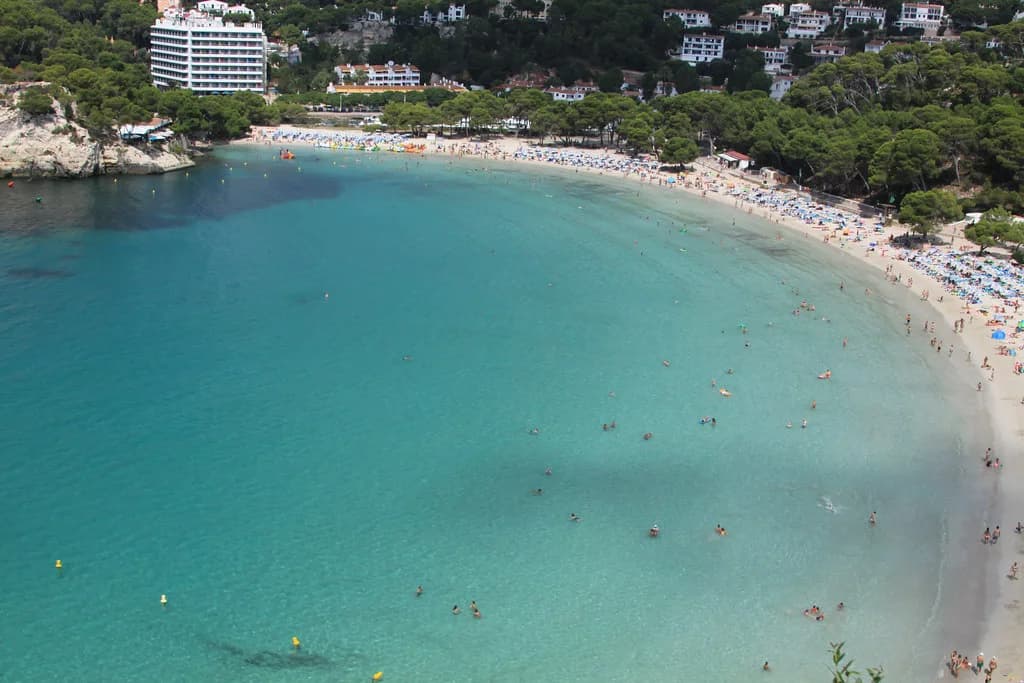
This is the sweet spot for swimmers who want space: the water is fresh but pleasant, and the busiest weeks have not yet arrived. Cala Galdana, with its broad curve and shallow entry, is a good base for mixed-ability groups, and the surrounding cliffs give shade at either end of the day. For a quieter swim, the walk-in coves west of the resort reward an early start before the day-trippers arrive.
Snorkellers get the best of the early season in June, when visibility is high and the seagrass meadows off the south coast are at their clearest. Bring a thin neoprene top for the first swim of the morning and you will stay in far longer than the air temperature suggests.
July and August: The Warmest Sea and the Busiest Beaches
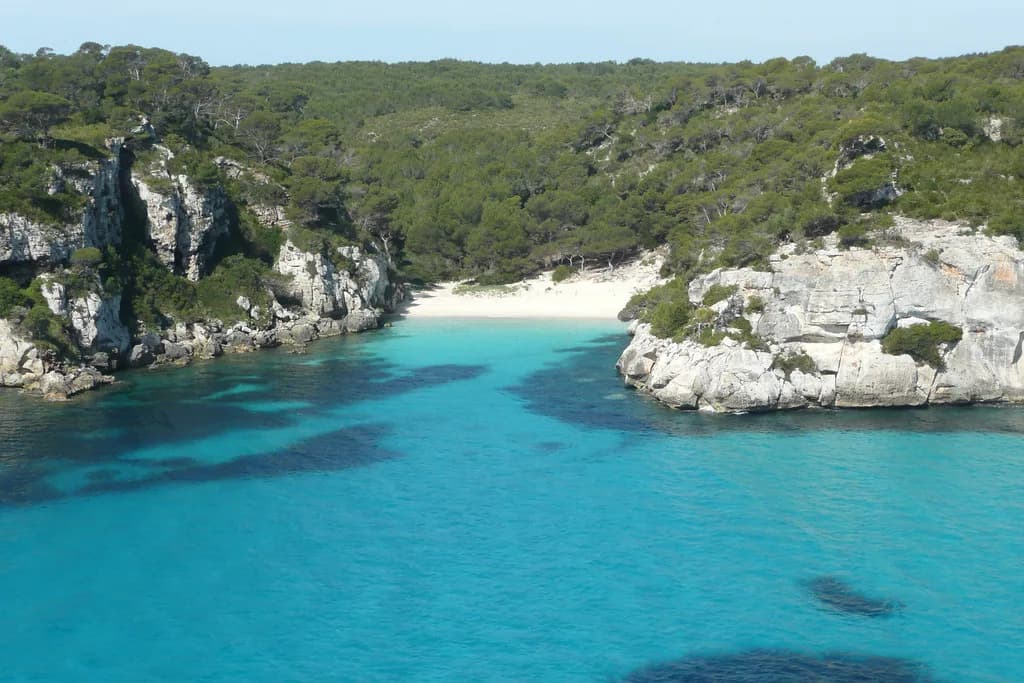
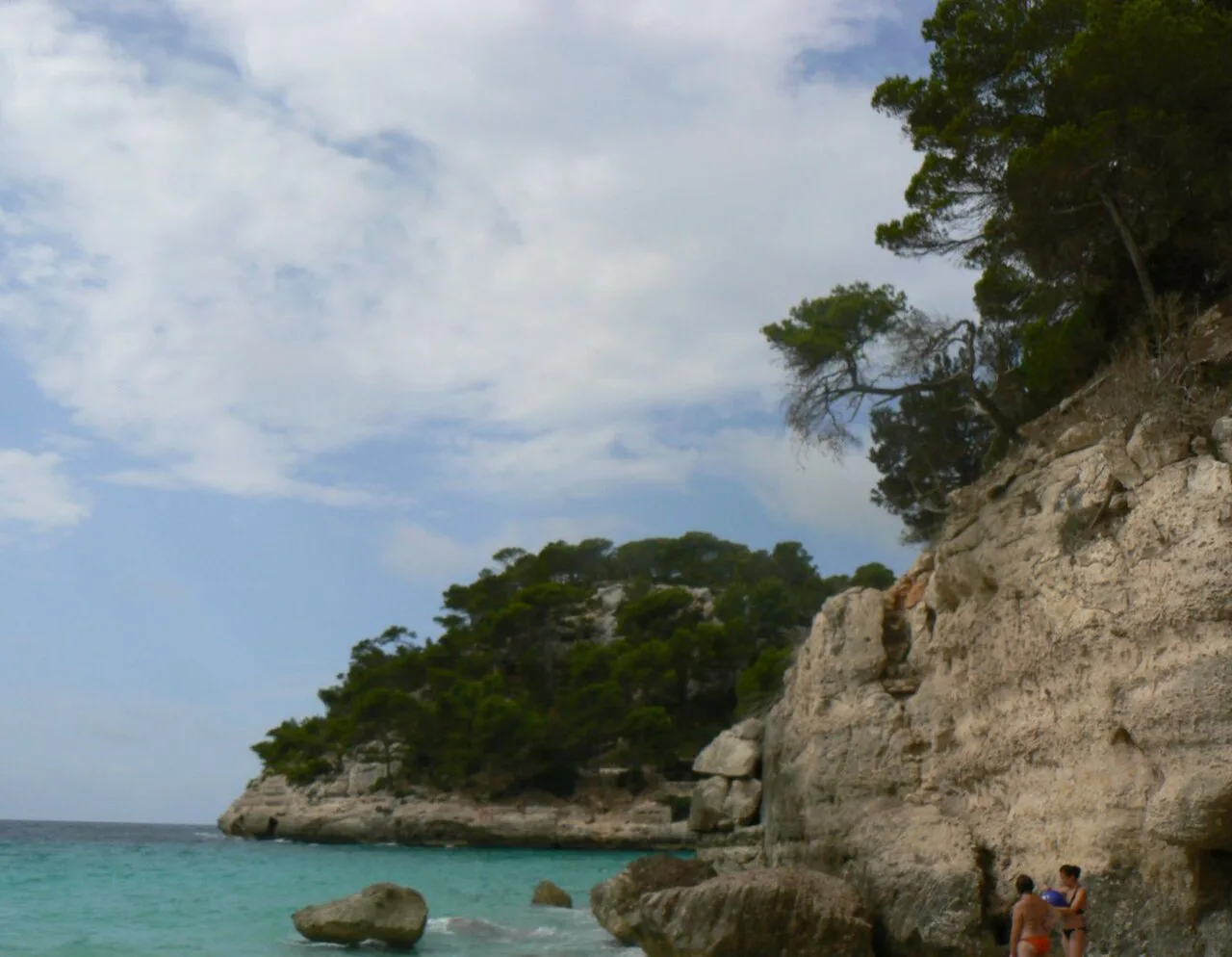
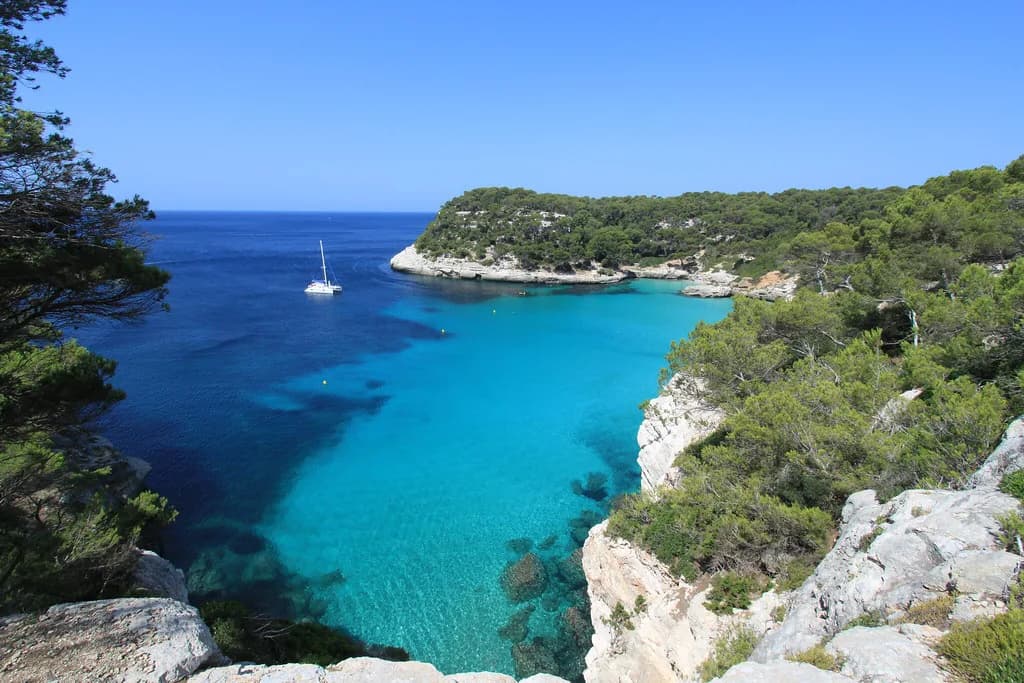
August is when the sea reaches its annual peak width, and it is also when every accessible cove fills early. Plan beach days around an early arrival and a siesta-hour retreat, and save the popular southern inlets for mornings when the water is glassy. Cala Macarella and its smaller neighbour are the classic example of a cove that transforms between dawn and midday, so treat an early swim there as the main event rather than an afterthought.
The heat is moderated by the same sea breeze that ruffles the surface in the afternoon, so the warmest water often coincides with the choppiest conditions. Swimmers who prefer flat water should go before 11am; those who like a little movement will find the afternoon more interesting. Keep an eye on flags at any beach you visit.
September and October: The Best Window for Swimmers
Once the school holidays end, the sea is still holding most of its summer heat and the beaches empty out. September and early October combine warm water with cooler air, which makes long swims comfortable and sunbathing less punishing. Autumn storms become possible from late September, so build flexibility into your plan and treat the calm days as the ones to prioritise.
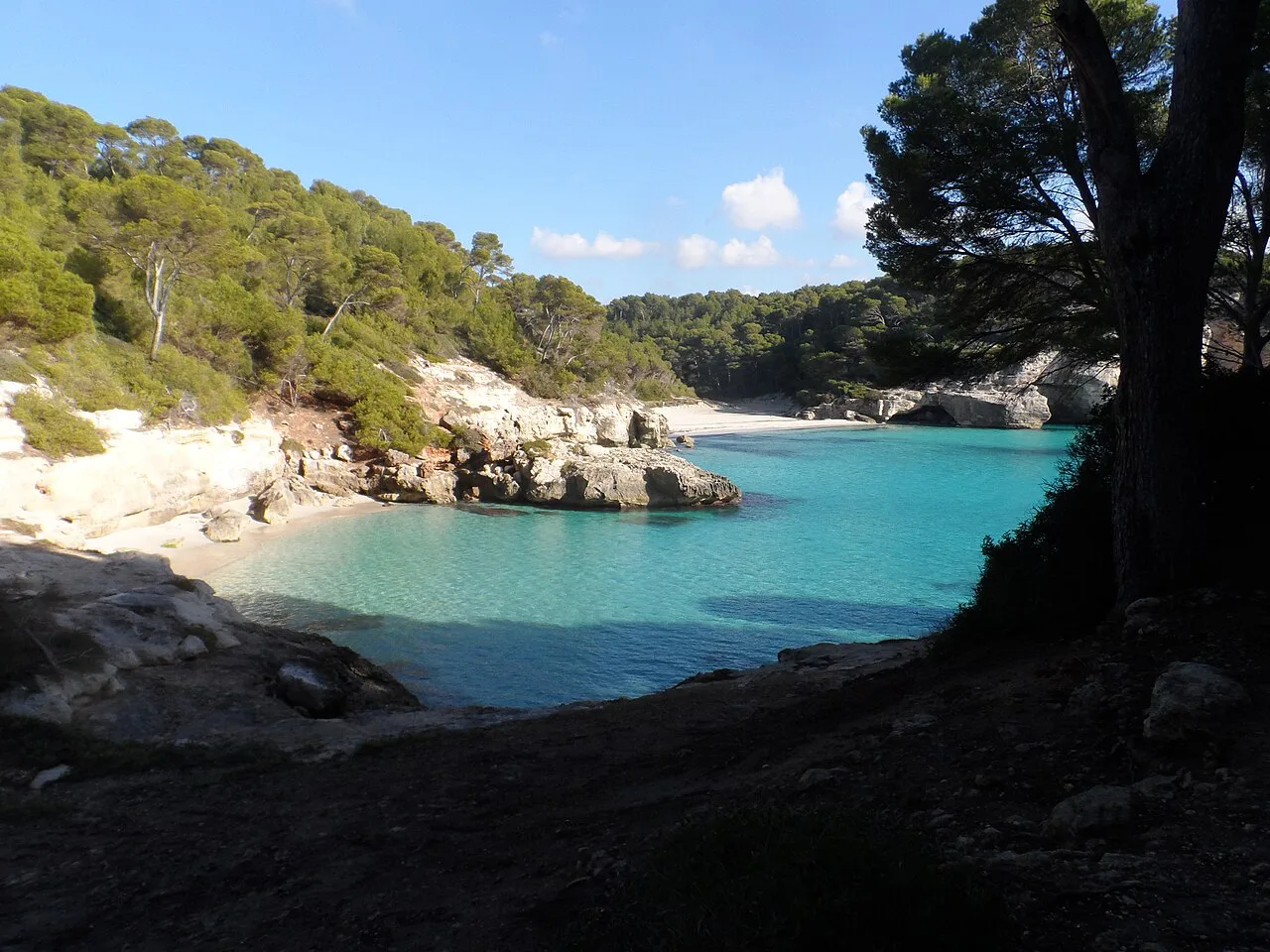
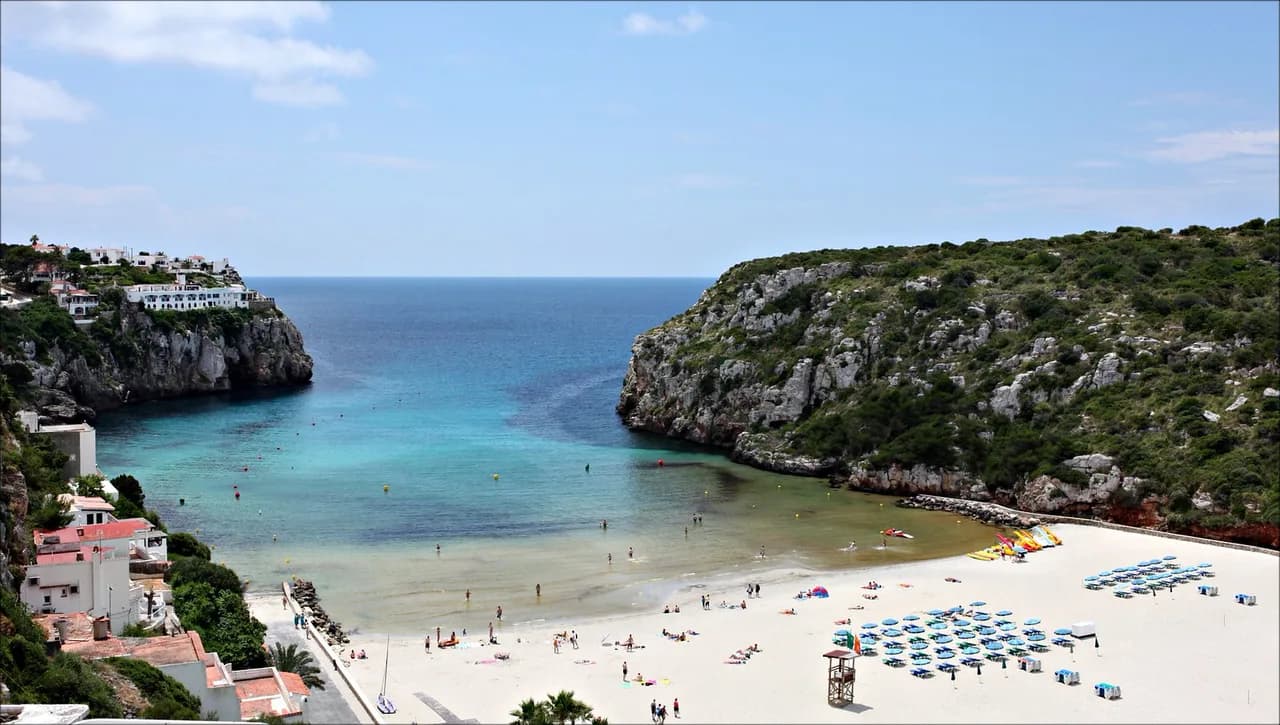
This is the season for the south-coast inlets that stay calm in settled weather, and for returning to a favourite cove without the summer scrum. Cala en Porter, with its sheltered curve and easy access from the resort above, works well when the breeze picks up in the afternoon.
Swimming Outside the Season
From November to April the sea is cold enough that most visitors will only want a brief dip, and the payoff is empty beaches and clear light. Historical November data shows the water at Ciutadella averaging around 19.7°C, dropping through December and staying cold until spring. If you swim then, go in the middle of the day, keep it short, and bring a proper wetsuit top rather than relying on a rash vest.
The Tramuntana Wind and Other Weather Patterns
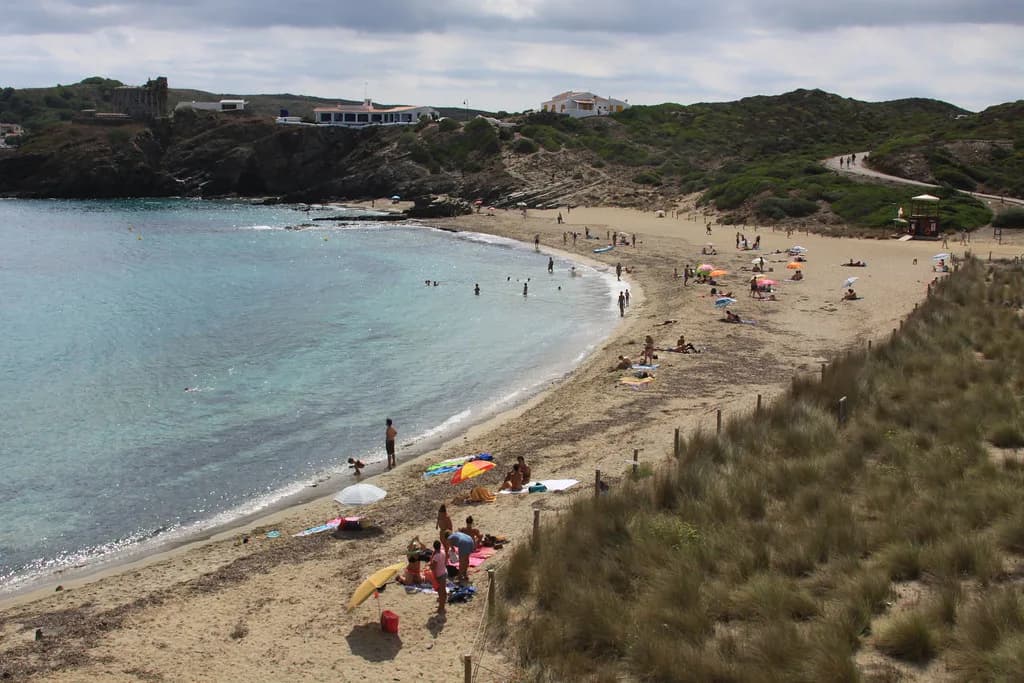
Menorca's most distinctive wind is the Tramuntana, blowing from the north off mainland Catalonia. It can reach 60–100 km/h and dramatically cools the island, and while it occurs mainly in winter and spring it can blow in summer too. When it is up, the north-coast beaches such as Cala Pregonda and Cavalleria take the brunt and the south-coast bays are the sensible choice.
In summer the dominant pattern is gentler: a thermal sea breeze that builds through the afternoon and drops at dusk. It makes the south coast pleasant rather than stifling, but it can also whip up a chop on exposed stretches. Read the morning sky and the flag before committing to a long swim.
Tides, Currents and the Rissaga
Menorca's tidal range is modest, so the water level changes less than visitors from the Atlantic expect. The more noticeable movement is the rissaga, a seiche that sends harbour water surging and draining with little warning, most often in Ciutadella and Maó. It is fascinating to watch from the quay and a reason to keep clear of moored boats and harbour steps when the water starts moving oddly.
Along the open coast, currents tend to follow the wind, so a day of onshore breeze can produce a drift along the beach by late afternoon. Choose a spot with other swimmers and a lifeguard flag if you are unsure, and swim parallel to the shore rather than out to sea.
Which Bays Warm First and Stay Calm
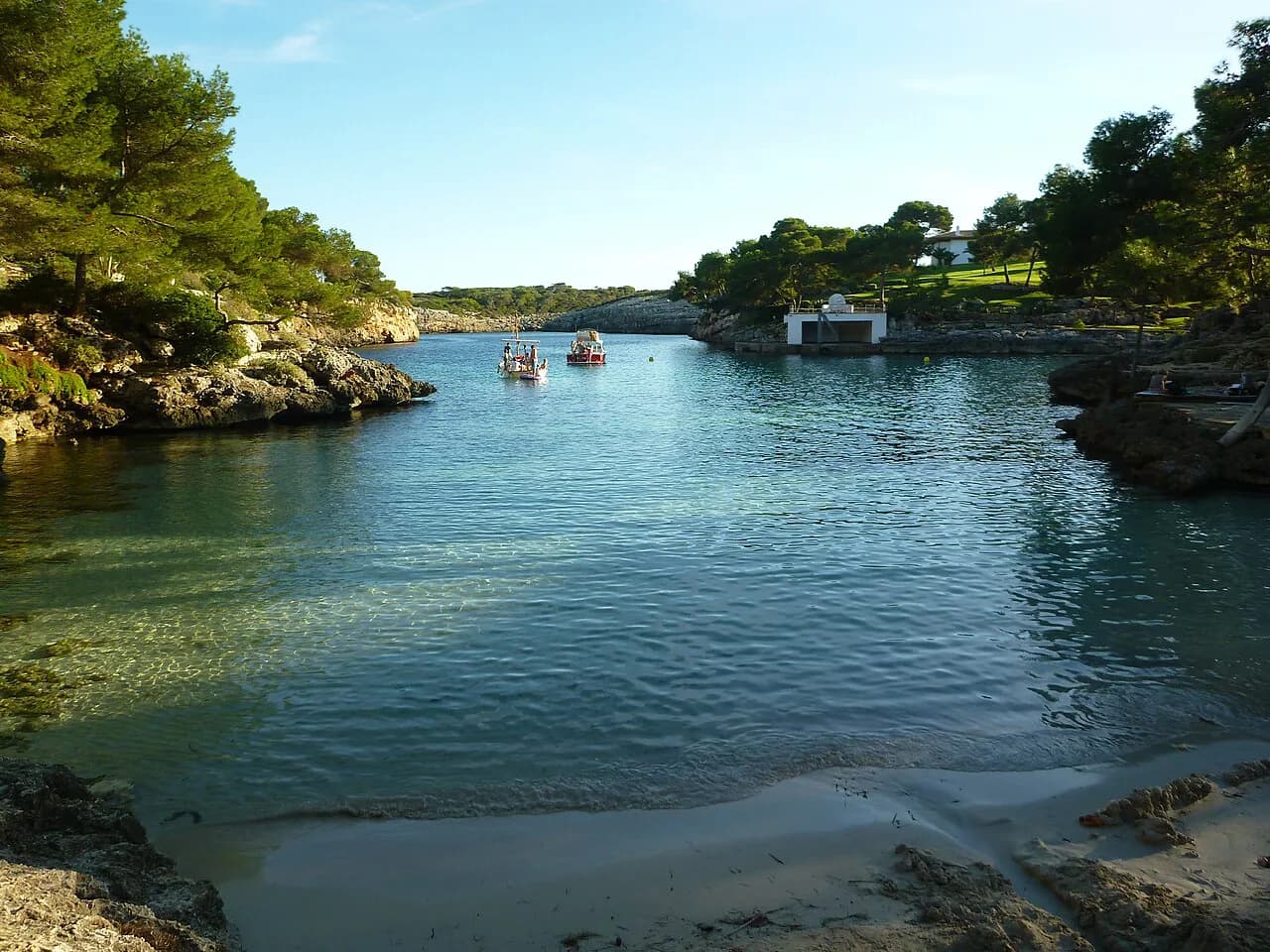
Shallow, enclosed south-coast inlets warm soonest in spring and hold their heat longest in autumn, which makes them the default for early and late-season swims. North-coast beaches are more dramatic, with rockier entries and bigger swells, and they are the ones to avoid when the Tramuntana is forecast. As a rule, the further west and more enclosed the cove, the calmer the water.
Cala Morell, on the north-west coast, is a good example of a cove that looks sheltered but feels the northern swell when the wind turns. Check the forecast before committing to a north-coast day, and keep a south-coast alternative in mind.
What to Pack for a Menorca Swim
For July and August, a swimsuit, rash vest and high-factor sun cream cover most needs, with reef-safe formulas preferred around the seagrass. In June, September and October add a thin neoprene top or a lightweight wetsuit short, plus a towel that dries quickly and a windproof layer for the evening. A pair of reef shoes helps on the rockier north-coast entries.
Nearby Beaches to Combine With a Swim
Pair a morning at Cala Galdana with the cliff path west towards the smaller coves, or base yourself at Cala en Porter and explore the south-east coast on quieter days. For a change of scene, Punta Prima offers a longer beach and easier access from the resort, while the northern coves reward those willing to drive and walk.
Plan Your Swim
Use the season rather than a single number to plan: late May to early July for fresh water and space, August for the warmest sea, and September into October for the best balance of temperature and quiet. Match your coast to the wind, favour shallow southern inlets in the shoulder months, and keep a wetsuit top in the bag for early mornings and autumn dips.
Frequently Asked Questions
When is the sea warmest in Menorca?
The sea reaches its annual peak around August, when summer air temperatures typically sit between 26°C and 32°C and the water has had months to warm. Warm conditions usually continue into September and early October, which is why autumn is popular with swimmers who prefer fewer crowds.
Can you swim in Menorca in November?
Yes, but it is a short dip rather than a comfortable swim for most people. Historical records for Ciutadella put the average November sea temperature at about 19.7°C, with readings ranging from roughly 16.7°C to 23.7°C in recent years, so a wetsuit top makes sense.
Is the sea warmer on the south coast of Menorca than the north?
Generally yes. The shallow, enclosed southern inlets warm sooner in spring and hold their heat longer in autumn, while exposed north-coast beaches feel the northern swell and the cooling effect of the Tramuntana wind.
How does the Tramuntana wind affect swimming?
The Tramuntana blows from the north and can reach 60–100 km/h, cooling the island dramatically. It occurs mainly in winter and spring but can blow in summer, and when it does, the north-coast beaches become rough while the south-coast bays stay more sheltered.
What is a rissaga in Menorca?
A rissaga is a seiche, a sudden surge and drain of water in enclosed harbours, most often seen at Ciutadella and Maó. It is a spectacle to watch from the quay, but keep clear of harbour steps and moored boats while the water is moving.
Should I bring a wetsuit to Menorca?
For July and August a swimsuit and rash vest are usually enough. In June, September, October and November a thin neoprene top or wetsuit short makes early-morning and autumn swims far more comfortable, and reef shoes help on rocky north-coast entries.
Sources
Beach notes for your next trip
Optional updates when we add or revise beach guides.
You might also like
Continue reading
More guides you'll find useful