Cala Pregonda, Menorca: Walk-In, Parking and What to Expect
Cala Pregonda is Menorca's copper-sand beach reached on foot from Binimel·là. Plan the 40-minute walk, the rough car park track and boat trips from Fornells.
On this page
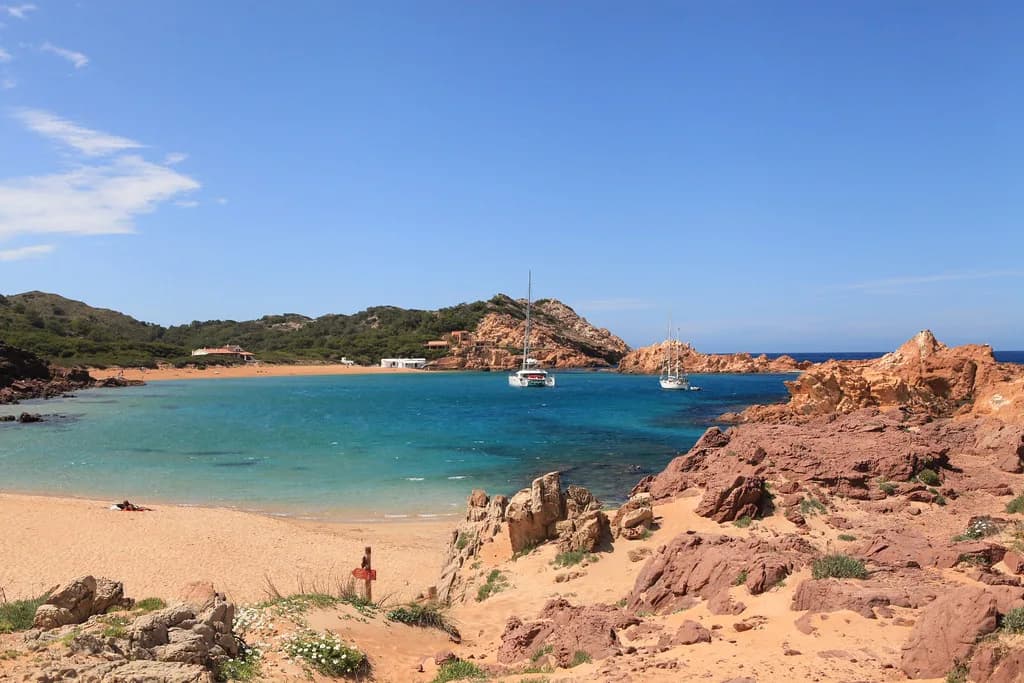
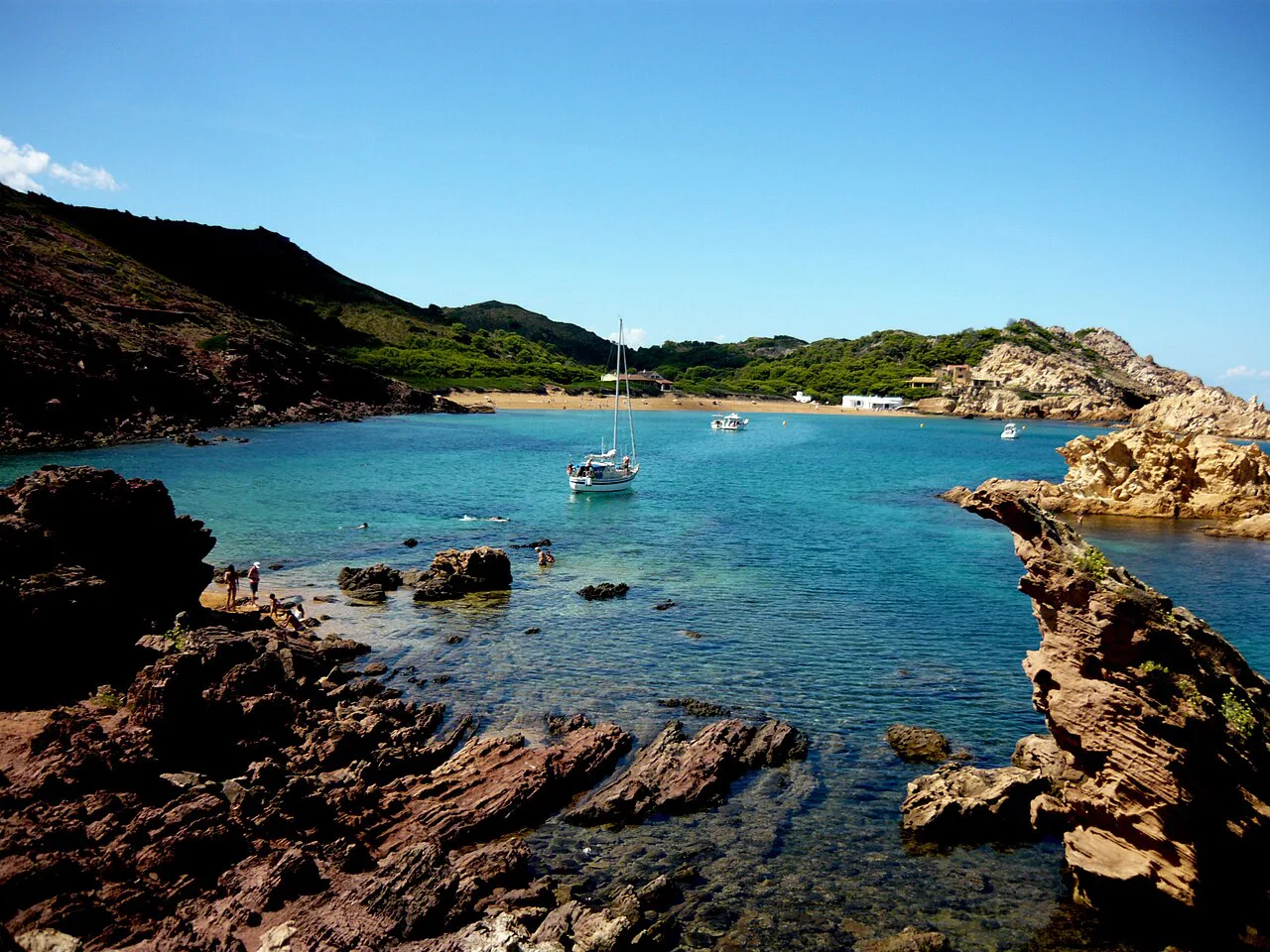
Cala Pregonda earns its reputation the hard way: no road reaches the sand, so everyone who arrives has either walked the Camí de Cavalls or stepped off a boat. The reward is a rust-coloured beach with clear water and rocky islets offshore, backed by low dunes and scrub rather than a promenade. It suits walkers, swimmers and snorkellers who would rather carry a day's kit than share a bay with a lido.
The beach sits on Menorca's north coast in the Es Mercadal municipality, with Fornells the nearest town and the usual starting point for boat trips. Pregonda is not one beach but the longest stretch in a bay of small coves, and the walk in passes several of them. If you want the fuller picture of how this coast compares with the island's southern resorts, the Menorca beaches guide sets out the alternatives. Looking further afield, the best beaches in Sóller offer a similar pattern of coves reached on foot, with Mallorca's north coast as the comparison.
Where Cala Pregonda sits
The bay opens off the Cavalleria cape road north of Fornells, and the sand is sheltered by rocky headlands on both sides. Approach from the south along the Camí de Cavalls and you pass Platja Binimel·là first, then Cala Morts and the small cove of Son Nadal before the red sand of S'Alairó appears. Pregonda proper lies beyond a short climb to a viewpoint, dropping down to the longest beach in the bay.
Treat the whole bay as one outing rather than a single swim stop. S'Alairó has a broad expanse of rust-hued sand and easy access to the shallow turquoise pools at Son Mercaduret, while Pregonda itself gives the longest shoreline and the clearest line out to the islets. The trade-off is simple: the further you walk, the fewer people you share the sand with.
Getting there by car
Drive from Fornells along a narrow country road walled with dry stone, then turn onto a rough, potholed track that leads down to the car park above Platja Binimel·là. Passing places on the lane are scarce, so take the tight sections slowly when traffic comes the other way; the same road serves drivers heading for Cavalleria lighthouse. The car park itself is unpaved, unmarked and free, with room for well over 150 cars and a separate space for scooters.
Arrive early in summer. The car park fills quickly and cars spill back along the track, which can leave you several minutes' walk from the start of the path before you have begun the hike. Park tight and square so the spaces keep working for everyone behind you, and bring water for the trail from the outset rather than leaving it in the boot.
Getting there on foot
From the car park, a signposted dust path and short boardwalk bring you to Platja Binimel·là in a few minutes. Turn left and climb onto the Camí de Cavalls, following the markers past Cala Morts and Son Nadal to S'Alairó, then over the viewpoint and down to Cala Pregonda. Allow no longer than 40 minutes for the whole walk, with the climb to the viewpoint the steepest part.
The ground is rocky and uneven underfoot for much of the route, so trainers or walking sandals with grip make a real difference; flip-flops are a poor choice on the steeper sections. The walk is manageable for most reasonably fit adults, but the summer sun turns the exposed stretches into hard work, so start early and carry more water than you think you need.
Arriving by boat
If the hike does not appeal, a three-hour boat tour leaves from Fornells Bay and rounds Cap de Cavalleria before stopping in the bay at Cala Pregonda for a swim and snorkel. It is a good way to see the northern cliffs and combine the beach with time on the water, and the swim stop puts you close to the rocky islets offshore. Book through a Fornells operator and ask the tourist office in Fornells about current sailings and fares before you commit a day to it.

The sand and the water
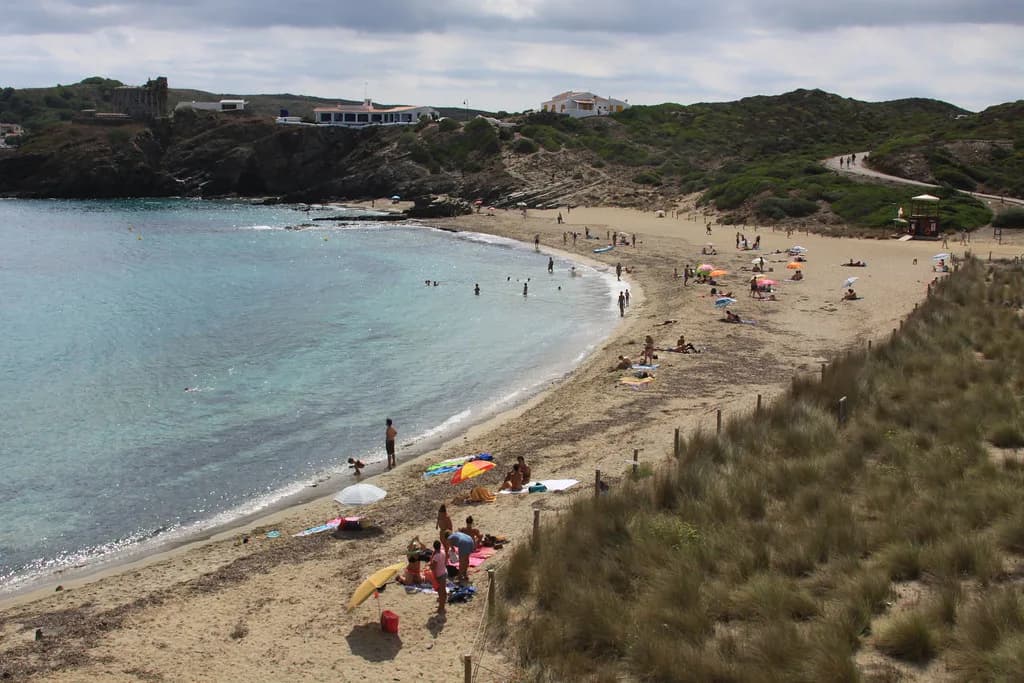
The sand here is copper and rust in colour, coarse enough to stay put on a towel, and the bay shelves gently at first before deepening more quickly further out. At Son Mercaduret, a rocky cove next to S'Alairó, shallow turquoise pools form between the rocks and make an easy spot for a paddle. Stronger swimmers can head out towards the small islands in the bay, which are a natural target for a there-and-back crossing.
If you prefer lying on warm rock to shaking sand out of everything, the flat platforms around Son Mercaduret are the place to settle. Families with small children tend to do best on the gentler entry at S'Alairó, while snorkellers get more from the rocky edges and the islets. Watch the conditions on the day, since the bay is not always calm, and keep an eye on anyone swimming out to the islands.
Shelter, crowding and timing
The headlands give the bay a degree of protection, but it faces north and open water, so conditions change with the wind and swell. On busy days the sand at S'Alairó and Pregonda fills up, with weekends in July and August the most crowded, and the atmosphere is liveliest close to the main beaches. Walk a little further along the coast and the small calas thin out quickly.
A half-day is the realistic minimum once you count the walk in and out, and most people will want a full day to spread across two or three of the beaches. Start early to claim shade and parking, take a break through the hottest hours, and plan the return walk before the light goes. There are no sunbeds or parasols on the sand, so bring your own shade if you plan to stay put.
Facilities
Everything practical sits near the car park: a restaurant and toilets, which is where you should eat, fill up and sort yourself out before starting the trail. Beyond that point there is nothing on the walk or at any of the beaches, so carry in food, water and shade for the whole day. Just as importantly, carry everything back out with you and leave no litter on the sand or the path.
Naturist use
Cala Pregonda is long-established as nudist-friendly, with naturist use concentrated on Cala Son Mercaduret beside S'Alairó and on some of the smaller, more hidden calas. Textile and naturist bathers share the bay, so the usual etiquette applies: give people space, keep your camera pointed at the view, and do not treat the area as a spectacle. If you want a conventional lido setup instead, look at Cala Galdana Beach, Menorca on the south coast.
Best time to go
Late spring and early autumn give the best balance: warm enough for a long swim and a hike, without the crush of high summer. July and August bring the hottest walking conditions and the fullest car park, so on those days aim to be on the trail by mid-morning and off the exposed sections before the afternoon heat builds. Sea temperatures peak towards the end of summer, which makes September a strong choice for swimmers.
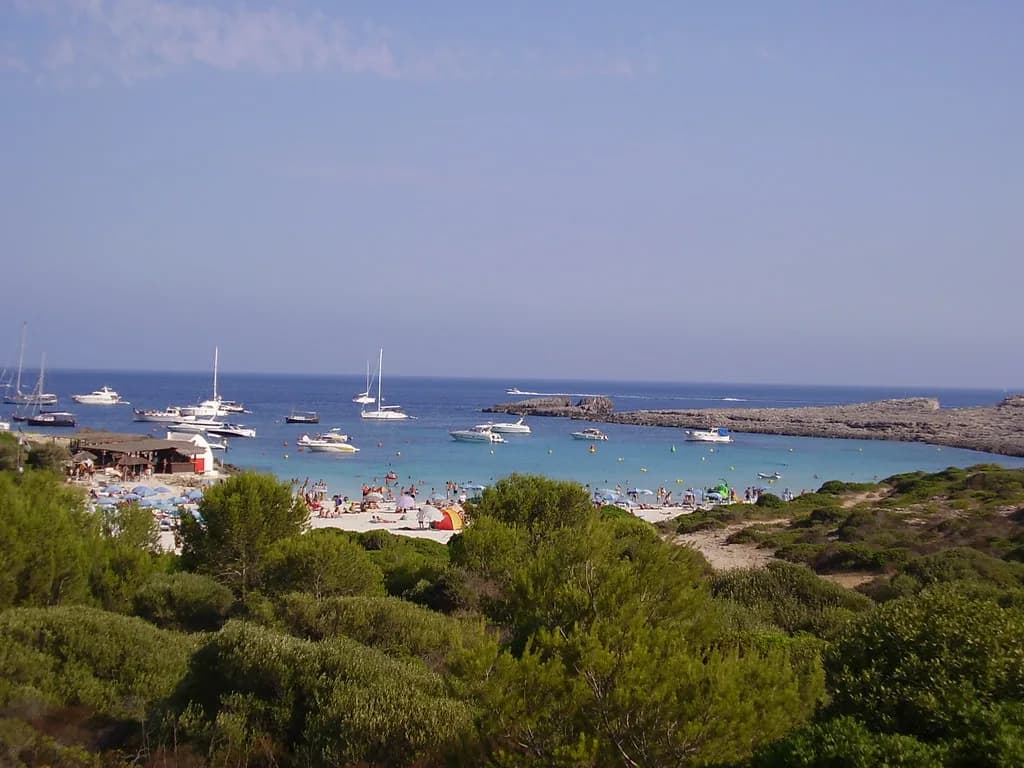
Outside the main season, the bay is quieter but the facilities by the car park may keep shorter hours, so plan to be self-sufficient. Check the forecast for wind and swell before setting out, since the walk in is committing and there is no shelter along the trail. If you want a beach day that does not depend on a hike, Punta Prima, Menorca offers a very different, serviced sort of day on the south-east coast.
Nearby beaches to combine
The obvious combination is the bay itself. Start at Platja Binimel·là, which is the first sand you reach and the least dramatic of the group, then move on to Cala Morts and S'Alairó before finishing at Pregonda. Allow time at Son Mercaduret for the rock pools if you have children in the party, and bring a mask for the rocky edges.
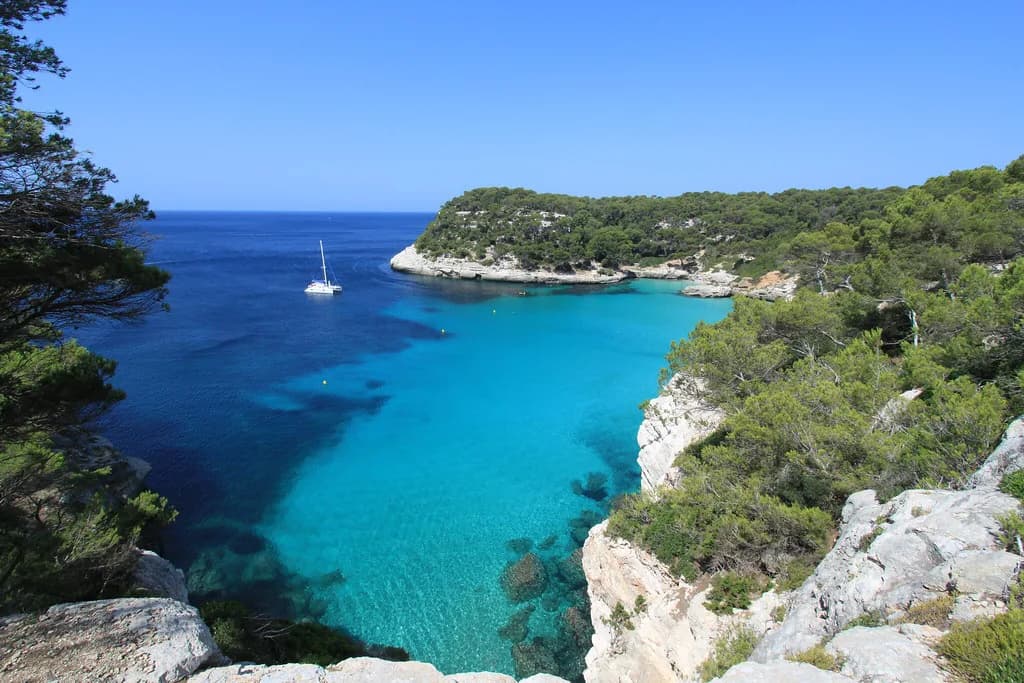
For a longer day, the route forms part of Section 6 of the Camí de Cavalls, so serious walkers can link Pregonda with more of the north coast. That is a full-day proposition with proper shoes, extra water and an early start, best avoided in the height of summer. If you would rather split your holiday between the wild north and the southern calas, Cala Macarella and Cala Macarelleta make a fine contrast.
Plan Your Visit
Cala Pregonda rewards planning more than most Menorca beaches. Drive to the Binimel·là car park early, walk in with proper shoes and a full pack, and treat the chain of coves as the destination rather than a single stretch of sand. If the walk is too much in the heat, the boat from Fornells Bay gives you the bay and the swim without the trail.
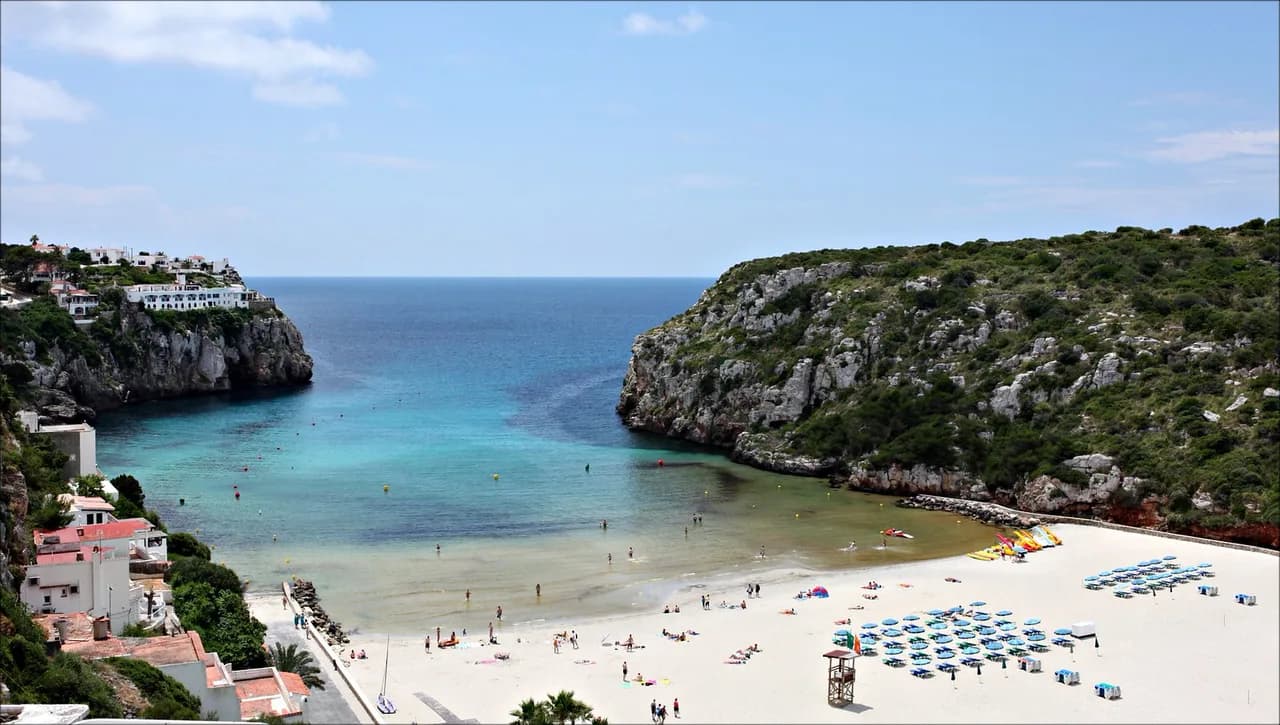
Build the day around the walk, not the swim: a half-day gets you there and back, a full day lets you explore. Pack water, food, shade and a bag for your rubbish, and leave the car park as you found it. For a beach day with facilities and a gentler landing, Cala en Porter Beach, Menorca is a straightforward contrast on the south coast.
Frequently Asked Questions
How long does it take to walk to Cala Pregonda?
Allow around 35 to 40 minutes from the Binimel·là car park, following the signposted path and the Camí de Cavalls markers past Cala Morts and S'Alairó. The climb to the viewpoint above Pregonda is the steepest part, and the rocky ground slows you down in the heat.
Can you get to Cala Pregonda by bus?
No bus serves the beach. Access is by private vehicle to the Binimel·là car park and then on foot, or by boat from Fornells Bay, or as part of a longer walk along the Camí de Cavalls.
Is there parking at Cala Pregonda?
Parking is at the unpaved, unmarked car park above Platja Binimel·là, reached along a narrow lane and a rough track. It is free and holds well over 150 cars, but fills quickly in summer, so arrive early.
Can you drive right down to the sand at Cala Pregonda?
No. The car park sits above Platja Binimel·là, and the beach itself is reached only on foot along the coastal trail. Expect a walk of roughly 35 to 40 minutes with rocky sections underfoot.
Where do boat trips to Cala Pregonda leave from?
Trips run from Fornells Bay around Cap de Cavalleria, with a swim and snorkel stop in the bay at Cala Pregonda. The crossing takes about three hours including time in the water, so ask the tourist office in Fornells about current operators and sailings.
Are there sunbeds or facilities at Cala Pregonda?
There are no sunbeds or parasols on the sand. A restaurant and toilets sit by the car park, and beyond that point there is nothing on the walk or at the beaches, so carry in food, water and shade and take everything back out.
Is Cala Pregonda nudist-friendly?
Yes. Naturist use is long established and concentrated on Cala Son Mercaduret next to S'Alairó and on the smaller hidden calas. Textile and naturist bathers share the bay, so keep your distance and your camera to yourself.
Which beaches can you combine with Cala Pregonda?
Combine Platja Binimel·là, Cala Morts, S'Alairó, Son Mercaduret and Pregonda itself in one walk around the bay. Longer hikers can continue along Section 6 of the Camí de Cavalls, which is a full-day route best done outside the hottest months.
Sources
Beach notes for your next trip
Optional updates when we add or revise beach guides.
You might also like
Continue reading
More guides you'll find useful