Avola Beach Guide: Sicily's Sandy Coast Near Noto
Plan an Avola beach day in south-east Sicily: the long sandy seafront, Gallina and Pantanello beaches, how to get there and when to swim.
On this page
Avola gives you two very different beach days within a few kilometres: a broad sandy lido backed by a town seafront, and a run of white-pebble coves with dunes and clear water. It suits travellers based in Noto who want a swim without committing to the crowds of the better-known reserves further south.
The useful split is between the sandy strip at Marina di Avola and the pebble coast at Contrada Gallina to the north-east. Pick according to whether you want easy sand underfoot or sharper scenery and clearer water over stones, then build the rest of the day around the seafront.
Why Avola's beach deserves a day of your Noto trip
Noto sits inland, so a beach day means choosing a stretch of coast rather than simply walking downhill to the sea. Avola's advantage is variety within a short stretch of shoreline: sand at the town's Marina, white pebbles and dunes at Gallina, and the sheltered curve of Pantanello in between.
The town itself has a working seafront rather than a resort strip, which makes it a practical base for eating and overnighting as well as swimming. Avola is also positioned on the coast road between Noto and the southern beaches, so it slots naturally into a day that starts inland and ends at the water.
Where Avola beach is and how it relates to Marina di Avola
Avola's beach is not in the historic centre but at Marina di Avola, the town's seaward extension, where the built-up seafront meets the sand. The Lungomare Tremoli runs along this waterfront and is the reference point for anyone heading to the main sandy stretch.
North-east of the town, the coast changes character almost immediately. Following the SS 115 from Avola towards Cassibile brings you to Contrada Gallina, the area that gives Spiaggetta di Punta Gallina its name, where the sand gives way to a pebble shore and a protected dune belt.
Getting there from Noto and Avola town
Avola has its own railway station, which makes the town reachable by train from the Syracuse line and useful if you are travelling without a car. From the station, the beach at Marina di Avola lies downhill towards the sea, while the Gallina coves are further along the coast road to the north-east.
By car, the SS 115 links Avola with Cassibile and the Gallina turning, and the same road continues south towards Noto and the provincial road to the Vendicari reserve. Parking arrangements and any charges along the seafront are set locally, so ask at the Avola tourist office or your accommodation before you drive down in high summer.
The sand and the water: the long sandy lido compared with the pebbles at Gallina
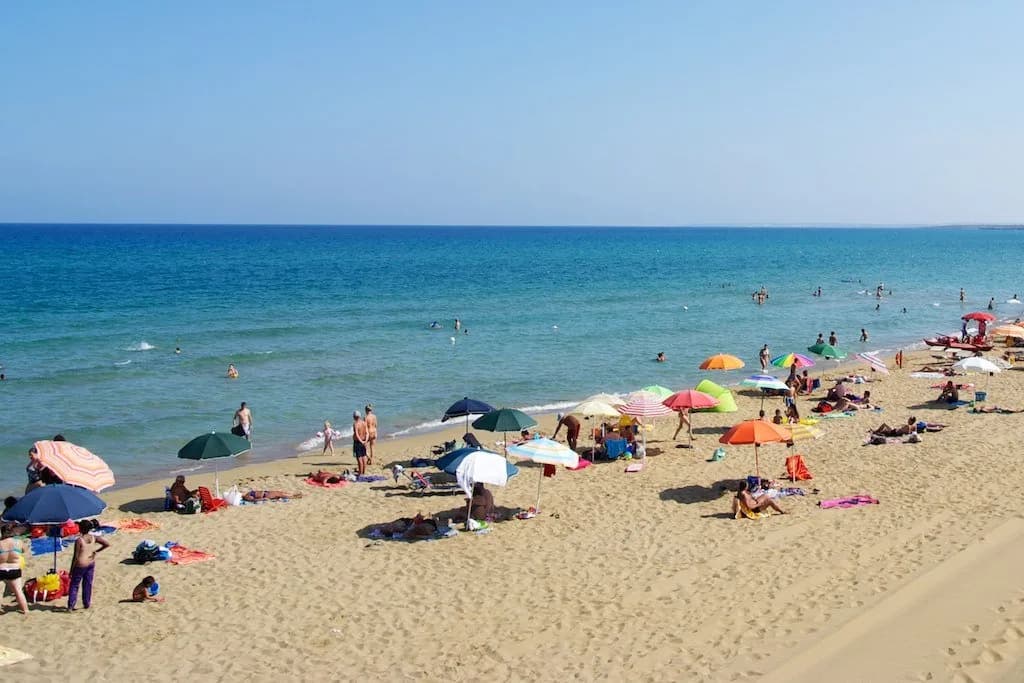
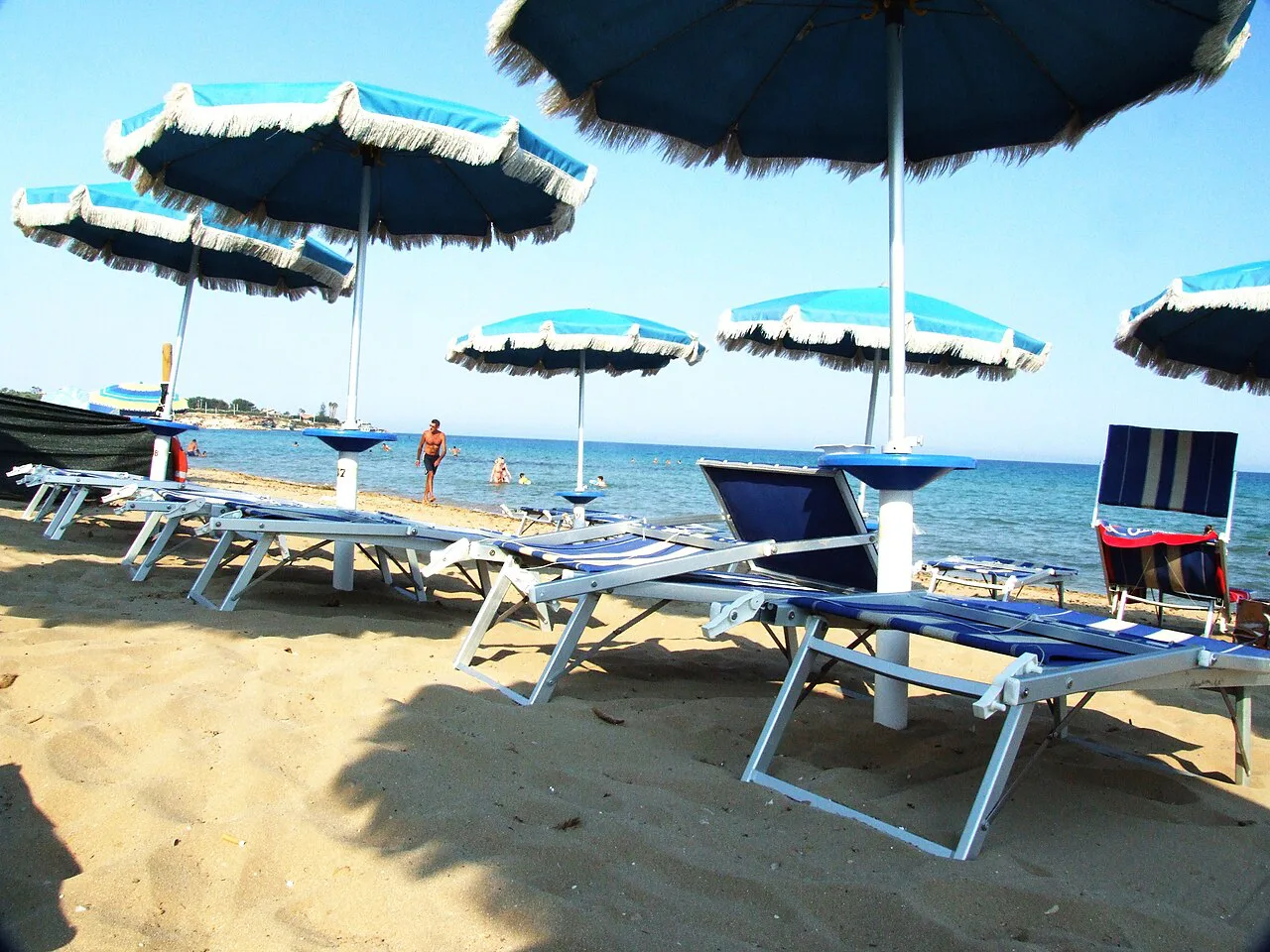
The main Avola lido is a long, open sandy beach facing the Ionian Sea, the kind of shore where you can spread out well away from the nearest group. Sand underfoot makes it the easier choice for young children and for anyone carrying chairs, coolers and a shade tent down from the car.
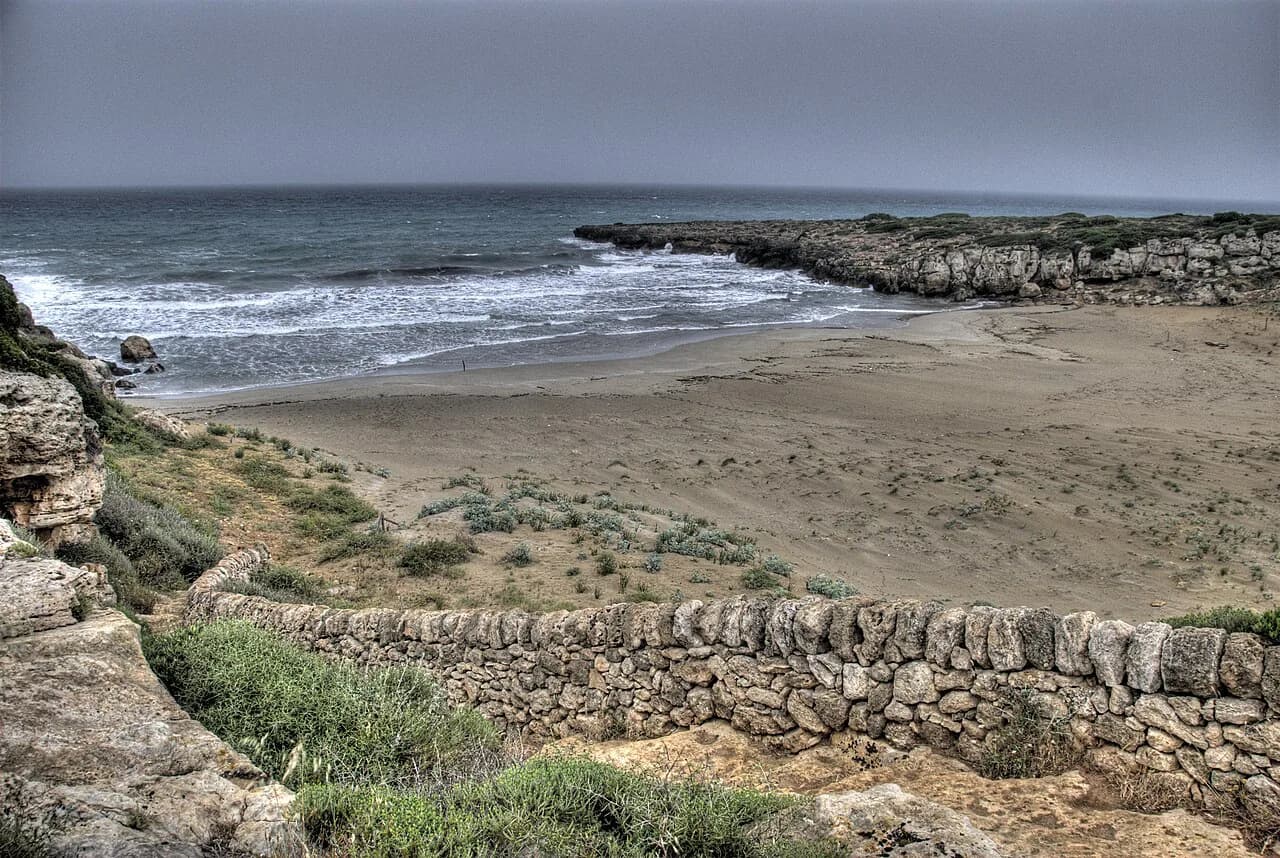
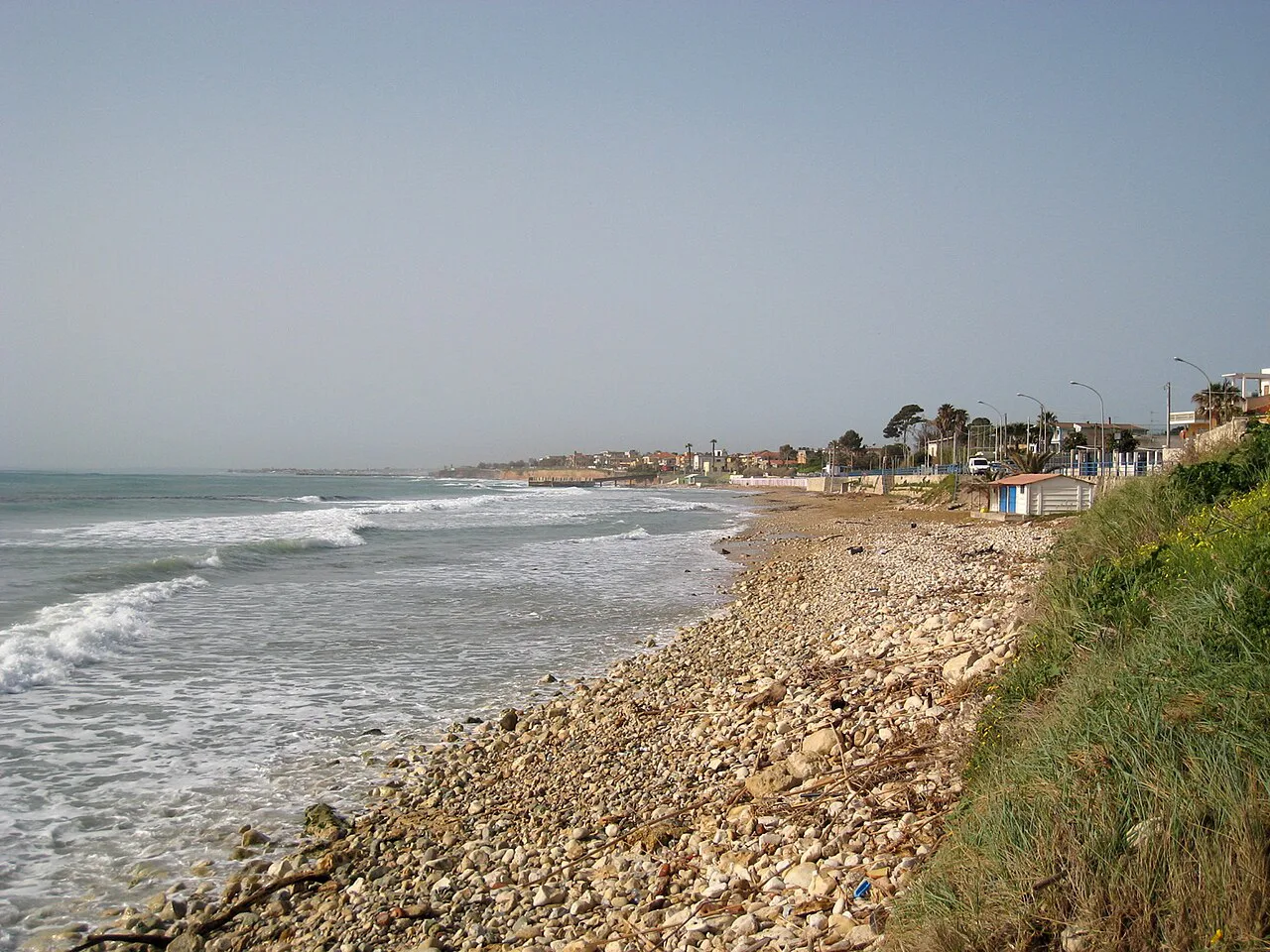
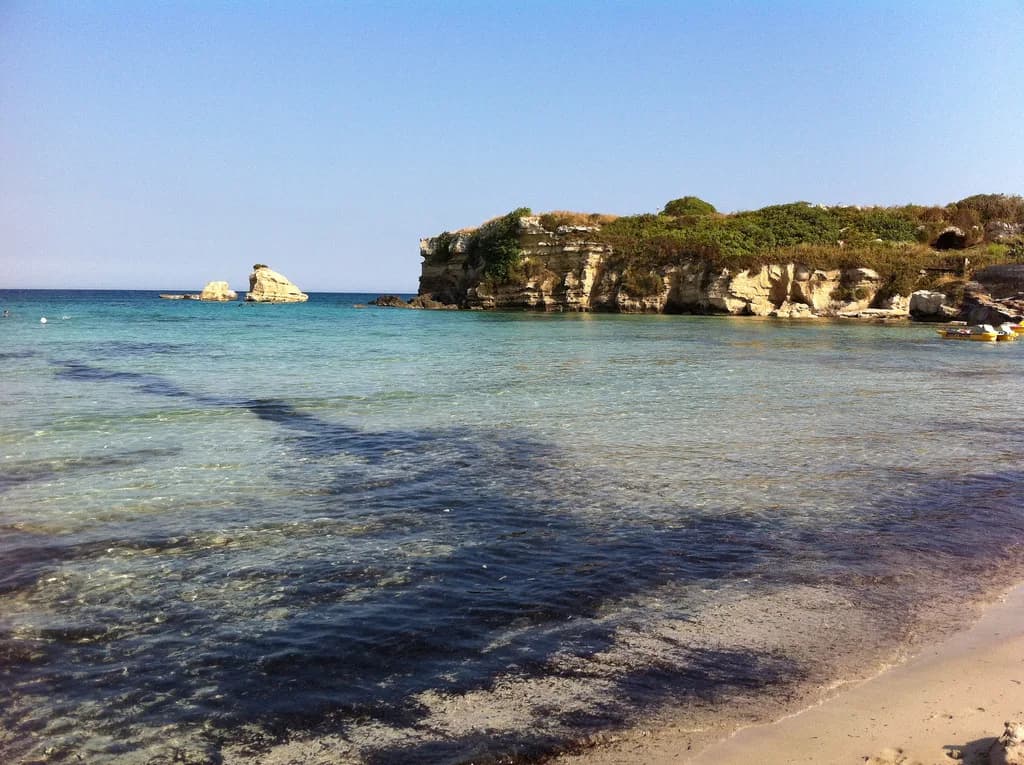
Gallina is a different proposition: a wide expanse of white pebbles and very clear water, with 500 metres of sandy coast behind a line of dunes protected by white rocks at the water's edge. That rock-and-pebble edge rewards swimmers who like visible depth and snorkellers who want structure to look at, but it is harder on bare feet than the lido.
Spiaggia di Punta Gallina: white pebbles, dunes and clear water
Spiaggetta di Punta Gallina is the named beach of the Contrada Gallina area, north-east of Avola along the coast towards Cassibile. Its draw is the contrast between pale stone, bright water and the low green dune belt behind, which gives the shore a more natural feel than the town lido.
Bring shoes you can walk on shingle in, and plan to sit on a mat rather than a towel alone. The clarity of the water is the reason to come, so pack a mask even if you only plan to paddle; the pebbles continue below the waterline, which means you can see the bottom clearly as you wade in.
Pantanello, the 'Ferro di Cavallo' horseshoe beach
Pantanello, reached along the Avola seafront, is nicknamed Ferro di Cavallo, or horseshoe, for its arched shape. That curve matters practically: a bay that wraps around gives you a choice of angle to the sun and some variation in shelter depending on where you settle.
Because the bay is compact, it fills up faster than the open lido, so arrive earlier in July and August if you want space near the water. It works well as a short stop between the town seafront and the Gallina coves rather than as the whole day.
Mare Vecchio at Marina di Avola
Mare Vecchio sits near the village of Marina di Avola and is the beach most easily combined with a meal on the seafront. It is the natural choice if you want to swim, walk back to the Lungomare Tremoli for lunch, and return to the sand without moving the car.
Treat it as the convenient option rather than the wildest one: the setting is the town's own waterfront, with the beach, promenade and buildings close together. That makes it the best pick for a half-day swim on a travel day, when you want minimum logistics and a straightforward route back to Noto.
Facilities and the seafront
Avola's seafront is a working stretch of town rather than a purpose-built resort, with the Lungomare Tremoli as its spine and the beach running alongside. Expect to organise your own shade and refreshments from the town side, and to find bars and restaurants along the waterfront rather than scattered across the sand.
For lido, sunbed and beach-club arrangements, the reliable route is to ask the Avola tourist office or your accommodation what is operating on the Marina di Avola front in the weeks you are travelling, since set-ups change season to season. The same applies to the Gallina coves, which are the least developed of the Avola beaches.
Who it suits: families, swimmers, snorkellers and quiet-seekers
Families with small children should head for the sandy lido at Marina di Avola, where soft sand and an open shore make setting up camp simple. Swimmers and snorkellers get more from Gallina, where the pebble bottom and clear water make the sea itself the attraction.
Quiet-seekers should walk away from the main access points on the long lido, or choose the Gallina shore, which draws fewer people than the town beach. Anyone wanting a compact, scenic stop with a bit of shelter should put Pantanello on the list between the two.
Best time to go: swim season and the busiest months
Avola's warmest and busiest period runs from June through August, and the shoulder months of October to December bring cooler temperatures and quieter conditions. For swimming, late spring and early autumn give you warm air with far more space on the sand, though sea temperatures vary year to year.
In peak summer, treat the town lido as an early-morning or late-afternoon swim and save the middle of the day for the Gallina coves or a long lunch on the seafront. Local beach regulations, including any seasonal rules on the shore, come from the Comune di Avola rather than from national guidance.
Nearby beaches to combine: Lido di Noto, Calamosche and the Vendicari reserve
Heading south from Avola towards Noto, the first beach to add is Lido di Noto, a fine amber-sand shore with clear water and the easiest sandy alternative if Avola's lido is crowded. It sits on the provincial road that continues towards the Vendicari reserve, so you can chain the two without backtracking. If you are weighing a different stretch of the Sicilian coast entirely, the beaches in Ragusa make a useful comparison for a south-eastern beach day.
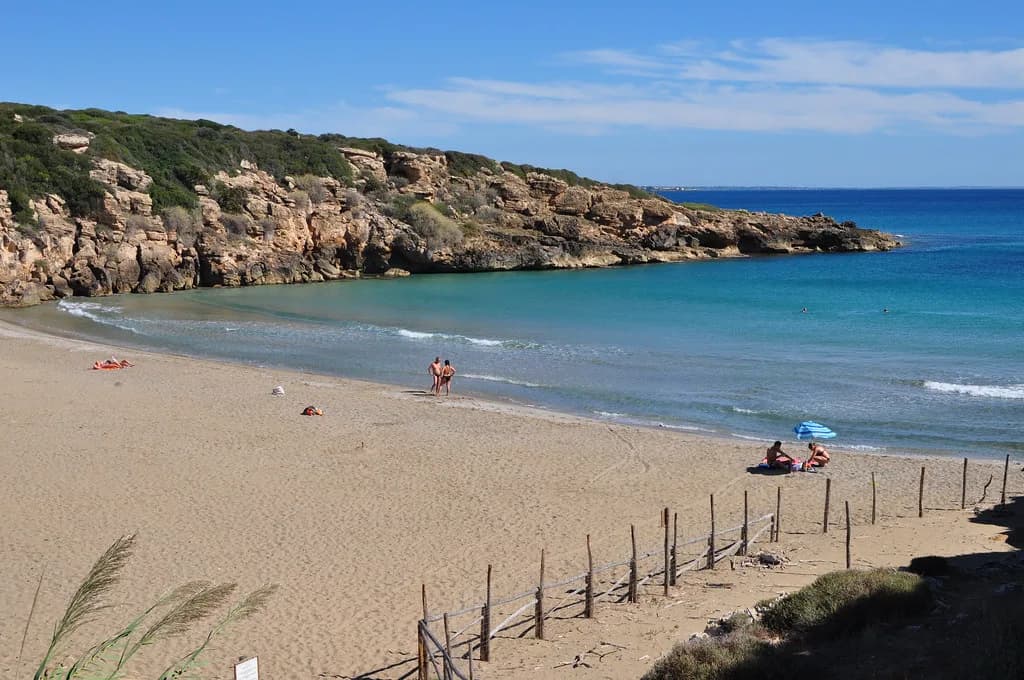
Further south, inside the Vendicari reserve, Calamosche is the celebrated cove of this coast, a walk-in beach reached from the reserve's paths. It demands more effort and a proper pair of shoes, and it rewards that effort with one of the most striking settings in south-east Sicily.
If you are pushing further south towards Pachino, the coast at Portopalo di Capo Passero marks the southern tip of Sicily, where the Ionian meets the Mediterranean and the water turns a deep, exposed blue. It is a full-day extension rather than an add-on to an Avola morning.
Practical kit and an honest trade-off between the lido and the coves
The kit decision follows from the beach: for the sandy lido, bring a shade shelter, water and a cool bag, since you are setting up for a few hours away from the town. For Gallina, add reef shoes, a mat and a mask, because the pebbles make barefoot lounging uncomfortable and the clear water is the point of going.
The honest trade-off is convenience against scenery. The Marina di Avola lido gives you sand, a promenade and an easy return to Noto; Gallina gives you white stone, dunes and better visibility in the water at the cost of comfort underfoot. Pantanello and Mare Vecchio sit between the two, and are the right answer when you have half a day rather than a full one.
Plan Your Visit
Base the day on Noto and treat Avola as a two-part coast: swim from the sandy lido if you have children or a lot of kit, and drive the short stretch north-east to Gallina if you want pebbles, dunes and clear water. Add Pantanello for a compact stop and Mare Vecchio when you want lunch within walking distance of the sand.
Check the current operating season for lidos and beach bars with the Avola tourist office before you travel, and confirm train times for Avola station with Trenitalia if you are going car-free. Build the rest of the day around the coast road south to Lido di Noto and the Vendicari reserve.
Frequently Asked Questions
Is Avola beach sandy?
The main beach at Marina di Avola is a long, open sandy shore along the Lungomare Tremoli. North-east of town at Contrada Gallina the coast turns to white pebbles with a dune belt behind, so you can choose sand or shingle within a short drive.
How do you get to Avola beach from Noto?
Avola has its own railway station on the Syracuse line, and the beach at Marina di Avola lies downhill from the town towards the sea. By car, the SS 115 connects Avola with Cassibile and the Gallina turning, and continues south towards Noto.
What is Punta Gallina beach like?
Spiaggetta di Punta Gallina is a white-pebble beach with very clear water, backed by dunes protected by white rocks at the water's edge. It suits swimmers and snorkellers more than barefoot loungers, so bring reef shoes and a mat.
Why is Pantanello beach called Ferro di Cavallo?
Pantanello is nicknamed Ferro di Cavallo, meaning horseshoe, because of its arched bay shape. The curve gives you a choice of angle to the sun and some variation in shelter, though the compact bay fills up faster than the open lido in summer.
When is the best time to swim at Avola?
June through August is the warmest and busiest stretch, while October to December brings cooler temperatures and fewer people. Late spring and early autumn give warm air with more space on the sand, though sea temperatures vary year to year.
Which beaches near Avola are best for families?
The sandy lido at Marina di Avola is the easiest for families with small children, and Lido di Noto offers a fine amber-sand alternative a short drive south. Gallina's pebbles are better suited to older children and confident swimmers.
Sources
Beach notes for your next trip
Optional updates when we add or revise beach guides.
You might also like
Continue reading
More guides you'll find useful